Get the latest news and updates from Dawn
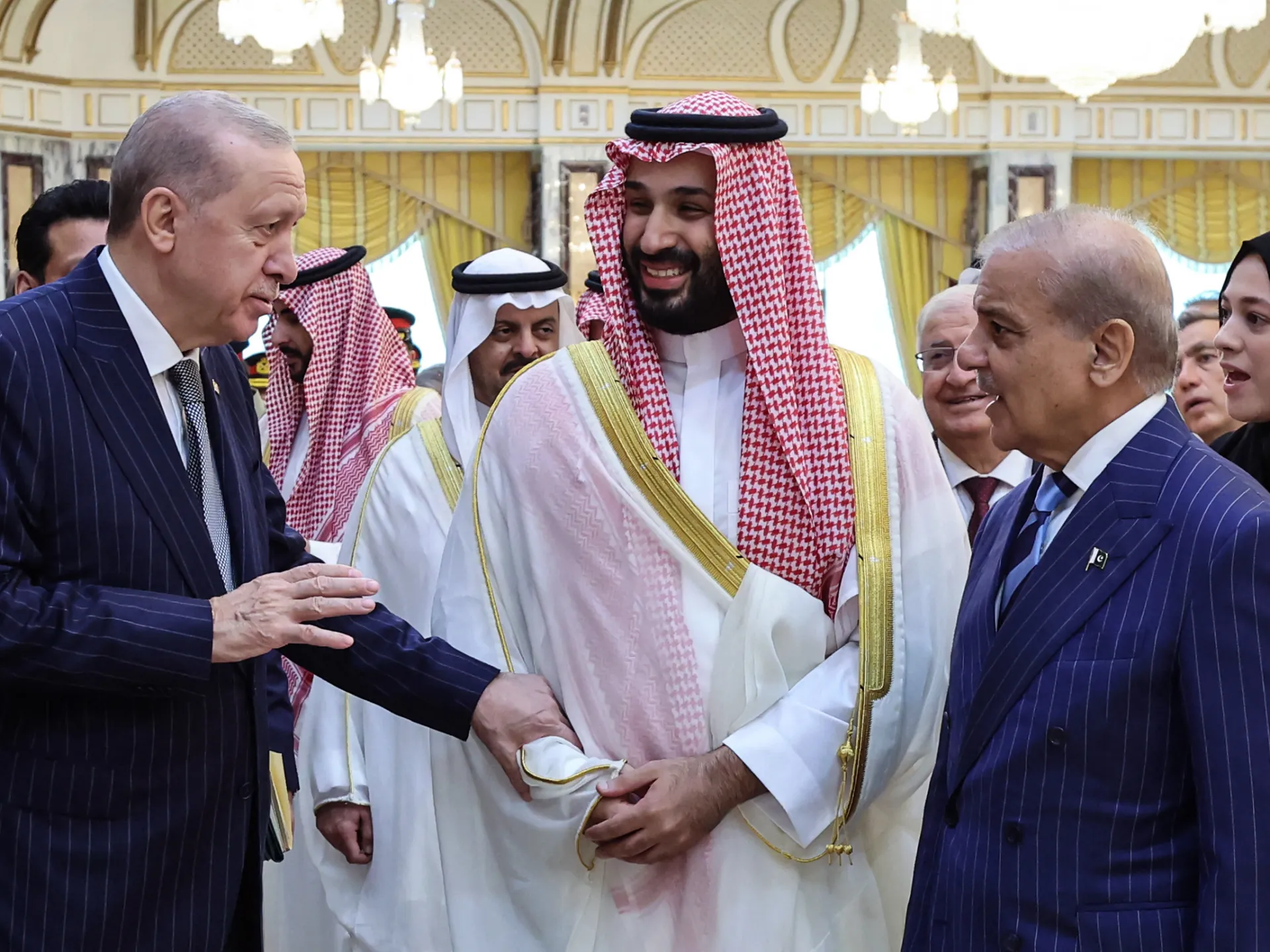
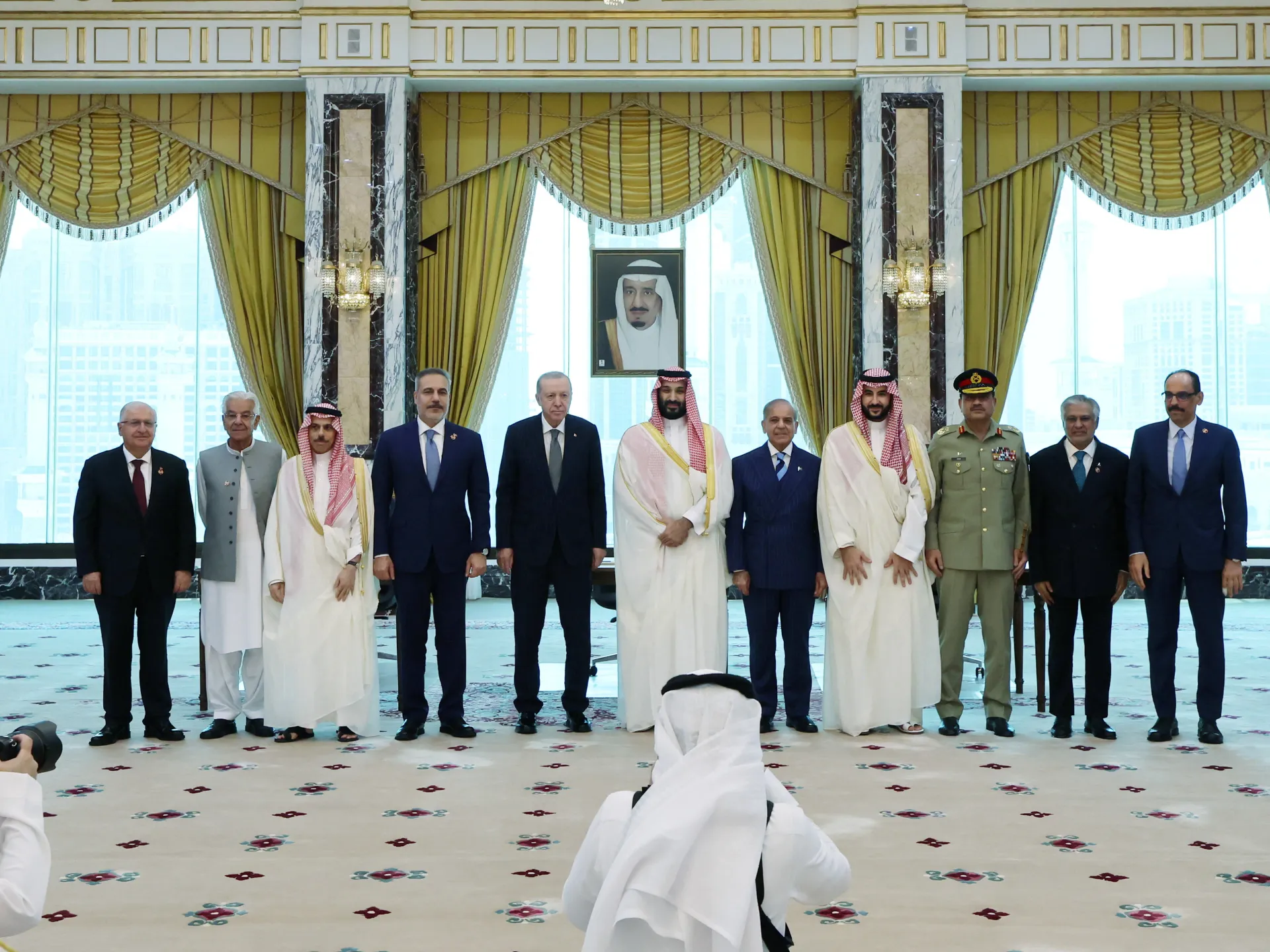
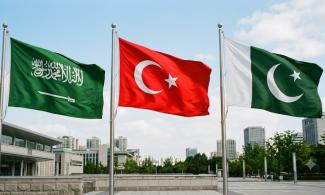
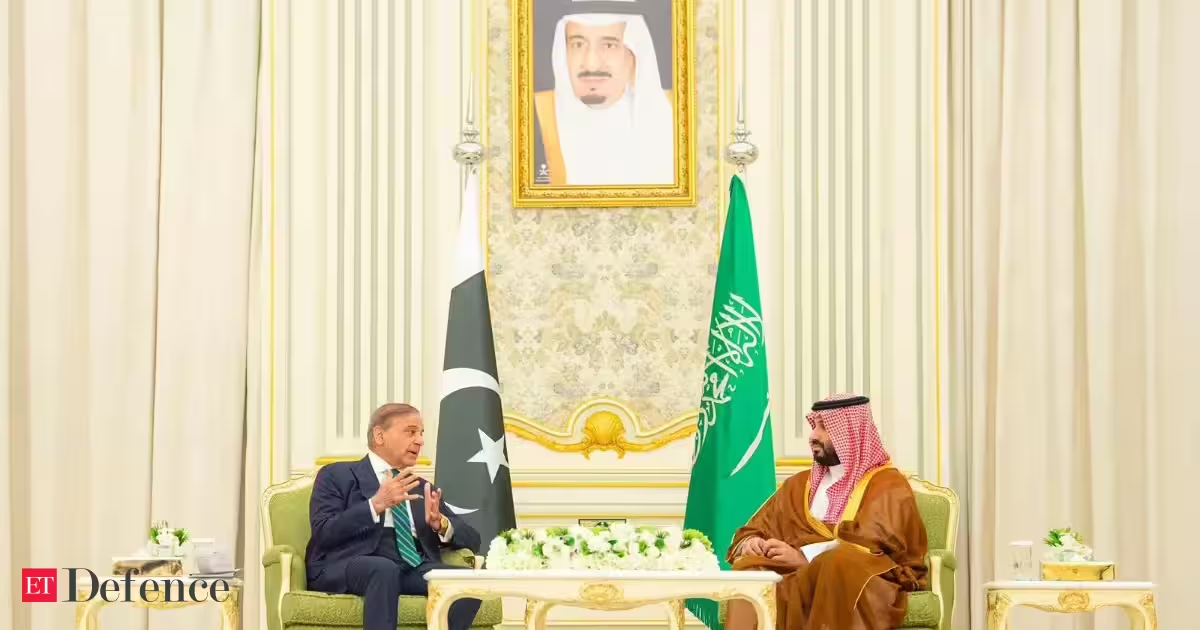
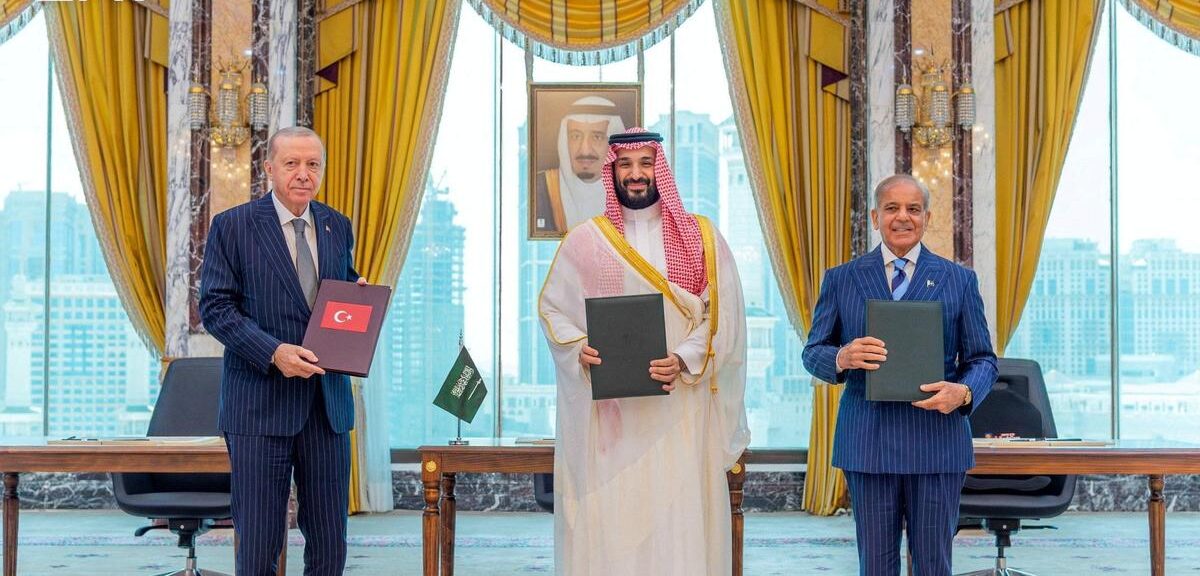
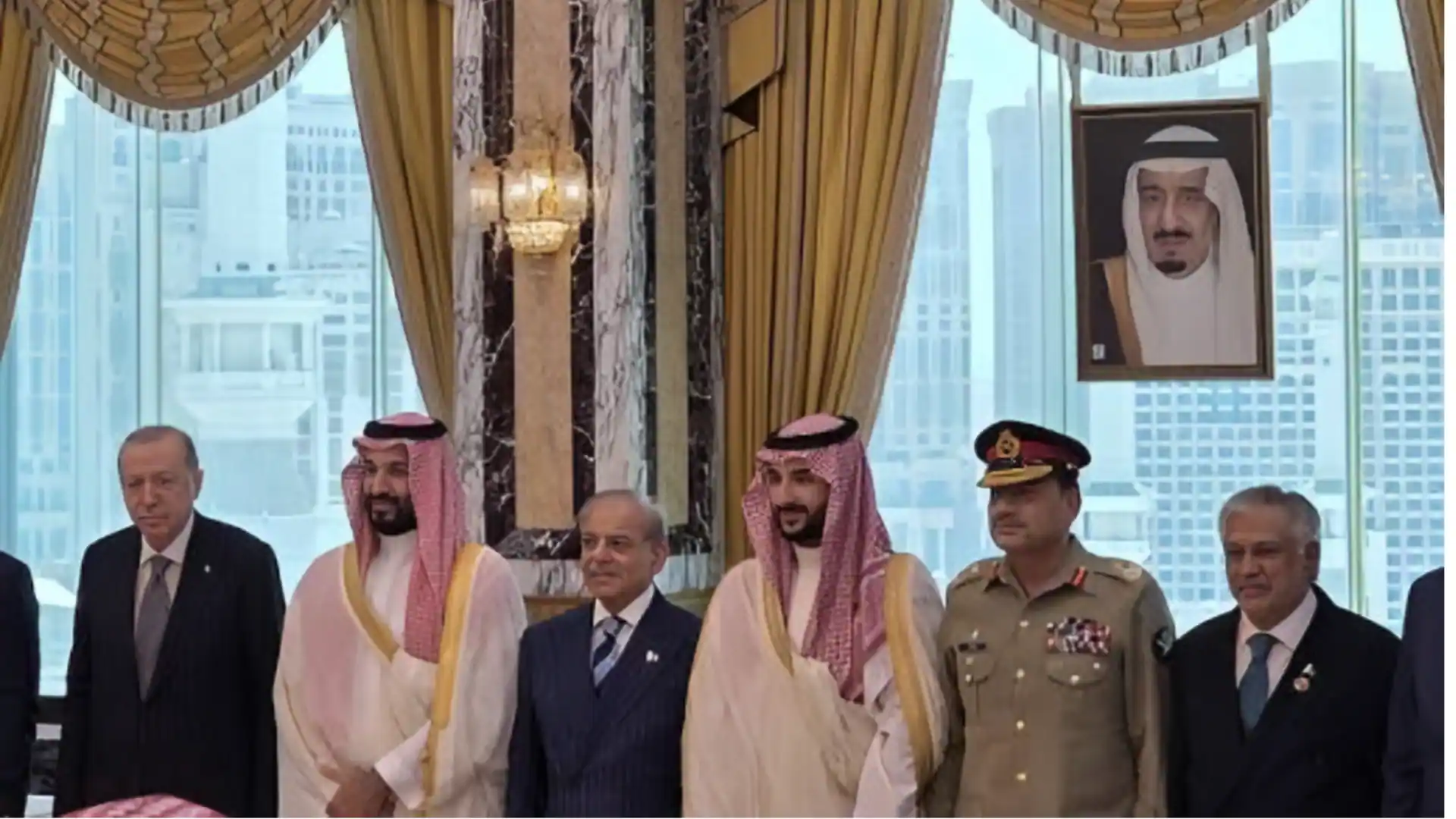
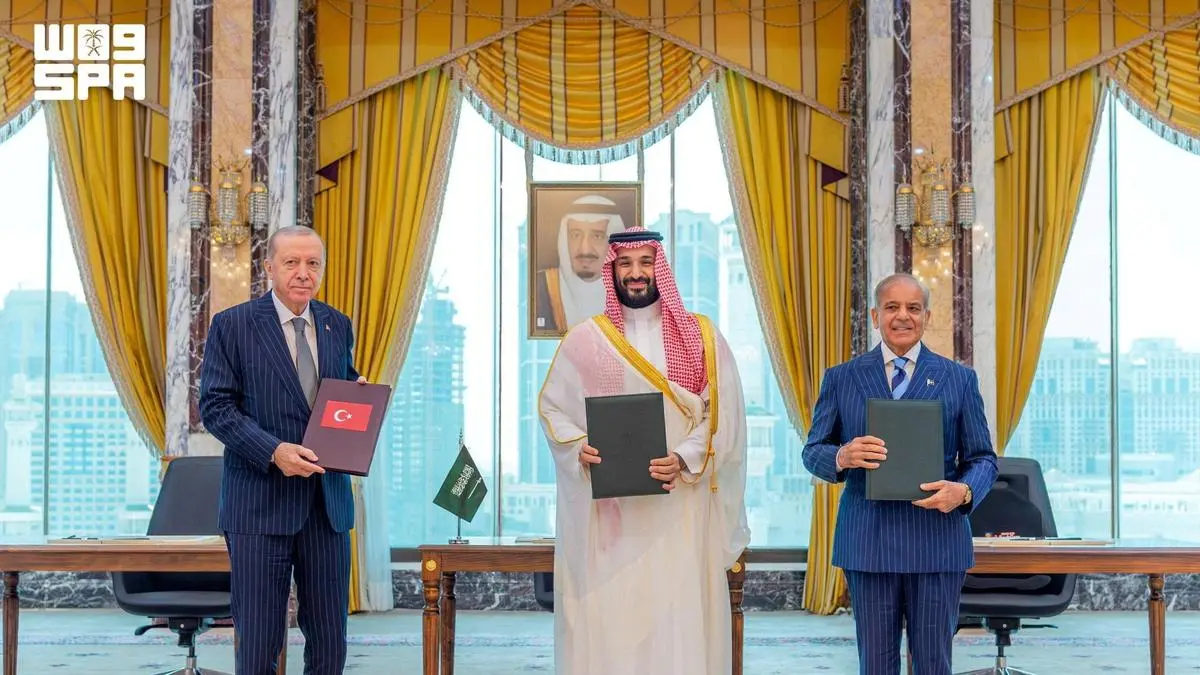
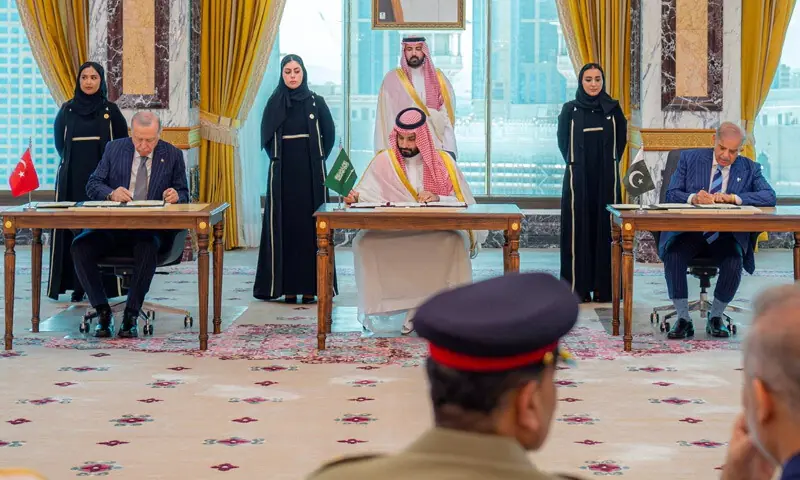
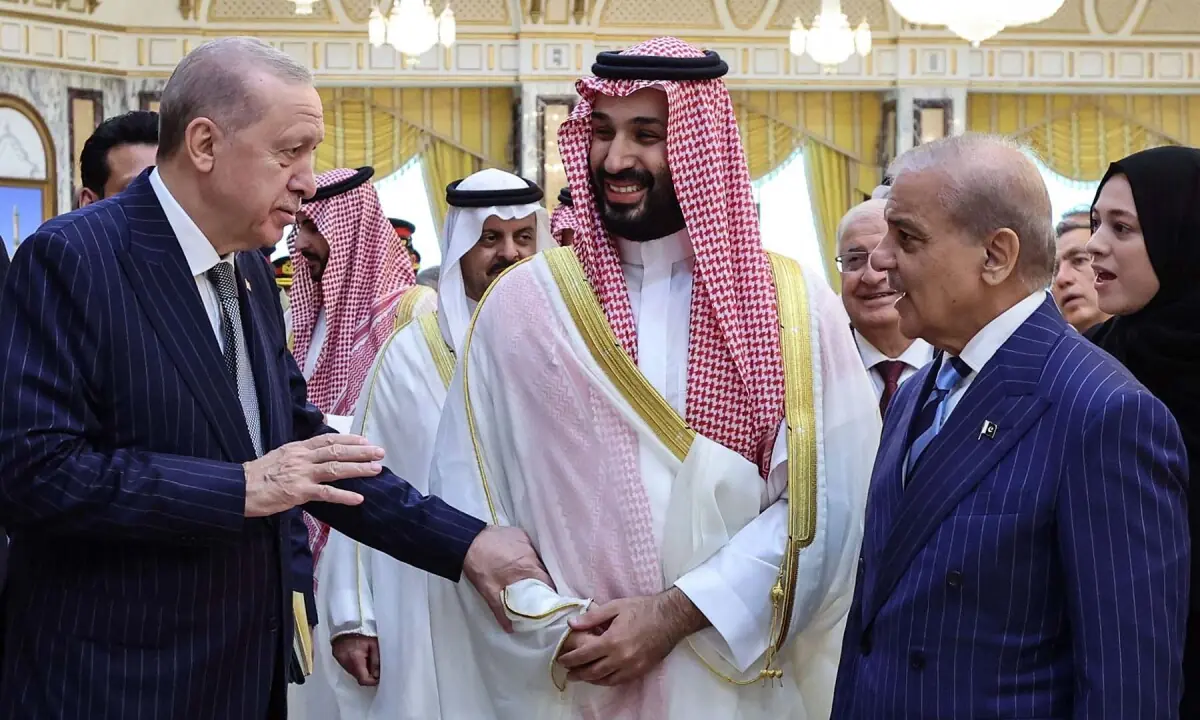
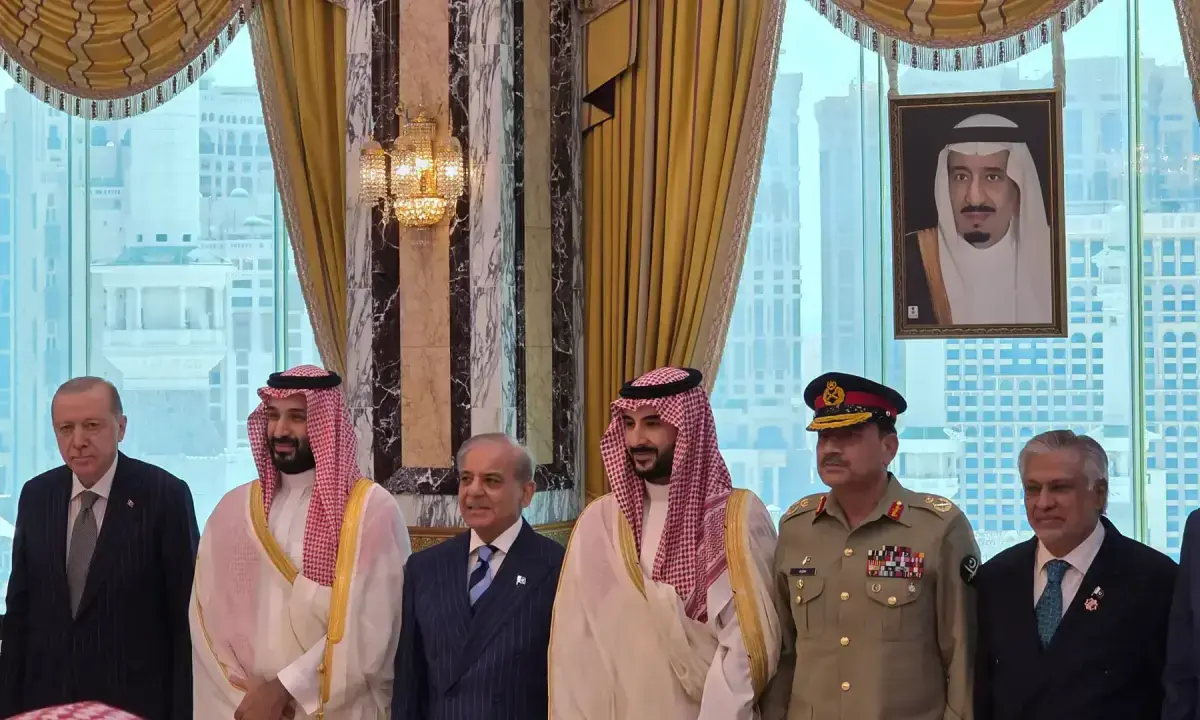
The Makkah Joint Defence Agreement signed by Pakistan, Saudi Arabia and Turkiye may on the face of it appear to be a creation of an Islamic equivalent of the North Atlantic Treaty Organisation (Nato).
It plainly is not, but reflects a gradual, yet unmistakable, reordering of the Gulf’s security architecture at a time when confidence in traditional security arrangements is under unprecedented strain.
For decades, the Gulf’s security rested upon an uncomplicated bargain under which the United States guaranteed regional stability, safeguarded maritime trade and energy infrastructure, and in return retained an unrivalled strategic presence across the region. Though that arrangement has not disappeared, repeated crises over the past few years have exposed its growing limitations.
The inability of that arrangement — which emerged after Iraq’s invasion of Kuwait — to deter attacks on energy facilities, repeated disruptions to commercial navigation, uncertainty generated by Washington’s changing regional priorities, and the prolonged confrontation with Iran have collectively persuaded Gulf capitals that they now require additional security beyond exclusively relying on the US.