Japan's Prime Minister Sanae Takaichi addresses a press conference at the Prime Minister's Office in Tokyo, Japan, April 15 2026. [Photo/Agencies]
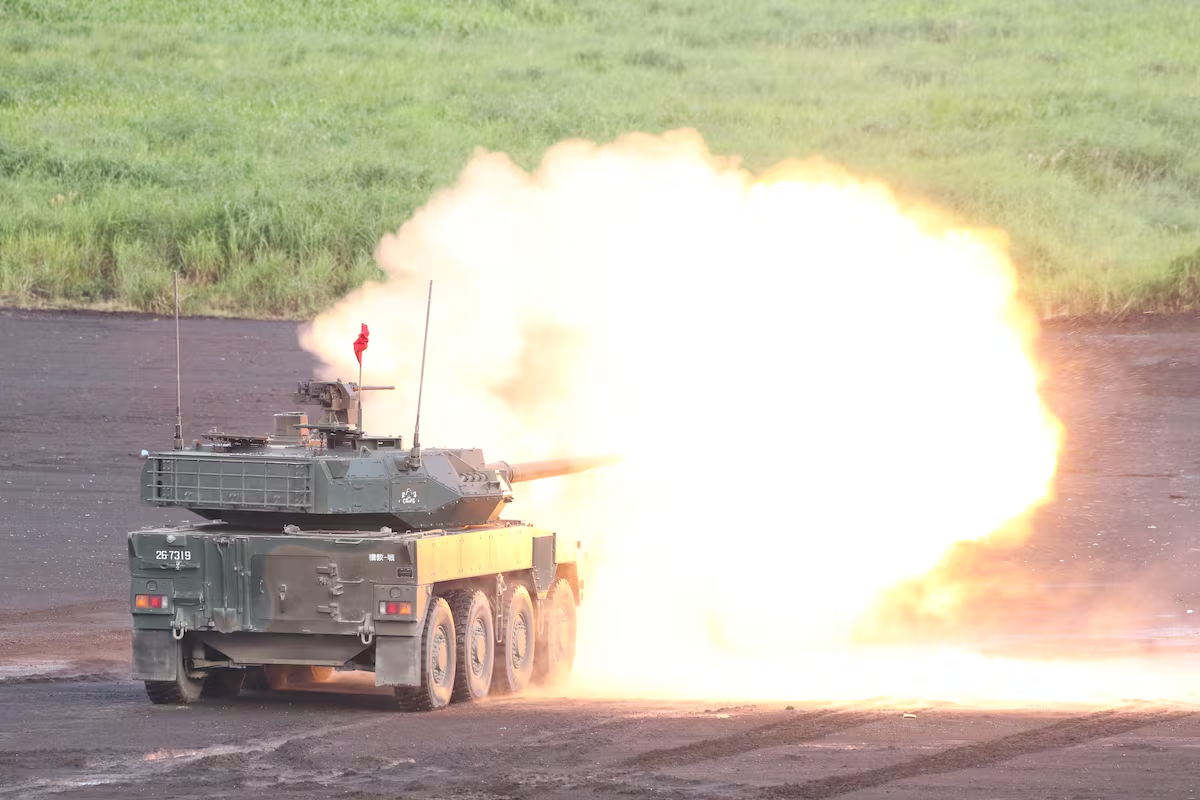
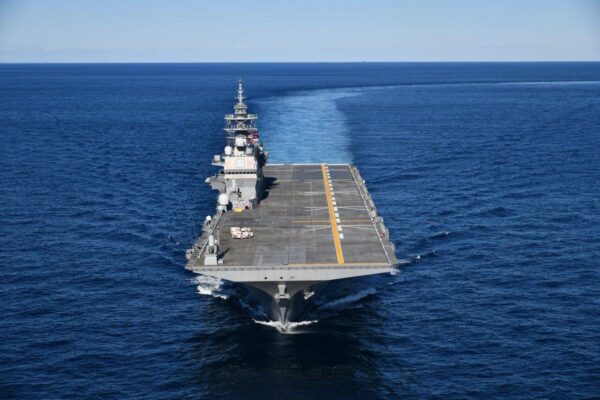
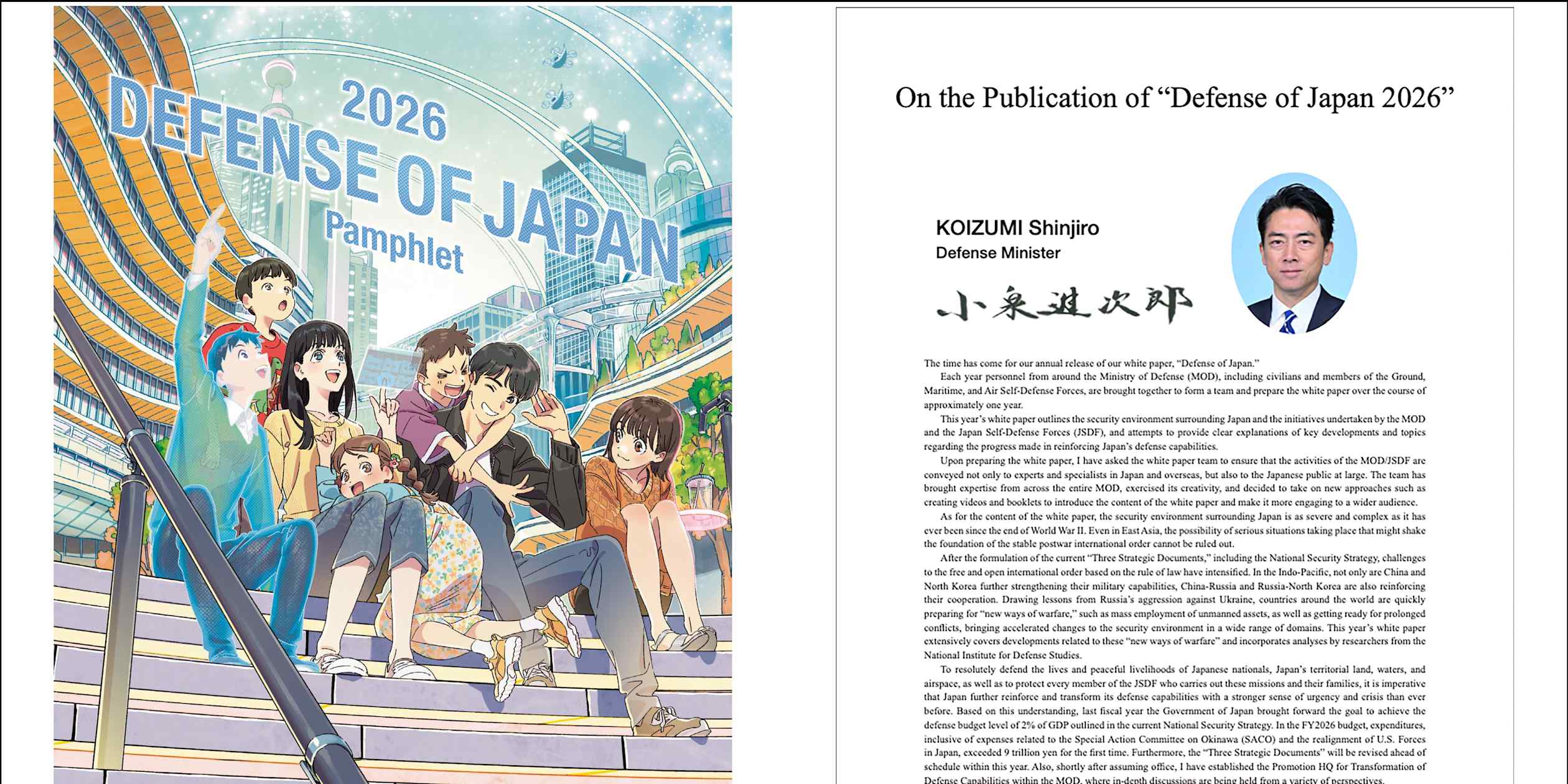
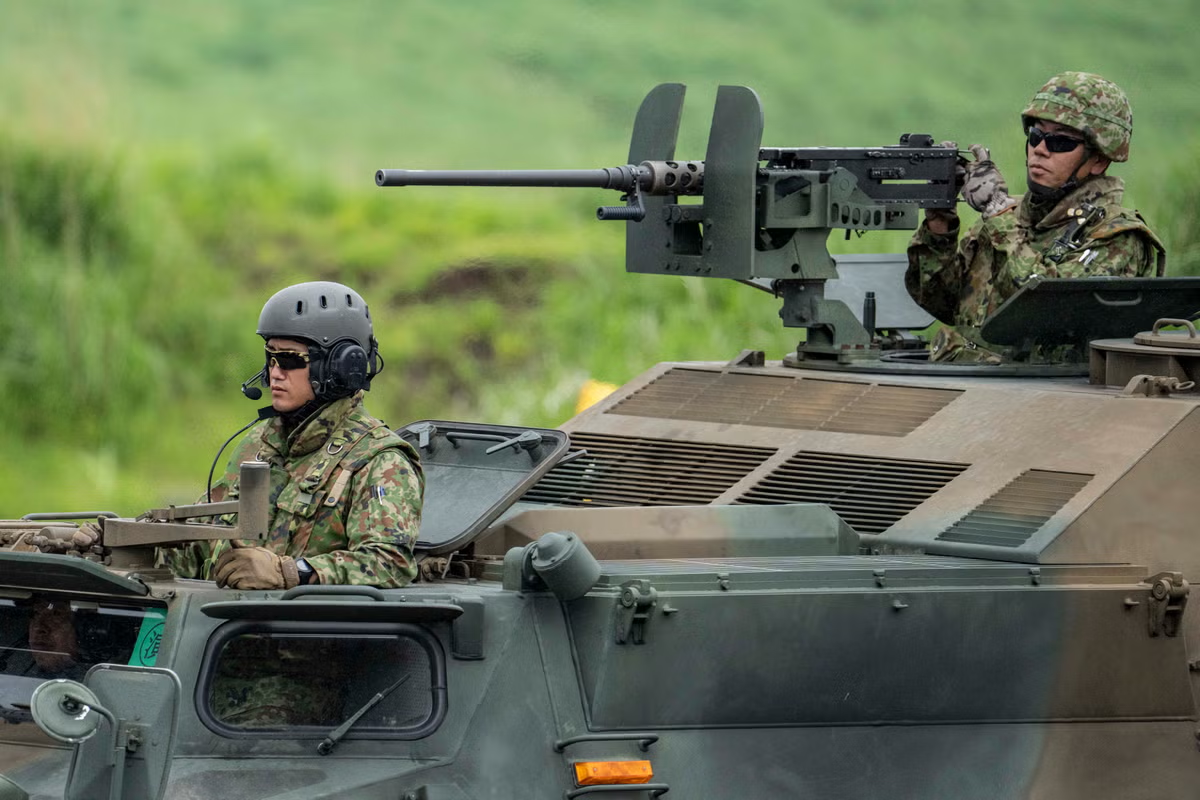
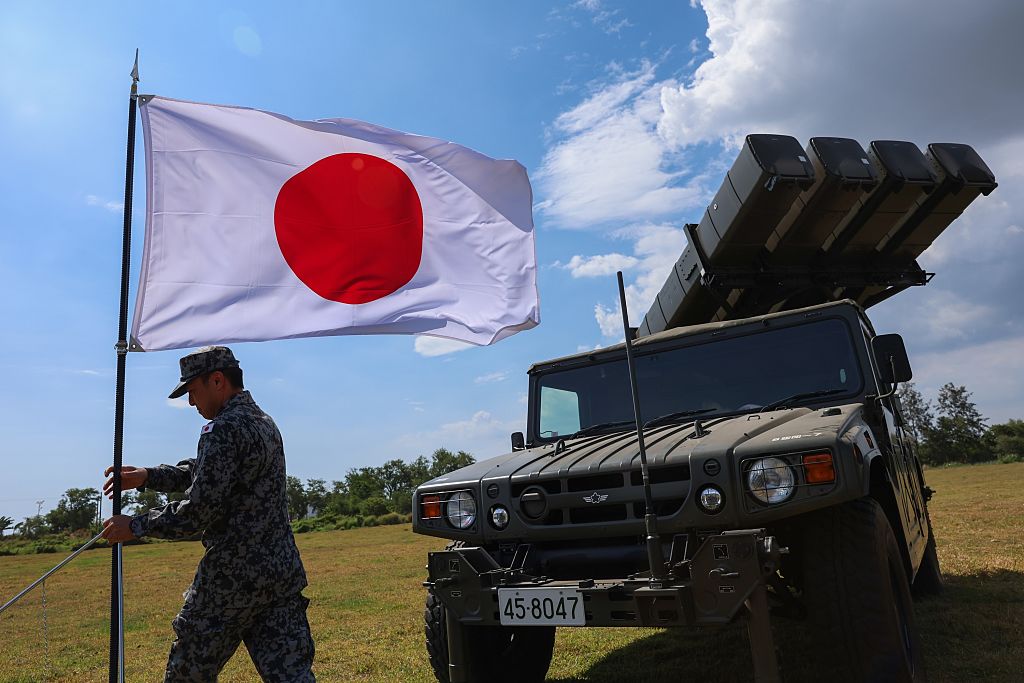
Japan's newly released 2026 defense white paper reads less like a sober assessment of regional realities and more like a carefully crafted narrative designed to manufacture domestic consent for accelerated militarization. It portrays China as an "unprecedented strategic challenge" that must be met with "overall national strength" and deeper alignment with allies. Almost simultaneously, Tokyo has moved to create a centralized intelligence agency — the first of its kind since the end of World War II — overturning eight decades of postwar decentralization. These steps, taken in the shadow of the 80th anniversary of the Tokyo Trials, and against the enduring refusal to fully confront wartime atrocities, including the biological barbarism of Unit 731, generate understandable unease across the region.
Layered onto this is an even more sobering development. Reports indicate that the Pentagon is drafting a classified nuclear strategy that places greater emphasis on the potential use of shorter-range tactical nuclear weapons in a regional conflict involving China or Russia. The combination of Japanese remilitarization, historical amnesia and US nuclear signalling creates a dangerous escalatory environment. It is a wake-up call that the old architecture of exclusive blocs and forward military presence is not merely fraying; it is actively raising the risks of catastrophic miscalculation.