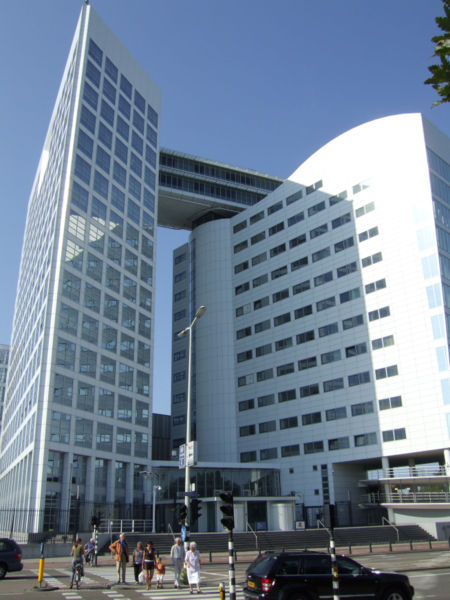
On 16 July, the International Criminal Court’s (ICC) 28th anniversary, I wrote in these pages about the court’s deepest crisis yet — a crisis to which Europe’s own double standards, and its own governing bodies, contribute significantly.
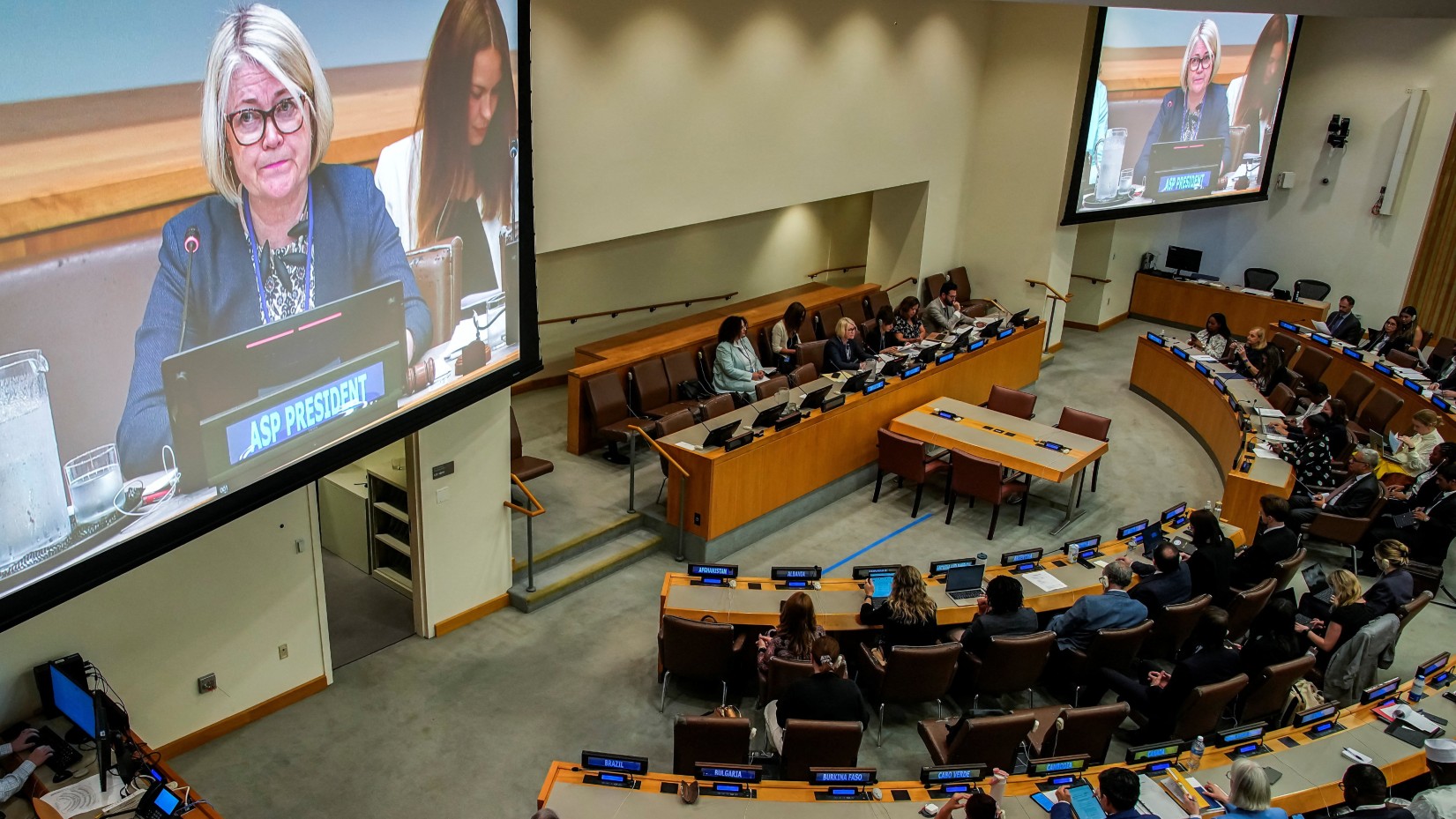
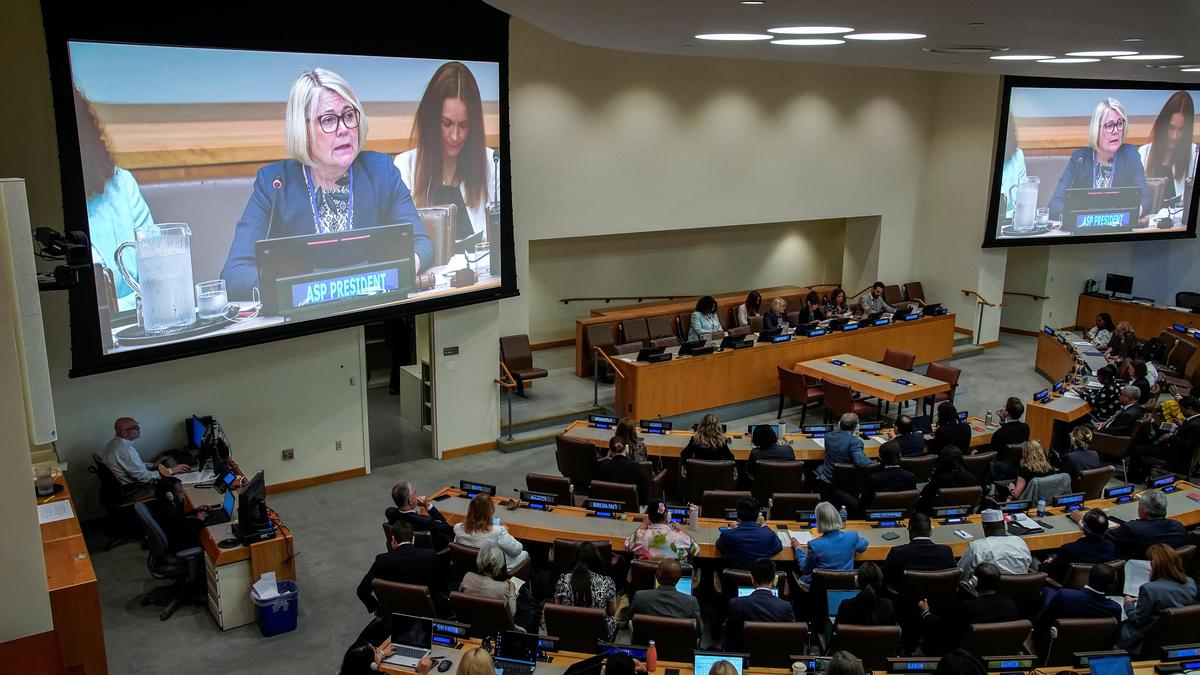
A week later, the vote I described as pending took place: on 24 July, member states removed chief prosecutor Karim Khan, overriding the conclusions of the independent judicial panel they themselves had commissioned. That panel had found no misconduct established. The Assembly set its own process aside anyway.
I return to this now because a second institution, built to work alongside the ICC rather than instead of it, is moving from paper to practice at the same moment — and it deserves the same scrutiny before it is too late to fix.
The Special Tribunal for the Crime of Aggression against Ukraine is no longer a proposal. Since February, an Advance Team has been working in The Hague to prepare its launch.
In May, at the Council of Europe’s ministerial meeting in Chișinău, 36 states and the EU signed the agreement establishing its Steering Committee — the body that will oversee its budget, structure and rules.