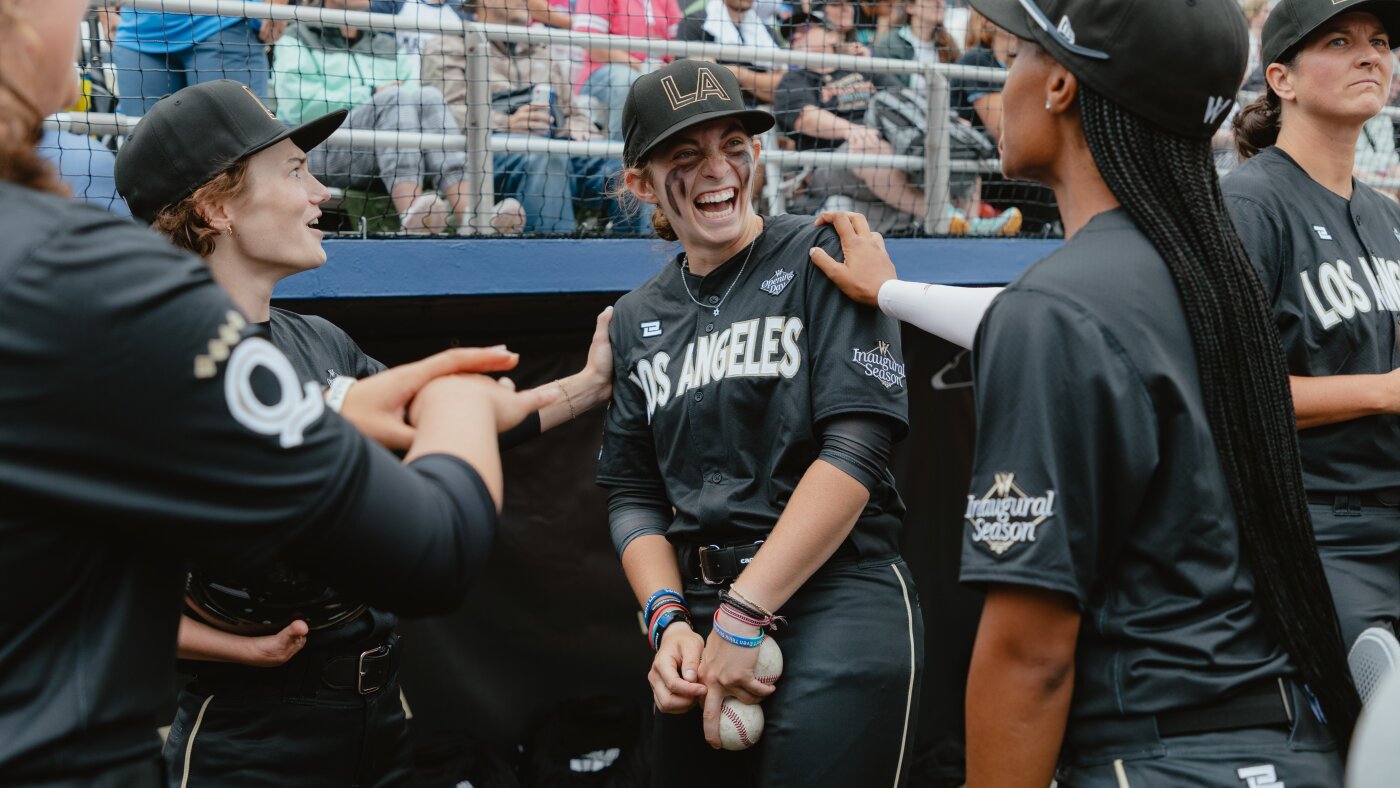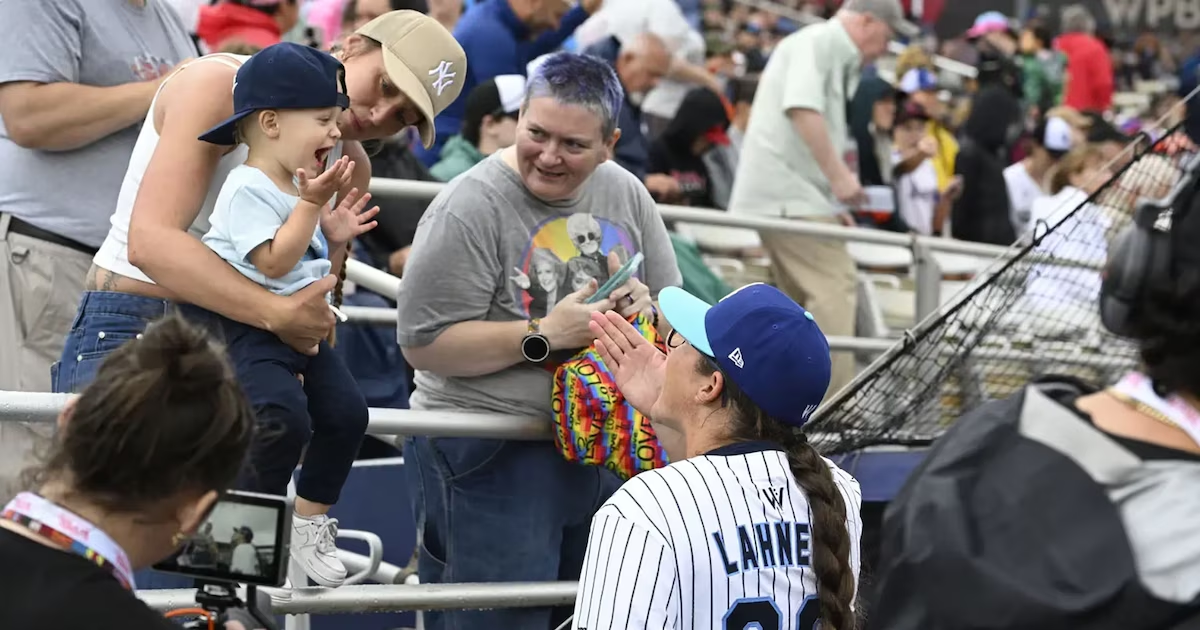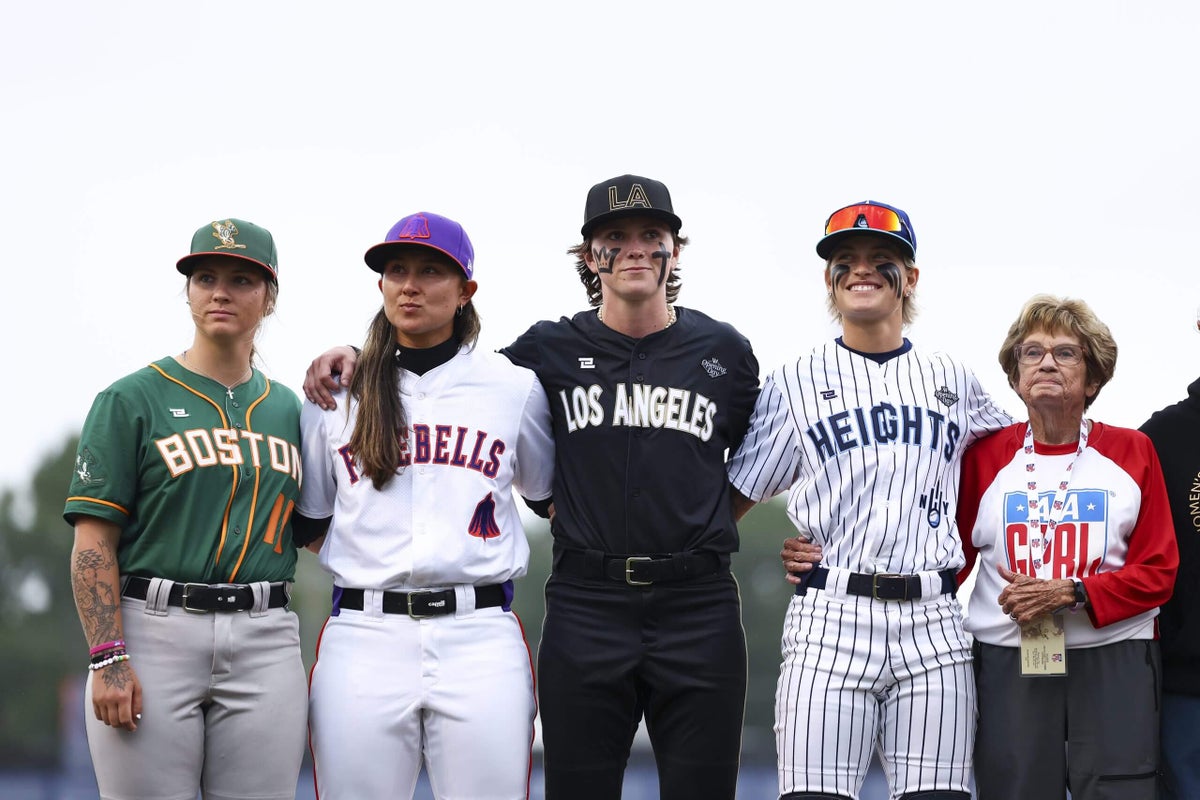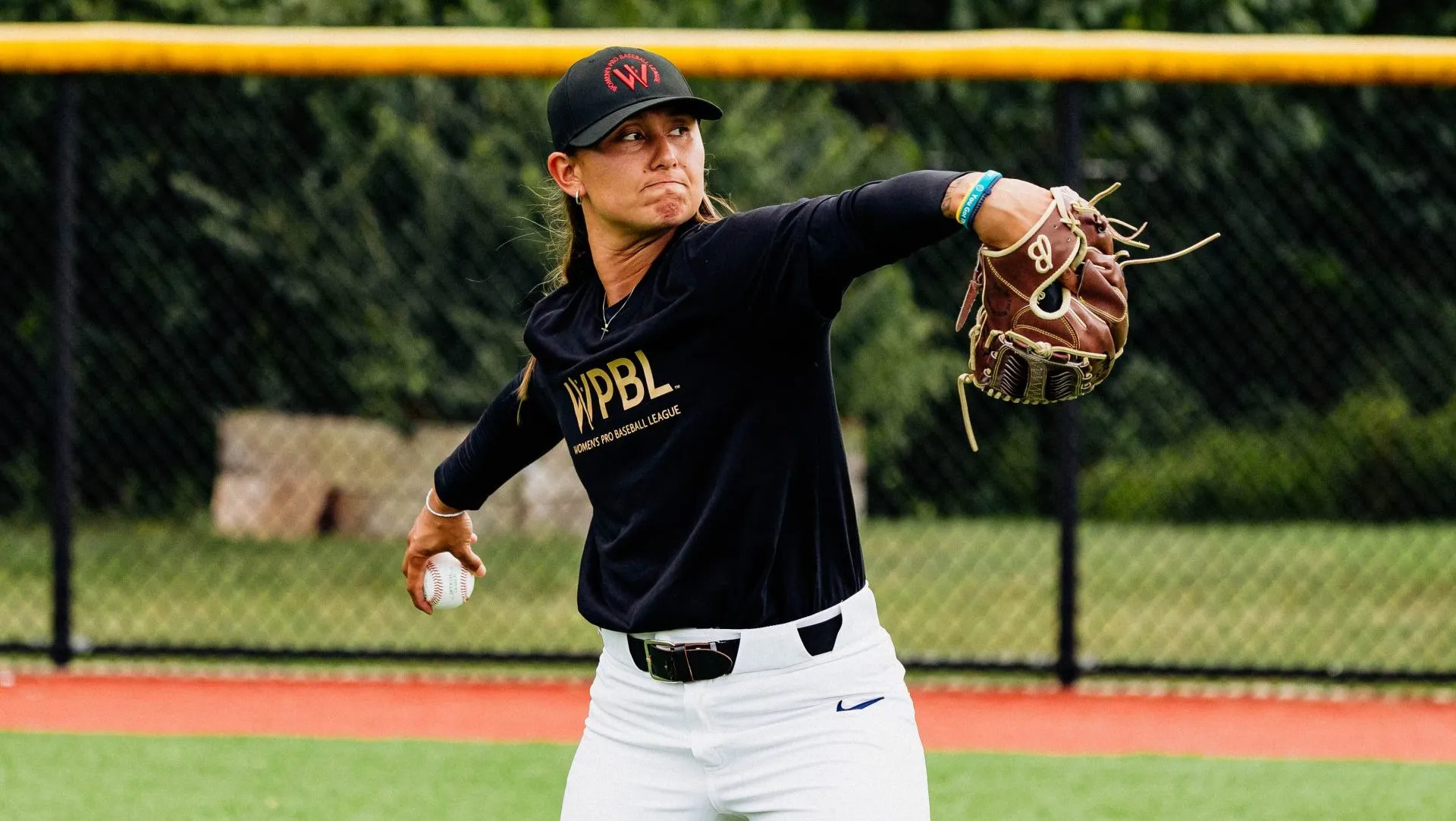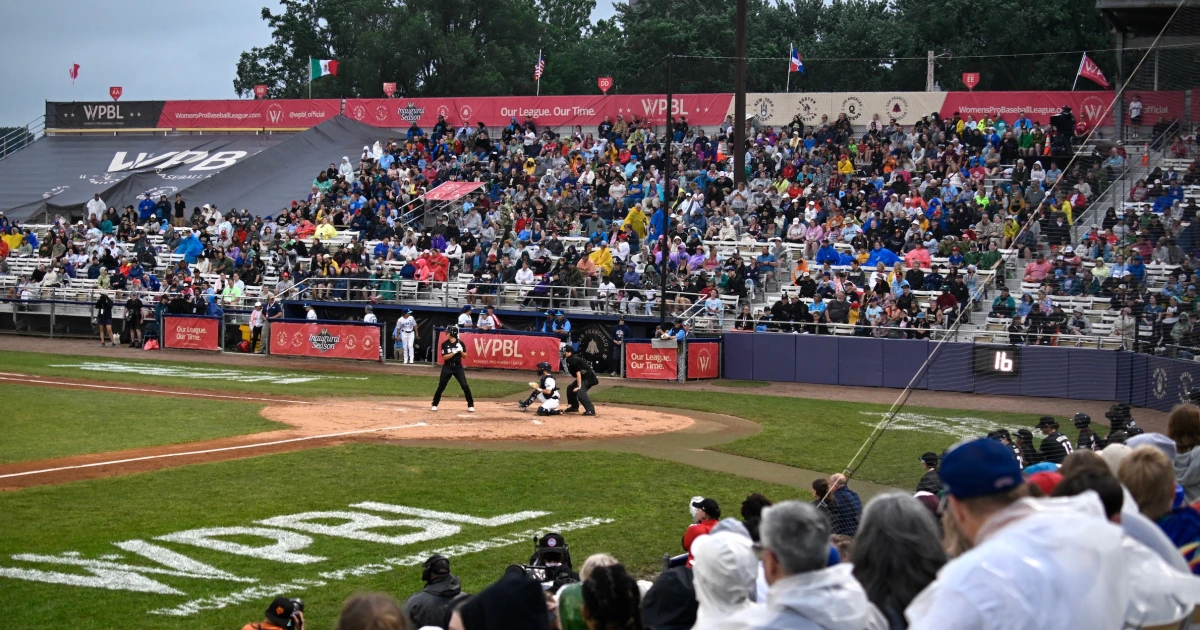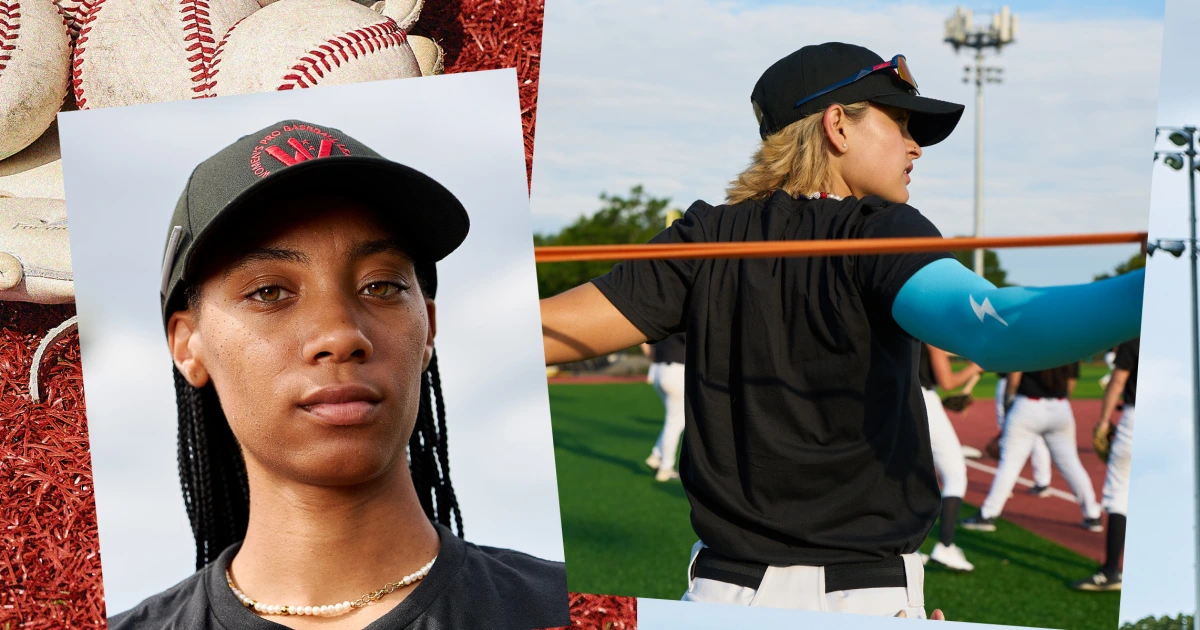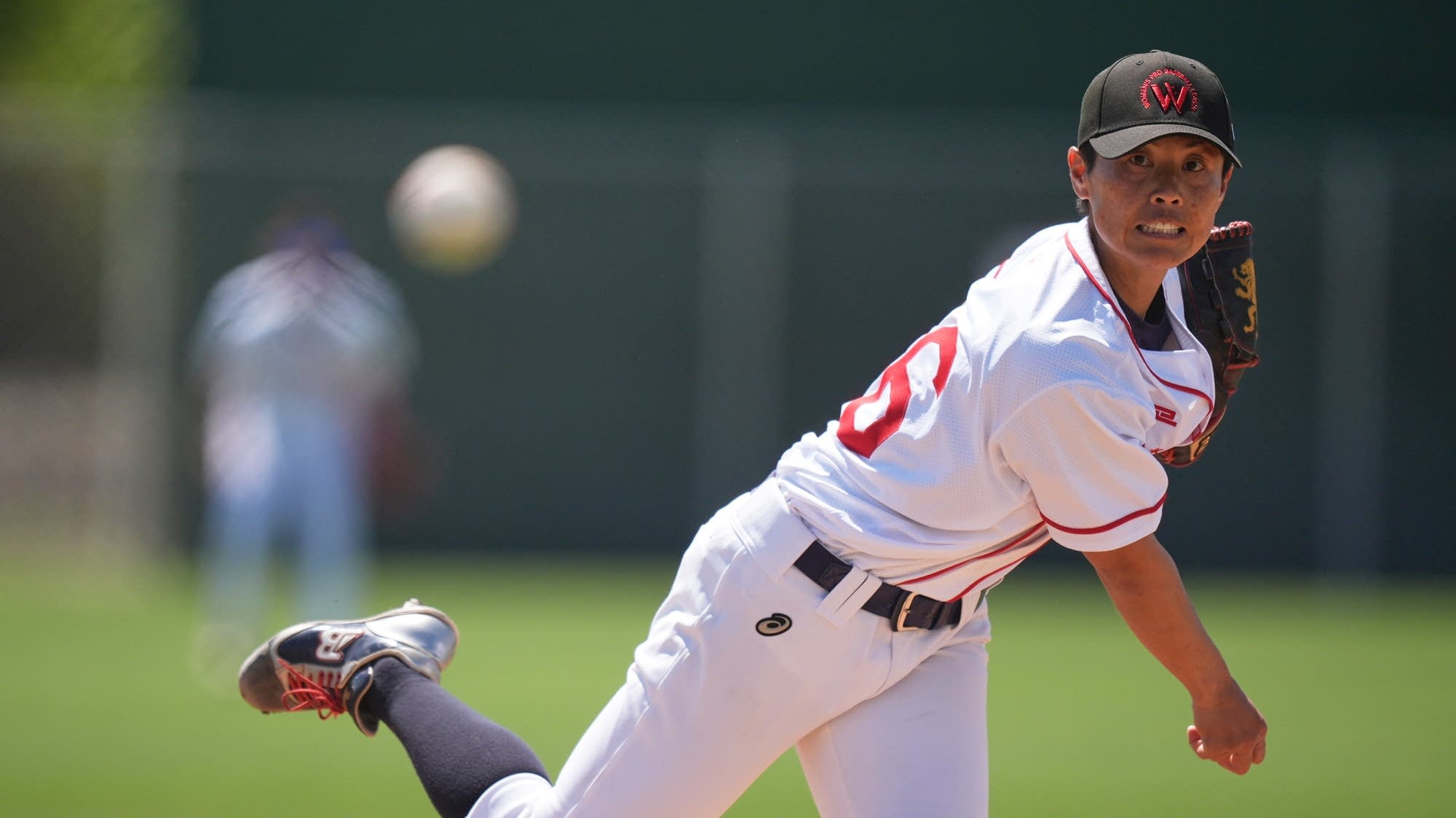
The first female American professional baseball league in over 70 years kicked off its inaugural season last weekend. The Women's Pro Baseball League, or WPBL, is made up of four teams for now from four different cities: Boston, New York, Los Angeles, and San Francisco.Ahead of Friday’s San Francisco Fireballs-Los Angeles Queens matchup, “Marketplace Morning Report” host Kimberly Adams spoke with Keith Stein about what it takes to launch a startup league. He’s co-founder and CEO of WPBL, as well as the co-owner and CEO of the Toronto Maple Leafs of the Canadian Baseball League.Kimberly Adams: So, what about this moment right now, either from a business or market perspective, made it a good time to start this league up now?Keith Stein: I think it's mind-boggling that we're only starting a league like this in 2026. We're talking about America's pastime, America's oldest sport. We had our tryouts last August in Washington, D.C., at the home of the Washington Nationals. We had over 600 women who came out at their own expense from 10 different countries. We're privileged to have this opportunity now. About 100 years ago, it was thought that women were not strong enough or athletic enough to play this game — absolutely no basis for that thinking. So we think this league is really important on so many different levels. But one of the things it's going to do, we think, is it's going to be a catalyst for the creation of a true baseball ecosystem for women to play baseball in this country.Adams: In this first year, you have four teams: Boston, New York, Los Angeles, and San Francisco. They are going to be playing all of their games this season in Springfield, Illinois. Why did you all choose this kind of model instead of one where the games are played in different cities?Stein: We structure our league as a single-entity ownership model, as opposed to having individual franchises owned by third parties. And specifically, we wanted to play at one site, a neutral site. There are so many benefits to having all the players in one place, one venue. It creates efficiencies; it also reduces wear and tear in this first season for the athletes. You know, travel is really hard, and from a business perspective, it's really expensive too, so we thought this was the strategic move. And we chose Springfield because that part of the country is really the cradle of women's baseball. It's where it all started. And of course, not too far away from us in Illinois, you have Rockford, which was the home of the Peaches and all of the teams in the original league. So, this was something we really studied long and hard, and we think we came up with the best possible plan.Adams: There's been a lot said about how expensive it is to go see professional sports these days, especially coming out of the World Cup. But with your league, the most expensive tickets are just $52. How did you decide on a pricing strategy?Stein: We want as many fans to have access to our league and our games as possible. We also believe philosophically, you know, it's not always easy for people to afford to go see professional sports. We're proud that they can buy a ticket to our game for $20. So, we really focused on affordability and at the same time our own economics.Adams: What's the long-term vision here? Teams eventually playing in home cities? More expansion?Stein: We will be playing in our home cities, I'm pretty sure, next season. So we will be in LA, San Francisco, New York, and Boston in 2027, and we will likely have at least two more expansion teams. So, we will be likely a six-team league next year. It's possible it could be eight, but again, we're all about building the right foundation.
Women's pro baseball is back
The first U.S. women’s pro baseball league kicked off its inaugural season last weekend. Hear from the CEO about what it takes to launch a pro sports league from the ground up.
647 words~3 min read