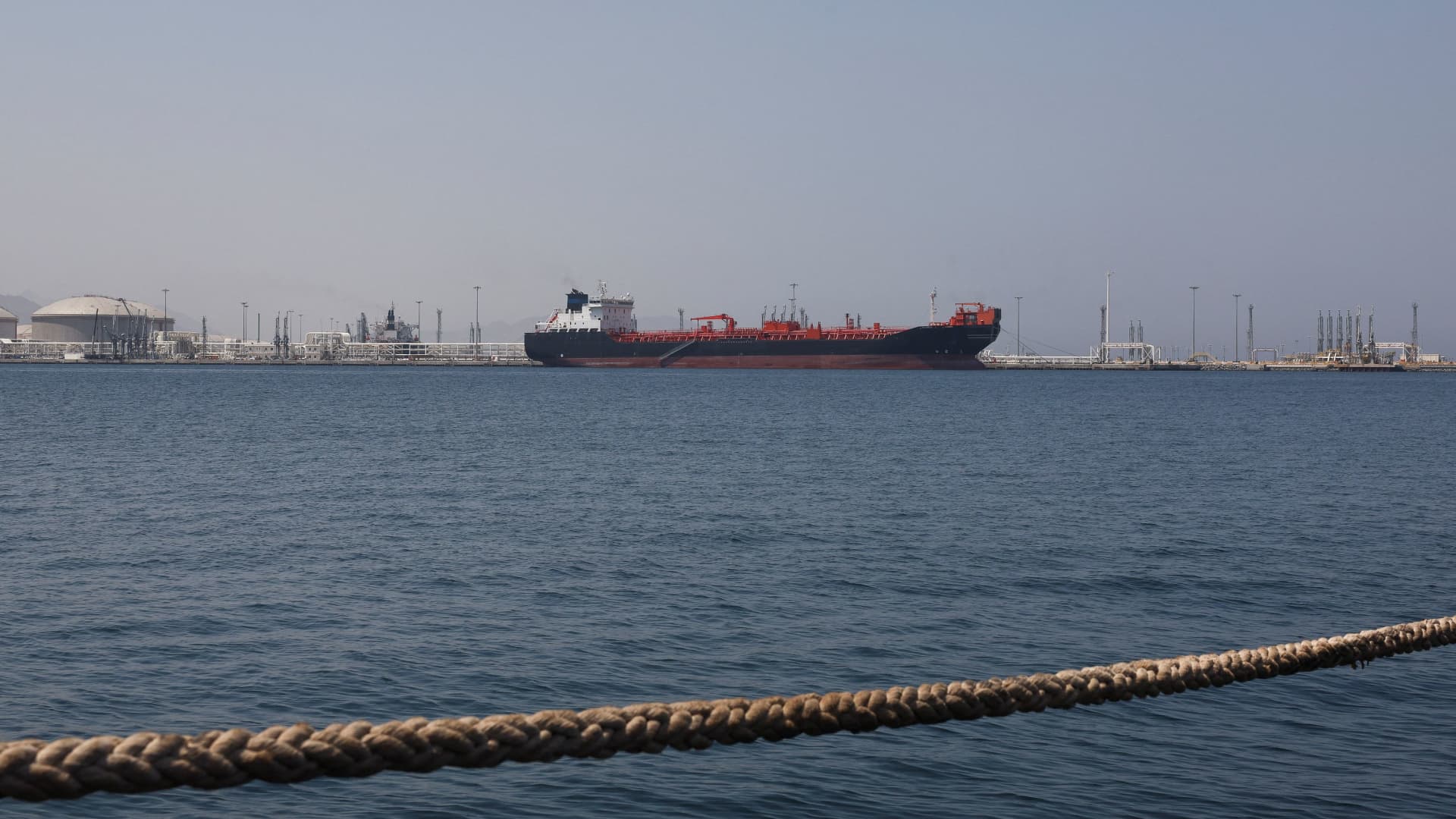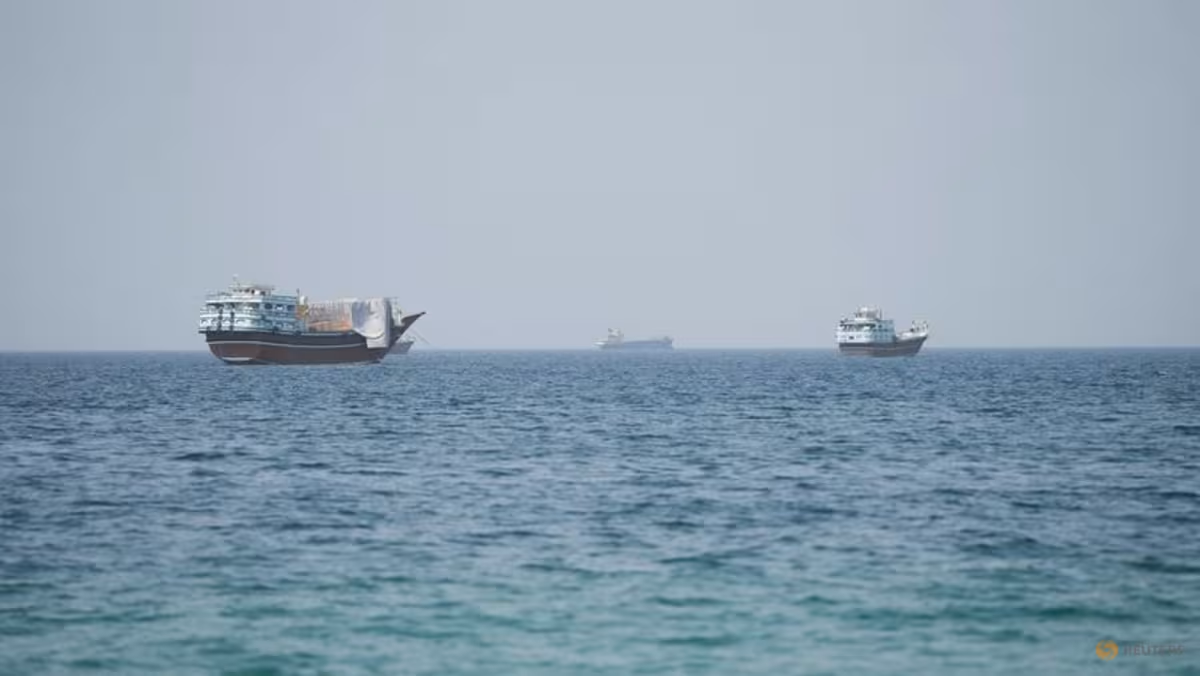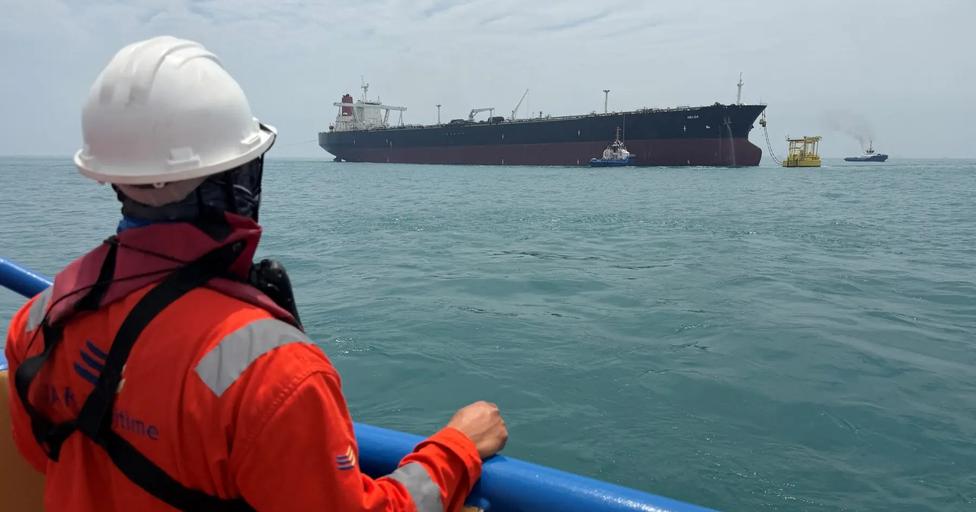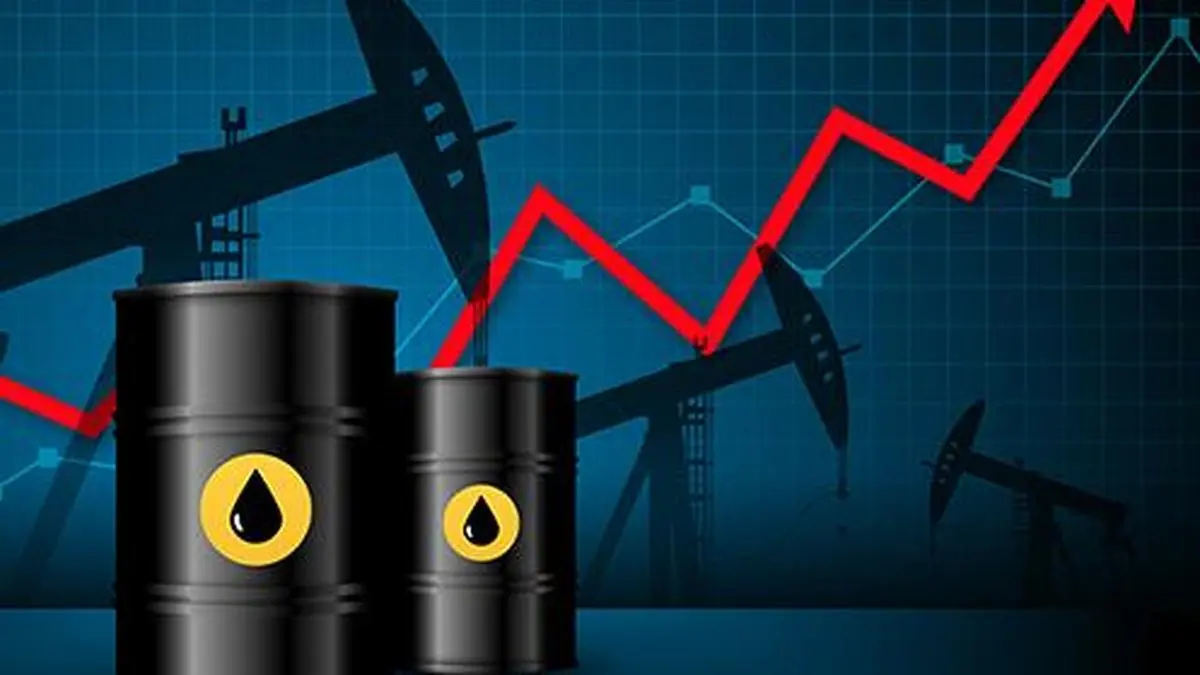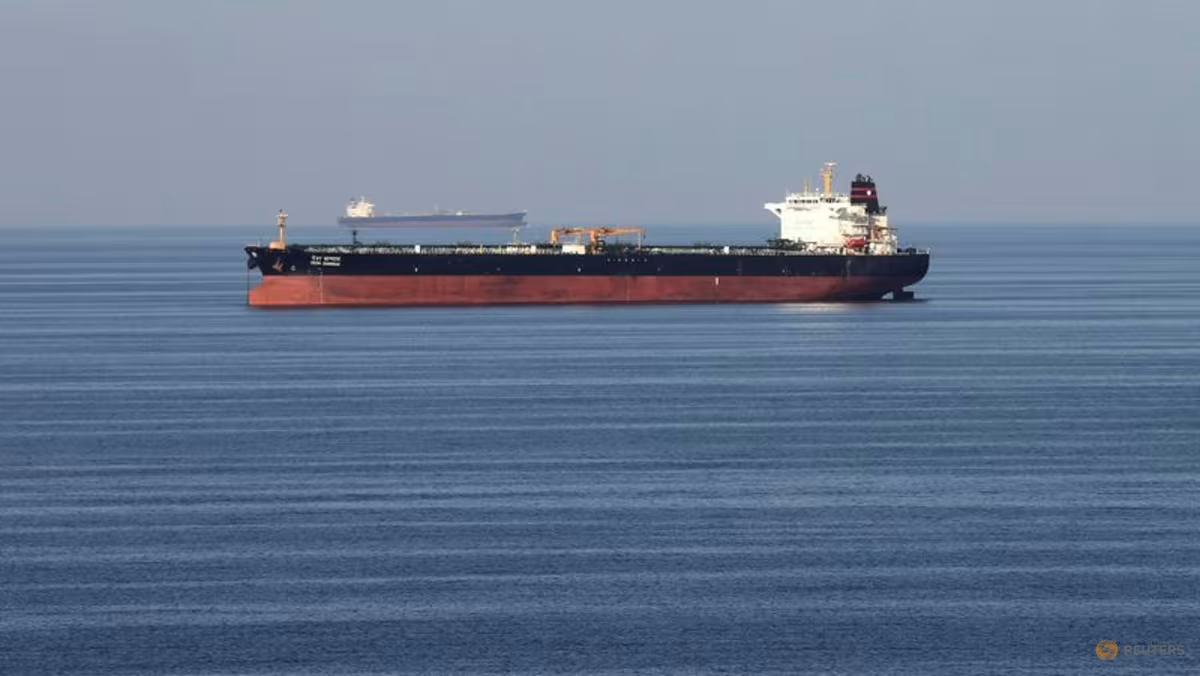
Global markets experienced a rise in crude oil prices alongside a decline in major stock indices on Friday, August 7. According to international news agencies, this trend was driven by diminishing hopes for a full reopening of the Strait of Hormuz and investor anticipation surrounding the upcoming U.S. employment report.
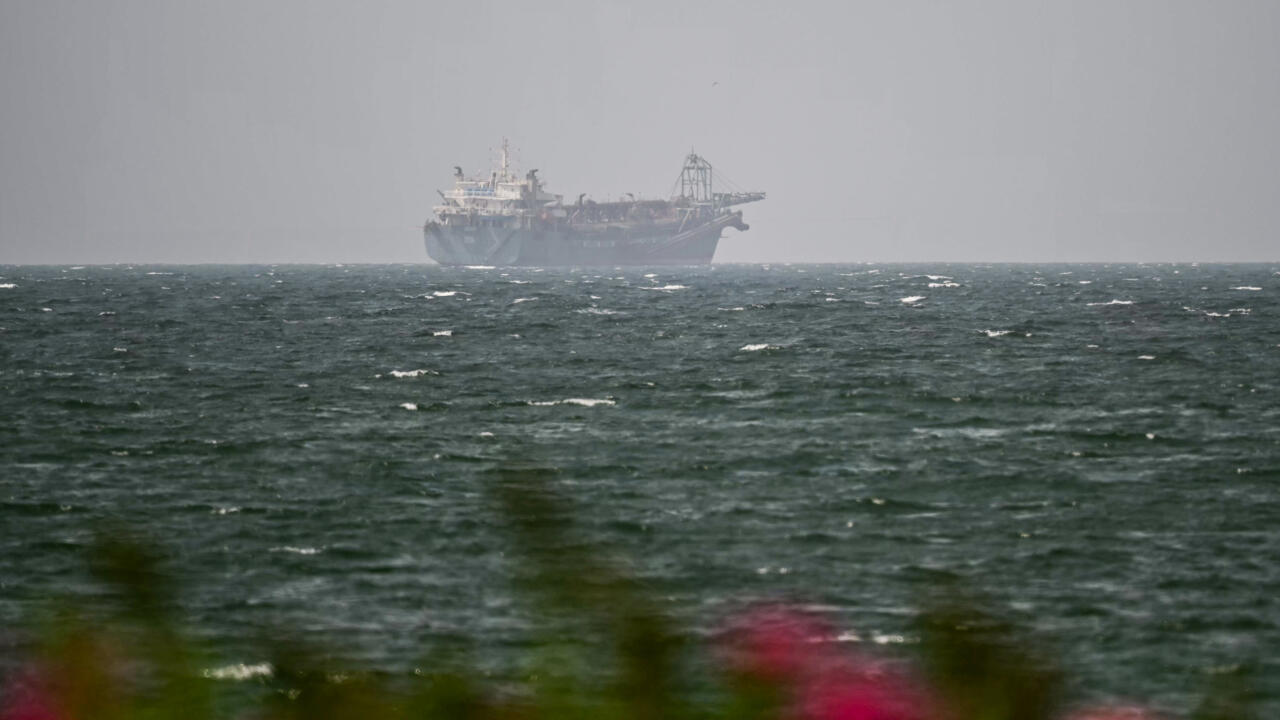
Agence France-Presse (AFP) reported that oil prices surged for a second consecutive day as uncertainty lingered over a potential transit agreement between the Islamic Republic of Iran and Oman, heightening concerns regarding persistent shipping constraints. Citing a report by the IRGC-affiliated Fars News Agency, AFP noted that under any proposed framework, Tehran intends to maintain a ban on American and Israeli vessels passing through the strait, a condition that market analysts say casts serious doubt on a full restoration of traffic along the strategic maritime corridor.
Concurrently, Reuters reported that a committee in the Iranian Parliament (Majlis) is deliberating a draft bill that would formally prohibit passage through the Strait of Hormuz for vessels belonging to the U.S., Israel, and other nations designated as “hostile” by Tehran.
As one of the world’s most critical energy transit bottlenecks, the Strait of Hormuz handles a substantial portion of Middle Eastern crude oil and liquefied natural gas exports, making any operational disruption a direct driver of global energy price volatility and financial market fluctuations. Alongside maritime security concerns, global investors remained focused on the forthcoming U.S. jobs report, an economic indicator expected to influence future interest rate decisions by the Federal Reserve.