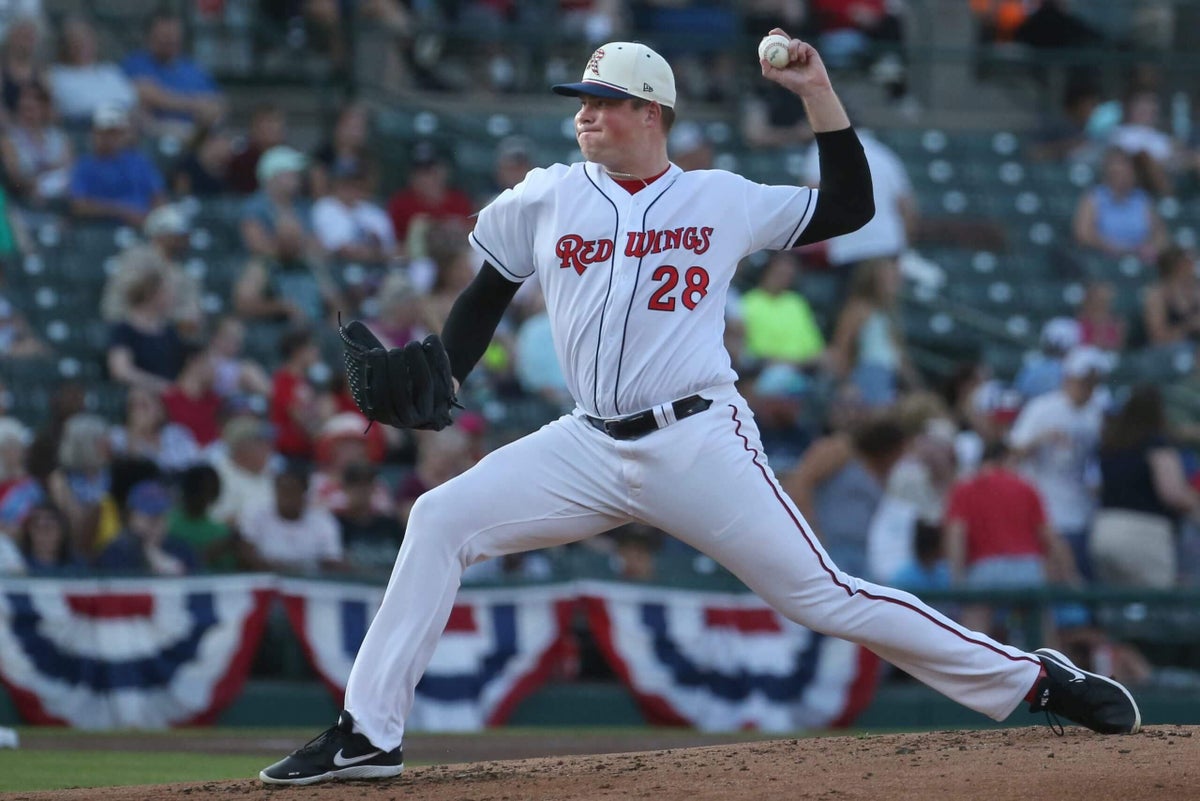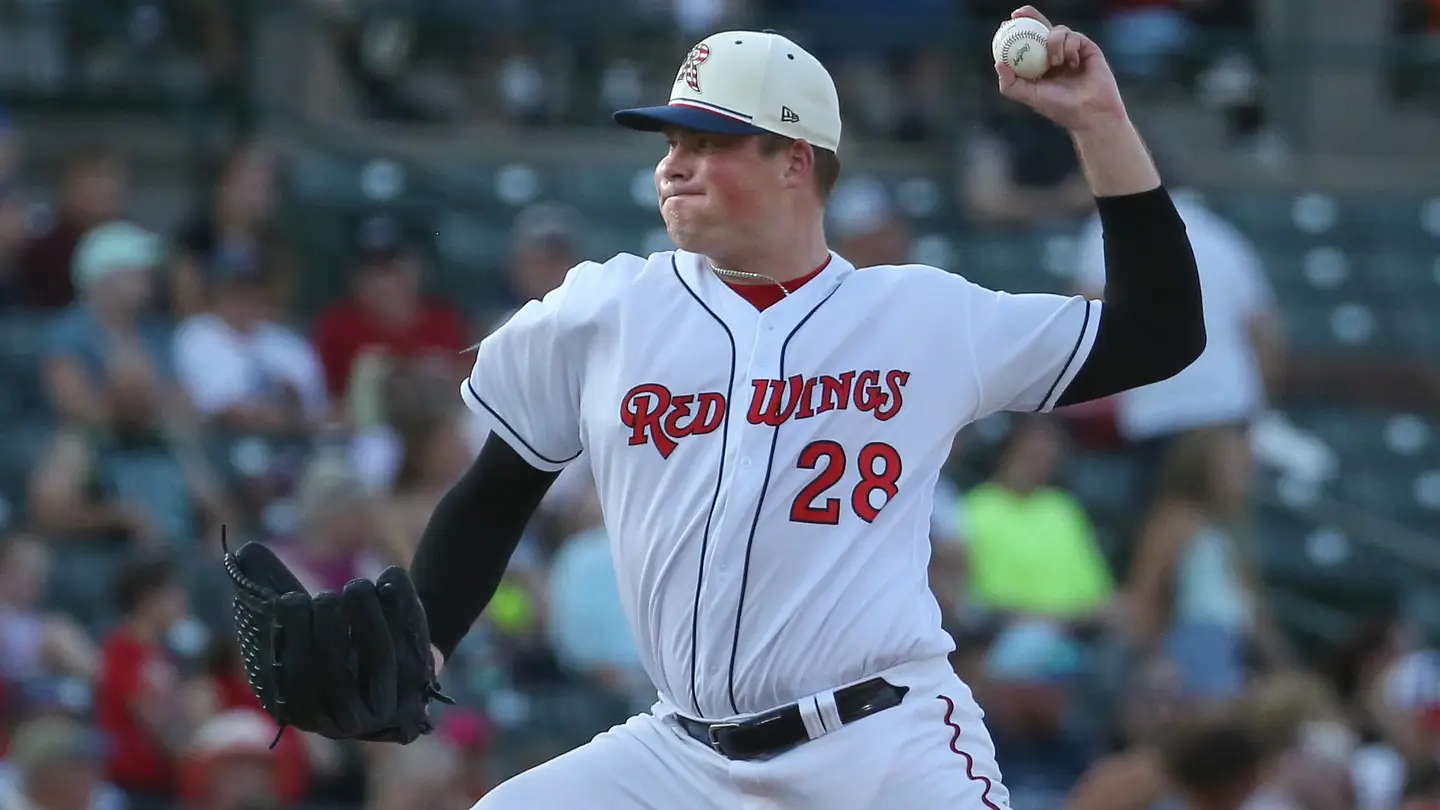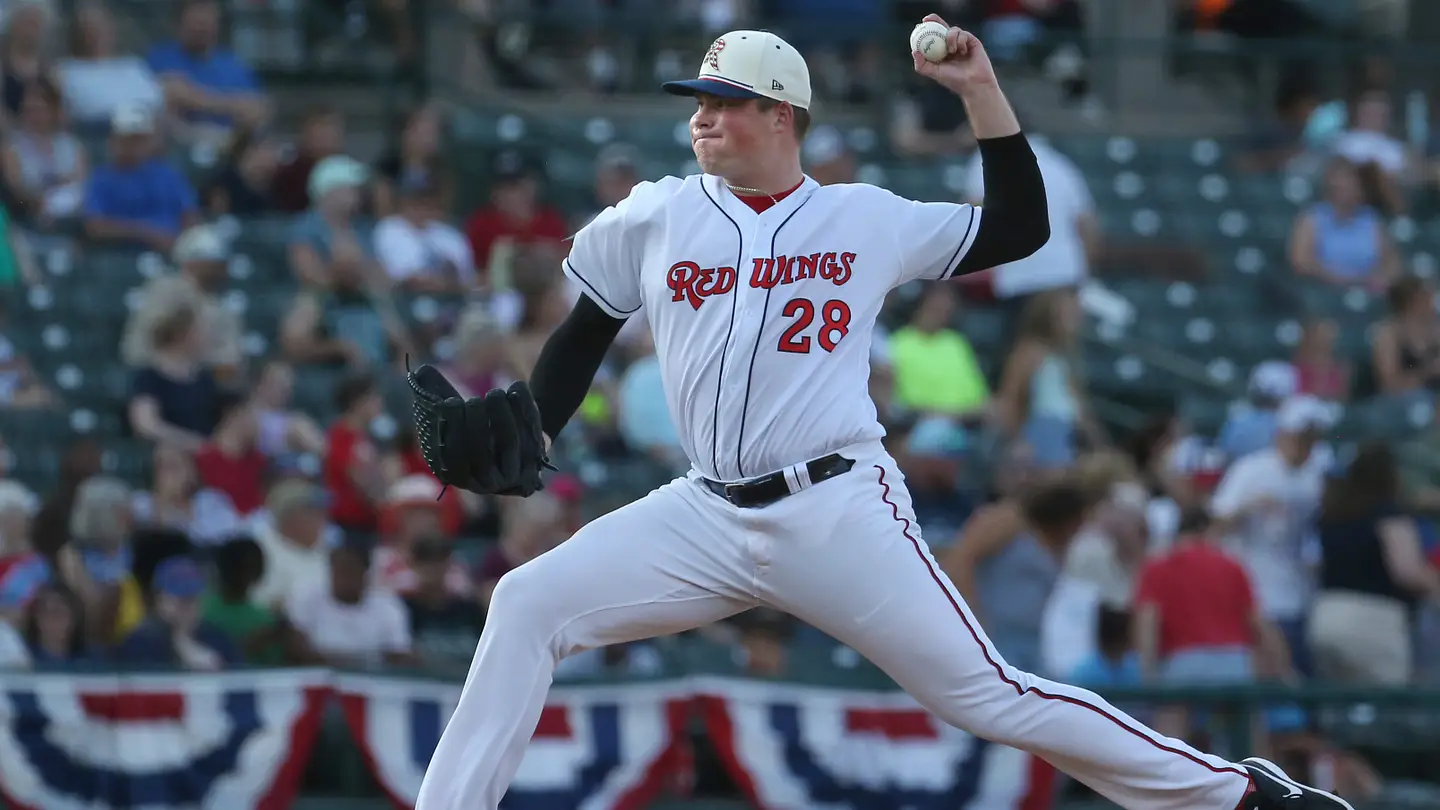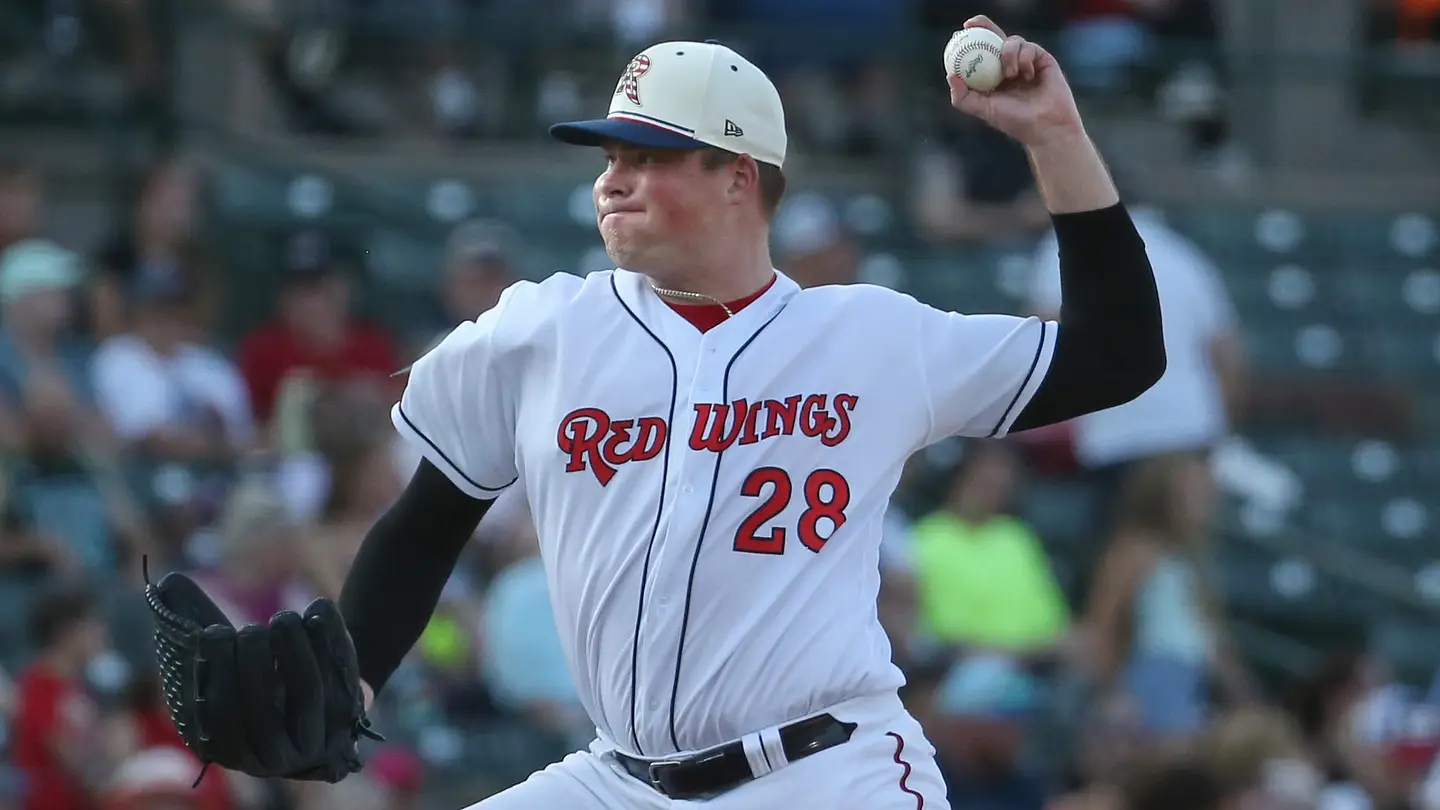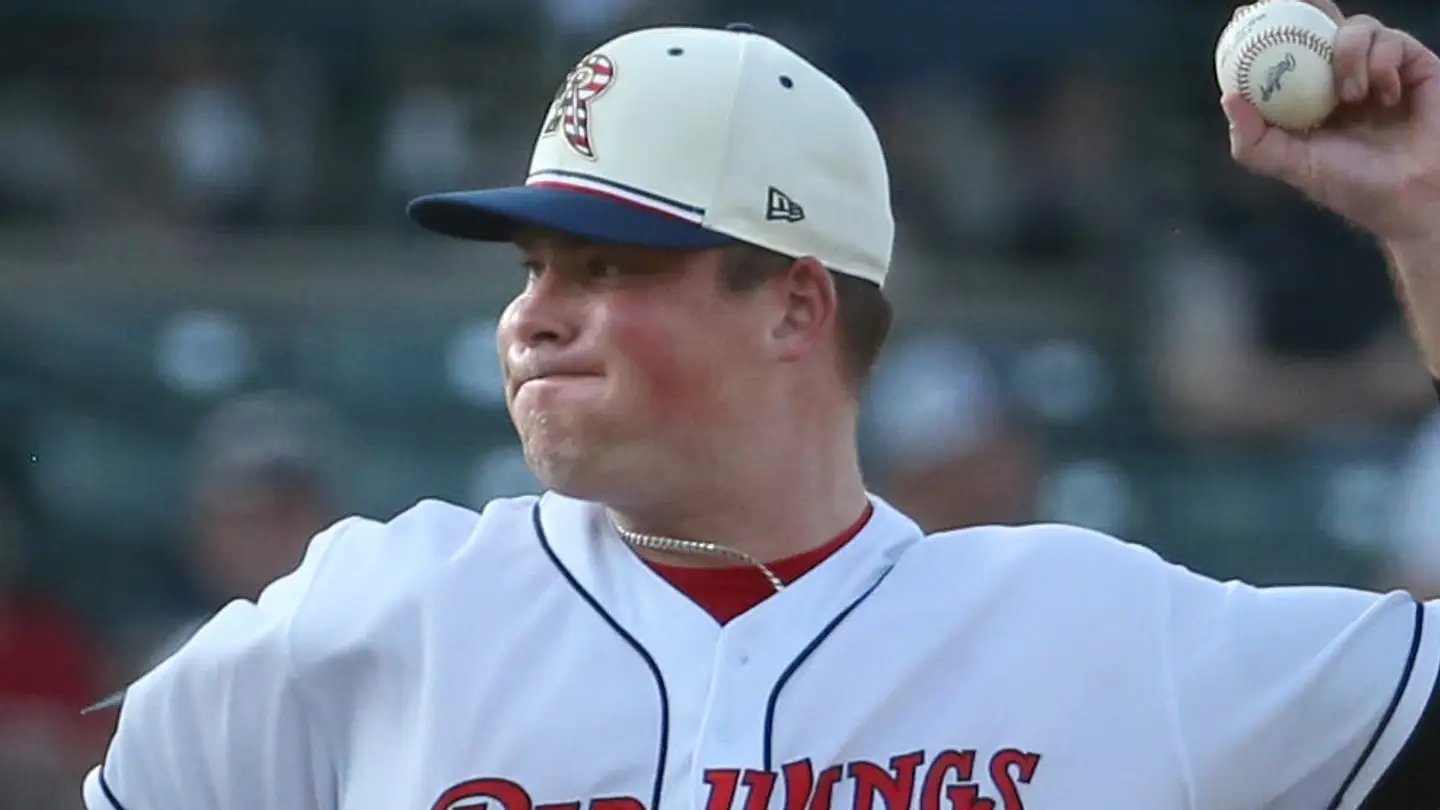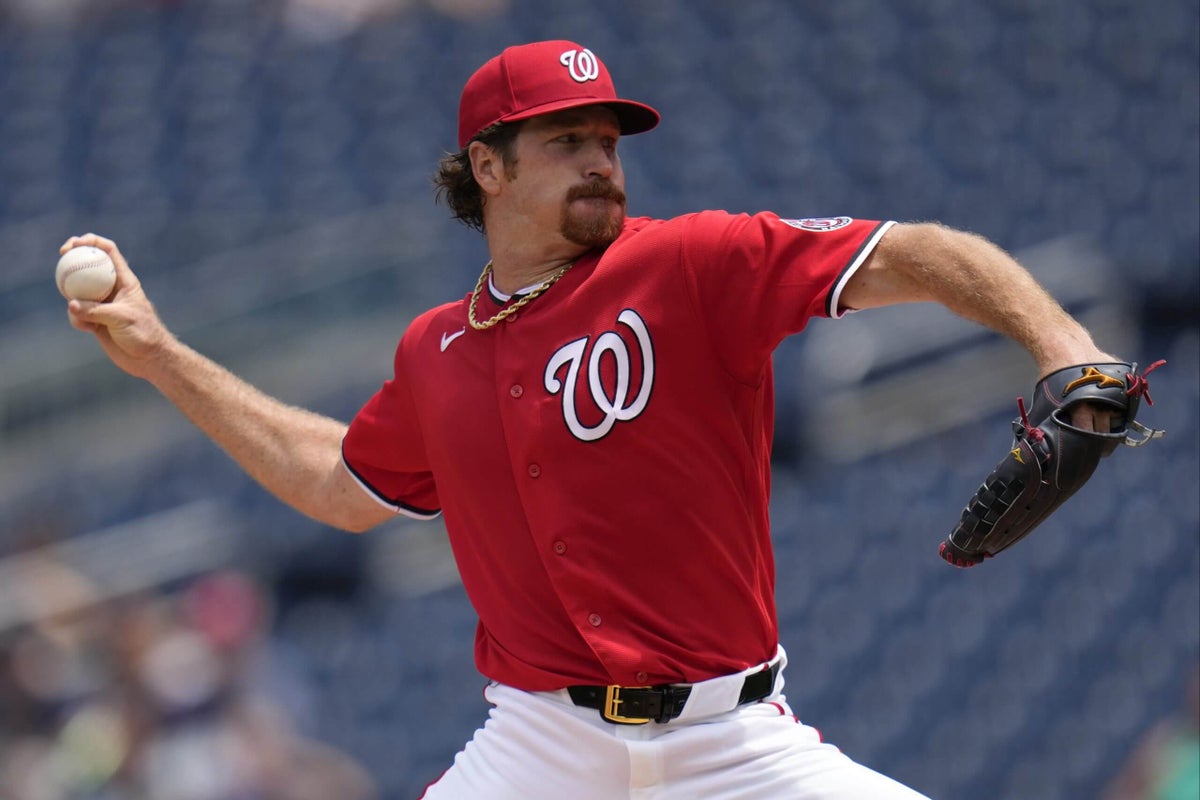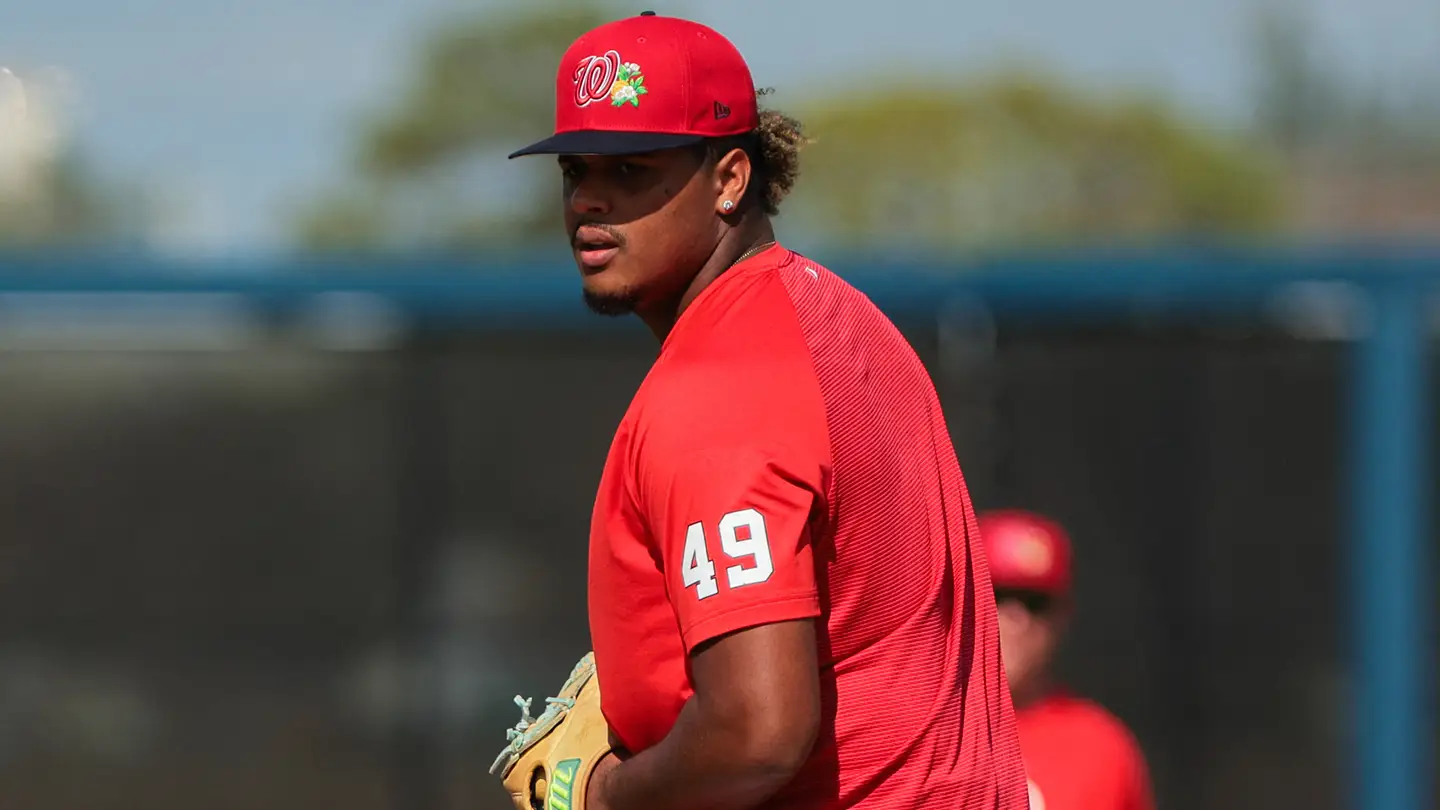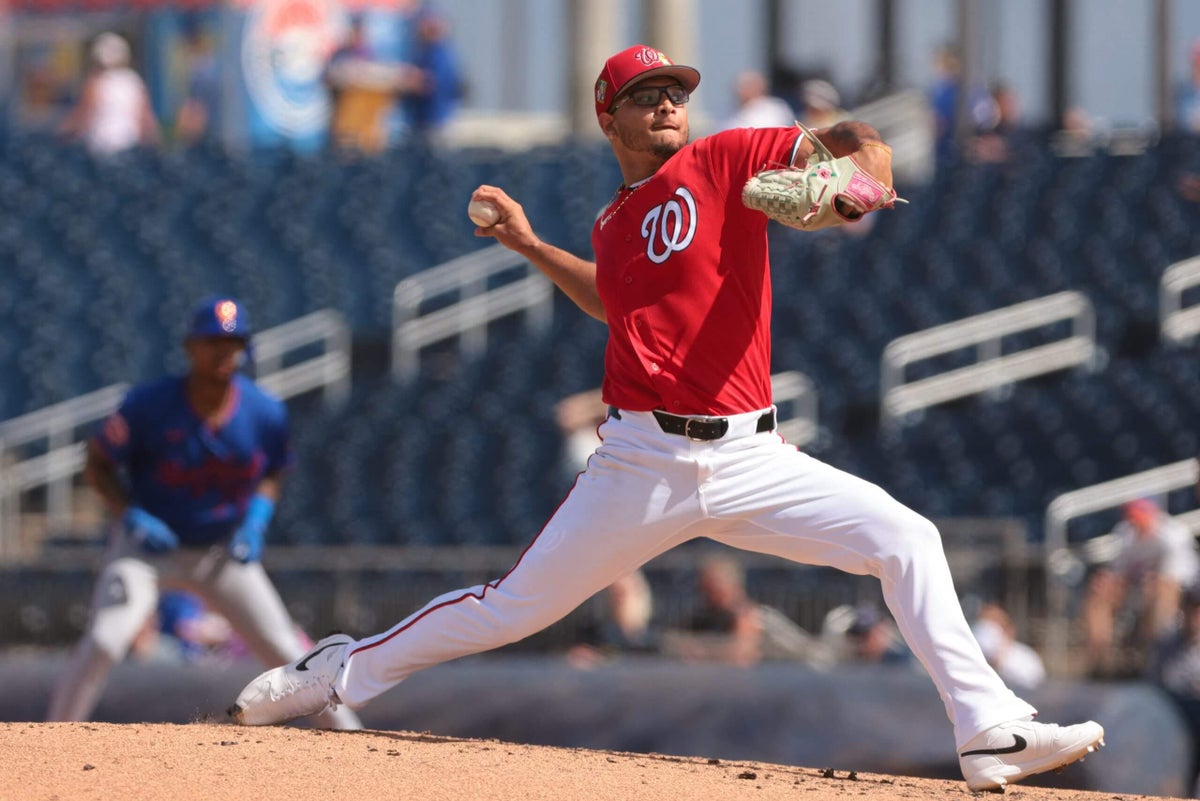
PHILADELPHIA — No one year hinges on the status of two Triple-A starters, but the charm of a season’s final two months certainly can.If you don’t believe righty Luis Perales and lefty Jackson Kent have that sort of sway, consider Thursday night.The day after Miles Mikolas bunted the Washington Nationals to victory (this is an exaggeration), he allowed the third-most hits in team history (this is not). Two weeks after the Nationals were squarely in the hunt (one game back of the final wild-card spot), they lost eight of 10 games (and sold three key players at the deadline). This captivating season, while not lost, has never been more about the season that comes after it.Making matters worse: The Nationals paused Connelly Early’s throwing program after their top deadline addition felt minor forearm tightness during a live batting practice session in Florida on Tuesday. Though he did not need an MRI and manager Blake Butera said the organization has limited concern, his chances to pitch in Washington by the end of the year have thinned.So, back to the two farmhands who not only look like big-league starters but, in the eyes of multiple people in the organization, could hold their own in the majors right now.Who won and lost the MLB trade deadline?Andy McCullough and Johnny SweetNeither Perales nor Kent is expected in the clubhouse for Friday’s game against the Cincinnati Reds. Neither, though, is far off barring an unforeseen scenario, according to multiple people within the organization who spoke on the condition of anonymity because plans are subject to change.Here’s how the organization got them ready:Luis PeralesThis organization loves incentives.In Washington, for instance, there was a challenge between Luis García Jr. and Keibert Ruiz to see who could draw more walks by the end of the year. In Rochester, pitching director Grayson Crawford told Perales he’d buy him dinner if the flamethrowing righty could strike out 30 percent of right-handed batters over a three-start span.It sounds silly to say, but for a guy who sits 99 mph, whose stuff Nationals catcher Harry Ford called “devastating,” Perales was not striking out very many hitters.After carrying a 15 percent strikeout rate against righties, he K’d 36 percent of the batters he faced over those three starts. Then, as he walked back to the dugout after his final strikeout, he told the coaches something that effectively communicated they better start setting the table.“Paul (Toboni) talks a lot about making the scoreboard visible,” Crawford said. “The scoreboard can be a lot of different things. We just try to find ways to create an environment that guys enjoy being part of, but also that they can hold themselves accountable to and push themselves in.”Perales has some of the nastiest pitches of any starter in the upper minor leagues, but there was more to refine. The Nationals put two dummies in the batter’s box during bullpens, so he thought to attack at the top or bottom of the zone. They changed the size of the strike zone (outlined with strings) in those same bullpens so he got a better sense of what a good pitch near the bottom or top of the strike zone looked like. The Nationals have also sharpened his routine and helped him become more athletic, allowing him to make better physical adjustments pitch to pitch. Now, on days where he doesn’t feel his best, he can still locate as needed.It’s probably malpractice that it’s taken this long to mention his splitter. In the lower levels, he overpowered hitters with velocity. In July, he used what several people in the organization called his “special” pitch 39 percent of the time. He carried a 1.46 ERA while doing so.The arsenal is far from perfect. He couldn’t carry his velocity late into a start Thursday and got tagged for five earned runs. The walk rate could improve with maturity. And still, the top-line metrics suggest he might be OK: Perales is carrying a 3.76 ERA in 88 2/3 innings this year.Jackson KentKent pitches so much like a big-league starter that it is a curiosity why he is not up in Washington yet. The cliches that stick to those who last in this league — elite pitchability, competitiveness, self-starter traits and such — especially apply to the 2024 fourth-rounder.He could still grow in Rochester. Butera said the Rays often practiced patience with their minor-league pitchers and were often rewarded. For Kent, the issue is clear: His velocity spike from earlier this year hasn’t held, at least not to the degree it could have.After touching 95 mph with some regularity earlier this season, Kent has hit that mark just twice in his last five starts. While fastball velocity is not everything — though it can occasionally feel that way for an organization that previously struggled to develop it — it is a bellwether for his production. When he throws that pitch harder, everything else is sharper.There is a plan to get him to the majors, to shrink the gap between levels.“Something we do talk a lot about is major league readiness, and what does that look like,” Crawford said. “With mine and Simon’s relationship, it also helps, where we’re asking, ‘What are we seeing? What do we need to be better at? How can we think ahead?’”The team has thrown Kent on five days’ rest on multiple occasions this year, something that is uncommon in the minor leagues. It is at least notable that the Nats listed “TBD” for their probable starter on Sunday.That would give Kent (3.72 ERA in the minors this season) just four days’ rest from his most recent start. A risk, if they take it, for a debut, though one that could be mitigated by bringing him up after Monday’s off day.
Looking for hope in Nationals’ near future? Pitching help should be on the way
Minor leaguers Luis Perales and Jackson Kent look like big-league starters, and might be able to hold their own in Washington right now.
960 words~4 min read