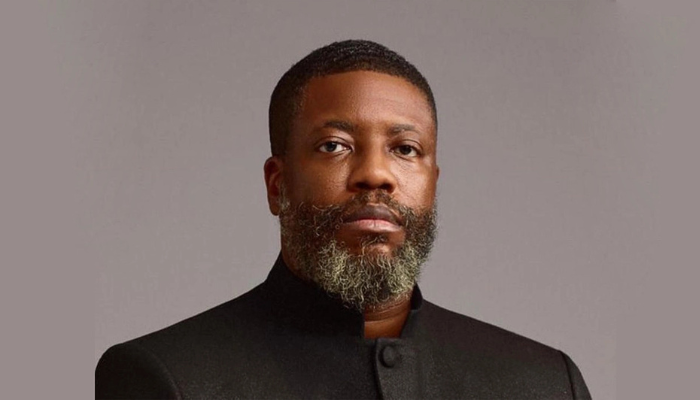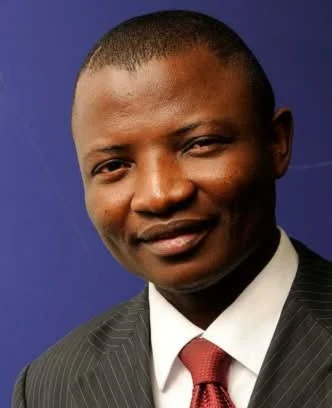
Director, Inter-Campus and Public Affairs, Dr Toyese Dahunsi
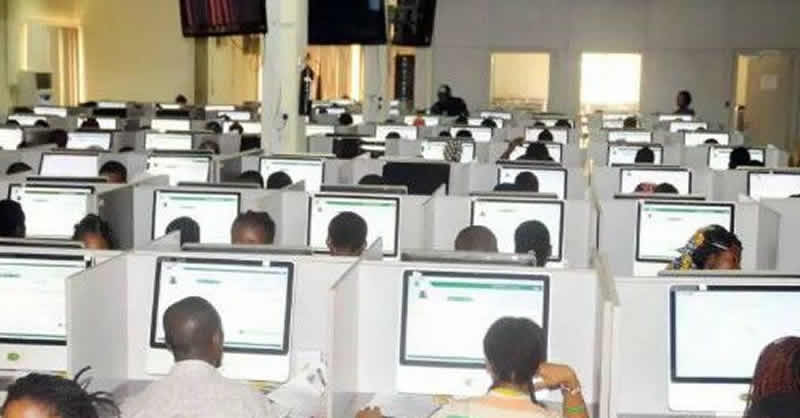
It is another season of admissions into Nigeria’s higher educational institutions. After the release of Unified Tertiary Matriculations Examination (UTME) results earlier in the year, one next stage in the admission cycle is the post-UTME screening exercises conducted by universities, polytechnics and other institutions in the country. What is called post-UTME screening exercise today started during the 2005/2006 academic sessions of most higher educational institutions in the country. It was a government-backed interventionist policy to stem the sharp rise in examination malpractice associated with the Joint Admissions and Matriculation Board examinations, fueled by “miracle centres” where candidates scored artificially high marks. It was purposely designed as a quality control mechanism, a verification system to confirm that candidates’ actual abilities match their JAMB scores. In practice, each institution designs its own tests, ranging from computer-based tests and pencil-and-paper examinations to physical credential screening and oral interviews.
There is no doubt that this exercise has its benefits and advantages. For example, it has been argued to be a superior predictor of academic success; it has drastically reduced attrition rates at entry level; and, it has exposed the UTME performance gap. What is worrisome, however, is that even after 20 years, no university has taken the bold step to critically review the relevance, cost-effectiveness and associated socio-economic and policy criticisms of the exercise since its inception. Higher educational institutions are supposed to be drivers of knowledge, and should, themselves, be driven by knowledge. Where universities tenaciously hold on to a single approach to solving same problem for two decades even in the face of the ever-changing socio-economic and technological realities, such institutions can never be ranked favorably among the comity of global institutions. It is unfortunate how universities see this exercise as an annual ritual. Quite funnily, you see professors managing long student queues for days, sweating profusely to match candidates into examination halls. You even see Vice-Chancellors moving round jubilantly with journalists to show-case how the exercises are calmly conducted. What the media do not show, however, is that in this age, candidates still line up under the sun for hours waiting for their turn to write examinations, and that most of the candidates sleep at motor parks and risky open spaces waiting for such turns.