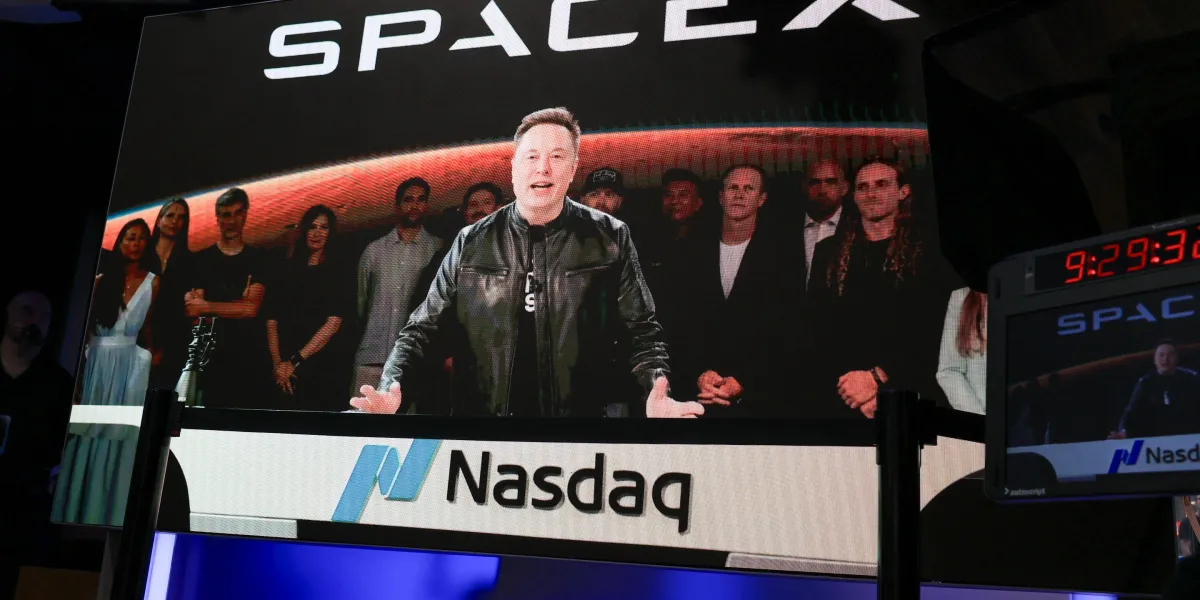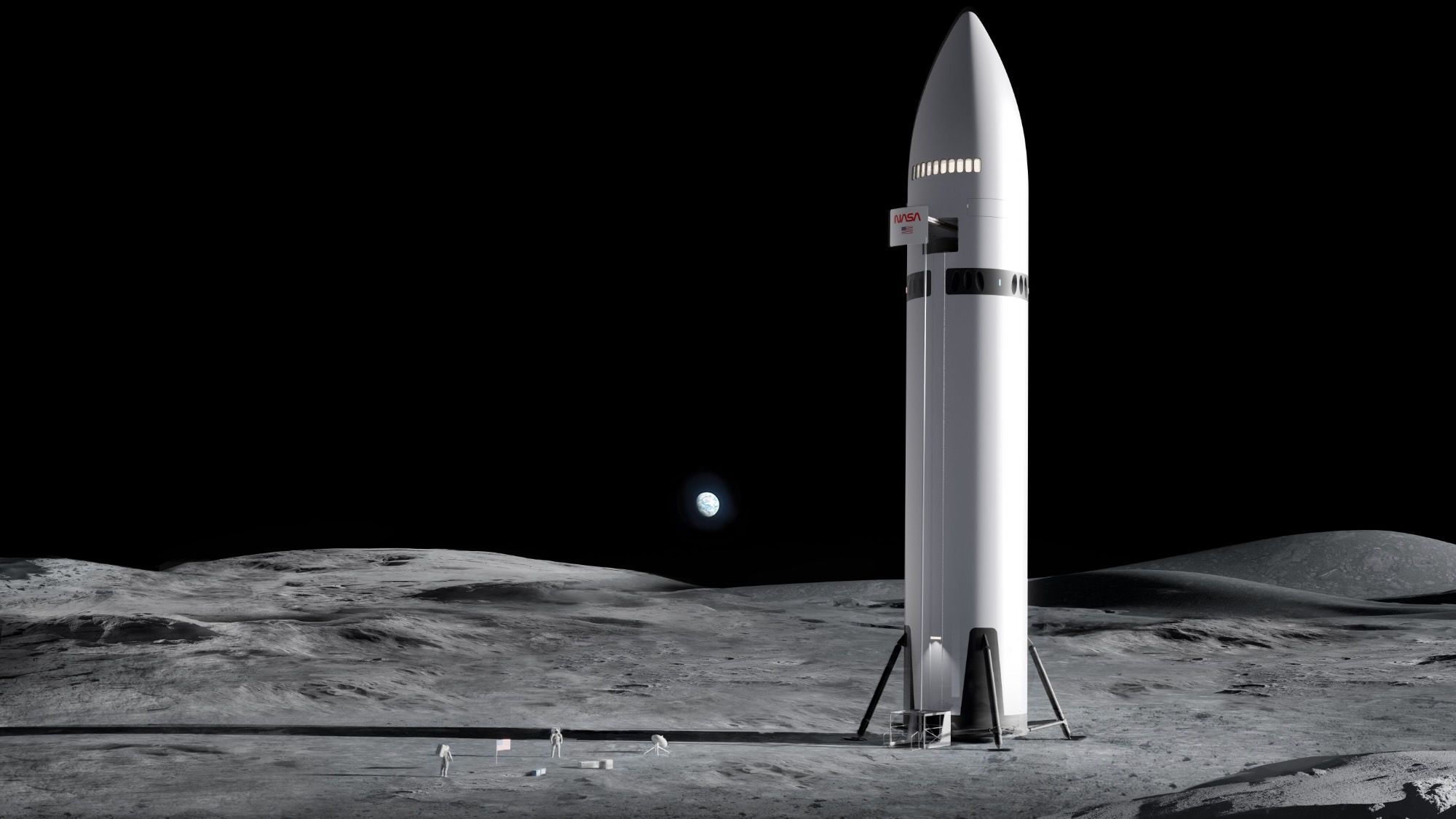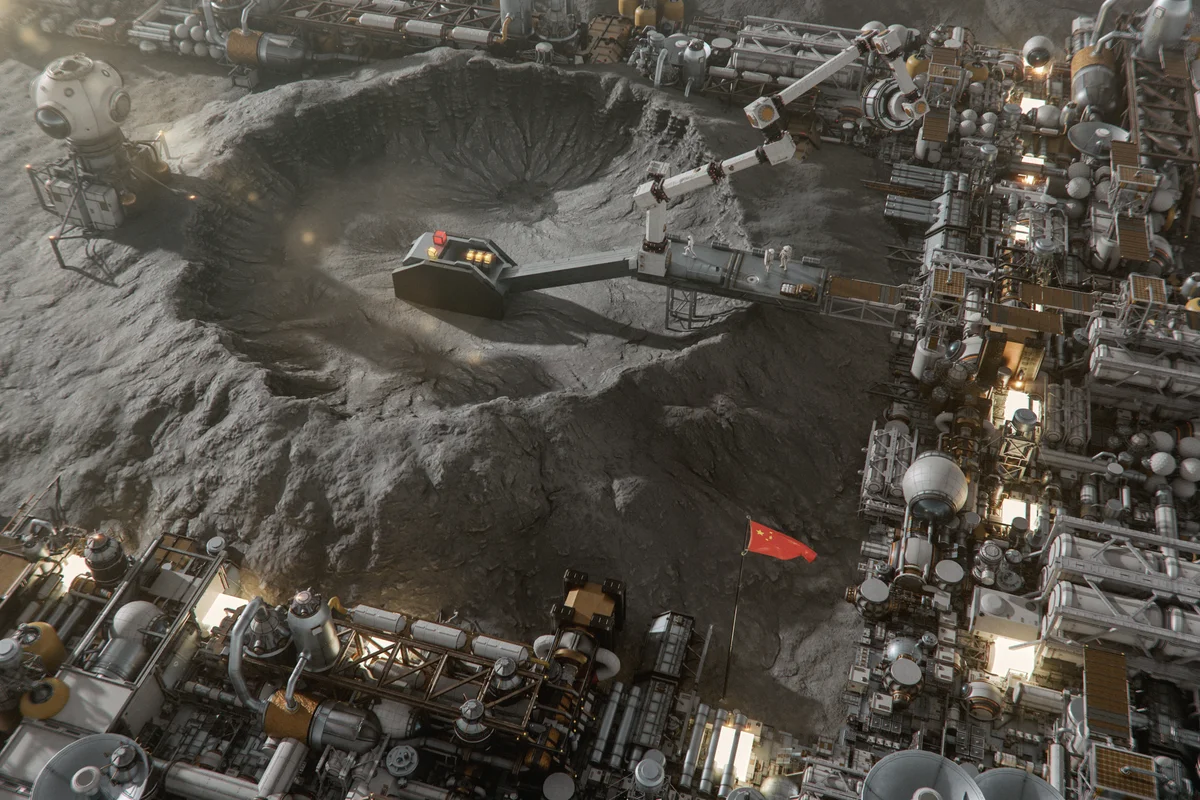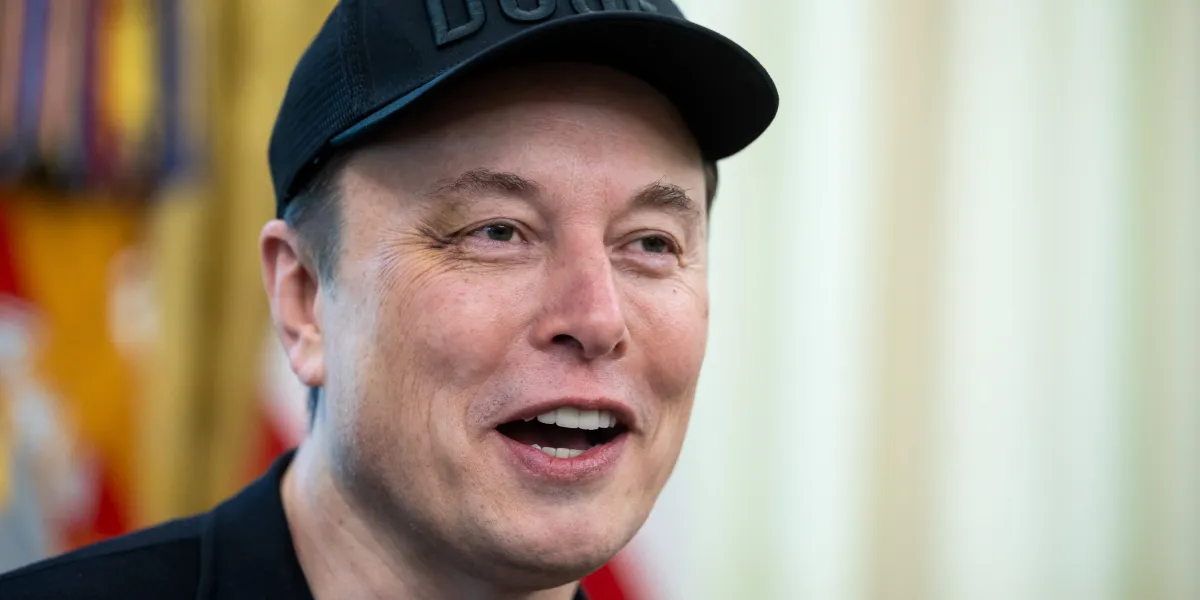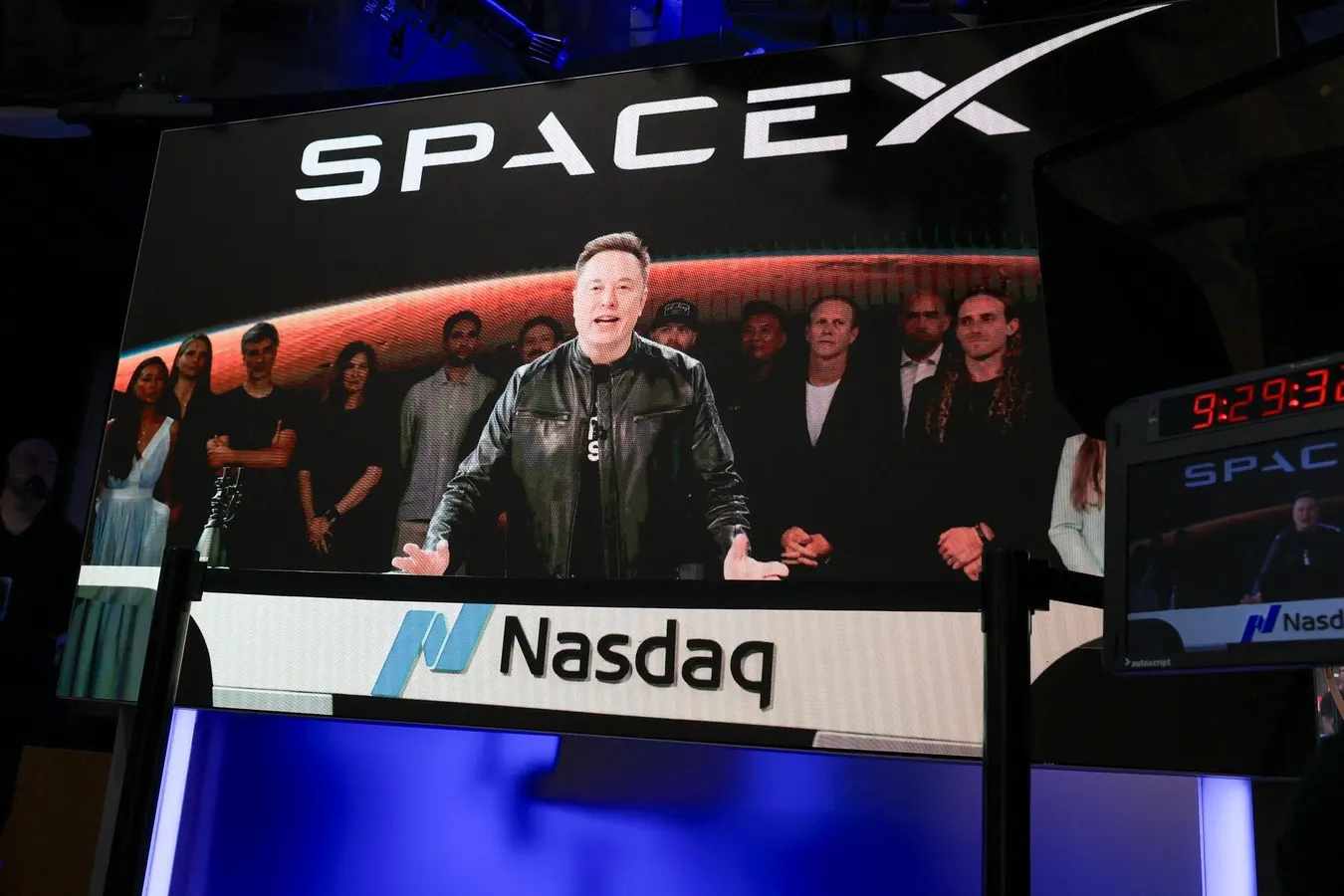
“I know this sounds totally nuts,” Elon Musk told investors midway through SpaceX’s first earnings call as a public company, Fortune reported. He then laid out a plan to put a robot workforce on the Moon and scale up SpaceX’s manufacturing there. “We are going to land a lot of tonnage on the moon,” he said. “We’re going to build the factories on the moon.”
The idea is not a stray remark. It runs through the regulatory filings SpaceX lodged before its record-breaking IPO in June, in language far drier than Musk’s.
What the filing actually says
SpaceX says it intends to establish “lunar-based manufacturing capabilities, including factories to produce large-scale AI compute satellites.” The method is to mine the Moon’s regolith, its dusty surface layer, for raw minerals such as aluminium, titanium, and silicon. Chips and other light parts would ship from Earth. The bulk of each satellite would be built on the Moon itself.
Getting the finished satellites to space is the other half. SpaceX describes a “lunar mass driver,” an electromagnetic launcher that flings payloads off the surface without rockets. It ties into a bigger goal the filing calls a petawatt-scale constellation of orbital AI compute, which the company wants to start deploying as early as 2028.