F
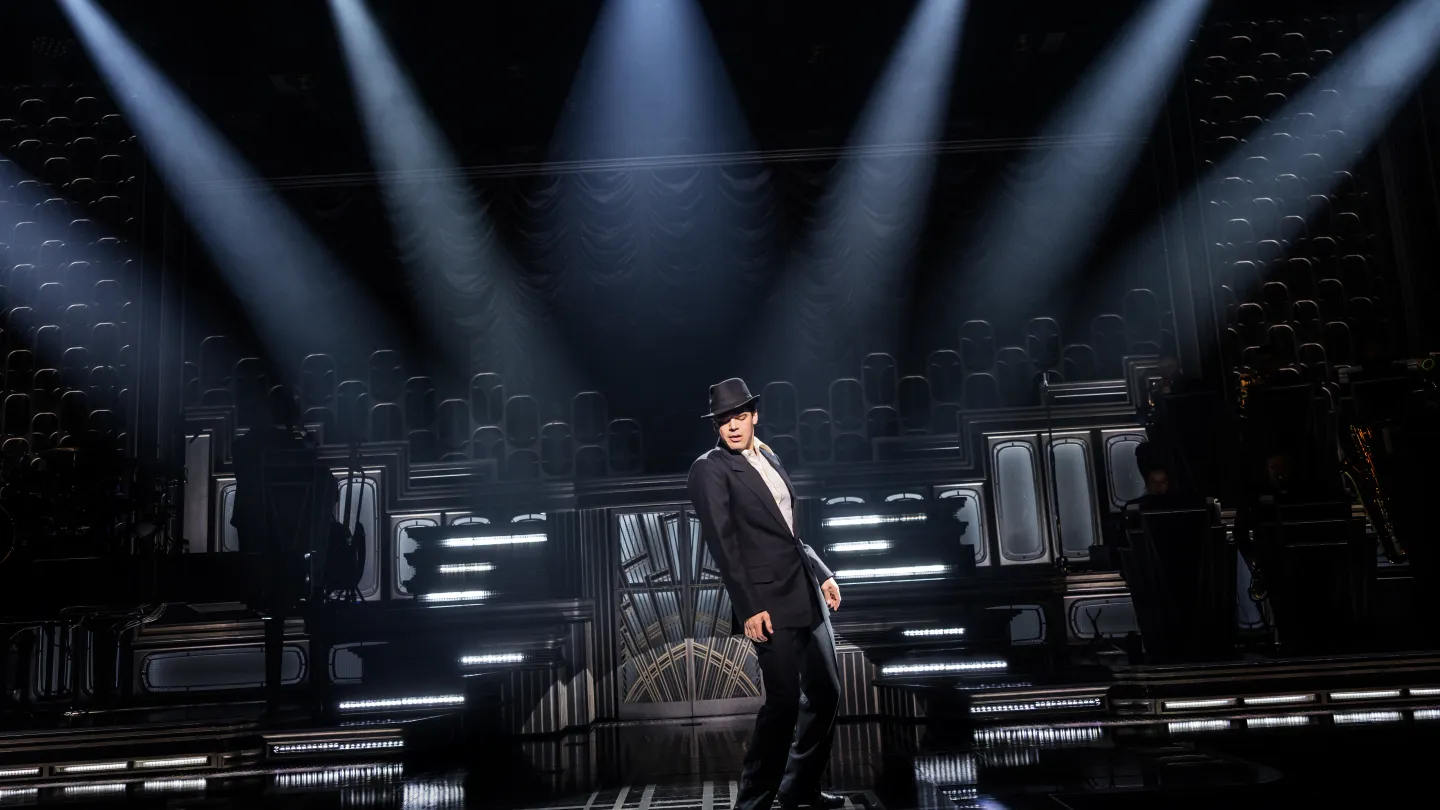
antasize that you were one of the investors who put up the $12.5 million needed to get Hamilton onto the stage in 2015. The musical has hauled in $1.2 billion in ticket sales so far, and is still selling out with ticket prices almost double the Broadway average, meaning that an abnormally large fraction of the gross is falling to the bottom line. It’s likely that the investors have already collected at least ten times the money they put in and will collect a lot more before this gusher dries up.
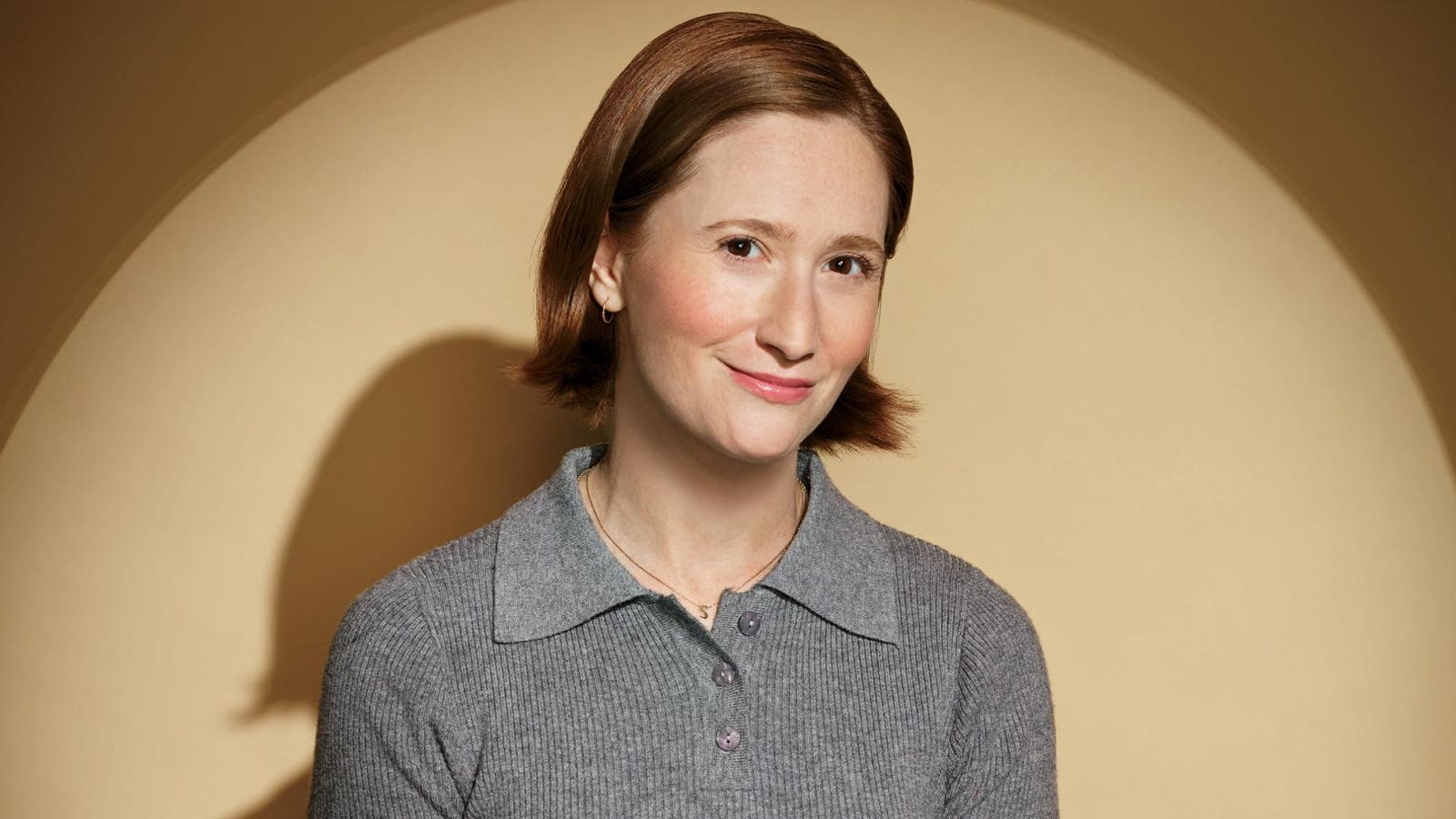
Feeding such fantasies is the job of impresarios like Rachel Sussman. At 36, young for a Broadway producer, she has been a lead producer on Suffs, a musical about the suffragette movement that won two Tony awards; Liberation, which won a Tony this year for best play; another Broadway show and an assortment of non-Broadway productions.
Every year Sussman paws through 150 or so pitches coming from writers, agents and other professionals, selects one or two and then tries to scare up the money for a production. For the infrequent candidate aimed at the big stage, a lot of money. These days it costs something like $20 million to open a musical on Broadway, that geography being defined as one of 41 theaters in Manhattan with at least 500 seats. Plays, with smaller casts and no orchestra, cost much less.