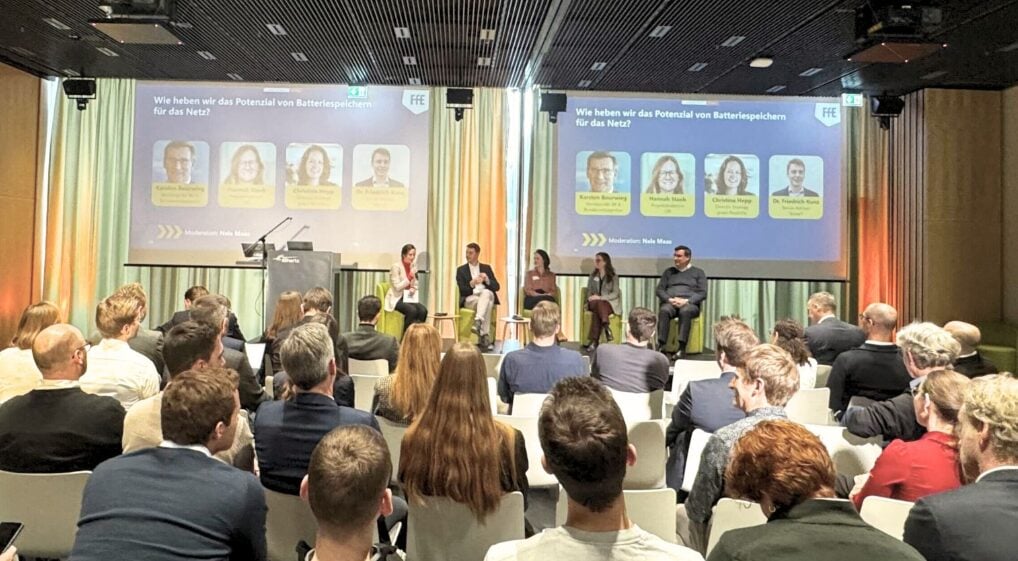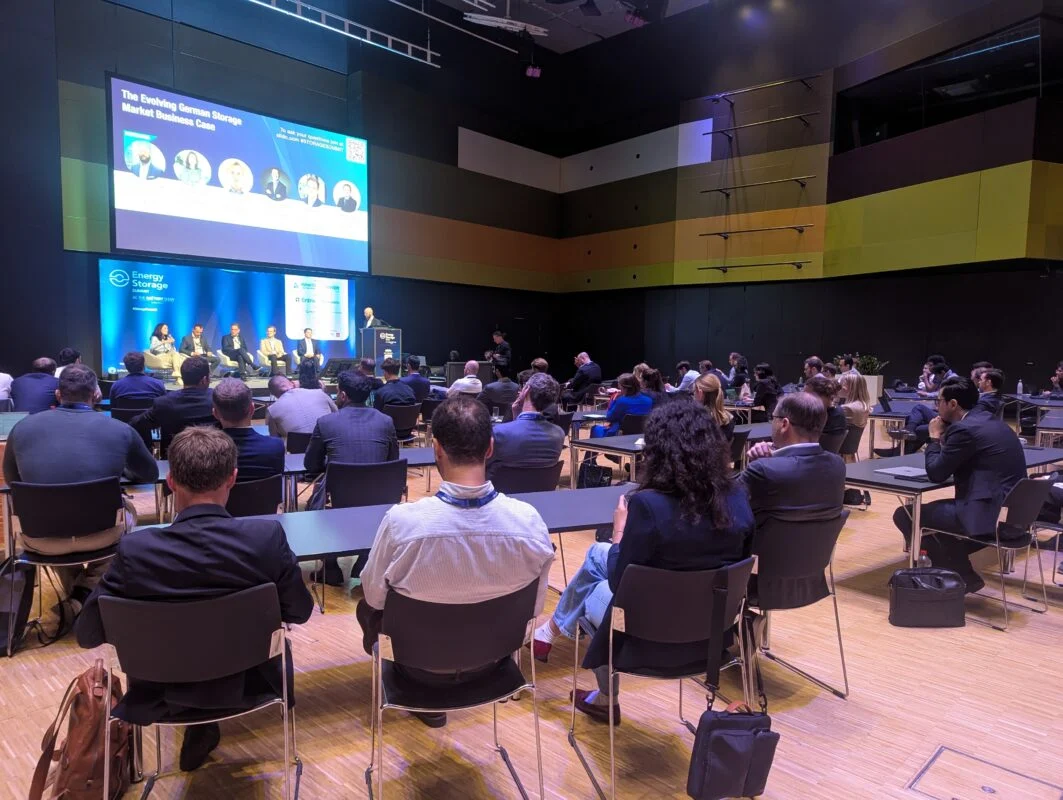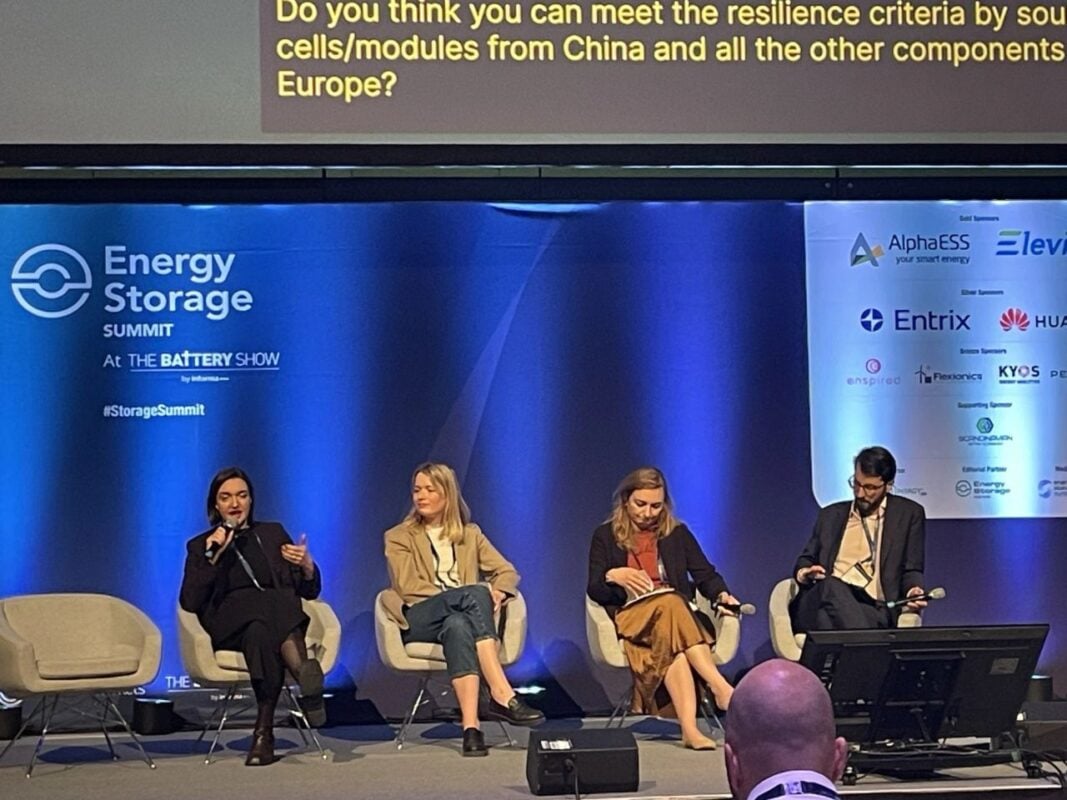
In this Q&A, Schmüser discusses the key regulatory and policy areas in the German energy storage market. Schmüser was also on stage at our Energy Storage Summit at the Battery Show Europe in Stuttgart, Germany, in June, where she discussed the upcoming capacity market (CM).
Grenergy’s battery energy storage system (BESS) activity has to-date mainly been in Chile and Spain, but it has a broader European BESS pipeline including in Germany.
Energy-Storage.news: How would you characterise the current state of the German energy storage market, in terms of the key trends, major successes and achievements, and challenges still to be overcome?
Nina Schmüser: Both the regulatory landscape and the BESS market in Germany are maturing. Over the past few years, falling EPC costs, attractive flexibility revenues, high electricity price spreads, and the exemption from grid fees have driven a rapid increase in utility-scale BESS projects. Grid connection requests grew much faster than grid operators and the regulatory framework could adapt, leaving many operators to integrate a new asset class while maintaining system stability.
Over the past year, the focus has shifted towards establishing a clearer regulatory framework. BNetzA has started shaping grid fee rules for BESS, although the ongoing discussions around static and dynamic charges have created uncertainty for project business cases.