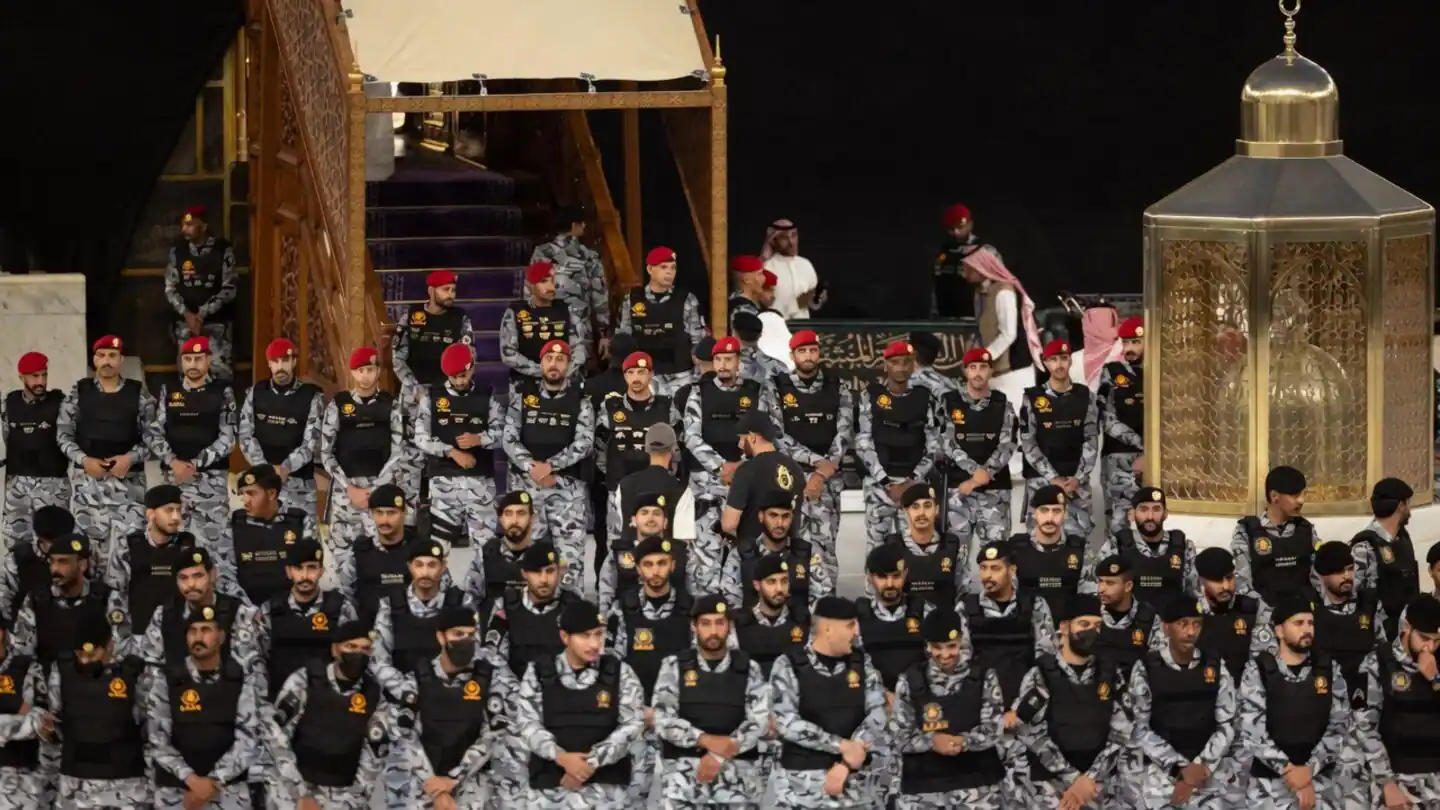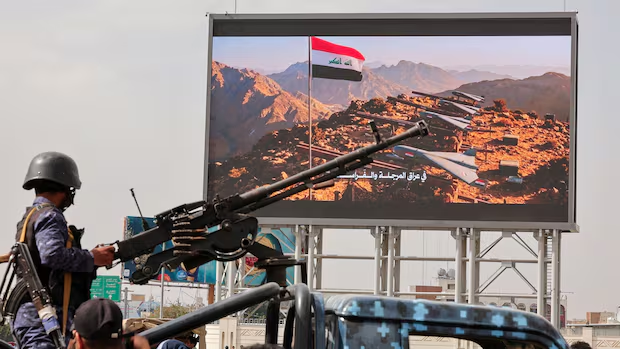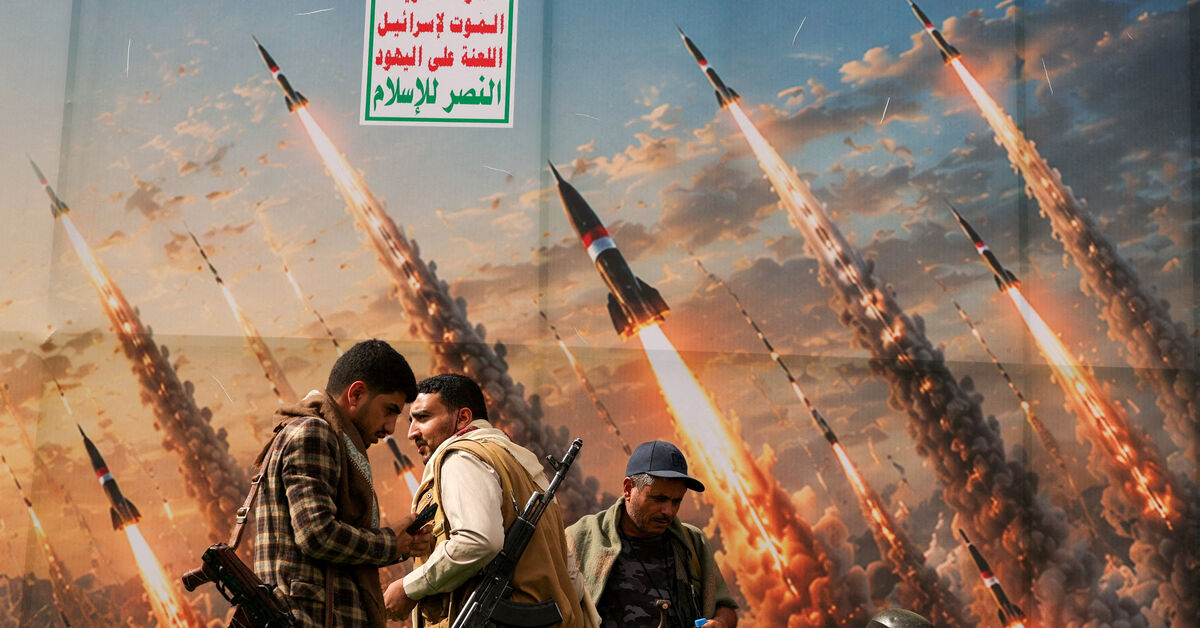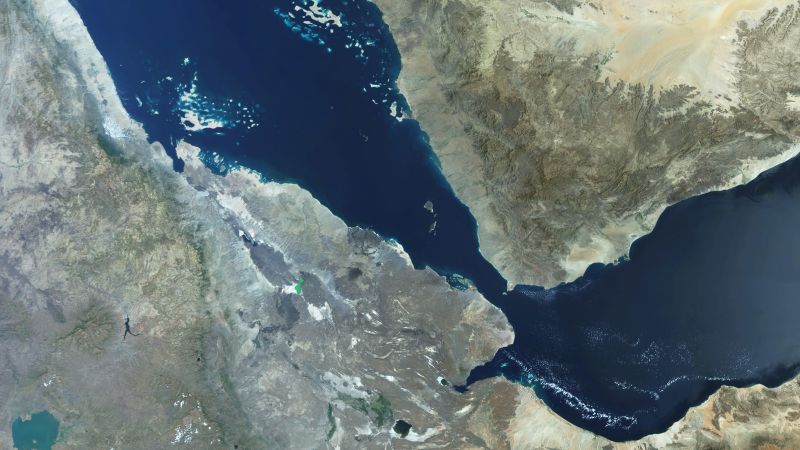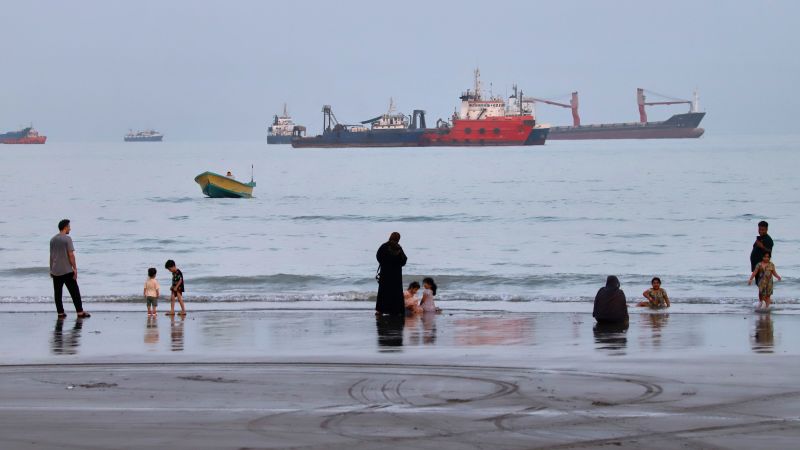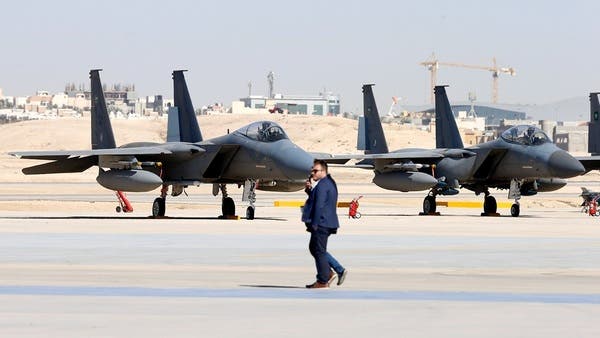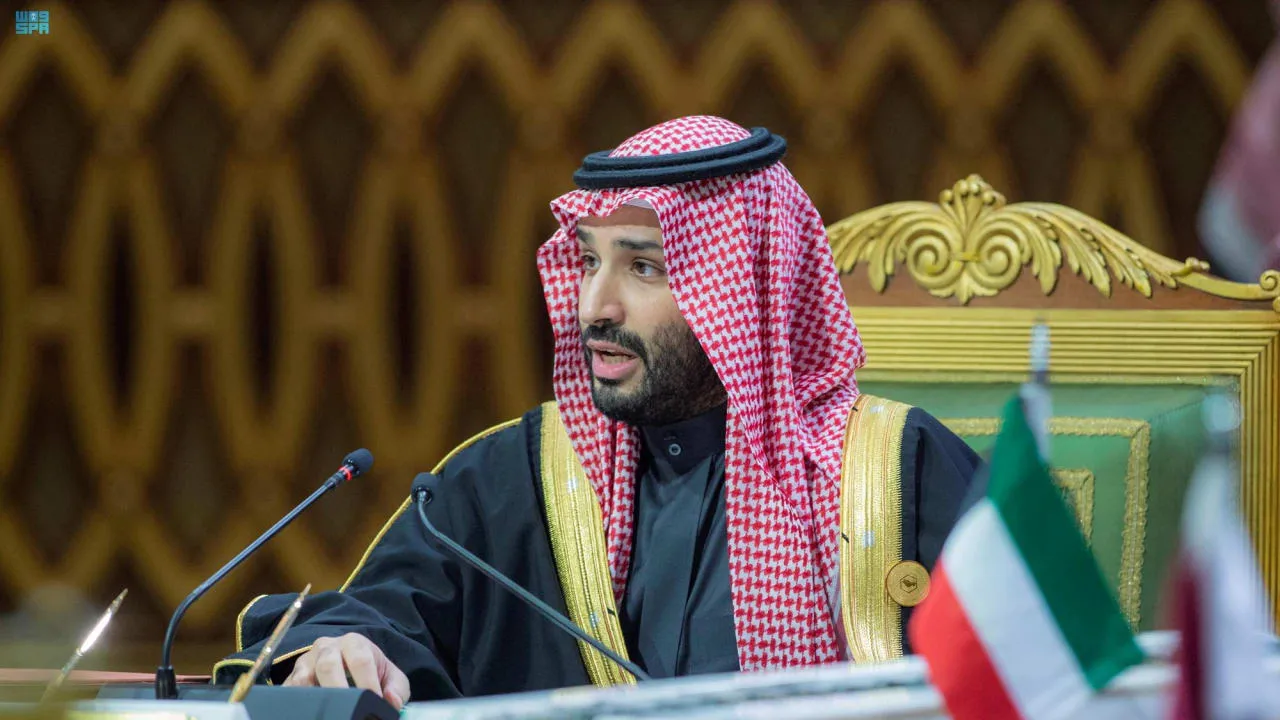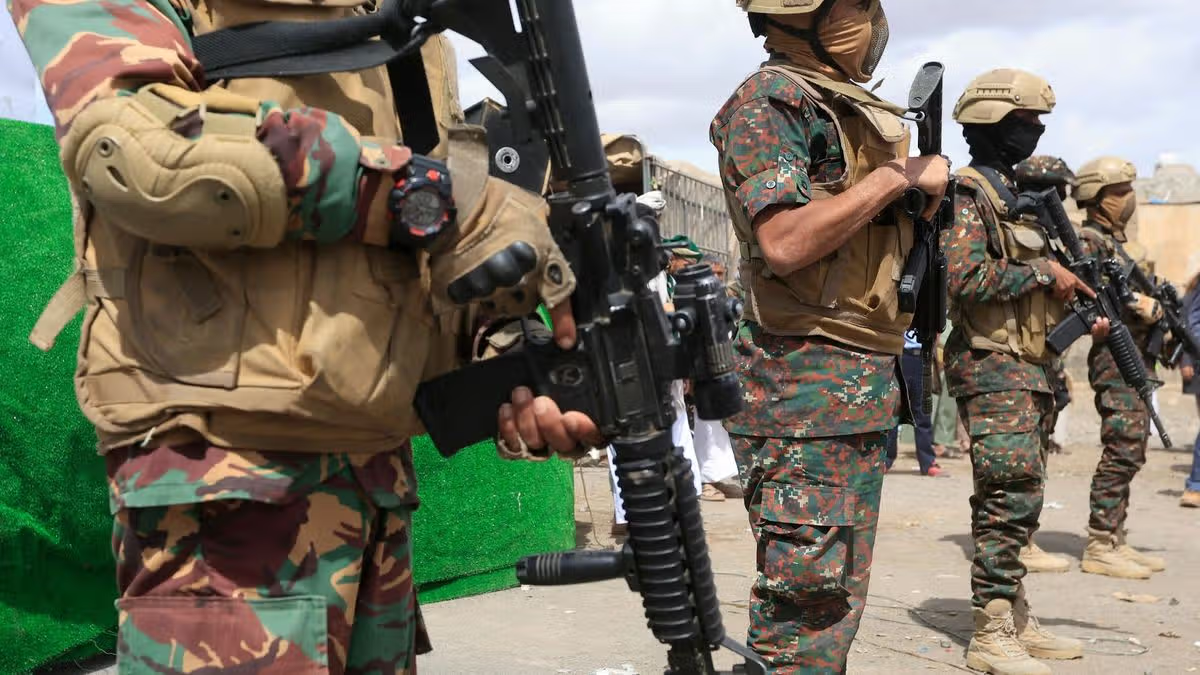
Intelligence cited by CNN points to coordinated strikes by Iraqi militias and Yemen’s Houthis on Saudi civilian and economic targets, as Riyadh also moves toward a new defense pact with Turkey and PakistanSaudi Arabia has placed its security forces on heightened alert amid intelligence indicating that Iran-backed militias in Iraq and Yemen's Houthi rebels may be preparing coordinated attacks against the kingdom in the near future, CNN reported Friday, citing a Saudi official.According to the report, intelligence assessments from Saudi Arabia, the United States and other regional countries indicate that some Iraqi militia members, acting in coordination with the Houthis and under the direction of Iran's Islamic Revolutionary Guard Corps (IRGC), are planning to launch attacks against Saudi Arabia "in the very near future."Houthi strikes target a pro-Saudi position in Yemen’s Marib province The warning comes as fighting inside Yemen intensifies.Houthi forces reportedly launched fresh attacks Friday against positions aligned with the Saudi-backed Yemeni government, primarily in Marib province, about 120 kilometers (75 miles) east of the Houthi-controlled capital, Sanaa. Yemeni media reported that at least three members of the government's security forces were killed.The strikes followed what Yemeni officials described as the Houthis' largest military offensive inside Yemen in years.GalleryA strike attributed to the Houthis hits a pro-Saudi position in Yemen’s Marib province According to a Yemeni television channel affiliated with the Houthis, the group fired about 10 ballistic missiles and several drones Friday morning at military camps aligned with Saudi Arabia in Marib and Hadramout.The attacks came one day after the Houthis claimed responsibility for attacking a Saudi oil tanker in the Gulf of Aden, one of the world's busiest maritime shipping routes.In recent weeks, Saudi Arabia has also come under repeated missile attacks from the Houthis as well as drone attacks launched by Iran-backed militias operating in Iraq.The Saudi official told CNN that Saudi intelligence had detected meetings involving Iraqi militia leaders, Houthi representatives and members of Iran's Revolutionary Guards, along with movements of drones and missiles believed to be linked to the planned attacks.According to the official, the anticipated strikes are intended to undermine efforts to reduce regional tensions at a time when Saudi Arabia continues diplomatic contacts with Iran and negotiations between the two countries appear to be progressing positively."Saudi Arabia will take all necessary measures to deal with any aggression," the official said.The official said Saudi intelligence believes the attacks are intended to come simultaneously "from both north and south," with likely targets including civilian and economic infrastructure such as energy facilities, ports and airports.The official also suggested the developments could reflect internal power struggles within Iran itself.Despite the threats, Saudi Arabia intends to continue its diplomatic outreach and contacts with the Iraqi government. The official declined to specify what security measures had been taken in response to the intelligence.Meanwhile, the Saudi-led military coalition said 11 civilians were wounded Thursday in a Houthi attack in southern Saudi Arabia near the Yemeni border.According to the coalition, seven of the wounded were Saudi nationals, including a woman and a 4-year-old child who suffered second-degree burns. The remaining casualties included a Yemeni citizen, two Egyptian nationals and one Pakistani citizen.The coalition accused the Houthis of carrying out "terrorist attacks using indiscriminate shelling against civilian objects."Turkish President Recep Tayyip Erdogan and Saudi Crown Prince Mohammed bin Salman (Photo: Murat Cetinmuhurdar/Turkish Presidential Press Office/Handout via REUTERS)Turkish President Recep Tayyip Erdogan and Pakistani Prime Minister Shehbaz Sharif, accompanied by Pakistan's army chief, Gen. Asim Munir, are expected to meet Saudi Crown Prince Mohammed bin Salman ahead of the signing ceremony.A Turkish official confirmed the agreement would be signed but did not disclose its specific military commitments.The pact would deepen security cooperation among three of the region's leading Sunni Muslim powers. Turkey is a NATO member, Saudi Arabia is a key U.S. ally and one of the world's largest oil exporters, and Pakistan is the only Muslim-majority country possessing nuclear weapons.Negotiations on the agreement began before the latest regional escalation, but recent fighting involving Iran and attacks targeting Gulf states have increased the urgency of closer security coordination.Saudi Arabia and Pakistan already maintain a bilateral defense agreement under which an attack on either country is considered an attack on both. According to a Saudi official previously quoted by Reuters, that agreement includes the use of "all military means" if necessary.Turkish Foreign Minister Hakan Fidan said in January that Ankara supports the creation of a broader regional security framework aimed at promoting cooperation and stability.Saudi Arabia led a military coalition that intervened in Yemen's civil war in 2015 against the Houthis but failed to dislodge the group from northern Yemen. The seven-year conflict contributed to one of the world's worst humanitarian crises.
Saudi Arabia on high alert over coordinated Iran-backed attack warnings
Intelligence cited by CNN points to coordinated strikes by Iraqi militias and Yemen’s Houthis on Saudi civilian and economic targets, as Riyadh also moves toward a new defense pact with Turkey and Pakistan
780 words~4 min read