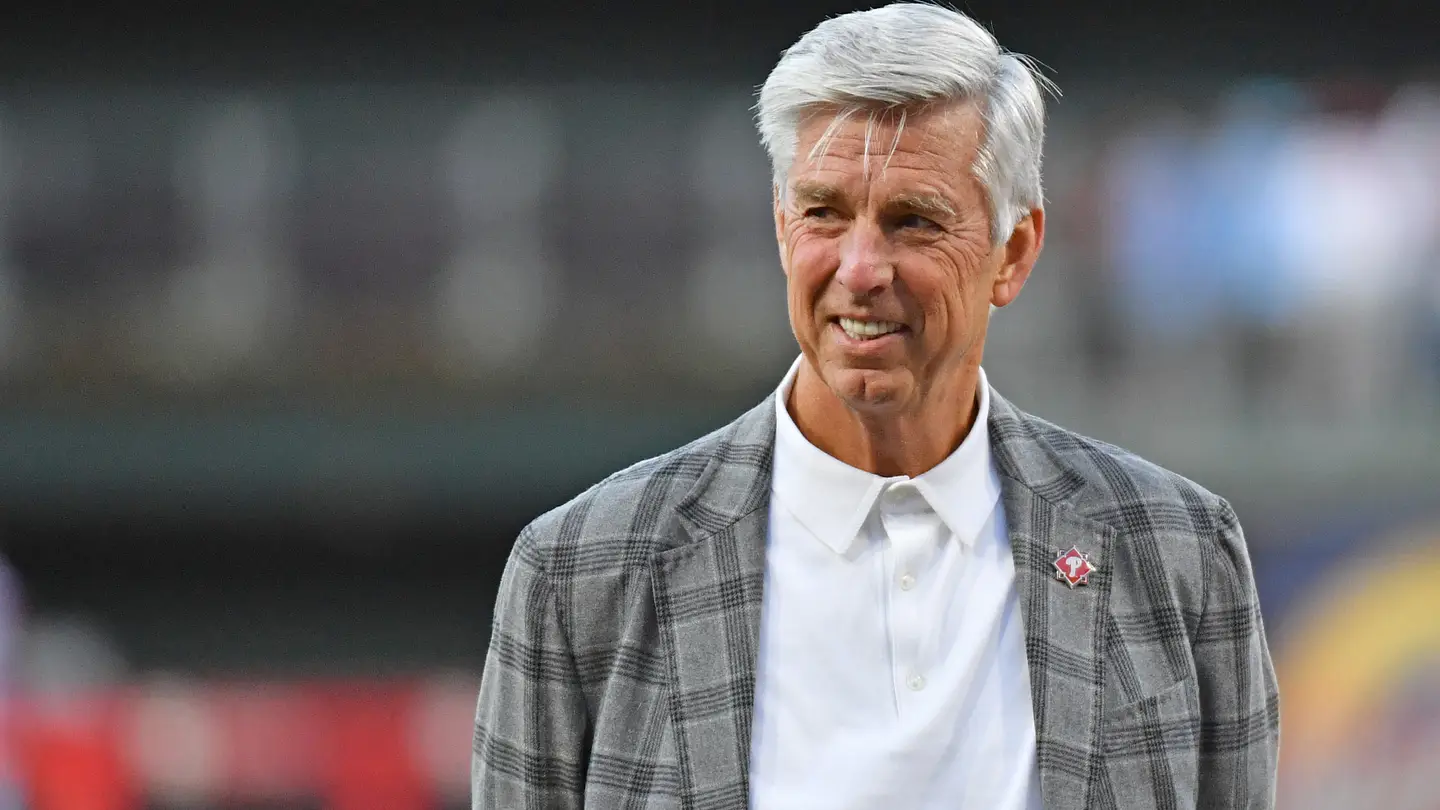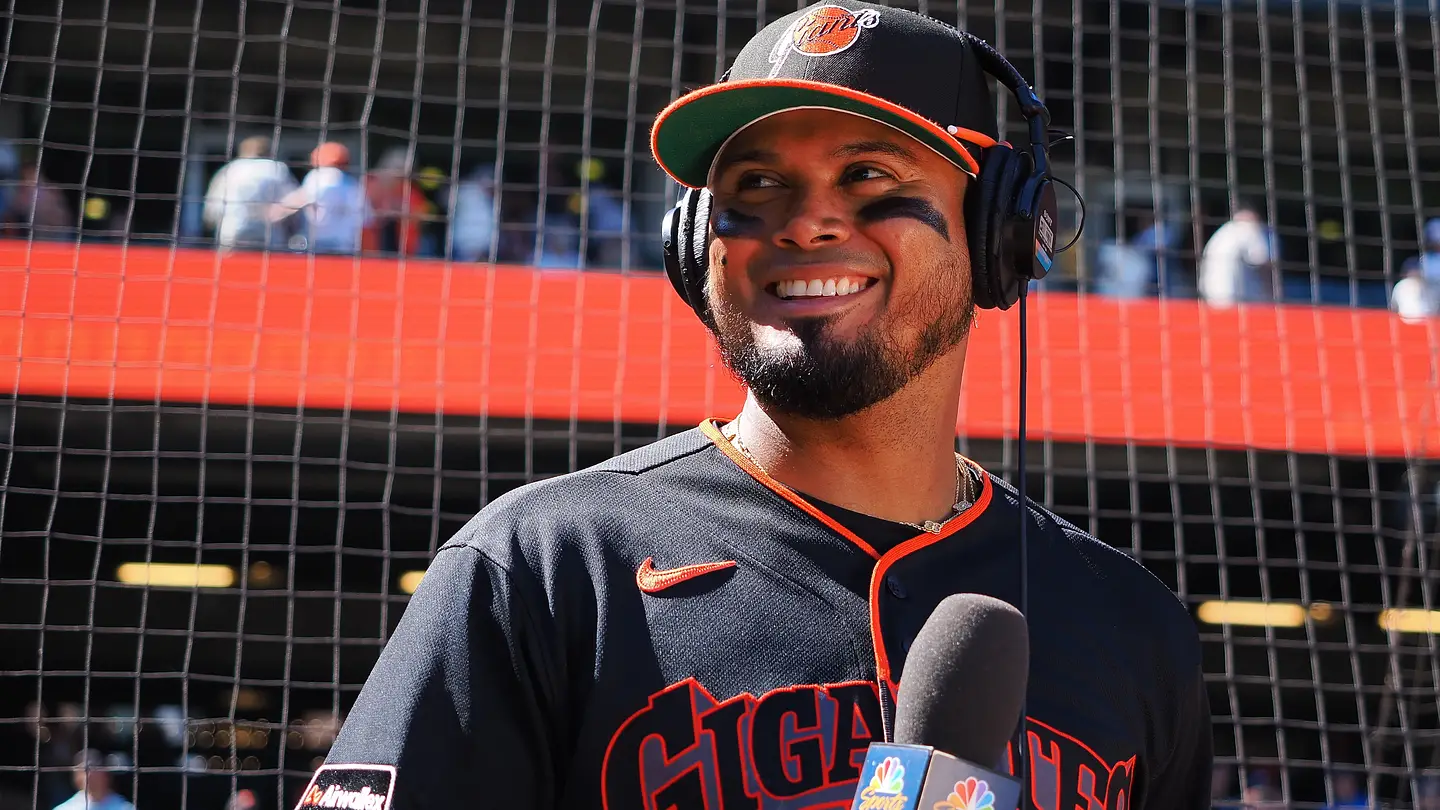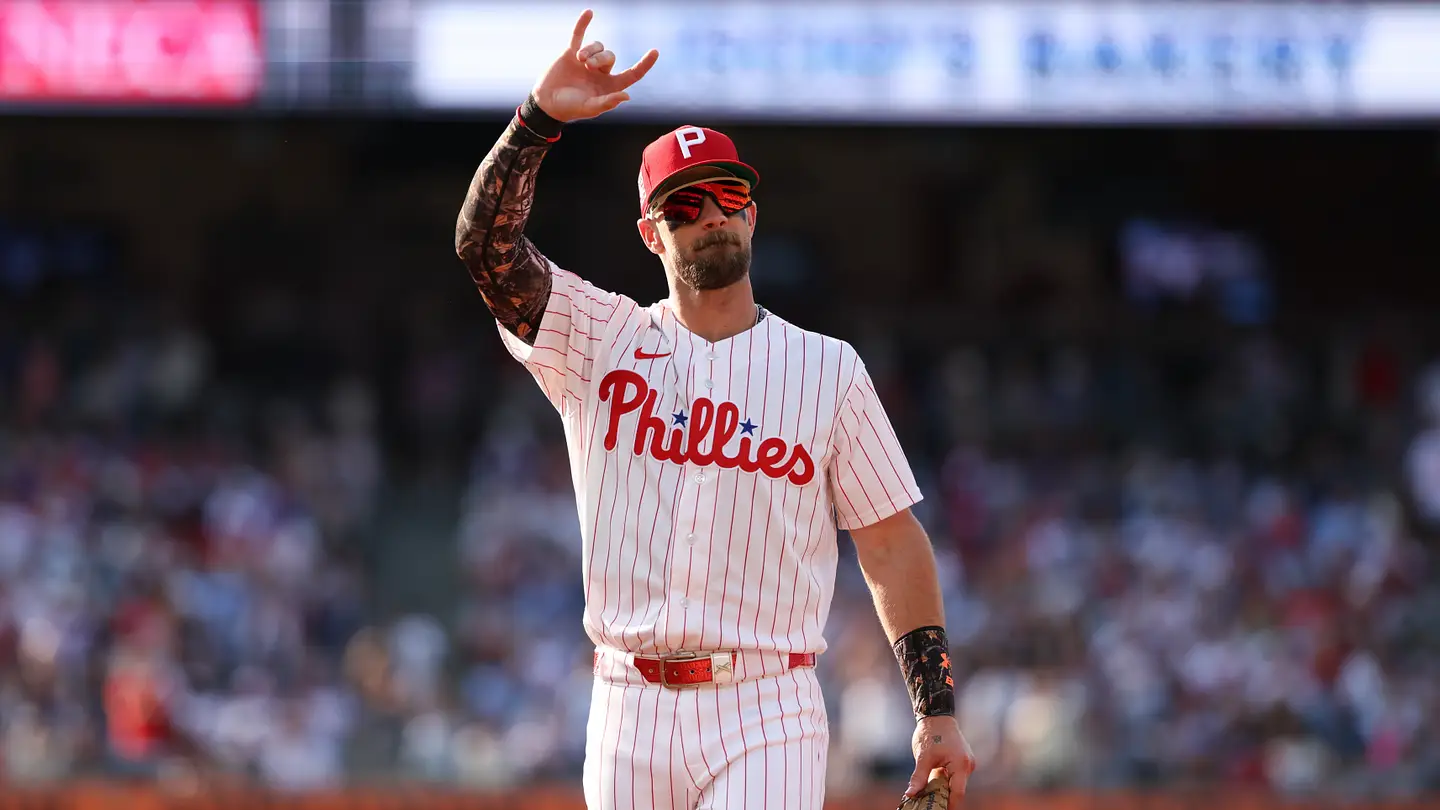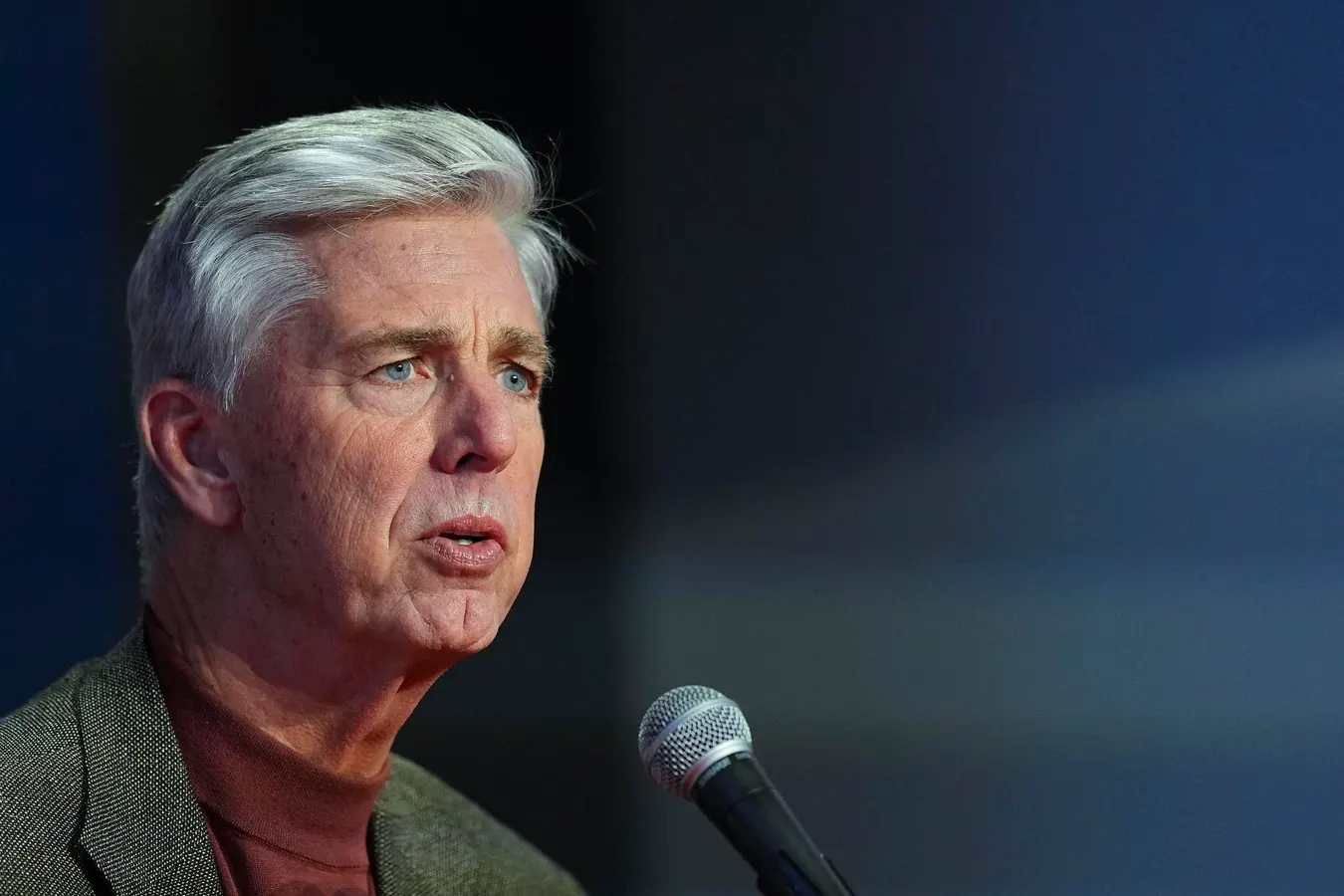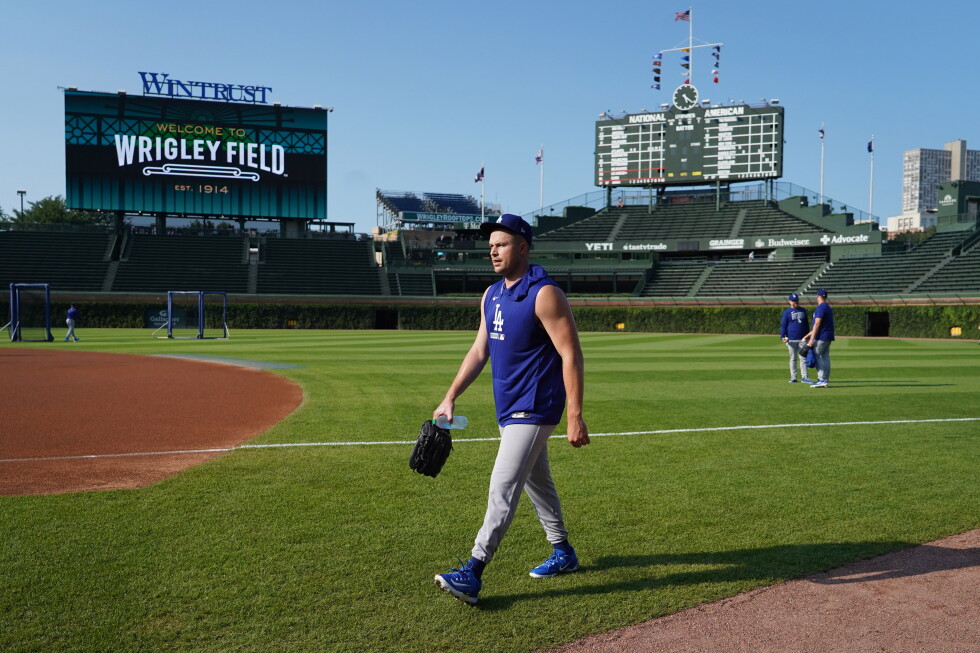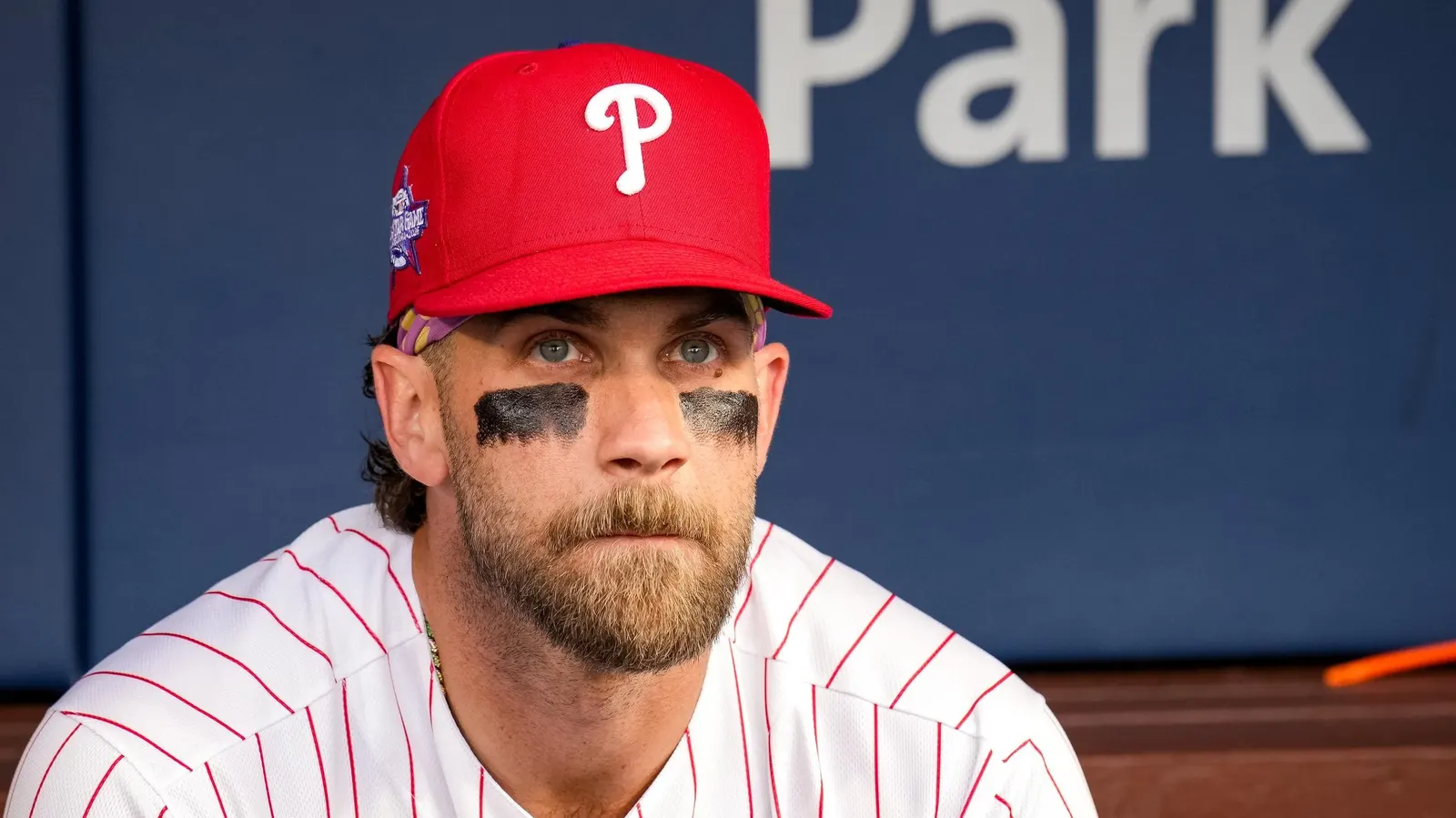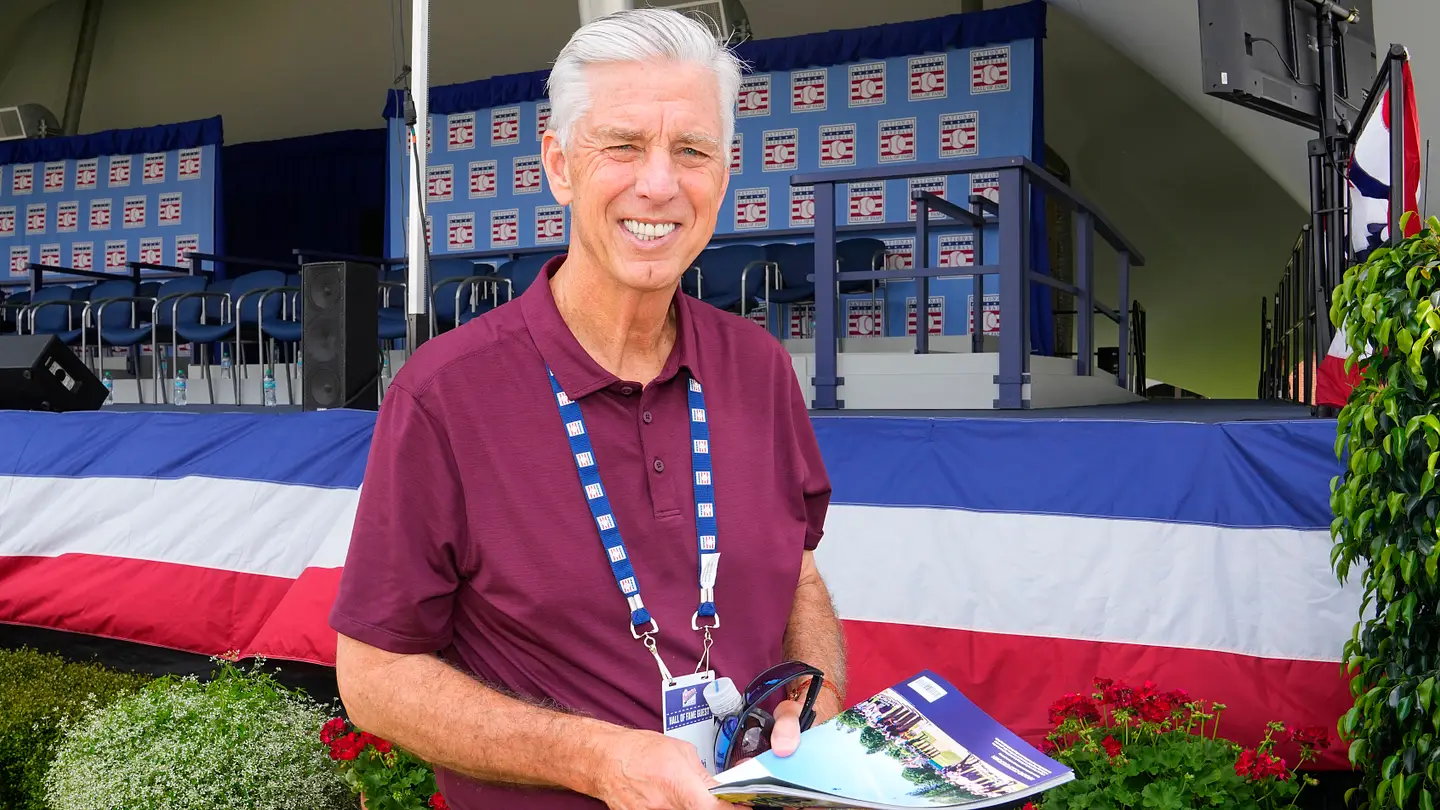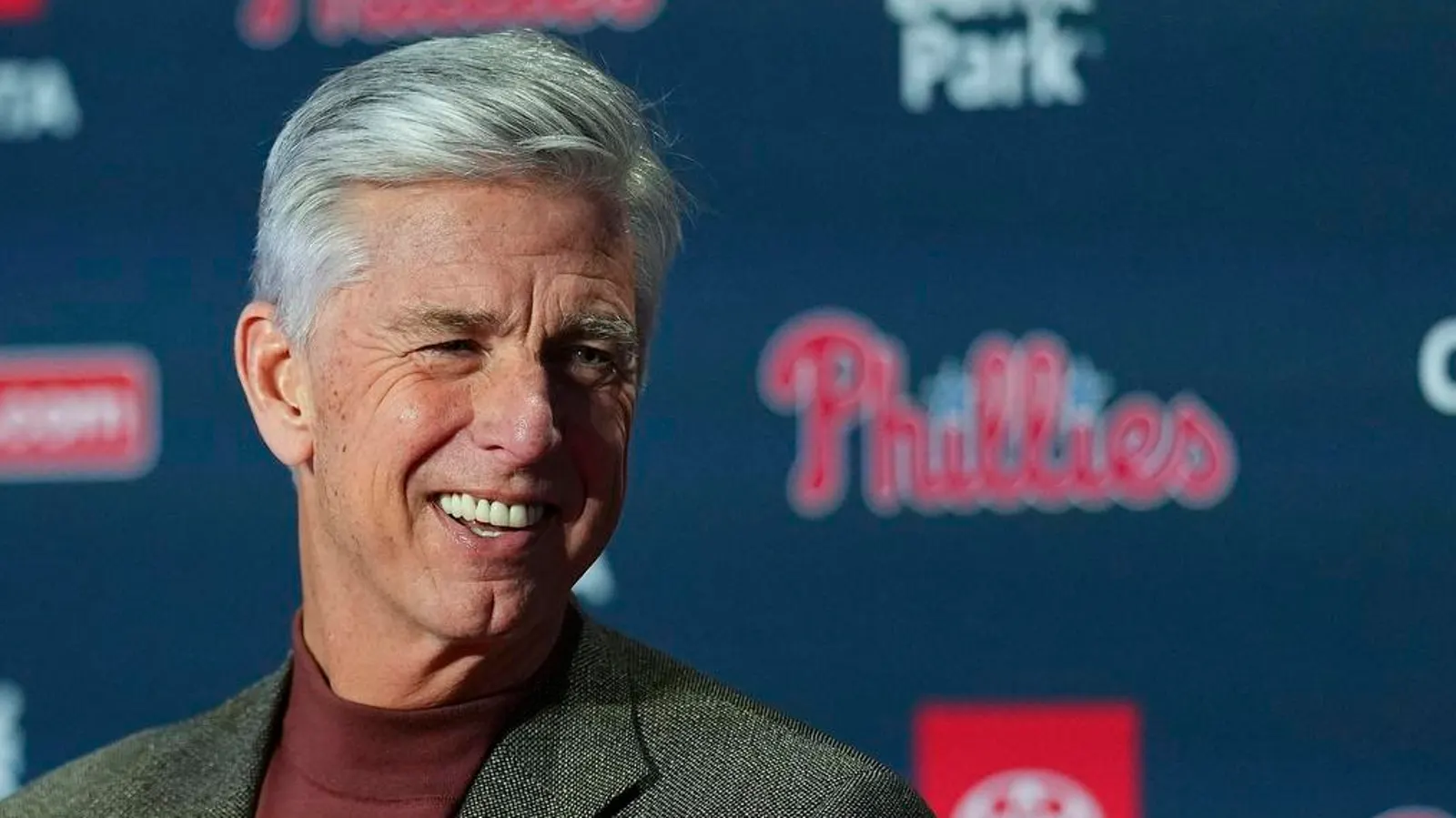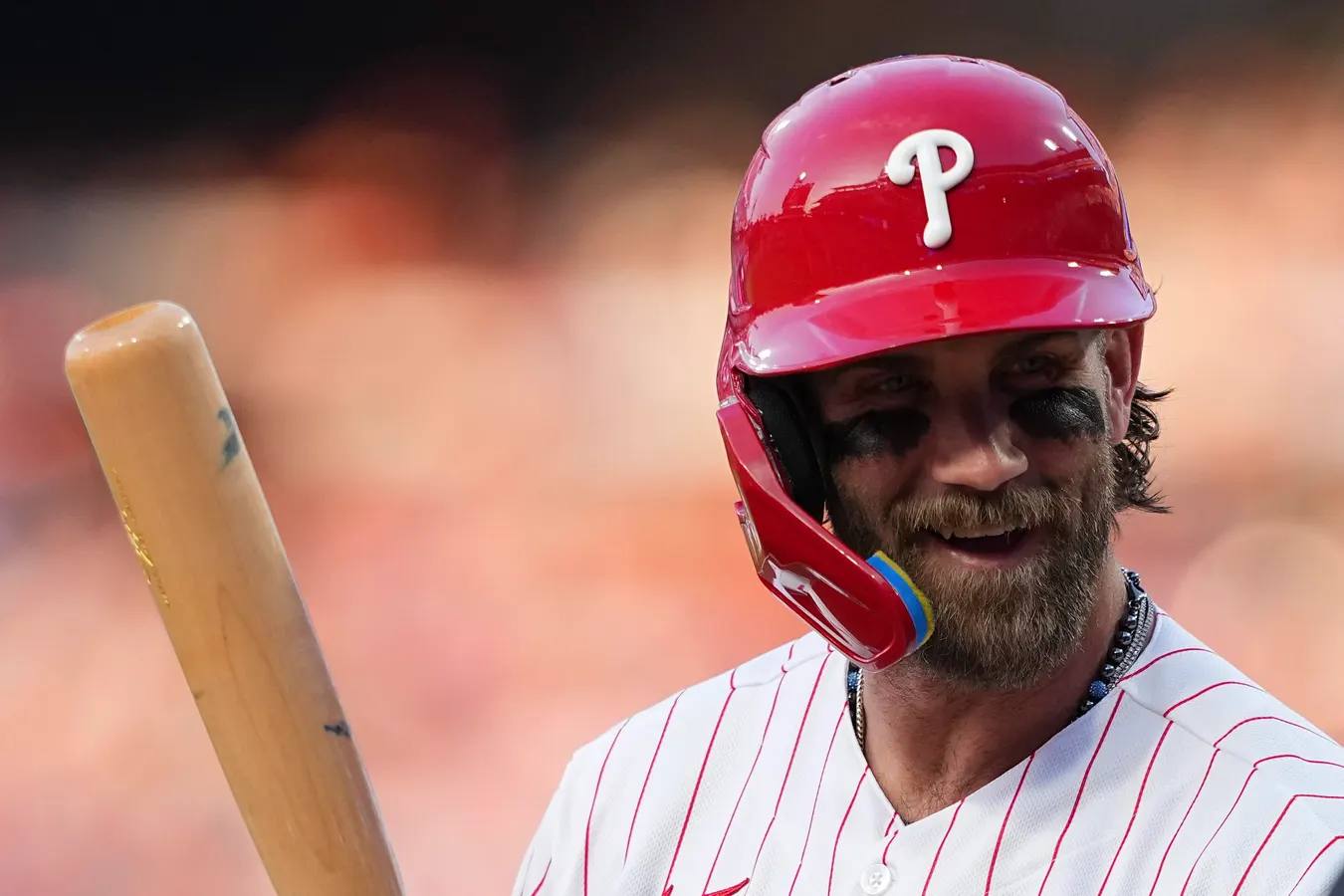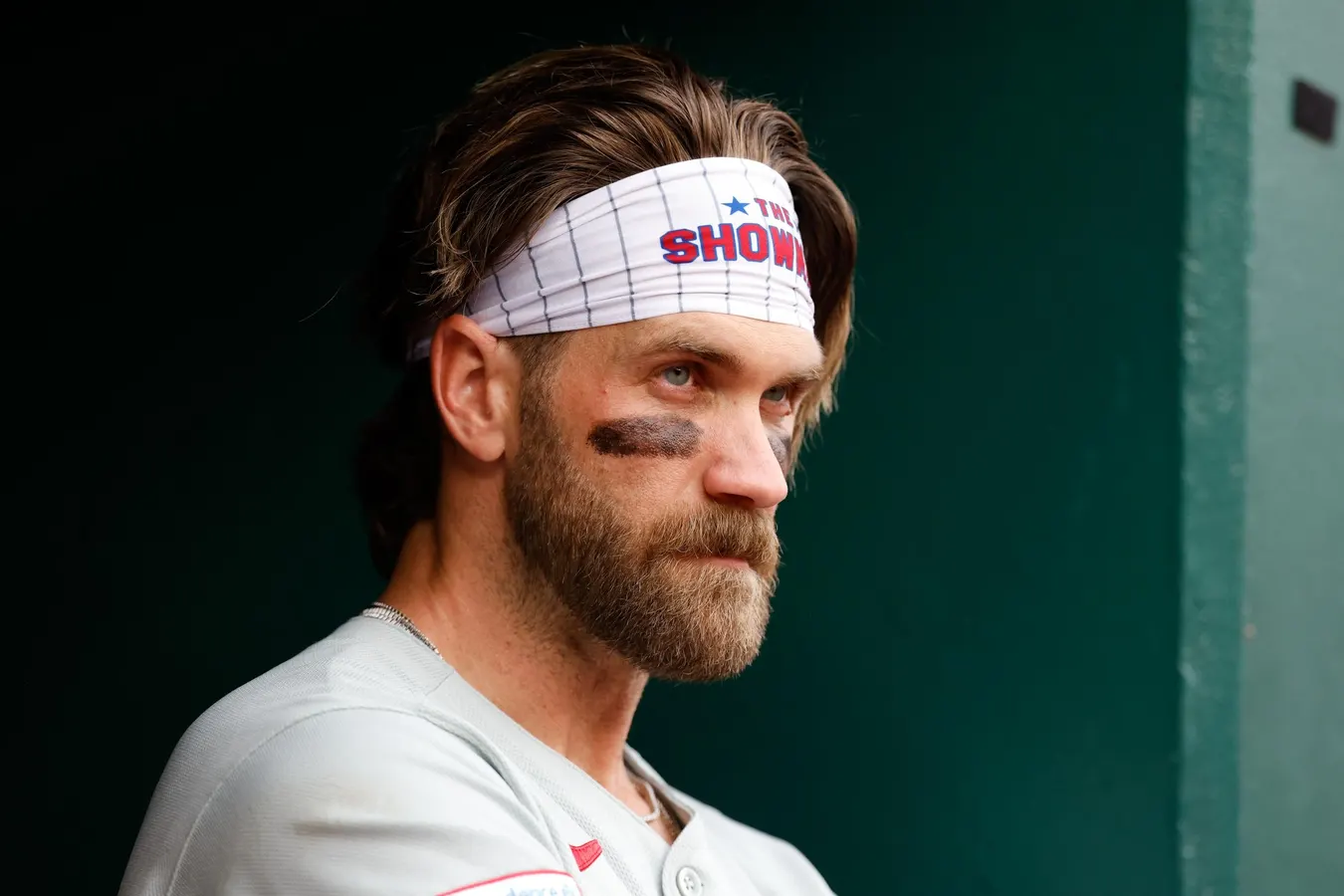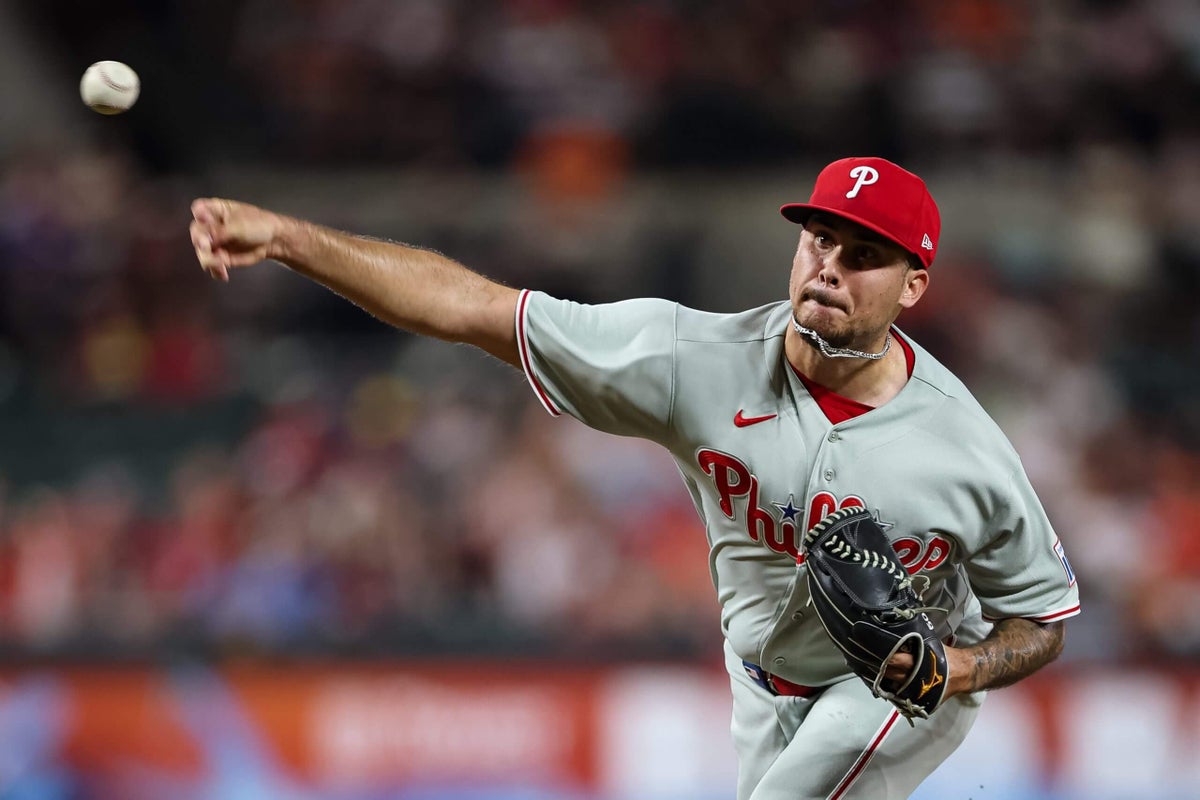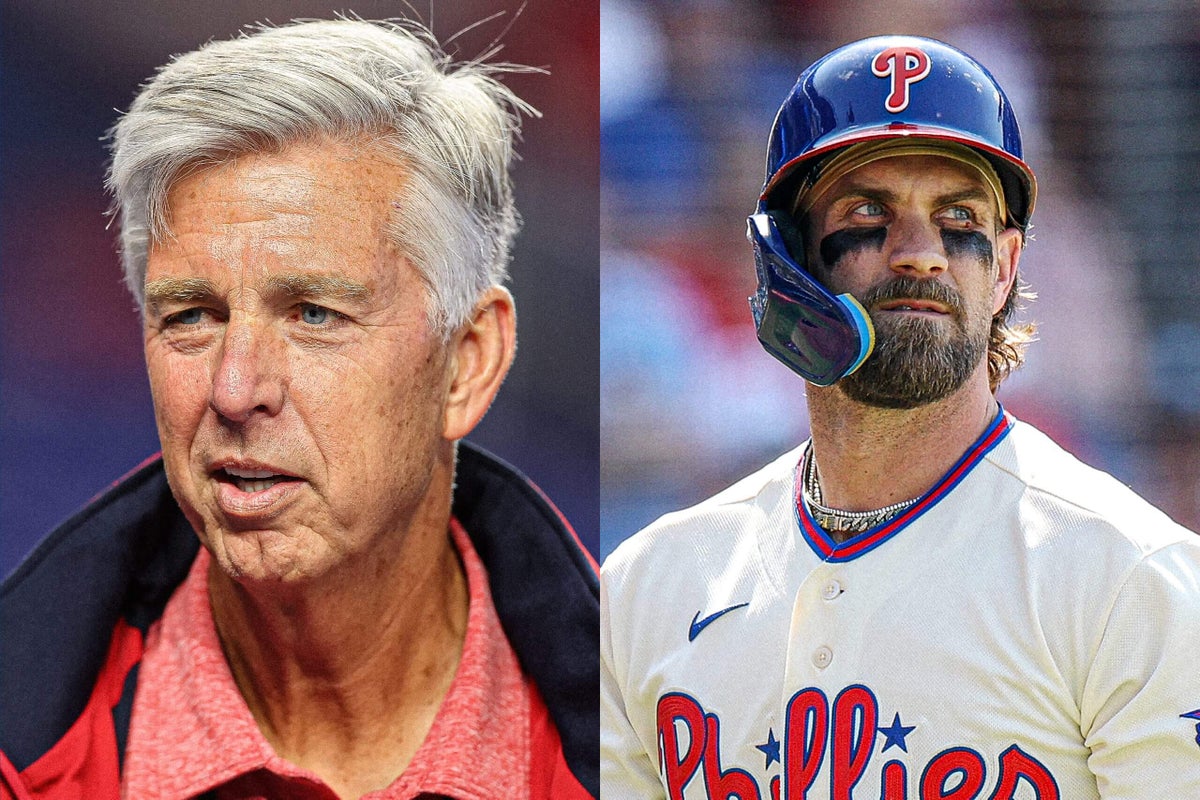
It was nothing personal.That was, essentially, the money quote when the two most visible faces in the Philadelphia Phillies’ cosmos — Bryce Harper and Dave Dombrowski — finally had That Talk last Friday night in Baltimore.Or at least that’s how Dombrowski, the Phillies’ president of baseball operations, recounted it to me and Doug Glanville during his upcoming appearance on The Athletic’s Starkville podcast. The full show will drop Saturday morning, but you can hear Dombrowski’s take in the clip below.Dave Dombrowski on his conversation with Bryce HarperJayson StarkSo why did Dombrowski and his biggest star even need to have That Talk? Let’s recap how they got there, for those who haven’t kept track.Last fall, after the Phillies got bounced from the postseason by the Dodgers, Dombrowski publicly questioned whether Harper was still an “elite” player. Though Dombrowski said the two had a “good conversation” about it weeks later, the storyline has persisted. And, nine months later, Harper flipped that challenge back onto the shoulders of his boss.On July 28, just a few days before their chat in Baltimore, it was Harper’s turn — to seemingly suggest it was time for Dombrowski to prove that he, too, was elite at what he does.The Phillies’ soon-to-be right fielder stood at his locker after a painful loss in Miami. The trade deadline was less than a week away. His words were pointed: “I think we need some help,” he said.Those words spent a few days ricocheting off every sharp angle in Philadelphia, from Independence Hall to the pizza ovens at Chickie’s & Pete’s. But three days later, Dombrowski sought out Harper after another difficult defeat, in the Phillies’ series opener against the Orioles. Here, Dombrowski said on Starkville, is how that conversation went.“I talked to him on (Friday) night when we were in Baltimore, and just had a chance to chat with him,” Dombrowski said. “And he said, ‘Dave, I didn’t mean … that wasn’t a personal comment. I just felt we needed help.’ And I said, ‘You know, I get it.’” Was that really how Harper meant those words? Was it really that easy for Dombrowski to accept that explanation? Only the two of them truly know. But Dombrowski used one adjective over and over to make it clear that he at least understands the context of Harper’s message:Emotional.“Because I’ve done it for a while, I think you learn that … that’s just today’s world,” Dombrowski said. “I mean, guys, when they say things, they’re so much more emotional.”So when those words spill out, he went on, “you need to make sure that people aren’t saying it from an emotional perspective.”Dombrowski is in tune with how emotional he is himself in the moments after a difficult loss, he said. So he “gets it,” that “sometimes people can say things, when they’re being interviewed or they’re texting something, that could be emotional. And I just want to always make sure that I confirm that with people, to make sure that’s the proper way they’re feeling.”Their chat, at a makeshift dining table outside the visitors’ clubhouse, may not have brought them to a place of kumbaya. But it opened a critical line of communication.And they needed it. Dombrowski made it clear that his exchanges with Harper, over the next few days, were a pivotal ingredient in the Phillies’ team-rattling trade to acquire second baseman Luis Arraez from the Giants before the deadline.Dombrowski acknowledged that was not the deal he went into this deadline expecting to make. When he grabbed his shopping cart, he was looking for an outfielder who hits right-handed. He came out of it with the exact opposite: an infielder who hits left-handed.It turned into one of the boldest, most outside-the-box trades Dombrowski has ever made. But “it started with Bryce Harper,” the veteran executive said.Dave Dombrowski on Phillies' position shifts for Arraez tradeJayson StarkSuppose we could poll all the two-time MVPs on Earth to see how many would willingly make a dramatic position change in midseason. Let’s just say if you started counting yes votes, you probably wouldn’t need all five fingers on your counting hand.But Harper opened the door to the Arraez trade by telling Dombrowski multiple times he’d make that move, from first base to right field, if they needed him to. And when your team’s biggest star pulls up stakes and switches positions, the rest of the roster follows. Bryson Stott told the Phillies he was cool with moving from second base to third. Alec Bohm signed off on relocating from third to first. And the lineup’s spin through the baseball blender was complete.So that’s how one huge piece fell into place to make that trade possible. Here are some of the other highlights from Dombrowski’s appearance on Starkville, which shed light on the other pieces. (Quotes have been edited for brevity and clarity.)Why he passed on the right-handed bats: “When you look at a right-handed hitting outfielder, as far as an everyday guy that would be a force in the middle of the lineup, we could not find one out there,” Dombrowski said. “There were guys that we liked that we thought would make us better, but they were almost all platoon guys. … We just couldn’t find that guy. And then you start saying, ‘OK, well, how are we going to make our offense better?’”What made him willing to blow up four positions to make room for Arraez? The Phillies knew they needed a difference-maker, Dombrowski said. But the more they explored their options, the more convinced they were that Arraez was the one bat who could give them what they needed.“We just couldn’t find that guy that was available that we thought was a legitimate upgrade of our club — but we felt that Arraez was,” Dombrowski said. “And then how could we make it work? Well, that’s when all the other conversations came into play. But we really explored all of the different markets.”Once they’d sorted through all the options, Dombrowski gathered opinions — from his front office and most trusted scouts, from his coaching staff, even from Harper and other impacted players. That, he said, is something he would never have done earlier in his career.But he has done this a long time. So he knew that if his players and coaches weren’t all in, that would have been a problem.“If somebody had jumped up and down,” Dombrowski said, “and said there’s no way that we would be willing to do this, you would then need to approach: Well, how are we going to go about doing it? Is it the right move to make? So there were a lot of steps and thought processes beforehand. And then I think, when push came to shove, when you’re talking about a hitter and what we needed with the Arraez situation, they all fell into place.”The tense Sunday night when it all almost fell apart: By Sunday, the day before the deadline, Dombrowski and the Giants’ president of baseball operations, Buster Posey, were locked in conversation. But this was no peaceful sail in McCovey Cove. The deal almost didn’t get done, Dombrowski revealed.“Sometimes, you have to make last minute-decisions,” he said. “With San Francisco, for example, I thought at … 8:30 (Sunday night) we were going to make a deal that was close to what we made. At 9 o’clock, when they got back to me, I didn’t think we were going to make that deal, and it kind of fell apart.“And then Buster reached out to me once again and said, ‘Well, what about this?’ And I proposed something back to him. And then he said, ‘OK, let’s get it done.” And then … you’re talking 10:30, 11 o’clock on Sunday night.“We have to exchange medicals. They’re on the West Coast. We just got back (home from Baltimore). I mean, our trainer’s fine (with the reports on Arraez and reliever Caleb Kilian), but you want your doctors to look at some things. And so there’s a lot of steps that are involved, and you’re always hoping that something doesn’t happen where all of a sudden, it doesn’t work.”Weighing the risks: By the time we recorded this interview Wednesday afternoon, I’d done enough research to conclude that no team had ever made a midseason trade for any one player that forced that club to uproot nearly half the positions on the field in the middle of a race.So I asked Dombrowski this question: “It feels like it could be a little scary to disrupt a team as much as you just did — but it can also be energizing. It’s like you’re basically challenging your players to win and play baseball in a whole different way. I’d be curious about how much you pondered both those aspects of this deal.”He conceded that both of those elements were hot topics in the Phillies’ trade room.“In our trade room, we talked about that a lot,” Dombrowski replied. “And there were some people that said, ‘Oh, we should not do that. We should just plug in an outfielder and just leave it at that, even if it’s a platoon outfielder.’“I think a couple factors came into play in finally deciding it. One is, you watch your club play, day in and day out, and when I looked at the move, I don’t think it was substantially going to hurt us defensively at any of the positions that we’re moving players.”He then explained why he felt that way. But was he also interested in challenging his players to make this work?“I thought, you know what? In a way, with the club — and you would never do it for just this reason — it might be energizing, too,” Dombrowski said. “I mean, I watched them the first time they were all out there on Tuesday for their early work. I was sitting upstairs (in the executive box) like we do a lot of times, and there was a hop in their steps that I haven’t seen the guys have.“I mean, it’s just, you know, you can get into that routine, especially with a veteran club, that sometimes a little bit of adjustment … maybe it’s a risk. I get it. But sometimes those risk-rewards are worth it.”There was much more in our conversation. Dombrowski provided many fascinating insights into the things the Phillies did and didn’t do at the deadline:
Dave Dombrowski on that Bryce Harper chat and the Phillies’ outside-the-box trade deadline
Their chat last Friday outside the clubhouse in Baltimore may not have resolved everything. But it opened a critical line of communication.
1,863 words~8 min read