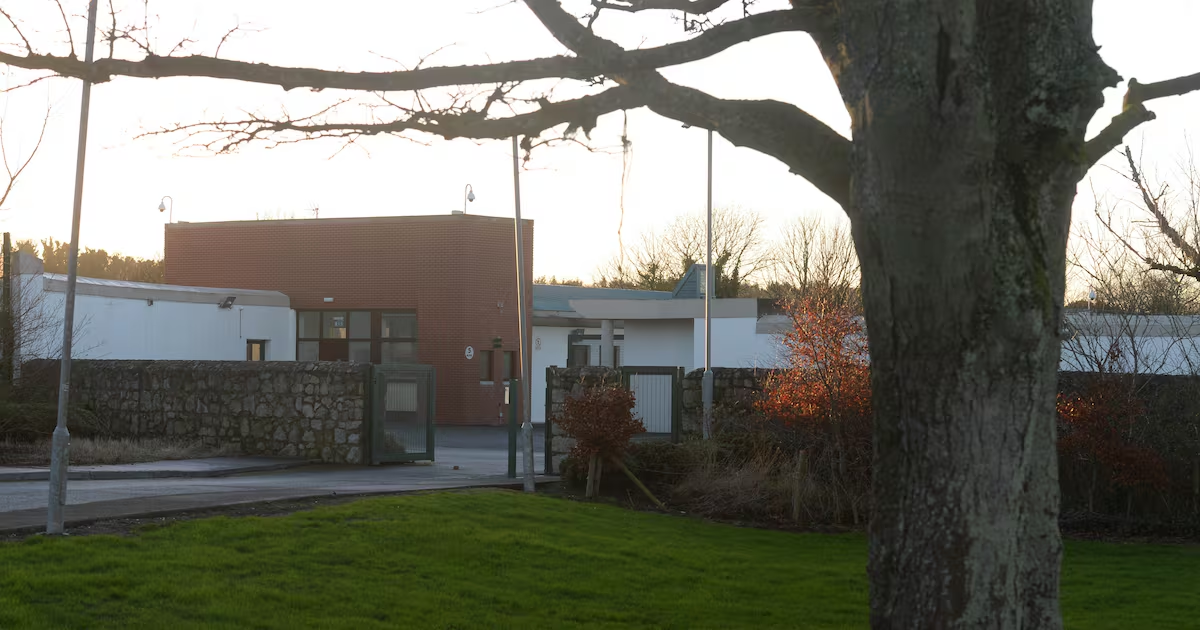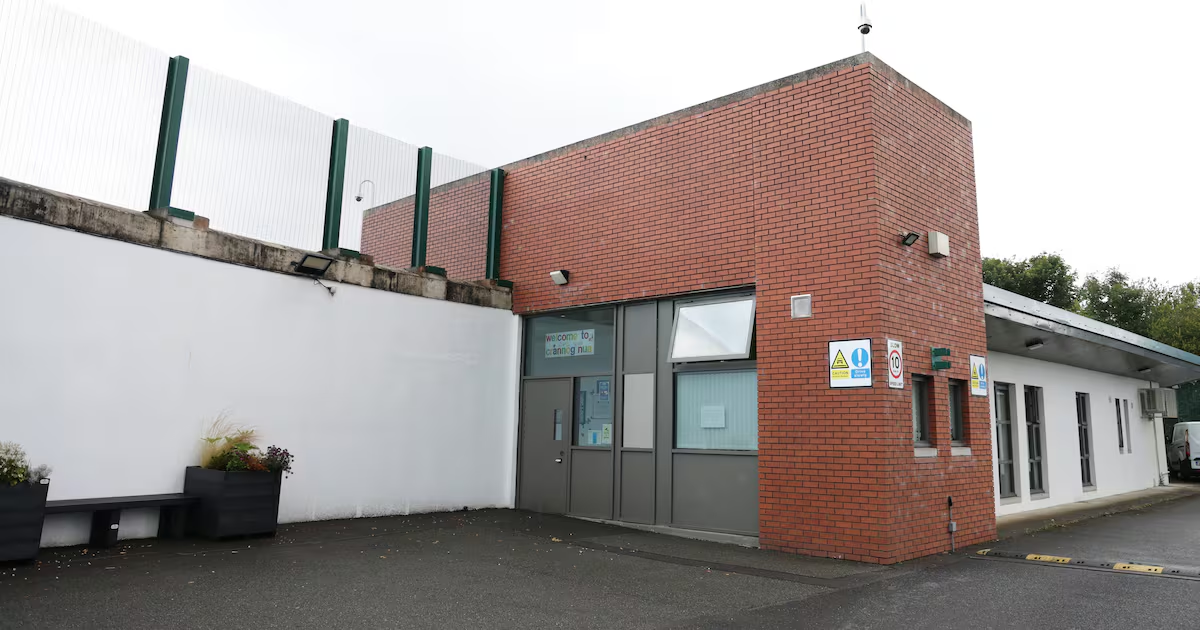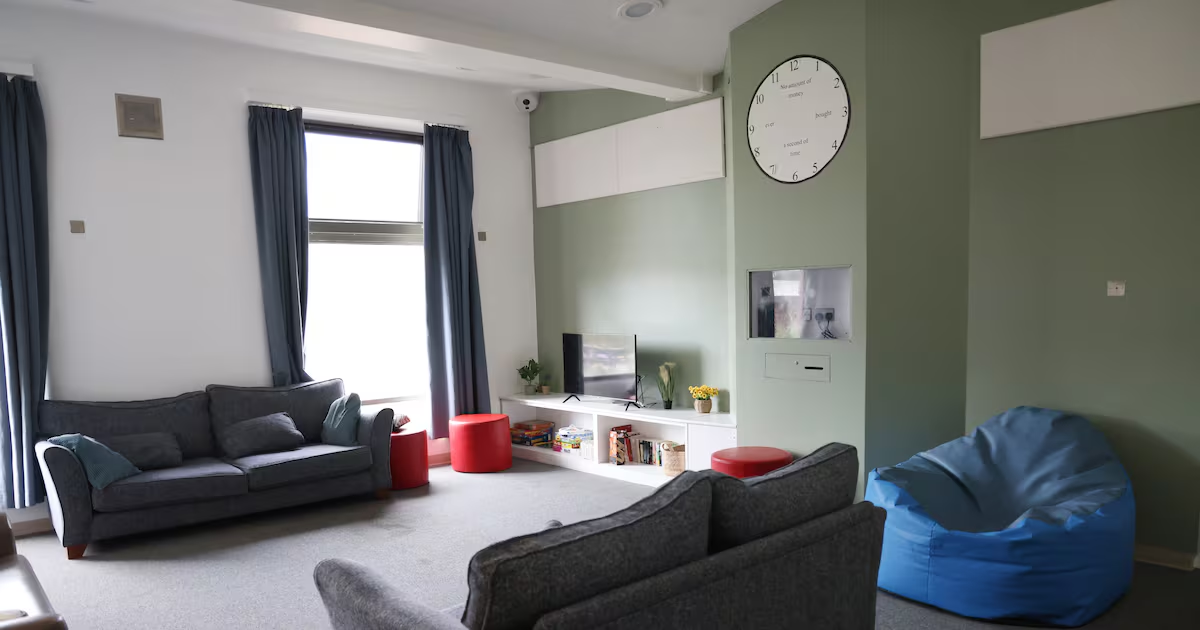
Staff working in Tusla’s special care system are “approaching crisis point” and concerned for the “safety” of the emotionally disturbed children they care for, correspondence shows. In a series of letters to Minister for Children Norma Foley, workers at the largest special care unit, Crannóg Nua in north Dublin, ask the Fianna Fáil TD to “intervene” in the area.“We believe special care services are now approaching a crisis point,” they wrote in a letter dated May 12th. “Staff morale is at its lowest level in recent years, with many colleagues reporting significantly increased stress levels, fatigue, and growing concerns regarding both staff and young person safety.” Special care is the most secure form of Tusla care, where highly disturbed and dysregulated children, aged 11-17, may be detained by the High Court for therapeutic interventions, where their lifestyles in the community put them or others at high risk.Just 14 of the 26 special care beds are operating due to severe challenges recruiting and retaining staff. One child, whom the High Court ordered several weeks ago be detained in special care, remains without a bed.The court has heard staff absenteeism is running at 35 per cent in Crannóg Nua, and security guards are deployed to ensure staff and child safety. Heavily redacted letters sent to Foley by staff at Crannóg Nua and a smaller unit, Coovagh House in Limerick, dating from late last year, were released under Freedom of Information legislation. [ Staffing at State’s largest centre for vulnerable children has ‘fallen off a cliff’Opens in new window ]The Irish Times then obtained unredacted copies of the Crannóg Nua letters detailing workers’ serious concerns about changed work practices, governance, “feeling unsafe”, “understaffing” and “structural instability”. All but one of the six paragraphs in an April 10th letter were redacted in the copy released by the Department of Children. Referring to a consultation process under way between staff and Tusla management on new worker grades and practices, staff in the unredacted copy of a letter said their “continued engagement in good faith has been tested” by the “removal” from post, “effective immediately”, of the then national director of special care, Mark Smith. Smith had, they said, “consistently” articulated staff concerns around the safety and care of the young people. They had been told his “position was not aligned with the direction of the proposed changes”. Smith was contacted for comment. There was “fear among the team for the future of special care for both the young people and [staff]”, they said.In a May 12th letter, in which five of the six paragraphs were redacted in the copy released under FoI, staff said they had “grave and immediate concerns regarding staffing levels and operational safety” at Crannóg Nua. The staffing ratio, which at “optimal” should be eight staff per child over 24 hours, was “closer” to 3.8 to one and only sustained by staff working overtime. “Staff are increasingly concerned that the service is now operating within what many perceive to be an unsafe system of work.”They wrote that “despite substantial organisational change” intended to aid efforts at staff recruitment and retention, “the service continues to experience critical staffing shortages, increasing reliance on overtime, reduced morale and escalating pressures on frontline staff”. Staff remained “committed to providing the highest possible care to the young people”, they said. “However, we believe the current position is becoming increasingly unsustainable and now requires immediate intervention.”A department spokesman said it remained committed to supporting Tusla in its engagement with staff, in responding to concerns raised, and in addressing the ongoing challenges facing special care.A Tusla spokesman said the agency had always been “transparent about the challenges we face in increasing capacity in special care”.He said a new “enhanced grade” – the new special care worker grade, had attracted “increased interest” in working in the area. Its creation had “required adjustments to the supervisory structures” that were “essential to ensure the stability and sustainability of the special care service”.The deployment of two security guards at Crannóg Nua was “an added safeguard in response to significant incidents of violence and aggression against staff” and was not “to compensate for staffing shortages”, he added.
Special care services for emotionally disturbed children ‘approaching crisis point’
Staff wrote to Minister for Children asking her to intervene, citing low morale, high stress and concern for safety of youths
693 words~3 min read