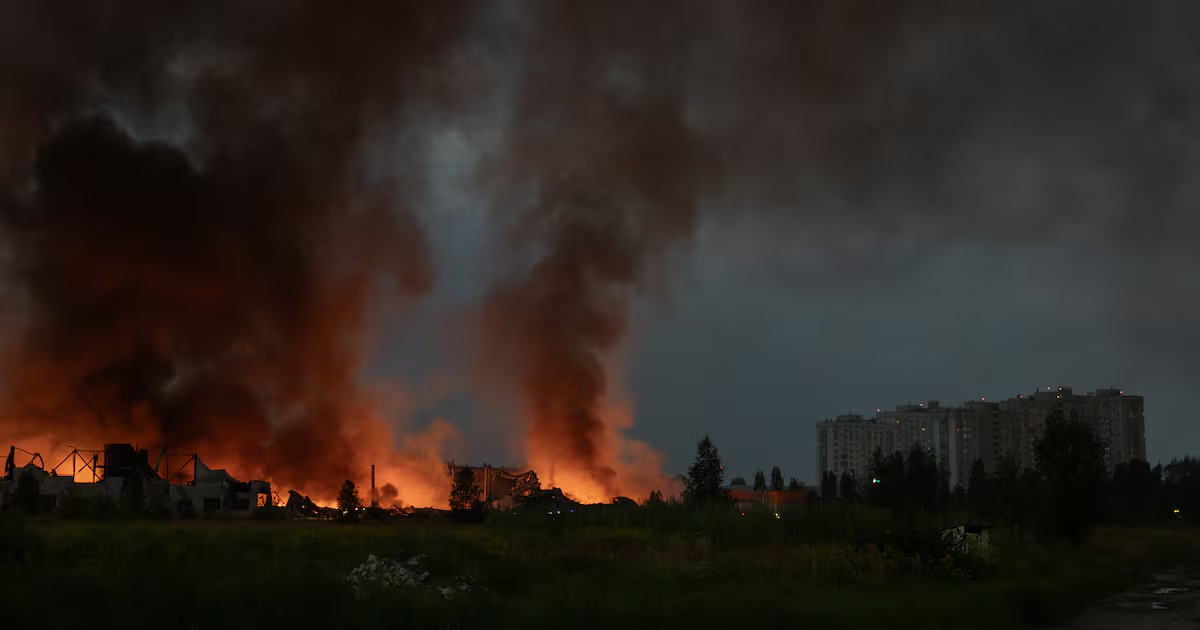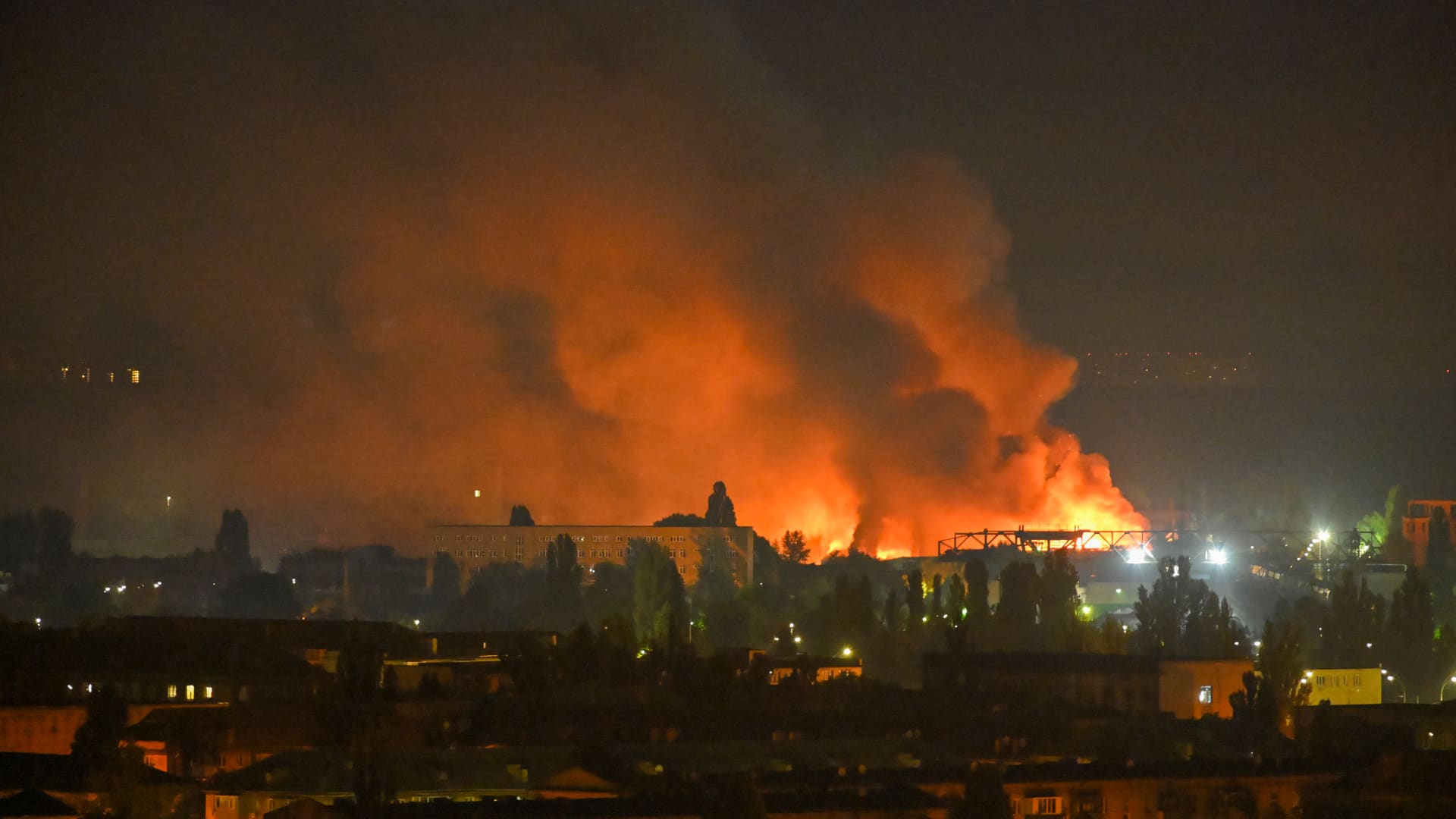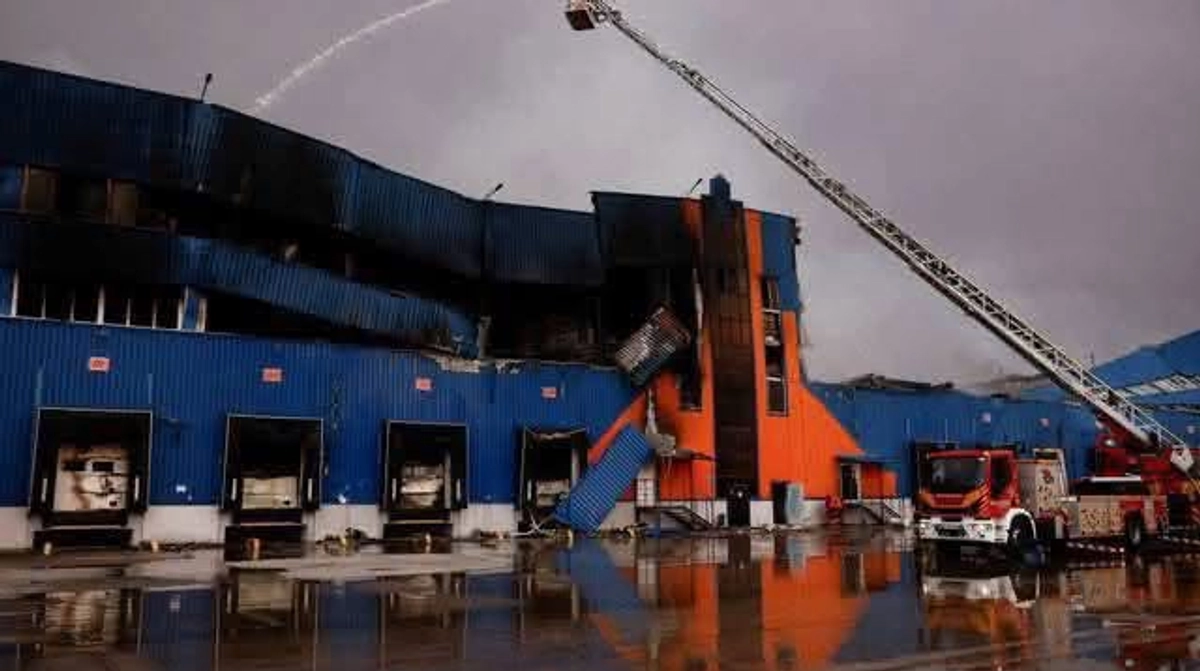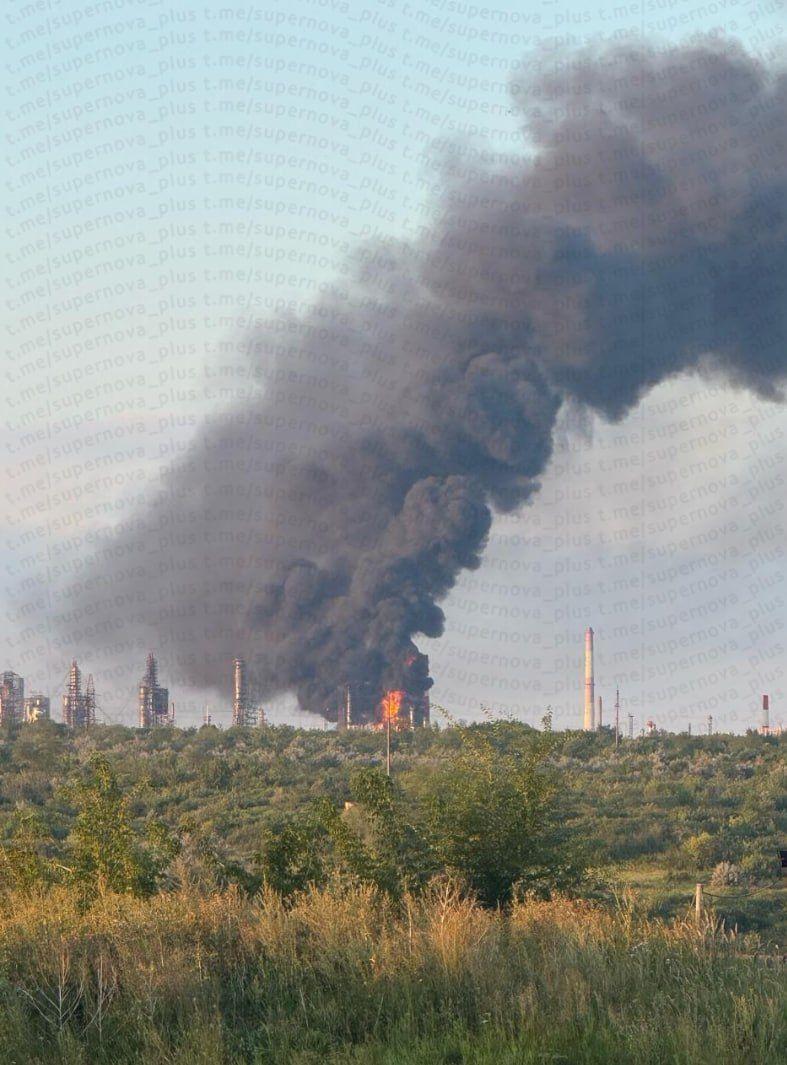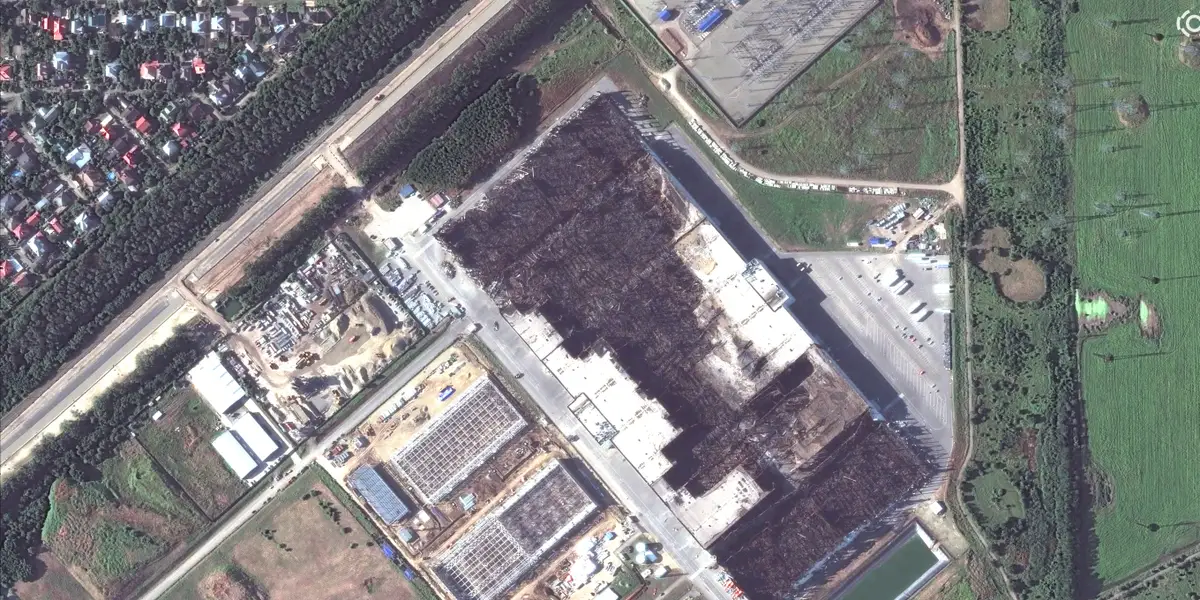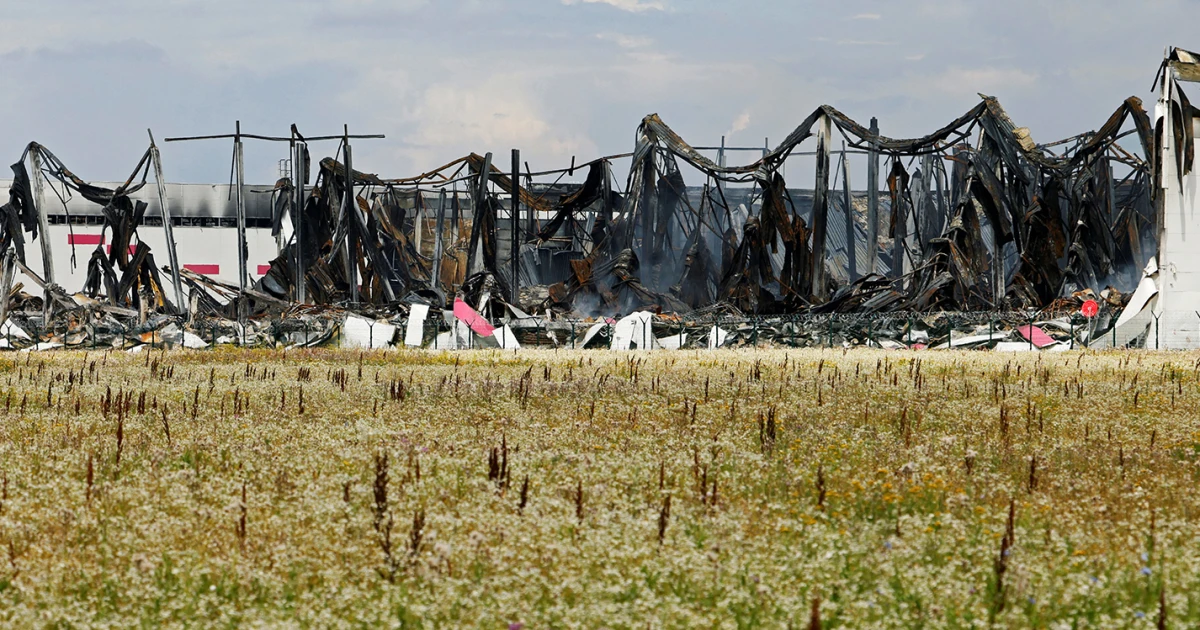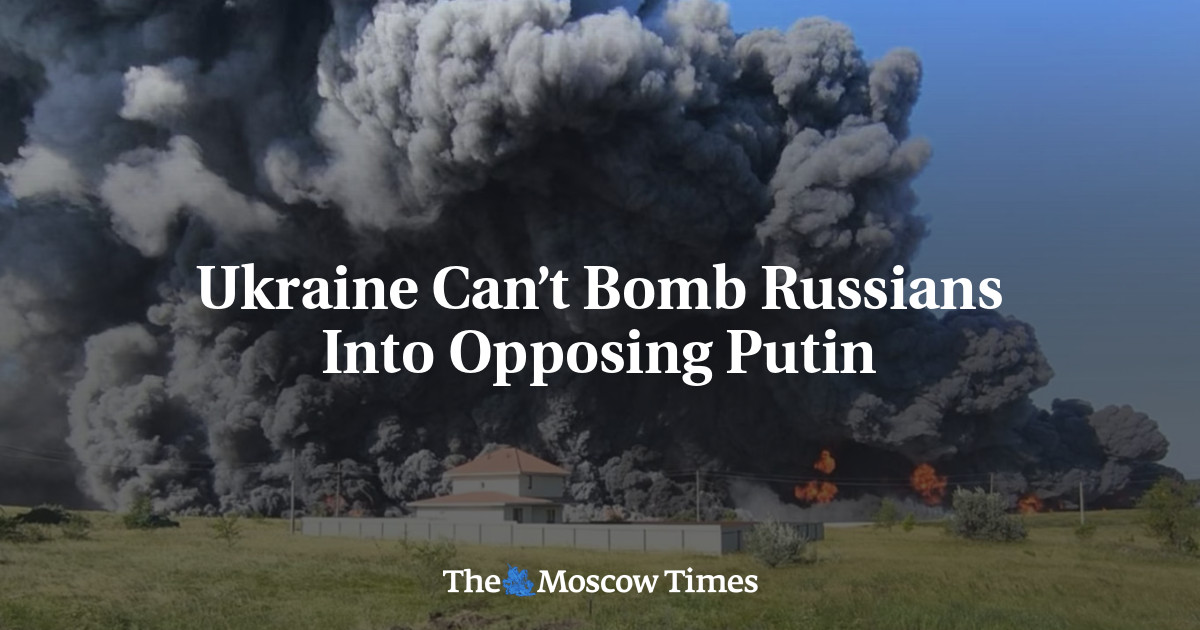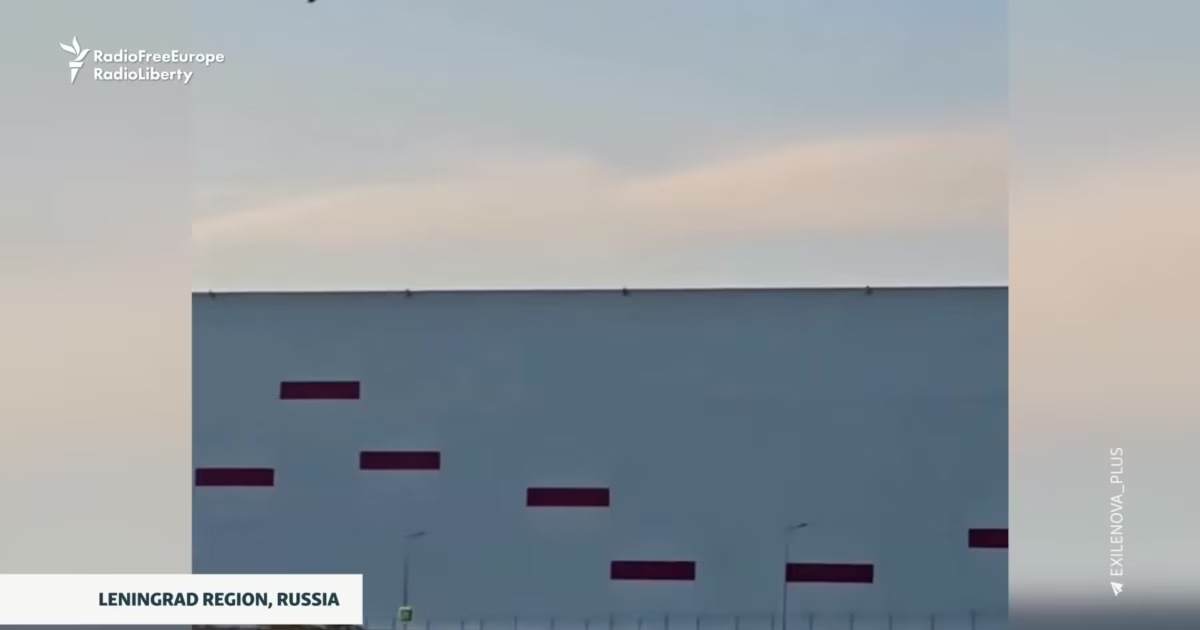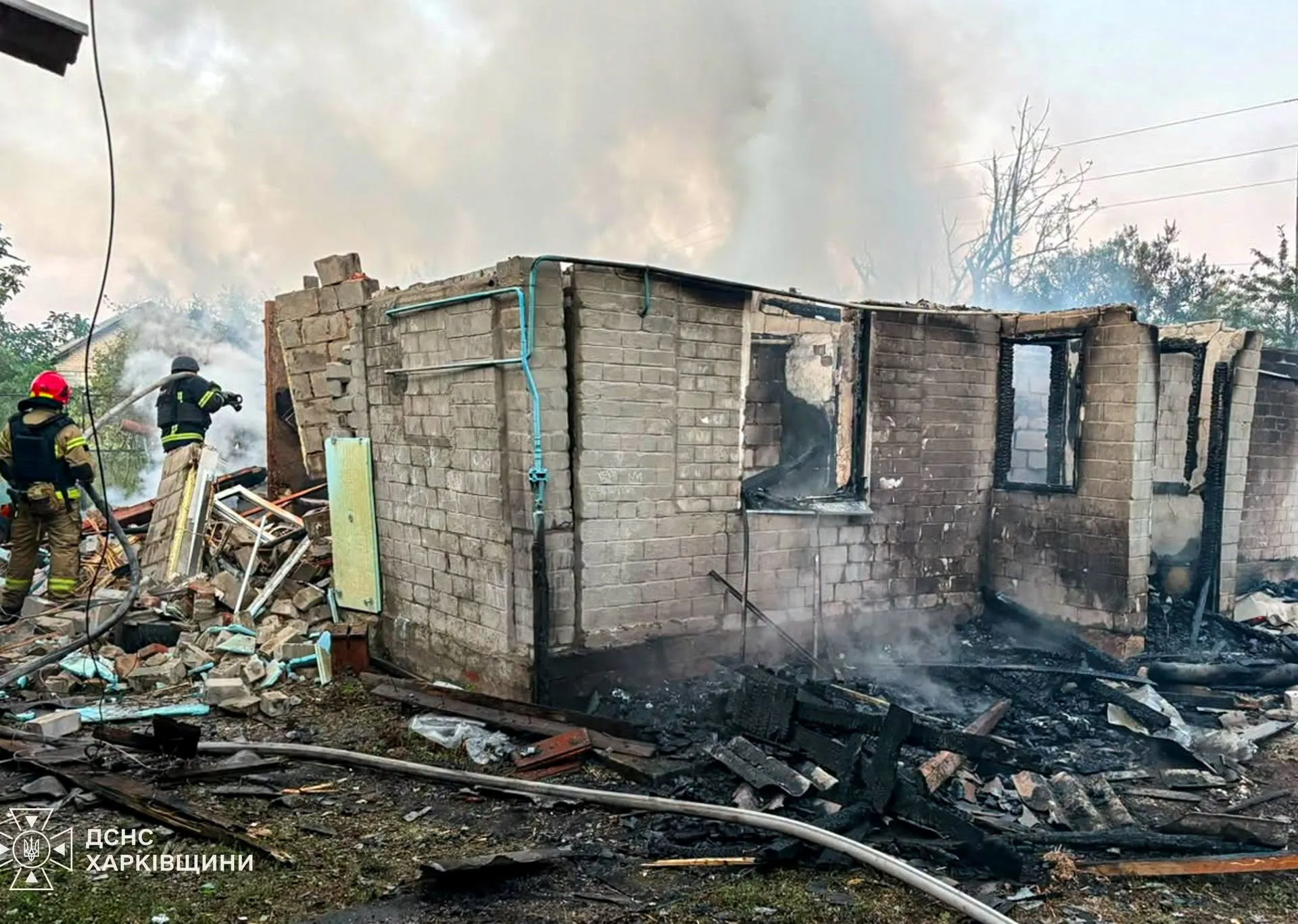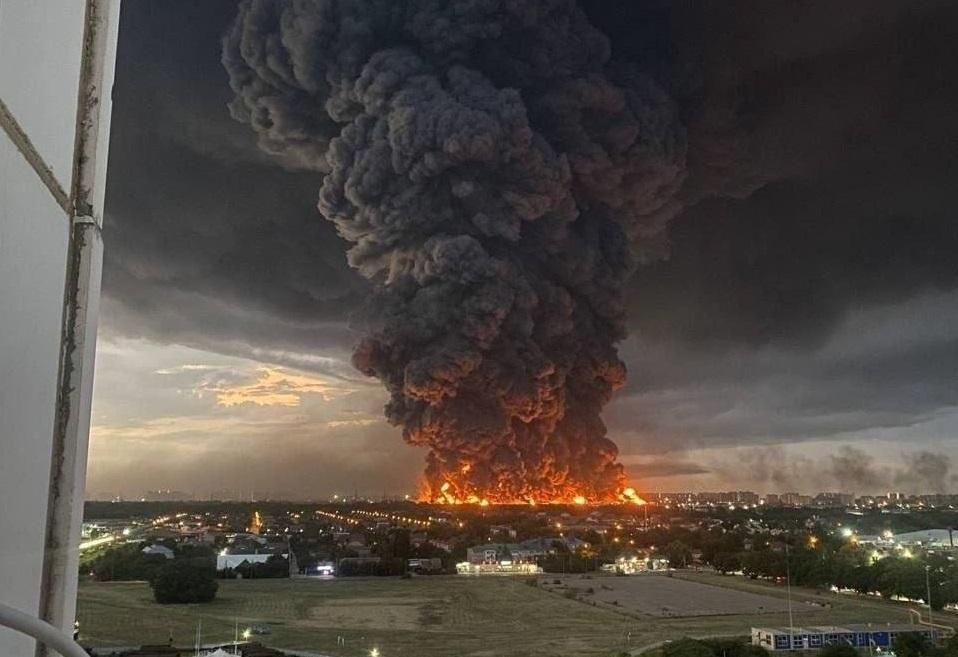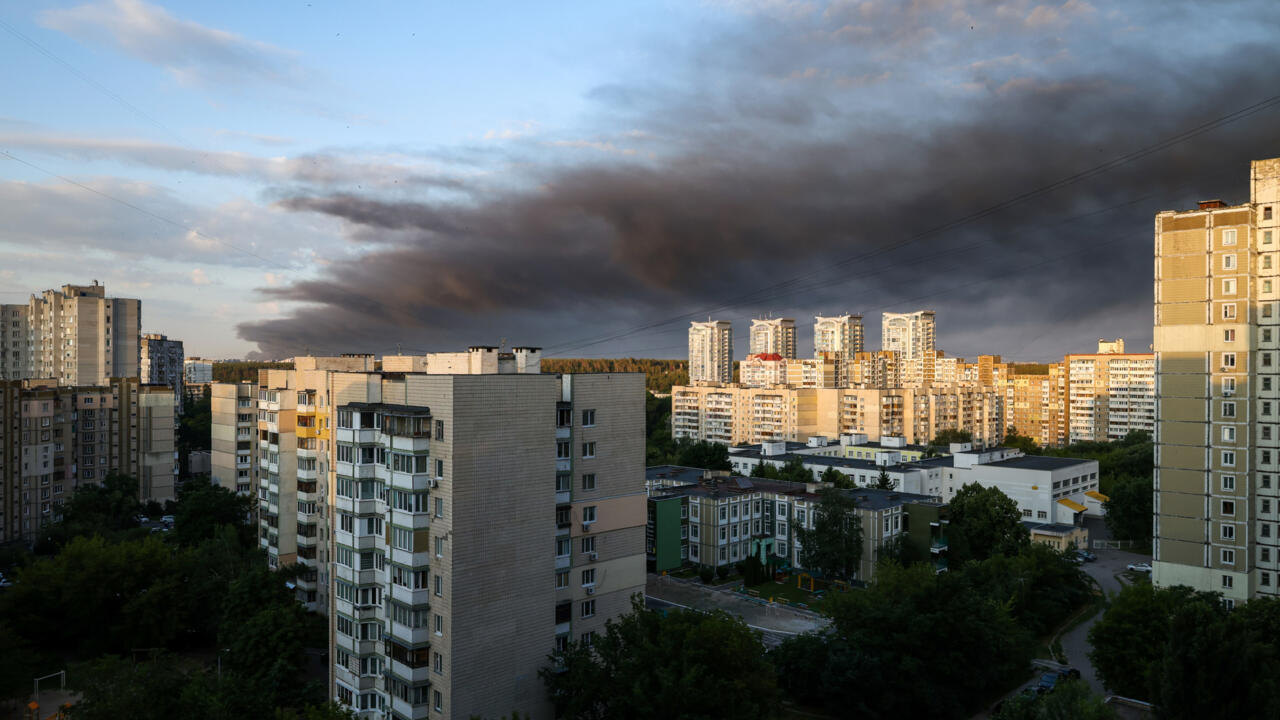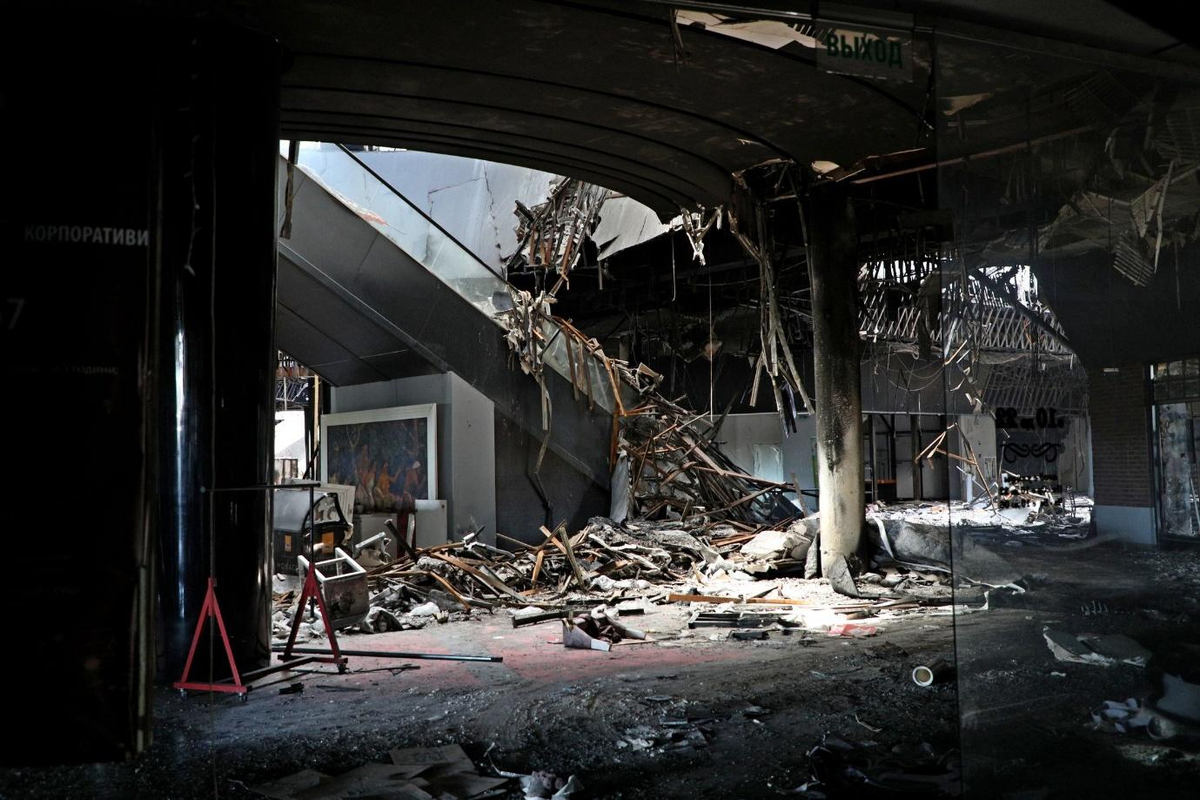
On the night of Wednesday, Aug. 5, Russia launched a massive attack against humanitarian infrastructure in Ukraine. The large-scale missile strike, which included 28 ballistic missiles, destroyed up to 100,000 square meters (25,000 acres) of warehouse facilities at several locations around Kyiv.JOIN US ON TELEGRAMFollow our coverage of the war on the @Kyivpost_official. The attack damaged refrigerated storage facilities used by the capital’s leading supermarket chains, warehouses belonging to the major retail chains Rozetka and Epicentr, warehouses of the Novus and Silpo supermarket chains, as well as storage facilities belonging to many well-known brands, including: The warehouse of Liqui Moly was completely destroyed. The warehouse containing Bosch products was completely destroyed. Warehouses belonging to Puma, Intertop, and Toyota were damaged. Among other losses, Toyota lost a warehouse of spare parts used for warranty servicing of vehicles. Russian propaganda immediately began spreading across social media – targeting both European and Ukrainian audiences – claiming that the warehouse strikes were supposedly retaliation for Ukraine’s attacks on Wildberries. In fact, this narrative is nothing new. Russia has long claimed that it is supposedly forced to carry out retaliatory strikes, using this argument to justify its barbaric terror against Ukraine’s civilian population. But this is precisely where the fundamental problem lies. Russia’s attacks on Ukraine’s humanitarian sector and civilian logistics have never stopped since the very first day of the full-scale invasion. Ukraine’s strikes against Russia’s commercial infrastructure began less than a year ago. From the very first day The truth is that Russia’s massive attacks on Ukraine’s humanitarian sector and civilian infrastructure began on the very first day of the full-scale war.
Why Russia Is Actually Attacking Ukrainian Food Warehouses
Russian propaganda claims that the strikes on warehouses in Kyiv during the latest missile attacks were supposedly retaliation for Ukrainian strikes against Russian retail. We explain why this is not the case.
1,771 words~8 min read