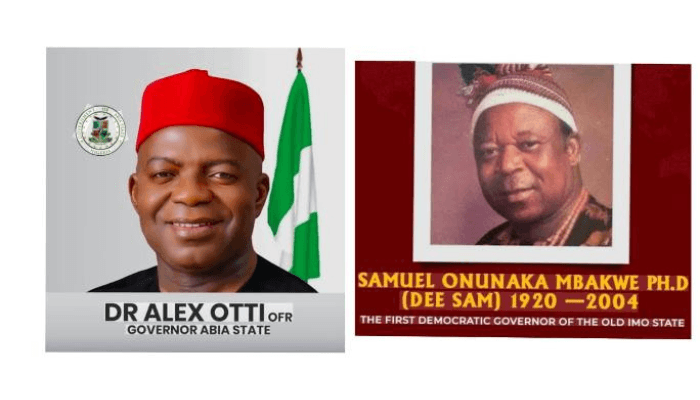
Do you know that history rarely produces leaders whose names become synonymous with development? In Nigeria’s post-independence political history, only a few governors have achieved that distinction. And, among them stands Dee Sam Mbakwe, whose tenure as Governor of the old Imo State between 1979 and 1983 permanently and to date altered public expectations of what purposeful leadership could accomplish.
One outstanding fact that can’t be erased is that even more than four decades after leaving office, Mbakwe’s name remains shorthand for visionary governance. It has been on record that across today’s Imo, Abia, Ebonyi and parts of Rivers State, the territories carved out of the old Imo State, roads, educational institutions, hospitals and industrial estates associated with his administration still shape public memory to date. His lasting and enduring legacy demonstrates an important principle that visibly shows that governments are remembered less for political speeches or white elephant projects in print than for institutions and infrastructure that survive them.
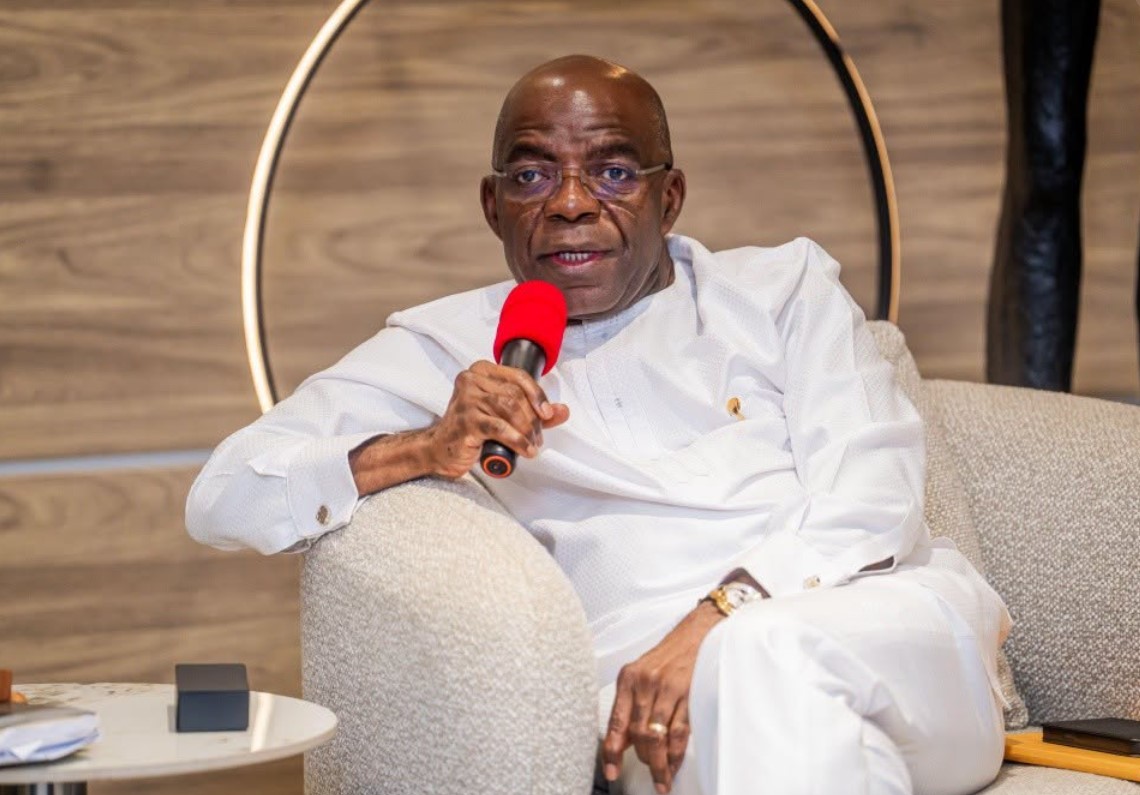
Today, a similar conversation is unfolding in Abia State. Governor Alex Otti, now in the middle of his first term, is increasingly being compared with the legendary Mbakwe. While noting that it is not a risk, such comparisons should neither be dismissed as political enthusiasm nor accepted as settled history. They deserve careful examination through the lens of governance, economics and institutional transformation. History ultimately rewards evidence, not sentiment.