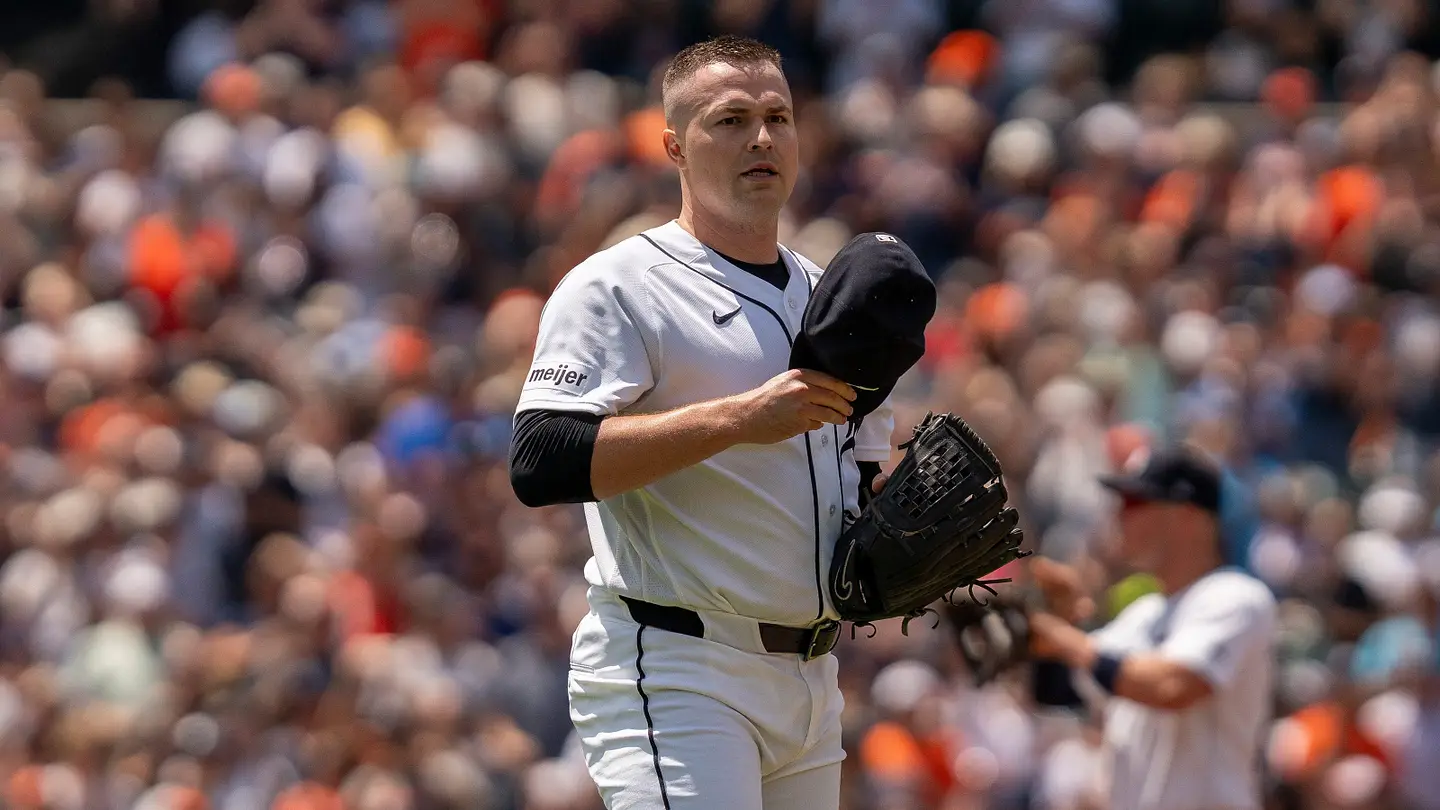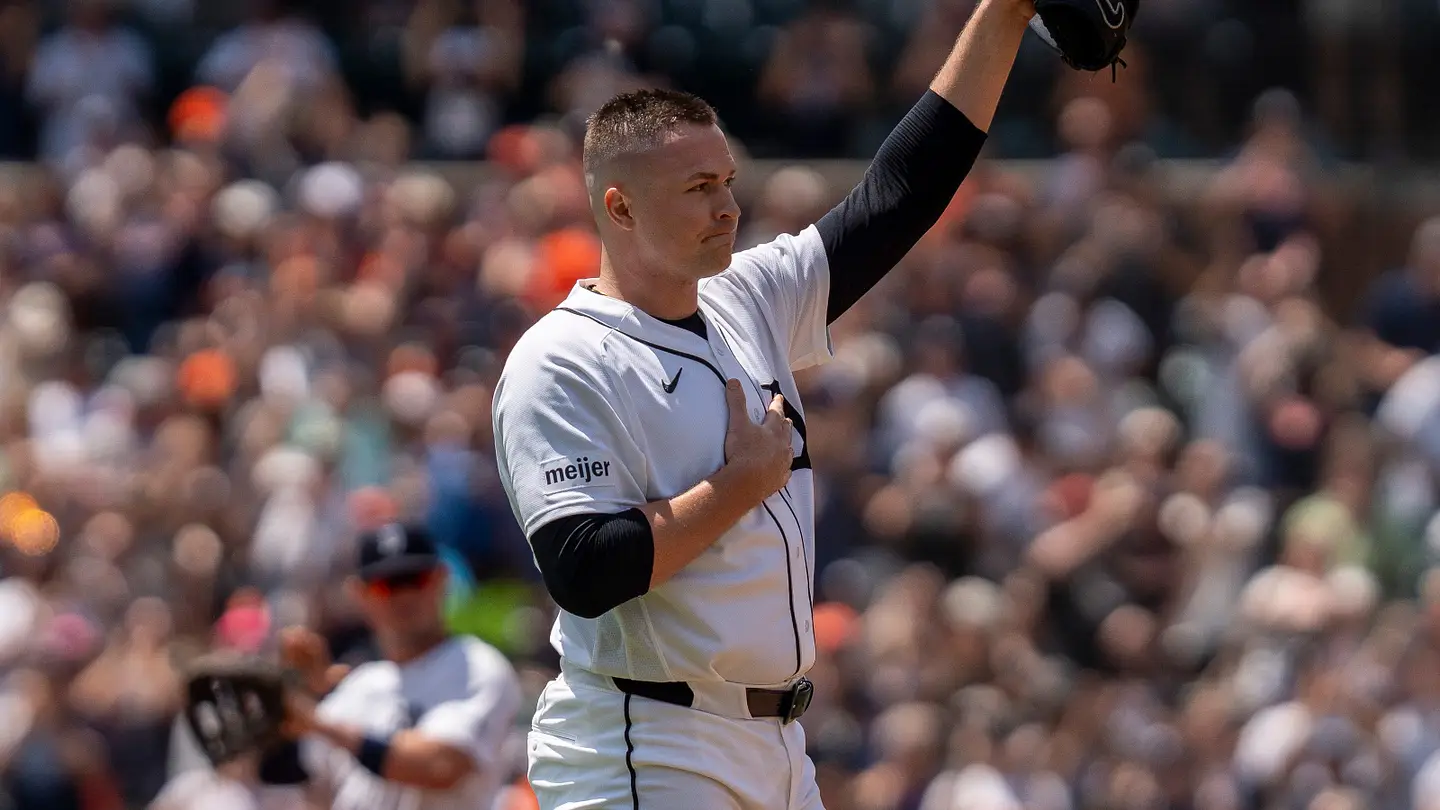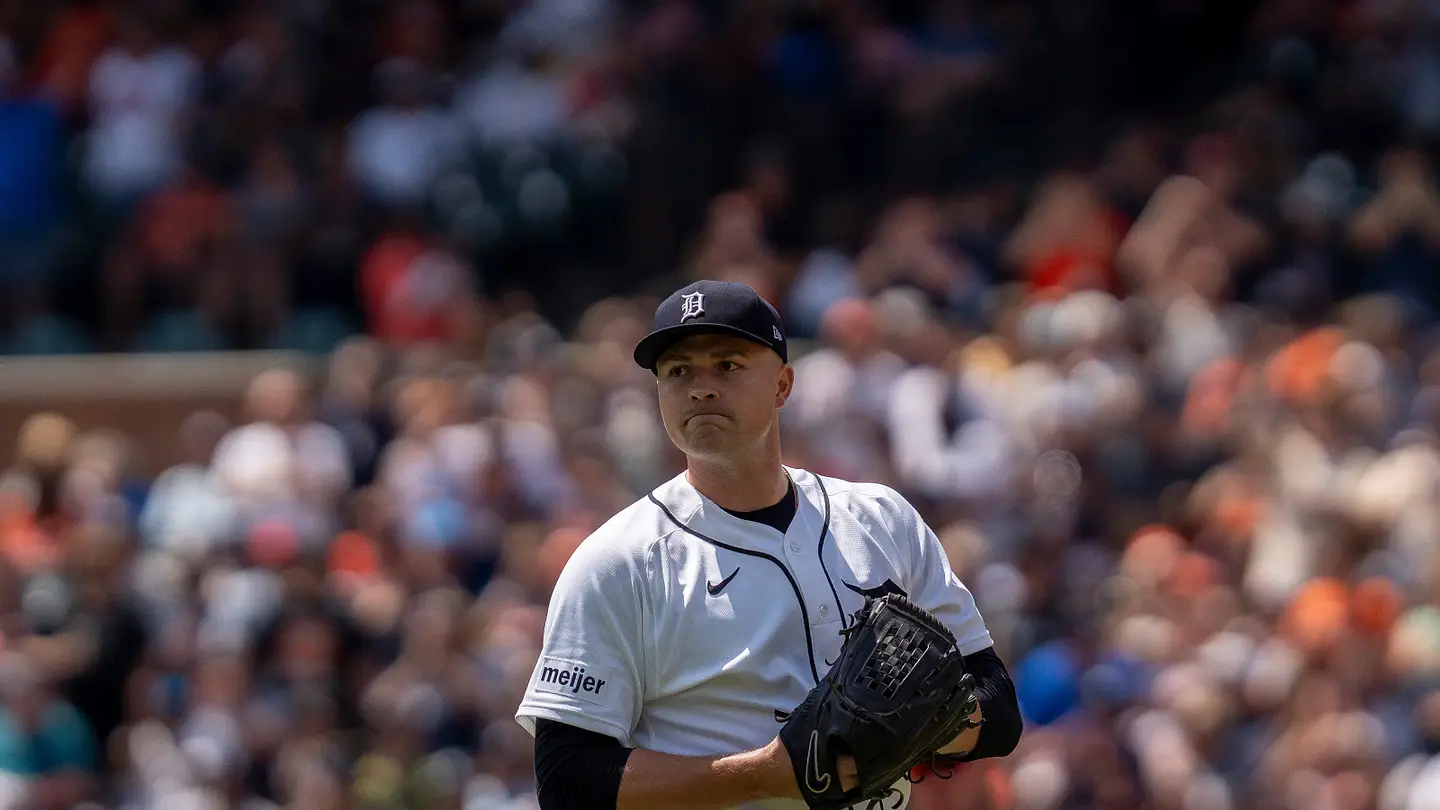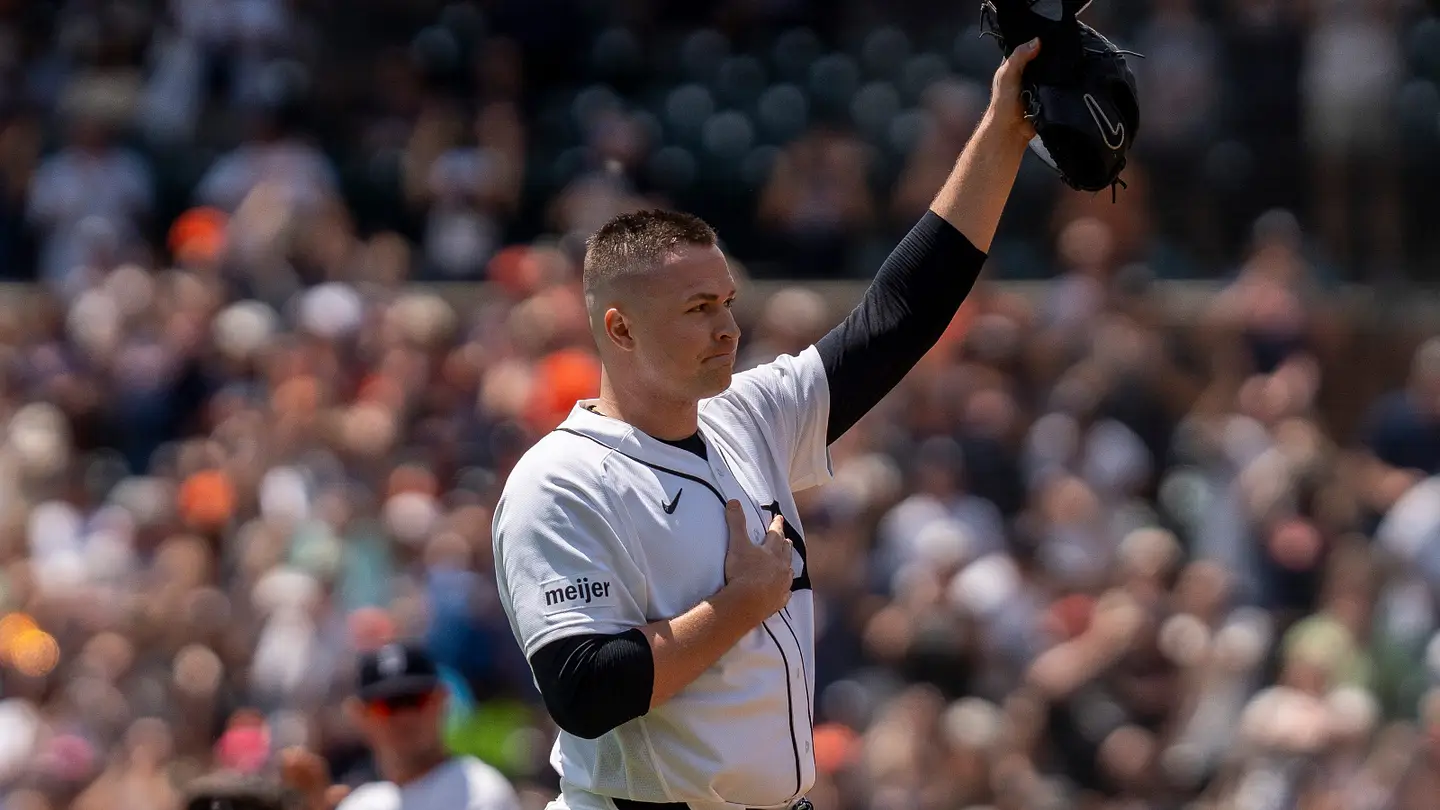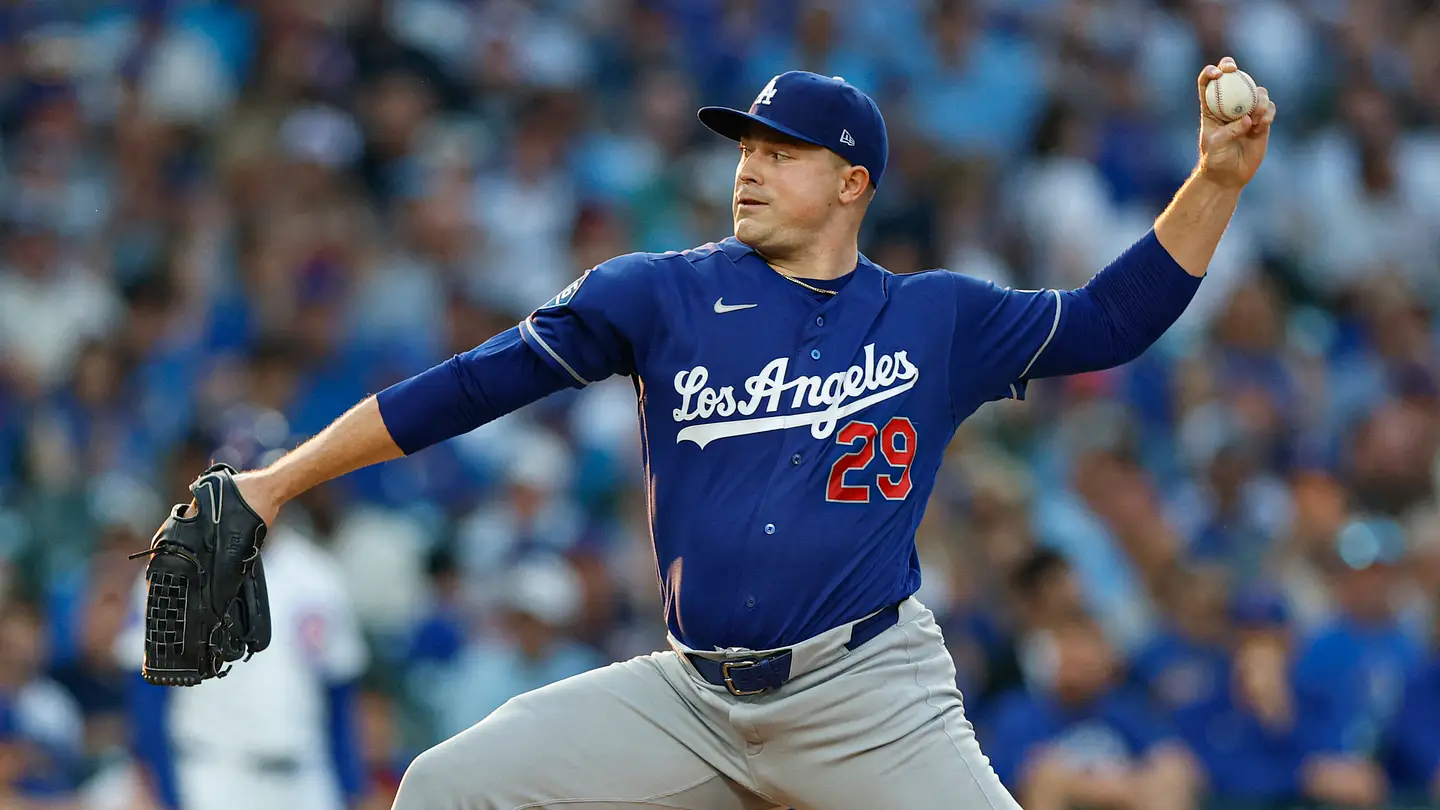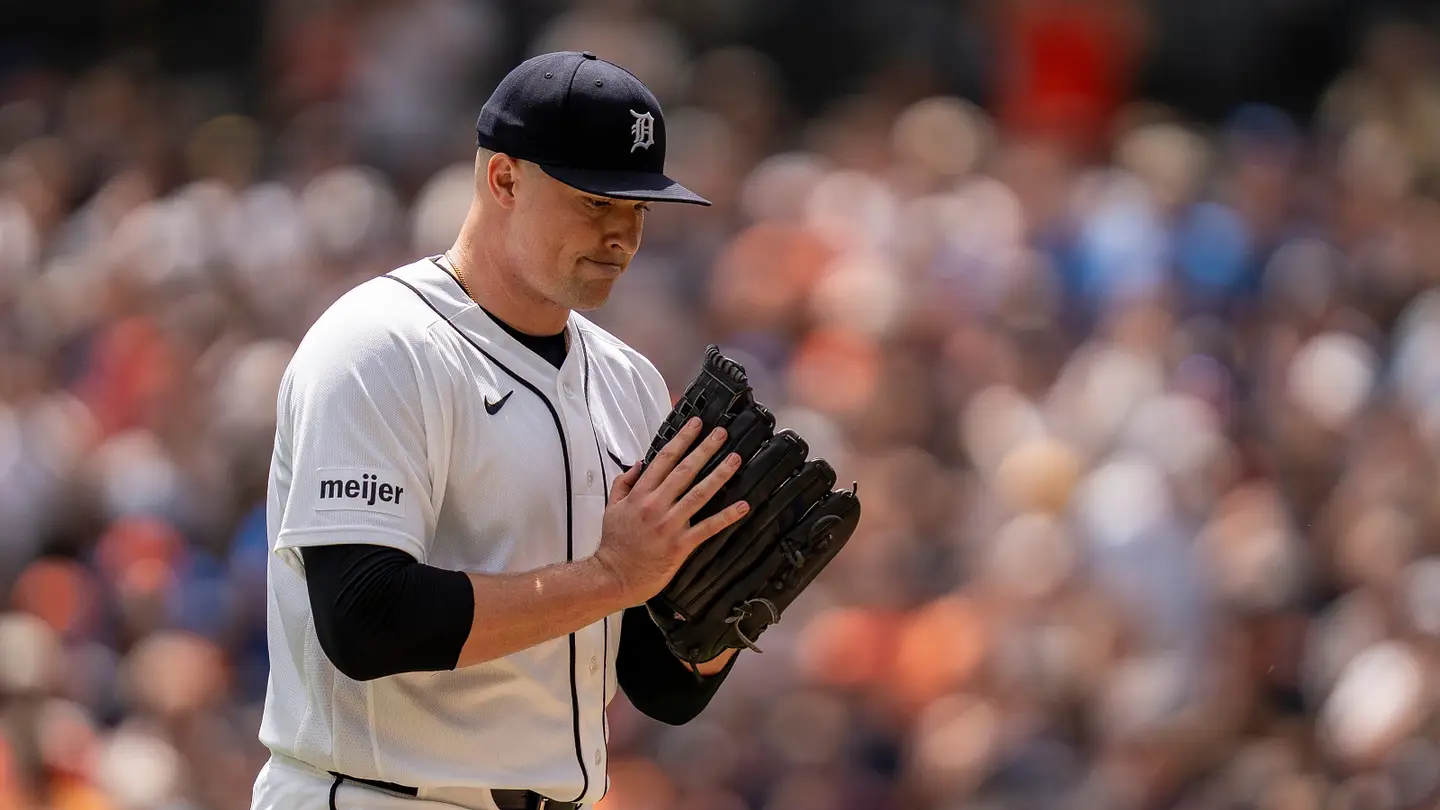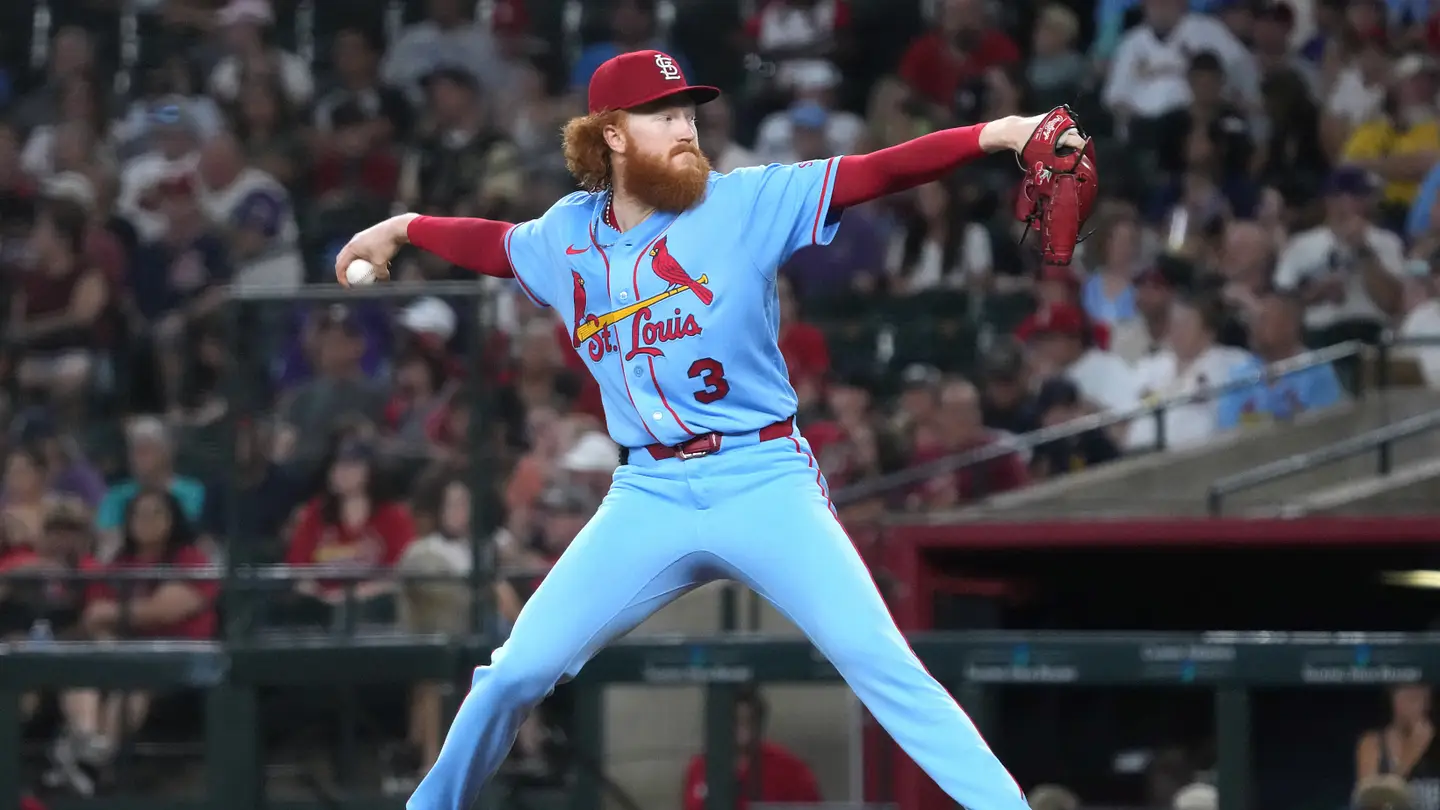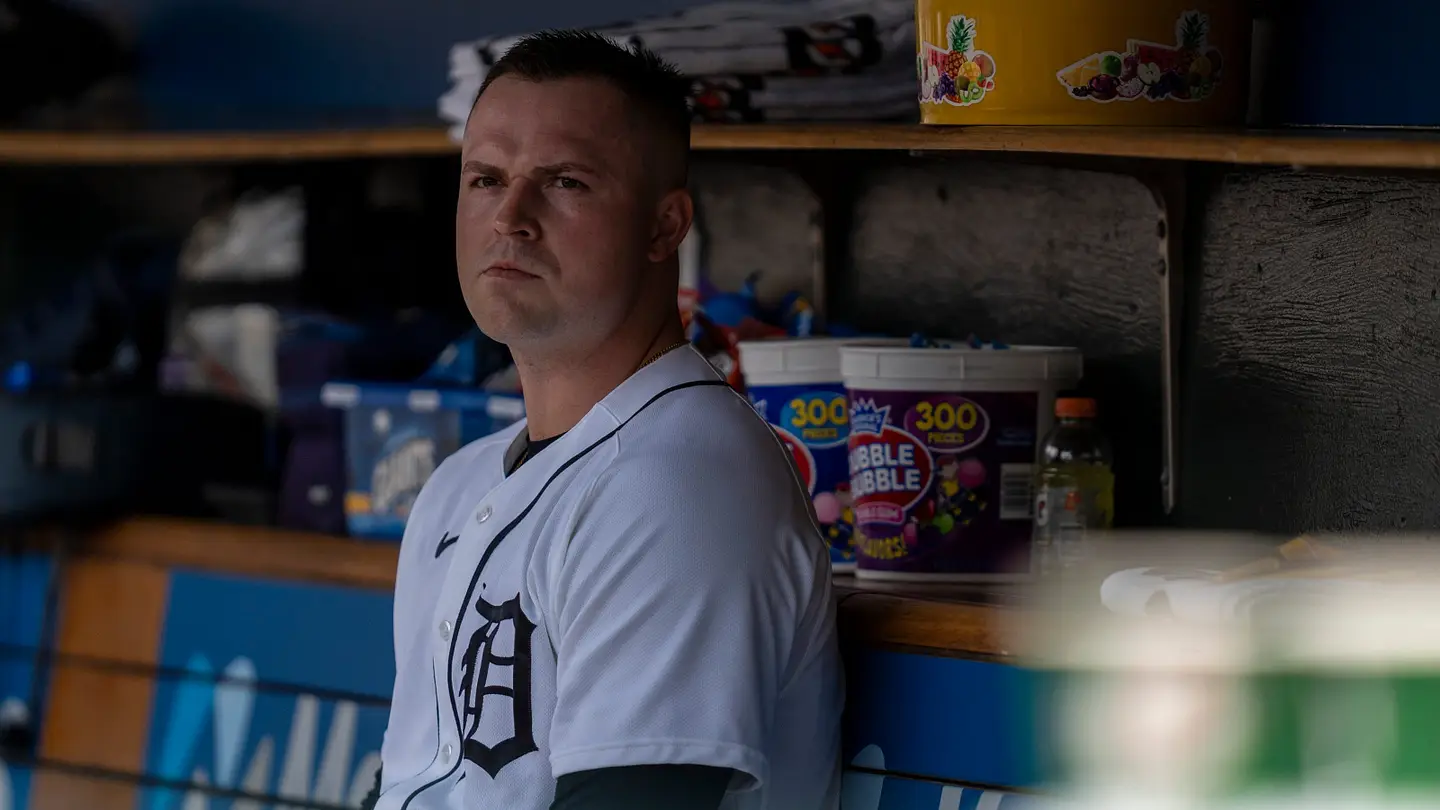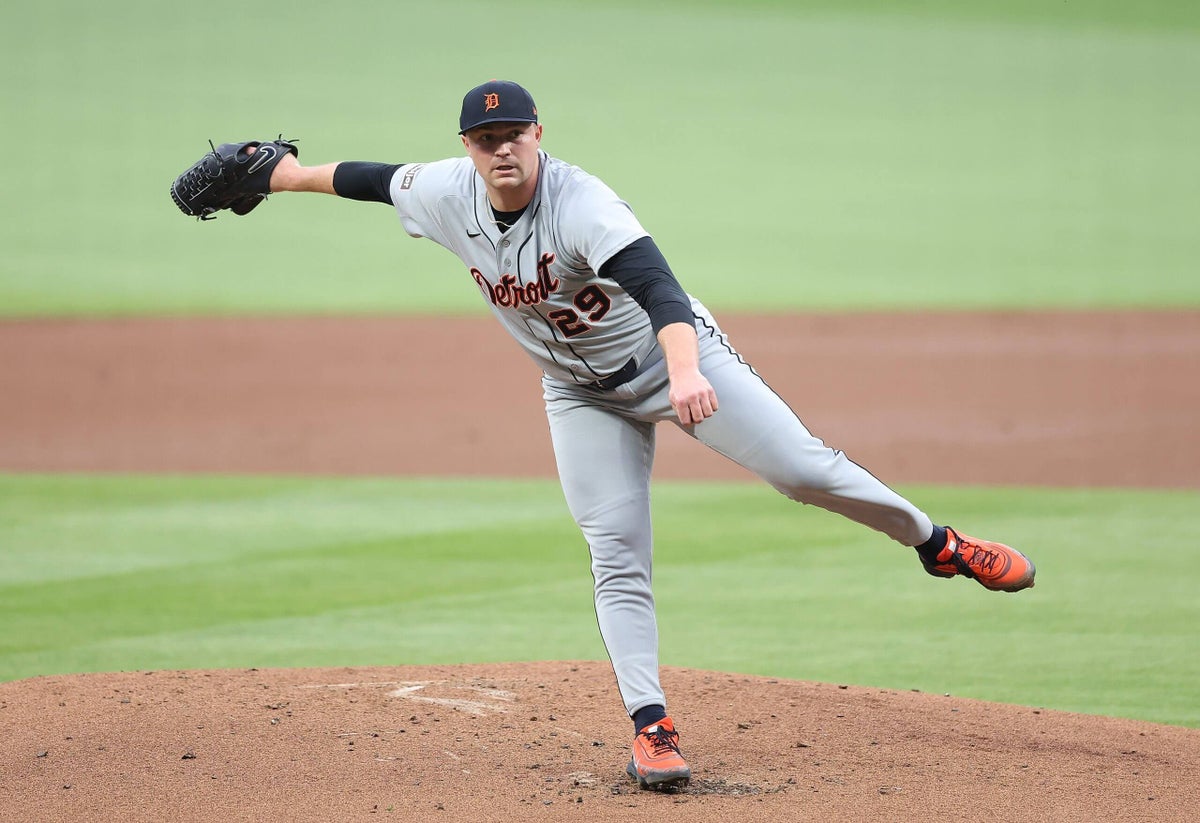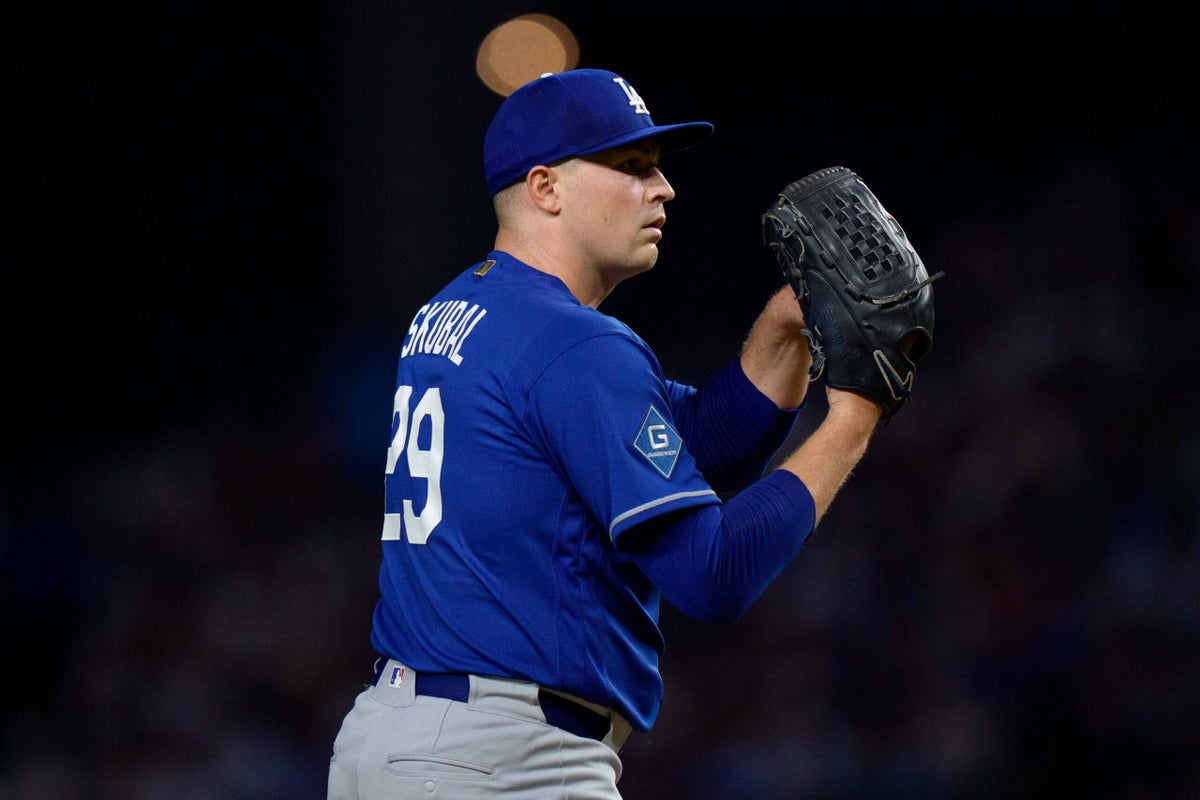
In the end, the Los Angeles Dodgers simply made the best offer.One of the three players they traded for Tarik Skubal, outfielder Zyhir Hope, ranked 26th on Keith Law’s list of the top 70 prospects. Another, right-hander River Ryan, was 41st. FanGraphs ranked Ryan as the top prospect moved at the deadline and Hope sixth. Baseball America had Hope third and Ryan ninth.The third player that went to Detroit, right-hander Brady Smith, isn’t as highly regarded, but also helped satisfy the Tigers’ desire to balance their position-player prospects with more pitchers. The Tigers recently drafted right-hander Cameron Flukey 22nd overall out of Coastal Carolina with the same idea.The exact offers for Skubal are not known. But executives from multiple teams in the talks, granted anonymity for their candor on details of the process, offered a rough overview of the conditions that allowed the Dodgers to prevail over other suitors, which included the Atlanta Braves, Tampa Bay Rays, New York Yankees, Chicago Cubs and Milwaukee Brewers.Rather than making pitching a requirement in any deal, the Tigers prioritized pursuing the greatest overall value. If the Brewers offered infielders Jesús Made and Luis Peña, Law’s No. 2 and 22 top prospects, respectively, then sure, the Tigers would have done it. The Brewers would have been foolish to part with both for a rental, even one as good as Skubal. But they were serious in their proposals.Rather than one set proposal, the Brewers gave the Tigers multiple paths to consider. Some of those paths included pitching. Some included Peña and outfielder Alexander Frias, who later went to the St. Louis Cardinals in a trade for right-hander Dustin May and lefty reliever JoJo Romero. Some included infielder/outfielder Jett Williams, whose stock among some evaluators is not as high as it was last offseason when the New York Mets included him in their trade for righty Freddy Peralta.The Braves never got close to a deal for Skubal, even though they made virtually all of their young players available, including right-handers AJ Smith-Shawver and JR Ritchie. The same was true for the Chicago Cubs. Infielder Jefferson Rojas, the prospect they sent to the New York Mets for right-hander Clay Holmes and outfielder Tyrone Taylor, is not at the level of Hope.Yankees general manager Brian Cashman said he would not part with a “certain player” the Tigers wanted for Skubal. That player almost certainly was shortstop George Lombard Jr., who has been a revelation defensively since making his major-league debut this week.The Rays, too, did not appear to be a major factor. They were prepared to offer a high quantity of prospects for Skubal, but most would have been further away from the majors than Hope and Ryan. The Tigers wanted players who were closer.How Tarik Skubal strengthens the Dodgers' repeat bidKatie Woo and Jeshua KiddHow the Dodgers had an edgeSkubal technically was correct when he said, “every team could trade for me.” Unlike in free agency, the best proposal of talent determined the outcome, not the highest monetary bid. That said, several executives said the Dodgers’ vast financial resources made a difference in which players they could offer, ultimately giving them an advantage.The Dodgers have four high-priced starting pitchers — Shohei Ohtani, Yoshinobu Yamamoto, Blake Snell and Tyler Glasnow — giving them greater flexibility to trade prospects such as Ryan and Smith. The reason they could include Michael Busch as part of a four-player deal for Hope in January 2024 was that they had Freddie Freeman, a free-agent acquisition, at first base.The Brewers operate differently. As an example, if they knew they could sign shortstop Jeremy Peña as a free agent after next season, perhaps they would have been more comfortable trading one of their infield prospects and more for Skubal. But small-market teams generally don’t make such moves, fearing that an expensive mistake can be crippling.The lingering question, however, is whether the Brewers, in this particular case, could have been more aggressive. The way teams resist trading prospects, it’s almost as if they assume every one of them will become a star. The hit rate on such players isn’t nearly that good. And when a team’s system is as deep as the Brewers’, the risk of being caught short on young talent isn’t as great.Why Ryan intrigued the TigersRiver Ryan, who turns 28 on Aug. 17, is older than Juan Soto. He has pitched more than 60 innings in a season only once in the past decade as a collegian and professional. His combined innings total for the last three seasons is 56 2/3.What, then, was the Tigers’ fascination with him?It came down to his stuff.Ryan’s five pitches all rate as above-average to elite. The Stuff+ model ranks him second in Triple A only to righty Luis Perales, the pitcher the Boston Red Sox sent to the Washington Nationals last December for lefty Jake Bennett.
Details about the Tarik Skubal trade deadline sweepstakes and more MLB notes
Examining the Dodgers’ advantage, why the Tigers were intrigued by River Ryan, and why the Braves approached the deadline the way they did
2,382 words~11 min read