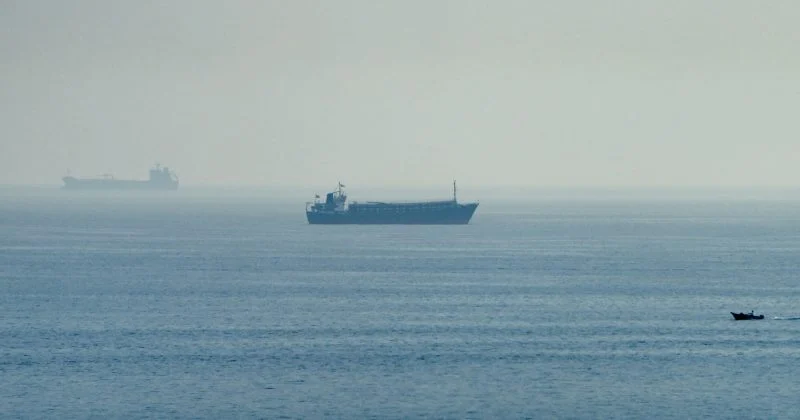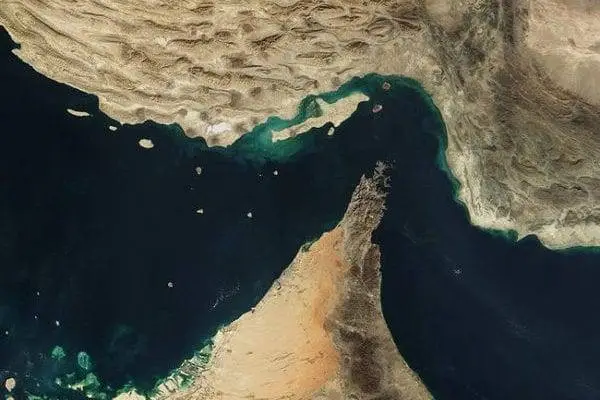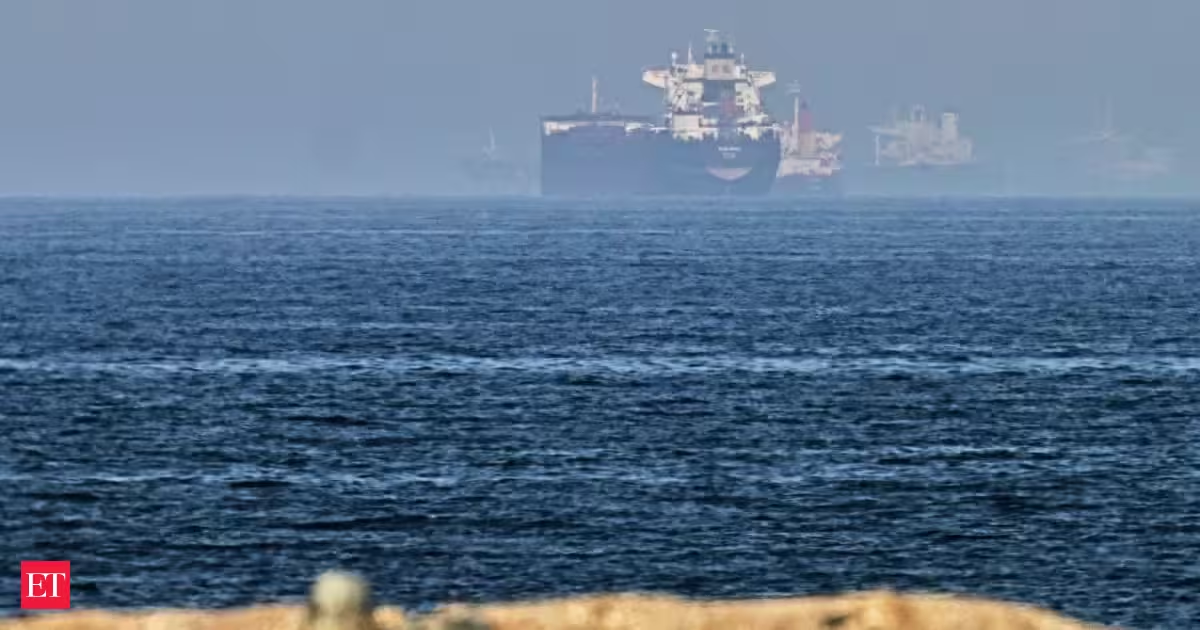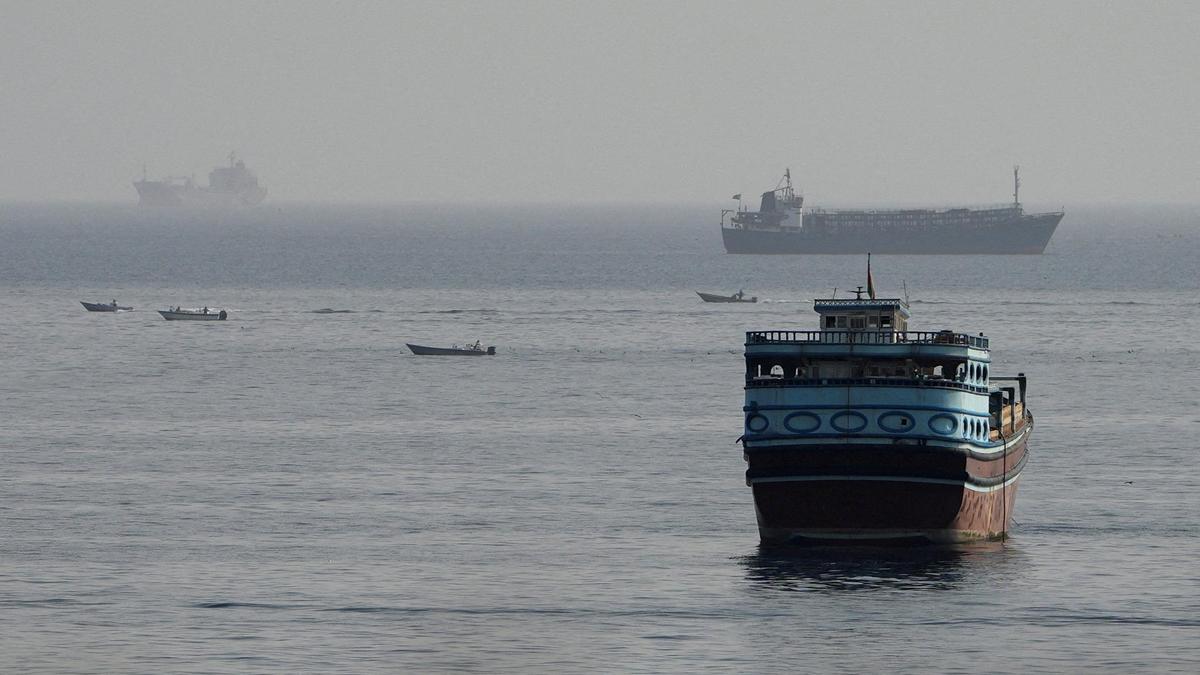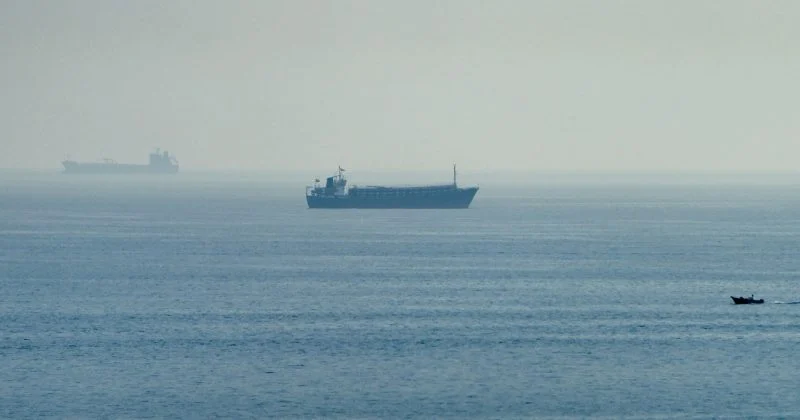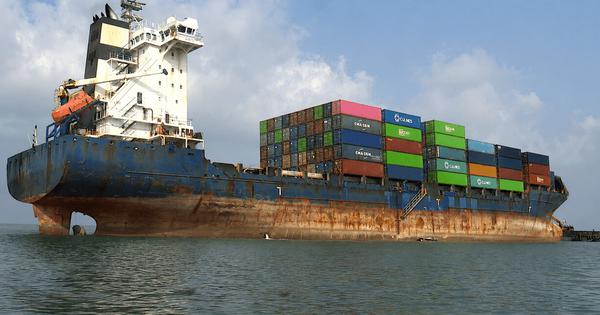
The IRGC-affiliated Fars News Agency, citing an informed official from the Ministry of Foreign Affairs, reported that the Islamic Republic of Iran and Oman have reached an understanding regarding shipping entry and exit routes through the Strait of Hormuz. Following a transitional phase, all maritime traffic will shift to a central corridor, with transit fees structured around services rendered rather than as a percentage of cargo value.
Under the framework negotiated with Muscat, inbound vessel traffic will initially be routed through the northern corridor near the Iranian coastline. In contrast, outbound traffic will utilize the southern corridor along the Omani coast.
Following the transitional period, traffic through both individual coastal corridors will cease, consolidating all vessel movements into the central corridor. Under this arrangement, inbound maritime traffic will fall under Iranian management, while outbound traffic will be jointly administered by Iran and Oman. The source also refuted rumors regarding a 3% or 7% tariff on cargo value, stating that transit fees will strictly reflect the operational services provided to passing vessels.
Hours prior to the Fars report, Reuters cited a senior Iranian official and two regional figures indicating that the proposed agreement would grant Tehran operational control over inbound shipping into the Persian Gulf. According to Reuters sources, this concession represents a key element of negotiations intended to help conclude the five-month war involving Iran and the United States.