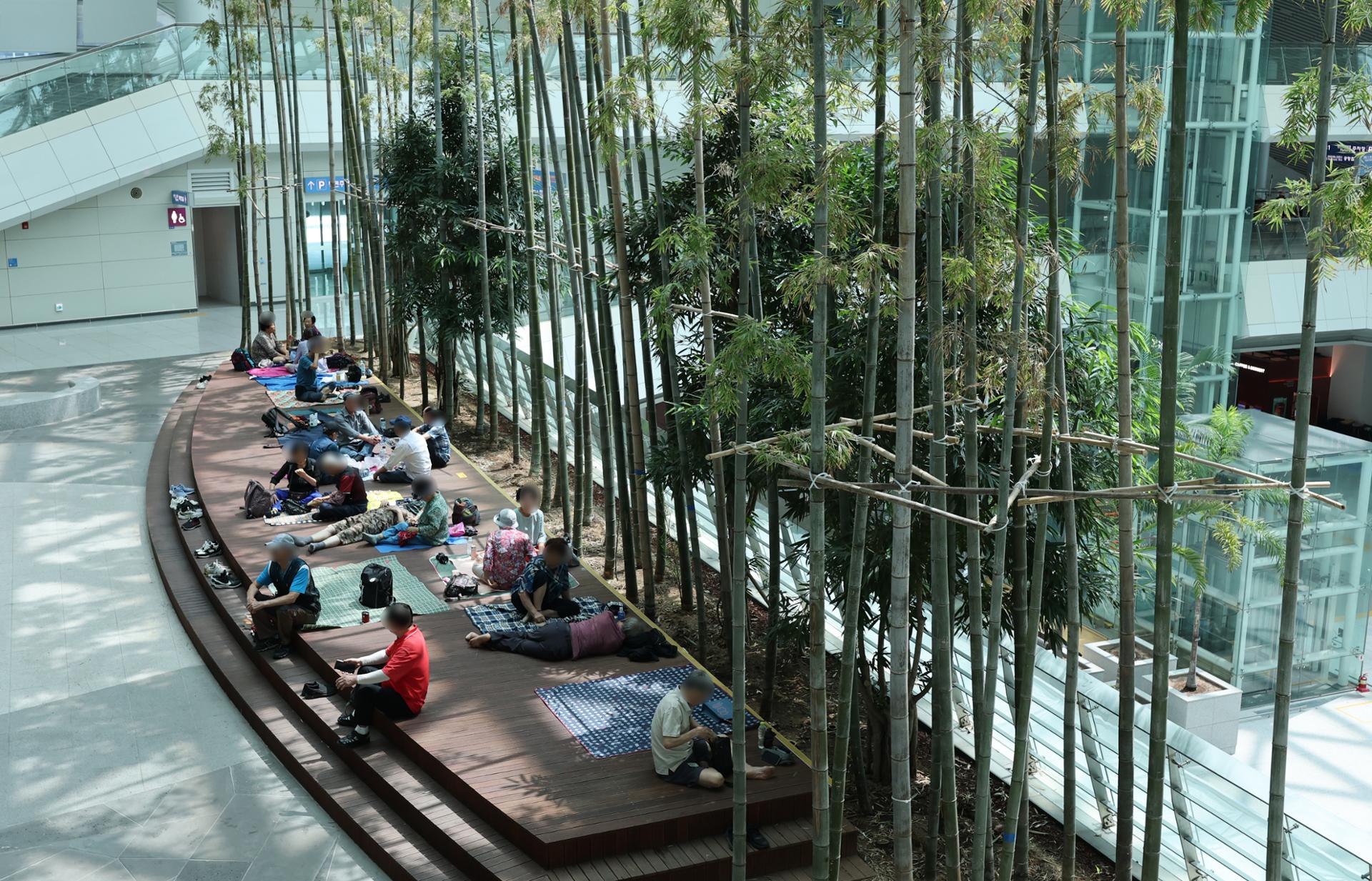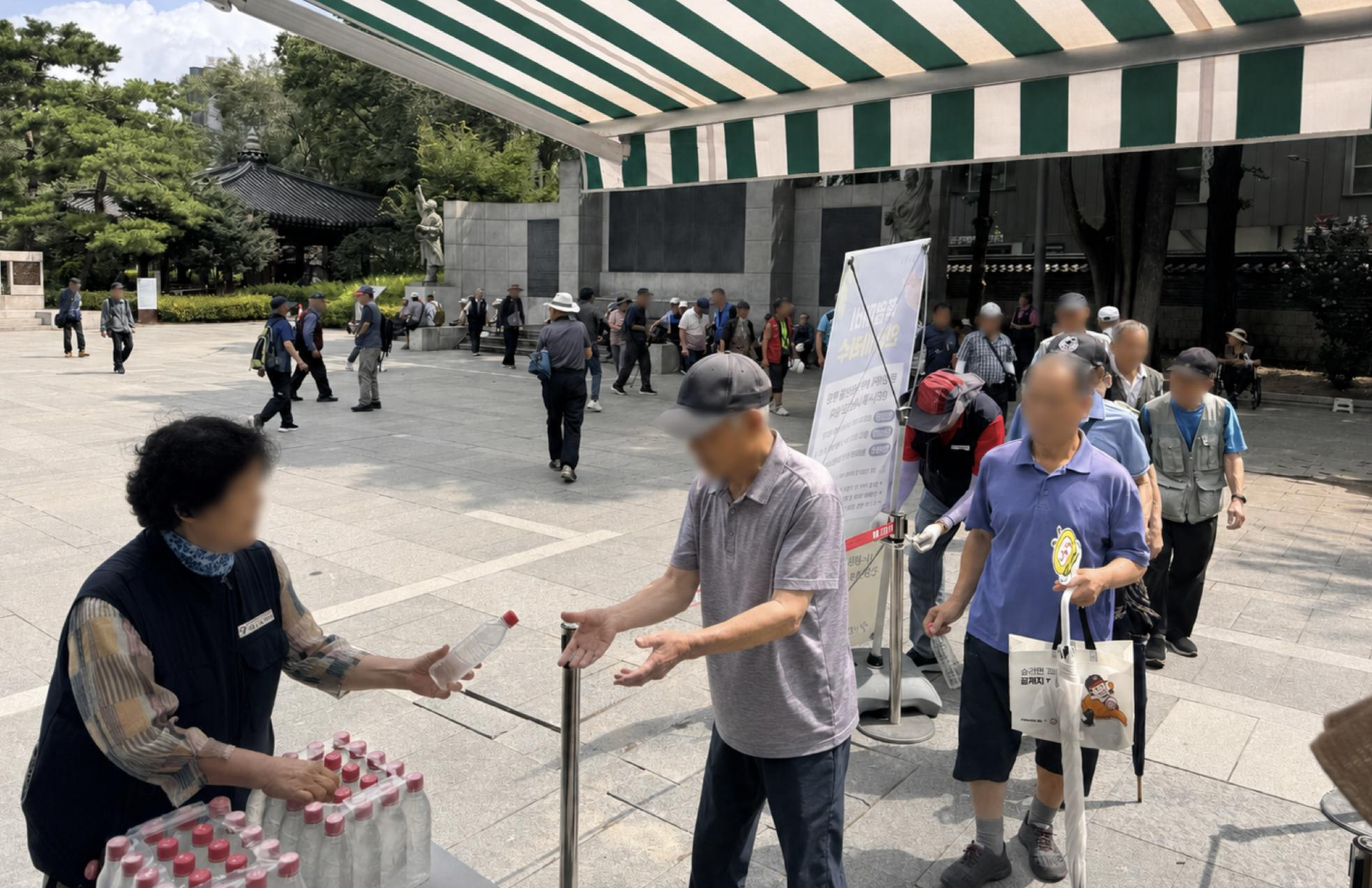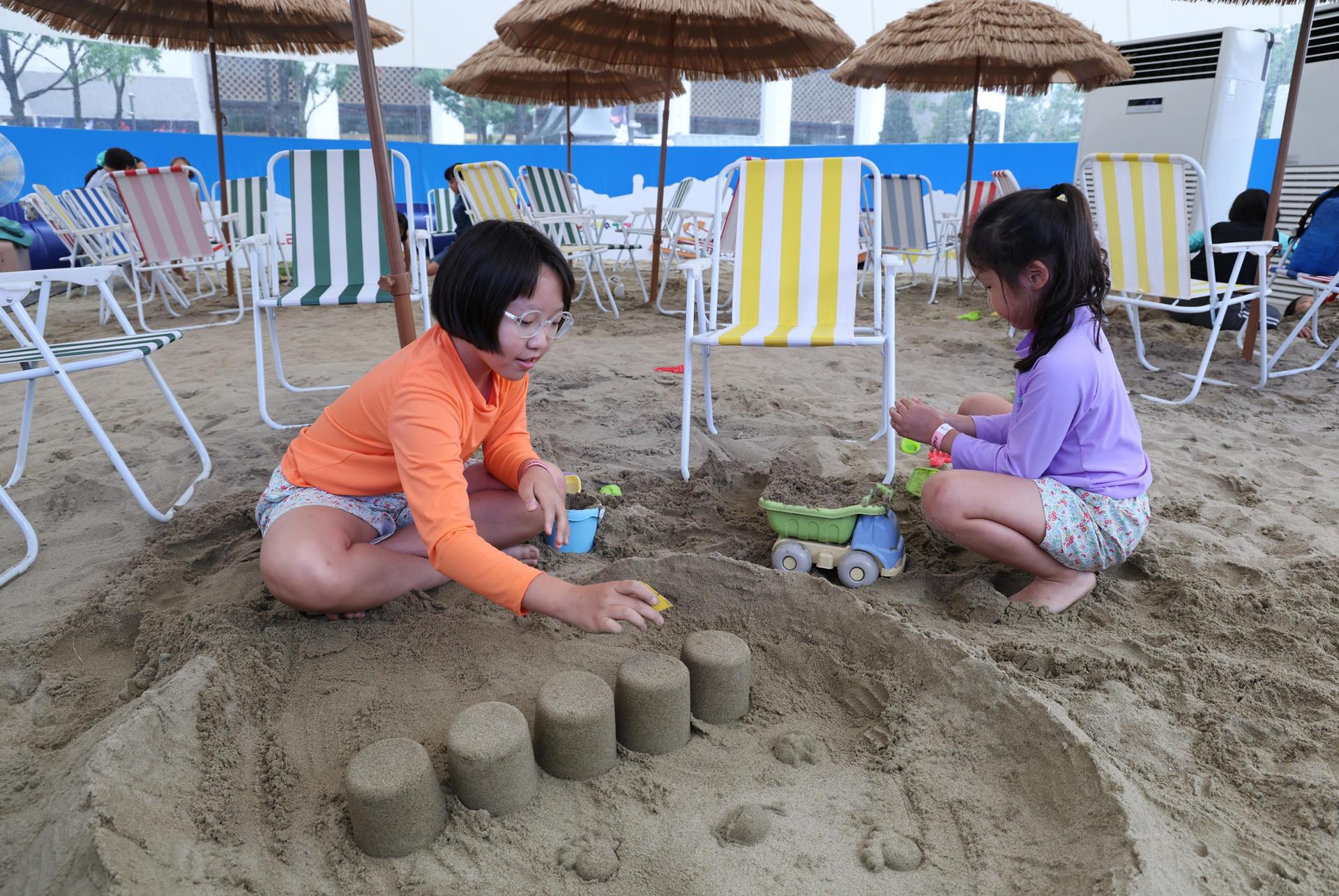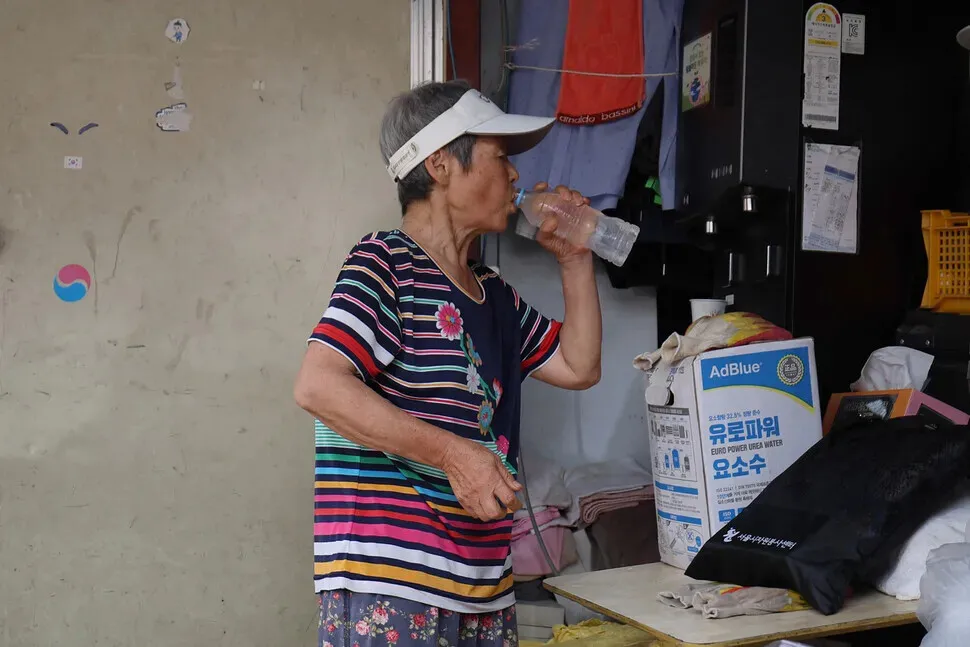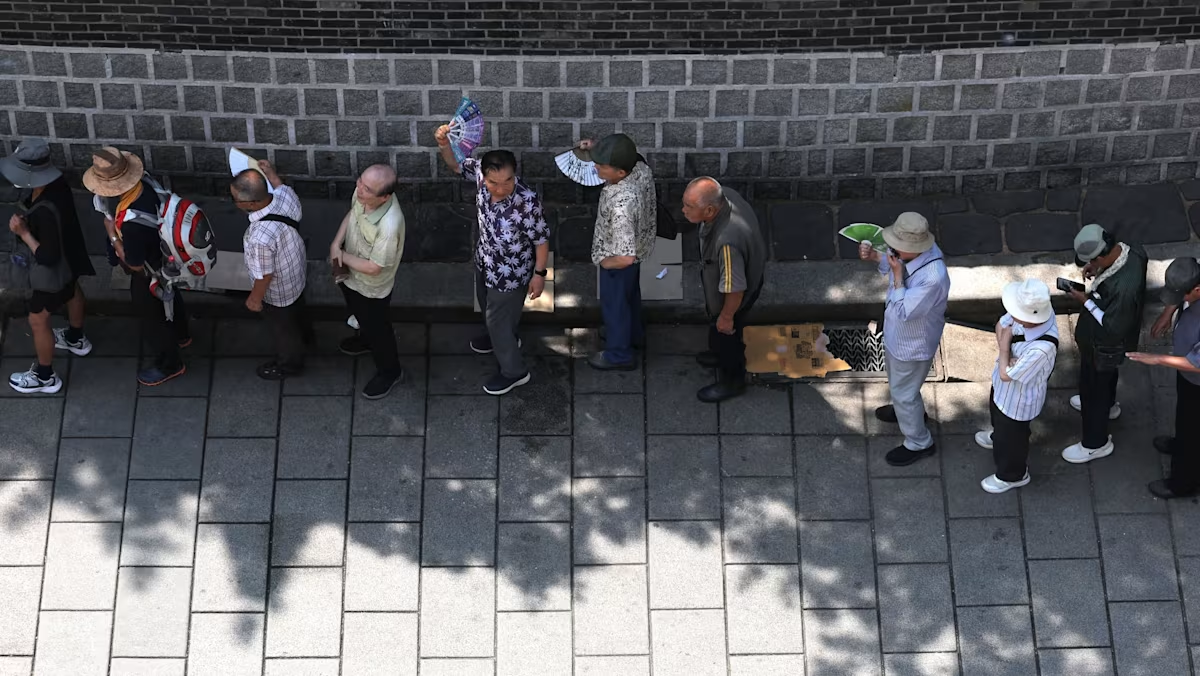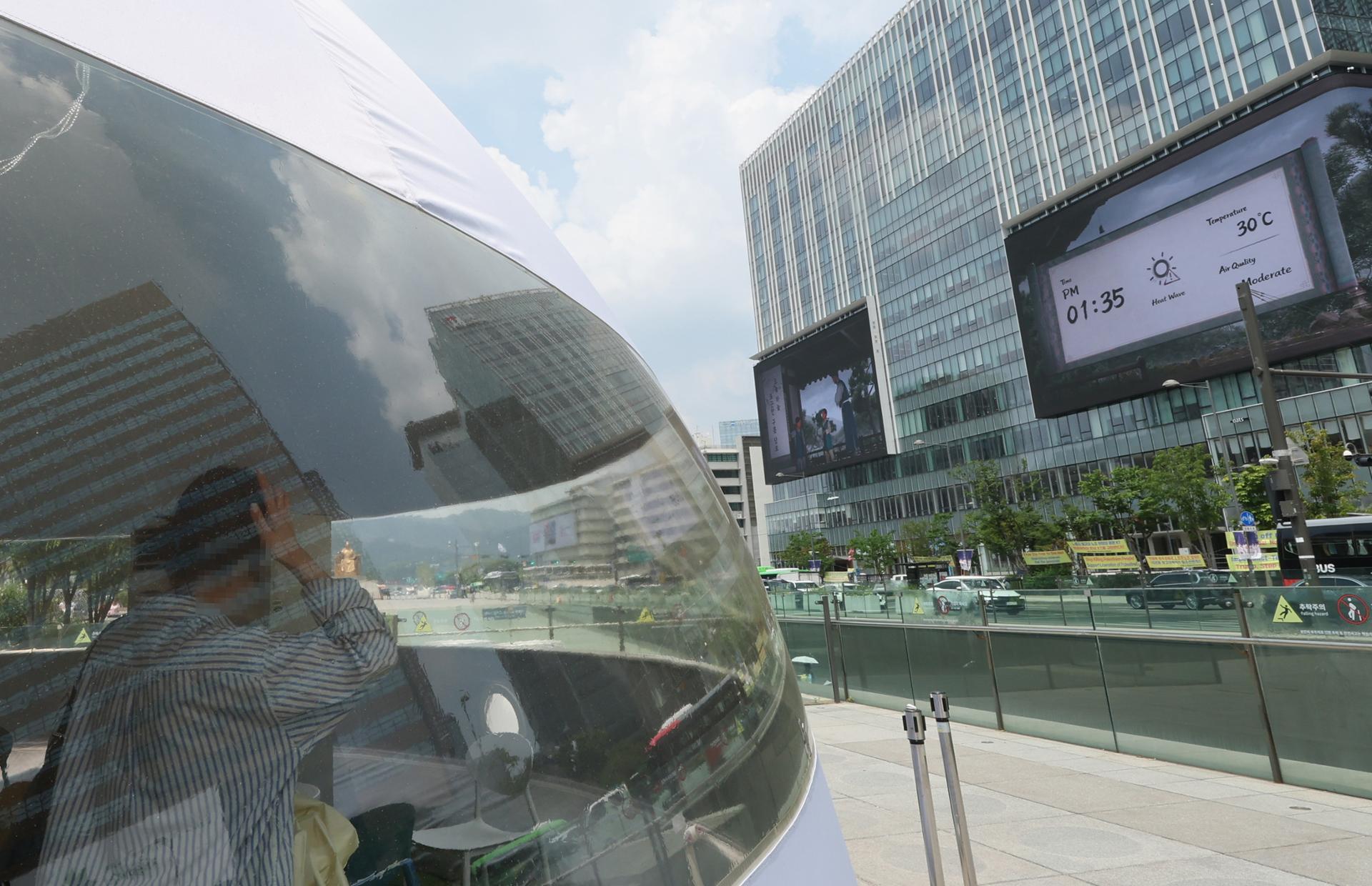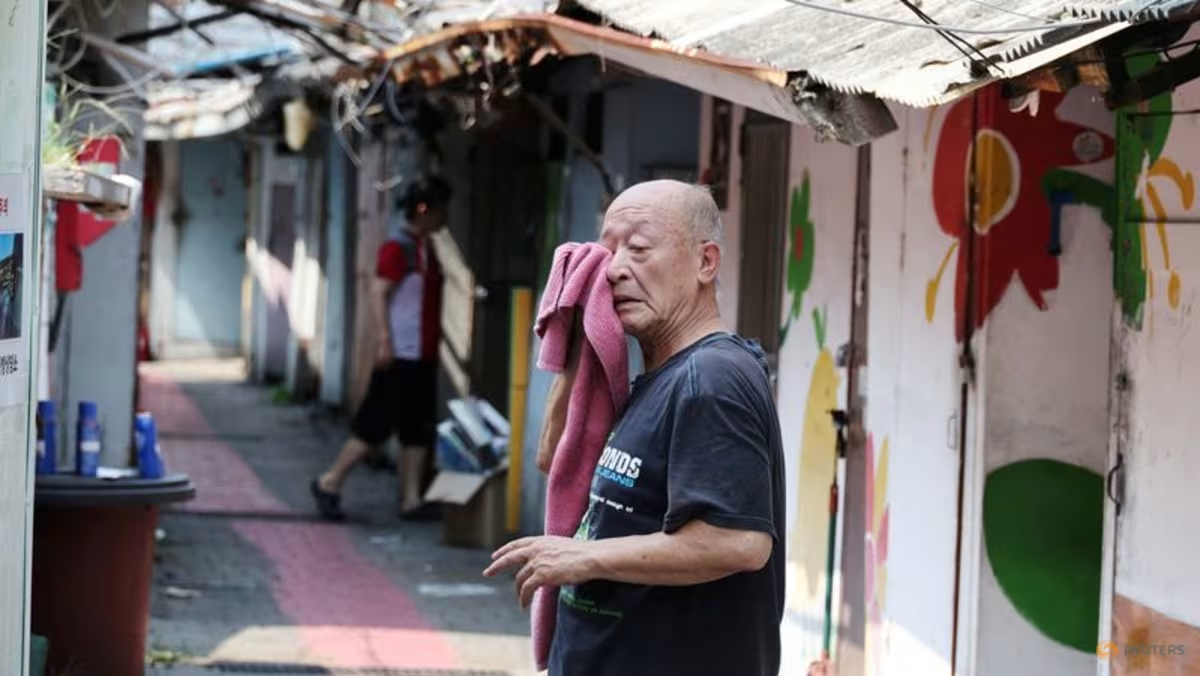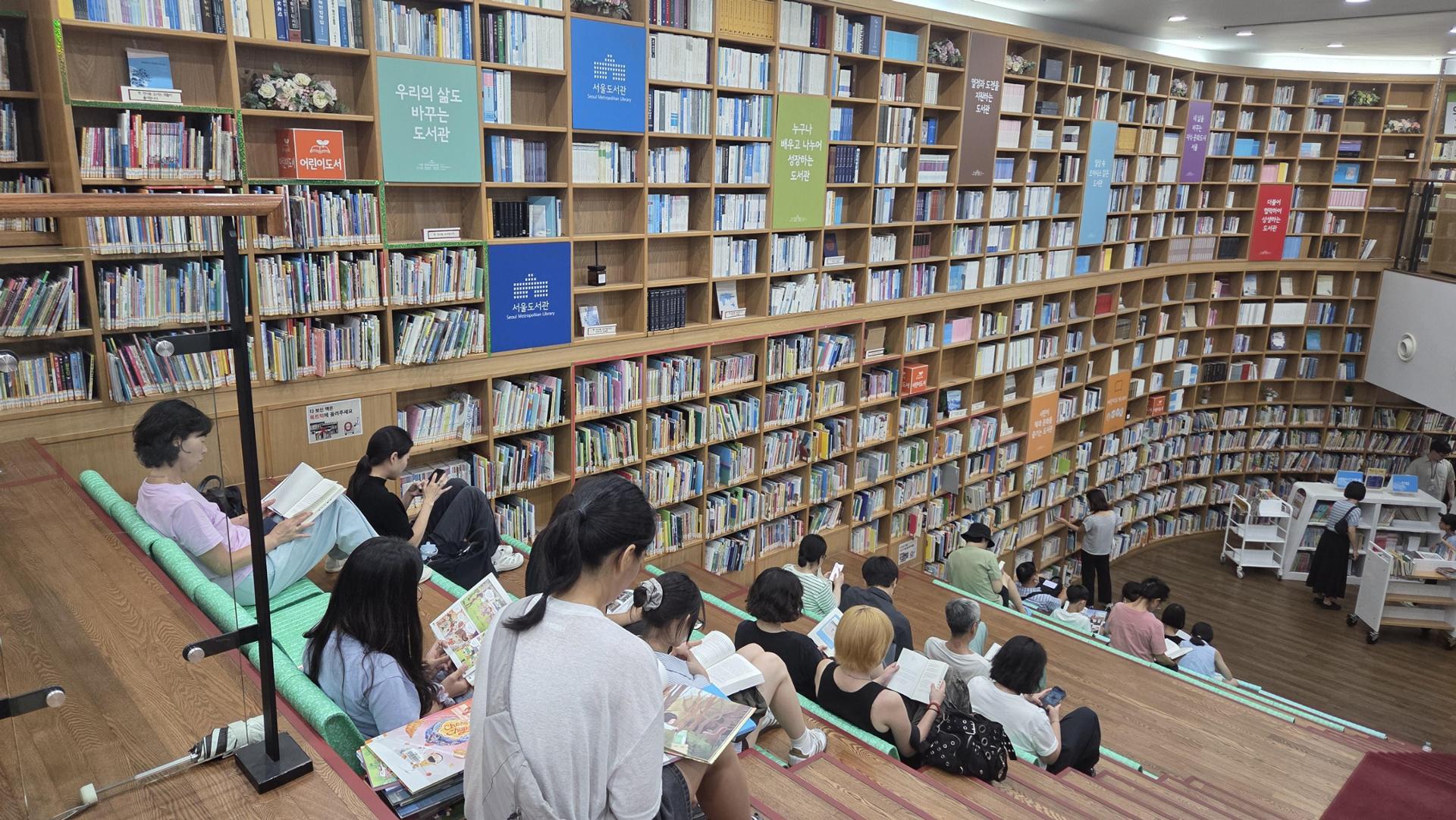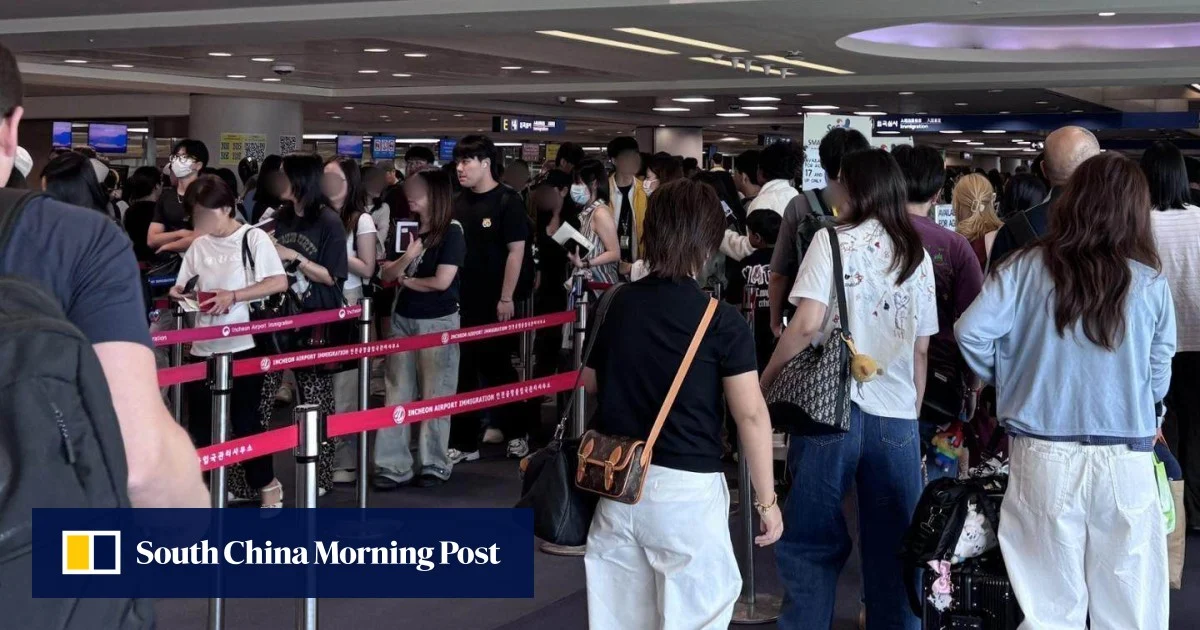
Seniors may have cracked the code: Free transit, air conditioning and no pressure. But what does their choice of refuge say about Korea's heat-response measures for the vulnerable? Seniors spend time inside Incheon International Airport's Terminal 2 on Wednesday. (Yonhap) As South Korea battles a record-breaking heat wave, Incheon International Airport is emerging as an informal cooling refuge for people with nowhere more convenient to escape the heat.Media reports over the past week have highlighted seniors spending hours inside the terminals playing games, sharing packed lunches and resting on benches. The appeal of the airports appears to be practical: the terminals offer air conditioning, seating, free wi-fi, charging facilities and restrooms, while South Koreans aged 65 and older can reach the airport by subway without having to pay.Airport Railroad data shows senior ridership has risen in recent years. Older passengers made 1.65 million trips on the line in July, up 7 percent from a year earlier and more than 20 percent from July 2024. The figures do not indicate how many of those trips were made specifically to escape the heat. Seniors are seen playing janggi, getting rest, sharing packed lunches and gathering with friends inside Incheon International Airport Terminal 2 amid ongoing heat wave, Wednesday. (Yonhap) Yet the airport is far from the only place available to cool off. The popularity of airports has led to questions about whether government heat-relief measures are reaching the people they are intended to protect.Local media have highlighted a lack of awareness among seniors about cooling shelters provided by local authorities, and pointed out that most require people to pay to use them.About 70 percent of the 4,034 cooling shelters operated by Seoul city operated on a membership basis while only 202 were explicitly designated as open to everyone.Rough sleepers have also been staying at Incheon International Airport during the extreme heat, presenting a more complex challenge for airport operators.Incheon Airport Operations Service, which manages airport operations, divides stays by homeless people into short-term and long-term, the latter referring to stay of two weeks or more. Across Terminals 1 and 2, the service said their numbers can range from dozens to as many as 200.Extended stays by a growing number of non-travelers have increased cleaning, waste-management and monitoring demands for airport operators.Although officials may intervene when behavior disrupts airport operations or inconveniences travelers, and can issue departure notices under the Airport Facilities Act, airport staff still rely largely on persuasion and outreach, including attempts in some cases to contact family members.Incheon International Airport said the airport remains a public facility open to everyone and that it continues to manage the terminals to prevent inconvenience to travelers. Incheon International Airport Terminal 1 bustling with travelers on July 30. (Yonhap)
South Korean seniors are choosing airports to stay cool
As South Korea battles a record-breaking heat wave, Incheon International Airport is emerging as an informal cooling refuge for people with nowhere more conveni
456 words~2 min read