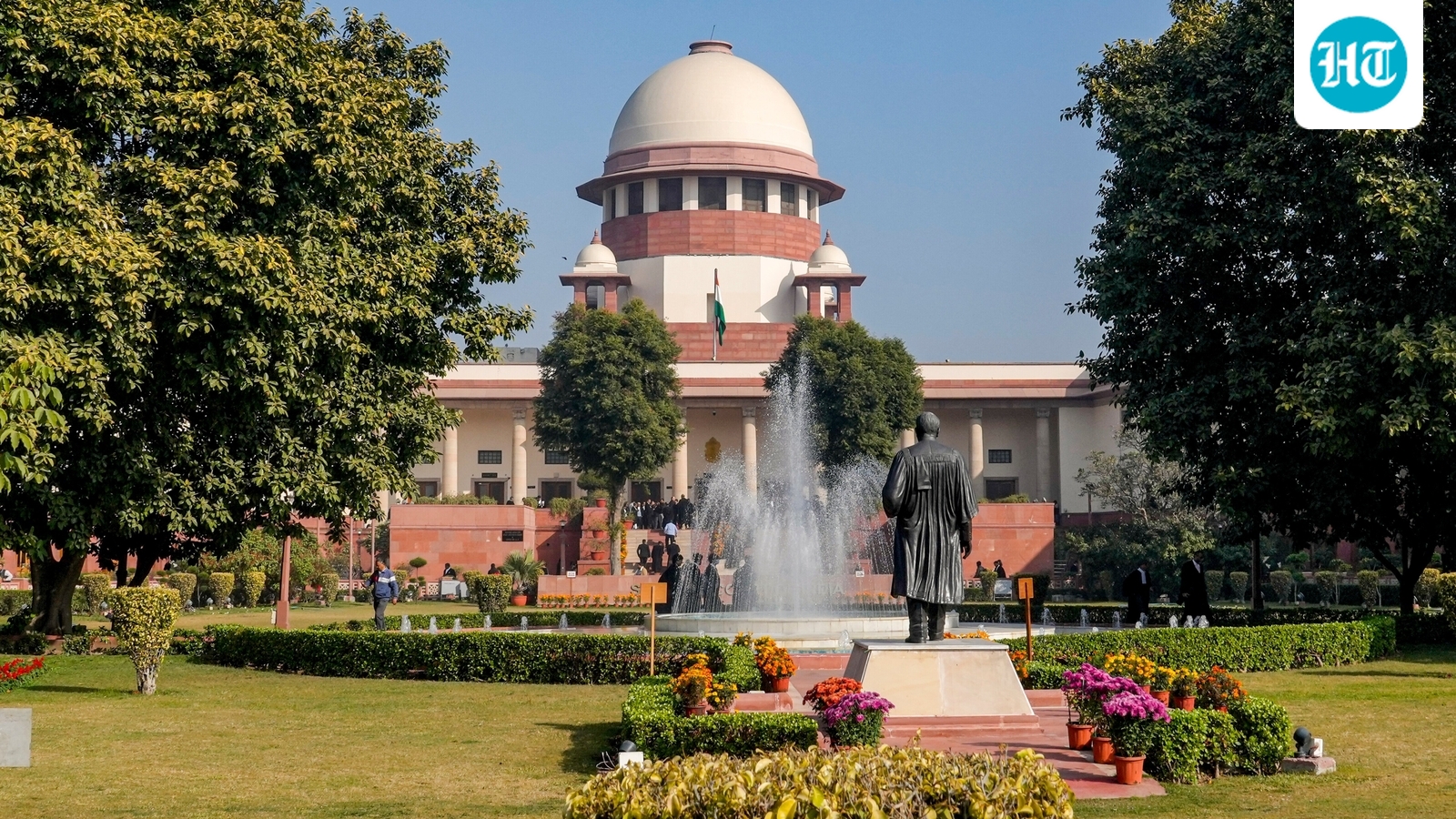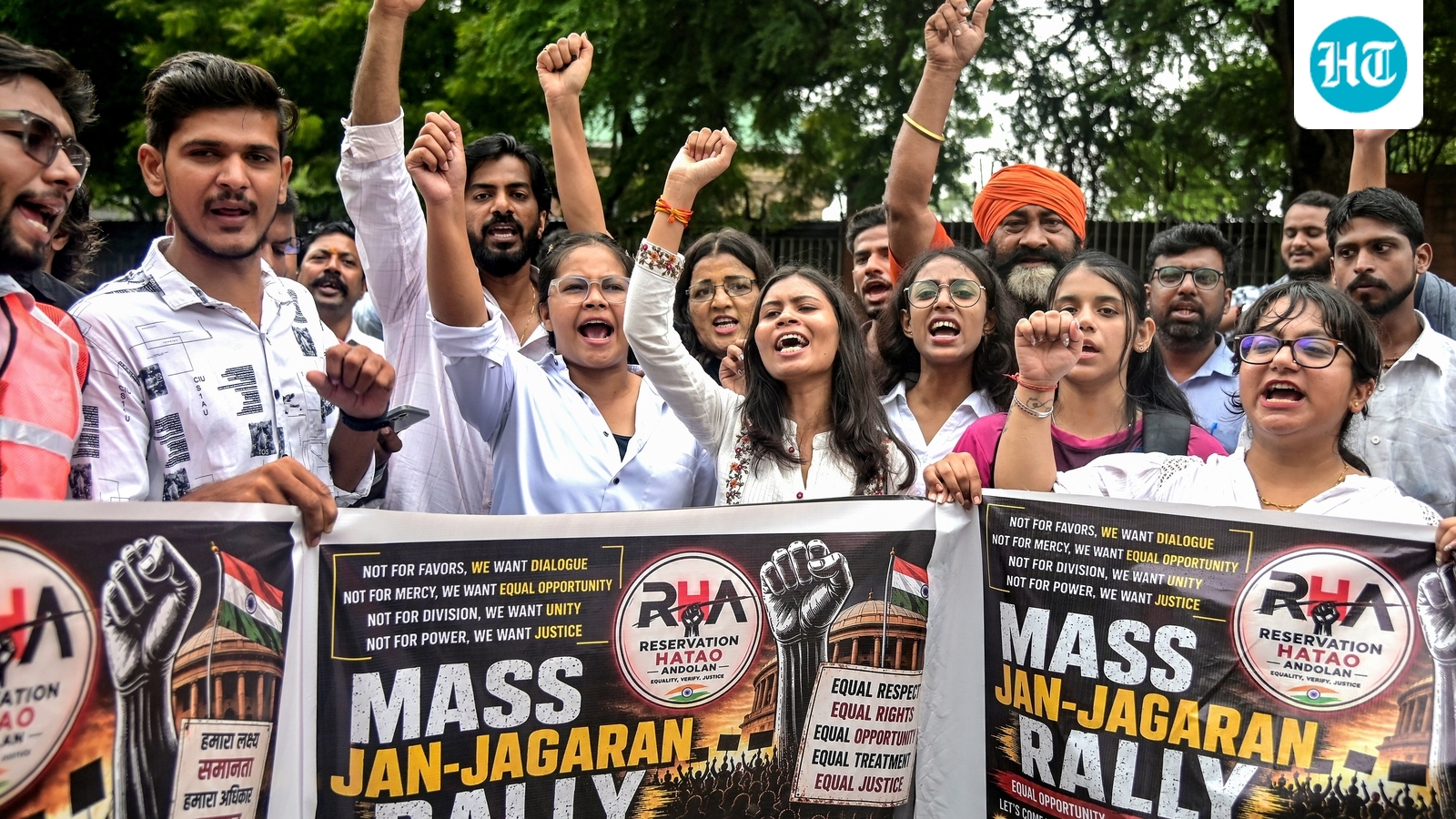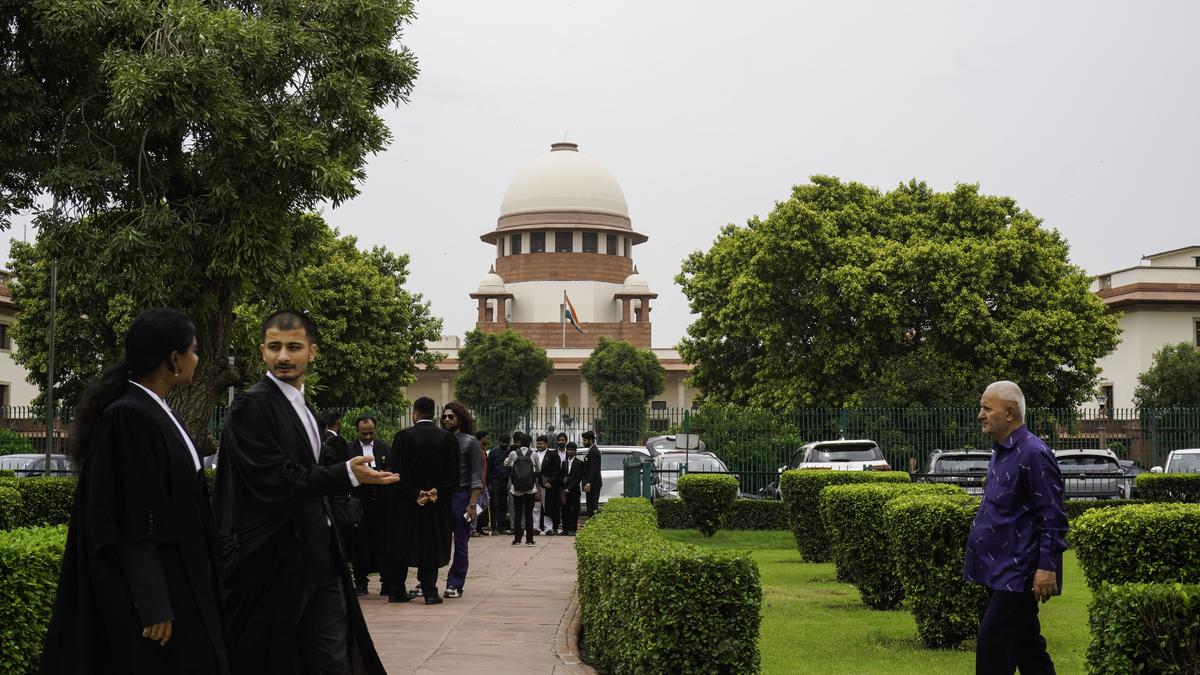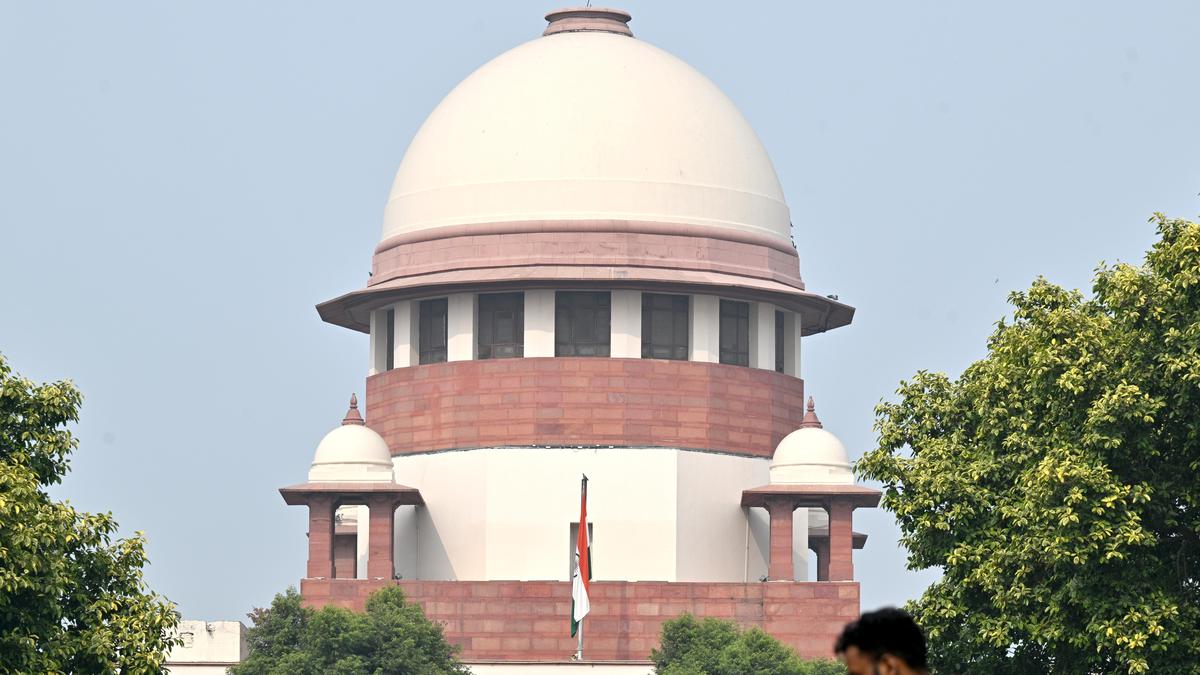
The Union government on Thursday opposed a petition in the Supreme Court seeking directions for income-based prioritisation within reservations for the Scheduled Castes, Scheduled Tribes and the Other Backward Classes, Live Law reported.The government maintained that the quotas are based on historical and social backwardness, not just on economic status.Responding to the plea, the Centre stated that framing a policy on reservations in government jobs and educational institutes was within the executive’s domain, and not that of the courts.The petitioners had sought directions from the court to the government to introduce sub-classification within the reservation matrix so that economically weaker persons in each quota category get priority.The government said that the Constitution does not allow for changes to be made to reservations merely on economic criteria. Only Parliament can make changes to the quota lists based on historical, social and educational backwardness, Live Law quoted the government as having stated.“These criteria are not spelt out in the Constitution but have become well established,” The Indian Express quoted the government as having stated.It added that the creamy layer principle is not applicable in the context of reservations for the Scheduled Castes and Scheduled Tribes.The creamy layer debateThere have long been calls to exclude the creamy layer from benefiting from reservations meant for Scheduled Castes and Scheduled Tribes.The creamy layer refers to the wealthier and more advanced members within a group that is eligible for affirmative action benefits. The concept was introduced for Other Backward Classes in the 1992 Indra Sawhney versus Union of India judgement.In August 2024, a seven-judge Constitution bench ruled that the sub-classification of Scheduled Castes and Scheduled Tribes is permissible for providing reservations in government jobs and education based on empirical data.The bench, in a 6:1 majority verdict, overruled the court’s 2004 judgement, which held that Scheduled Castes formed a homogenous group and hence could not be subdivided into categories.Further, four of the seven judges called for identifying the creamy layer among the Scheduled Castes and Scheduled Tribes categories so that they could be removed from the reservation matrix.However, as the application of the creamy layer was not one of the questions before the bench, the suggestions of the four judges lacked legal enforceability.The Union government had at the time clarified that it would not act on the court’s non-binding recommendation as there is no provision in the Constitution for applying the creamy layer concept to reservations for Scheduled Castes and Scheduled Tribes.In March, the Supreme Court held that parental income alone cannot be used to determine whether a candidate falls in the creamy layer of the Other Backward Classes category.Edited by Neerad Pandharipande.Also read: Explained: Supreme Court Constitution bench verdict on sub-classification in SC/ST reservationsWhy activists decry court suggestion to deny reservations to a ‘creamy layer’ among SC/STs
Centre opposes plea in Supreme Court for income-based sub-quota within SC, ST and OBC reservations
The government maintained that reservations in government jobs and education are based on historical and social backwardness, not just economic status.
461 words~2 min read