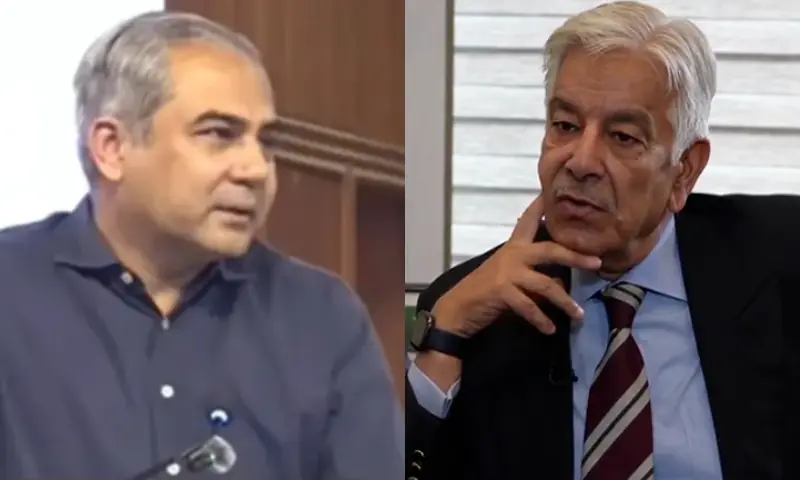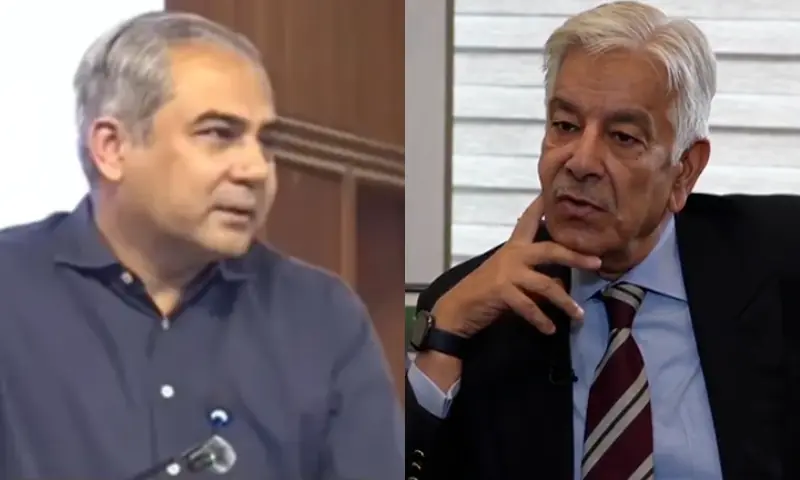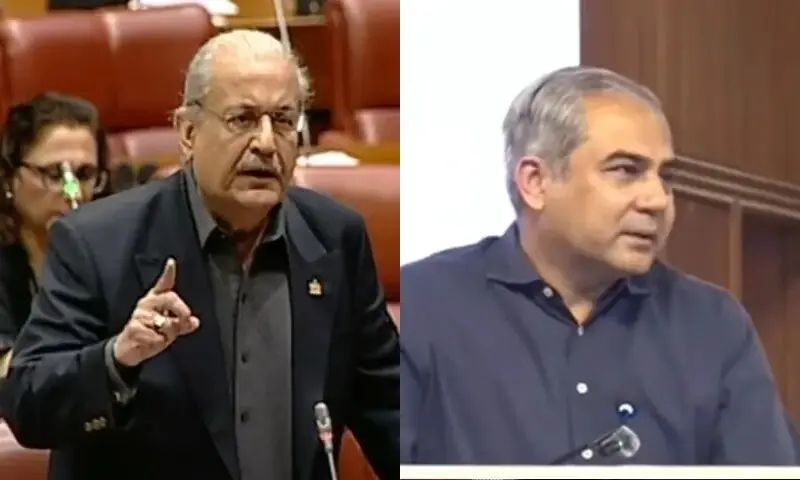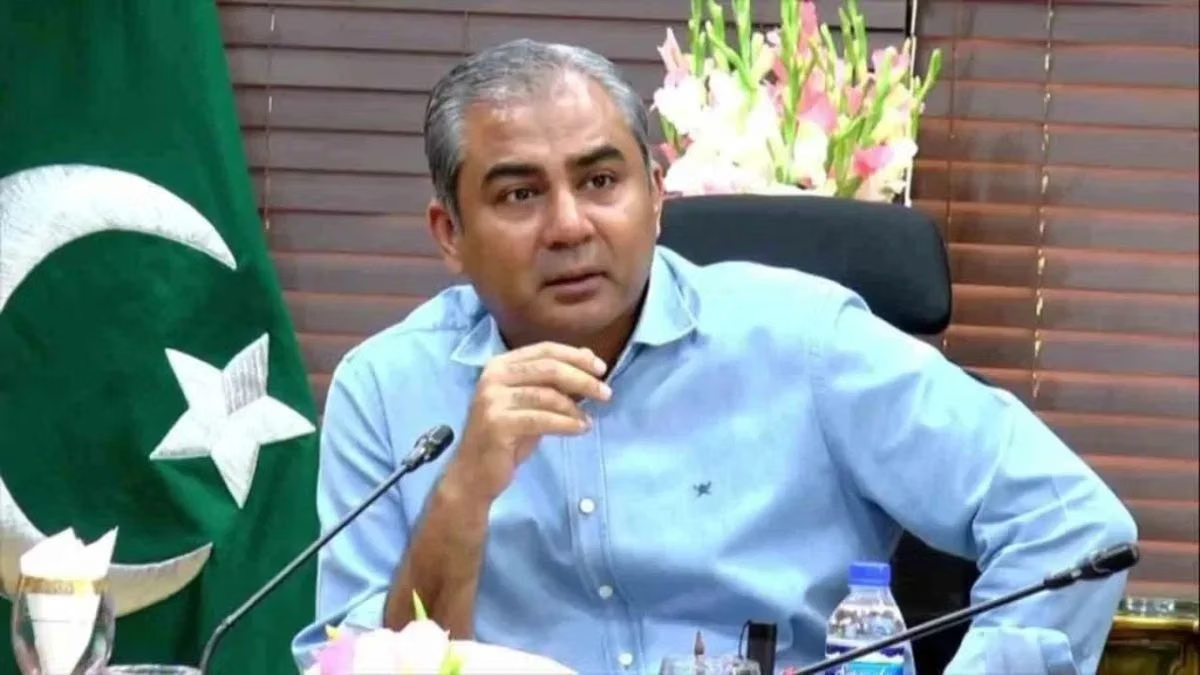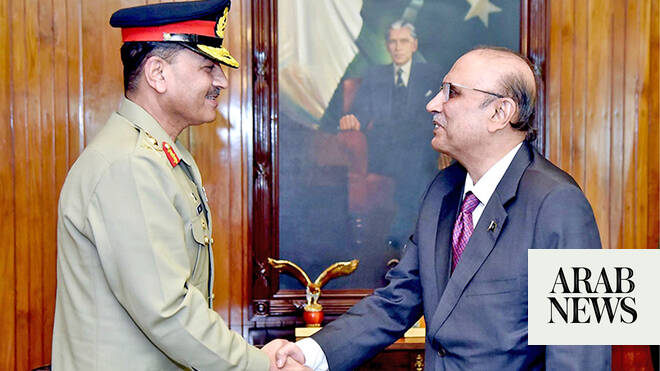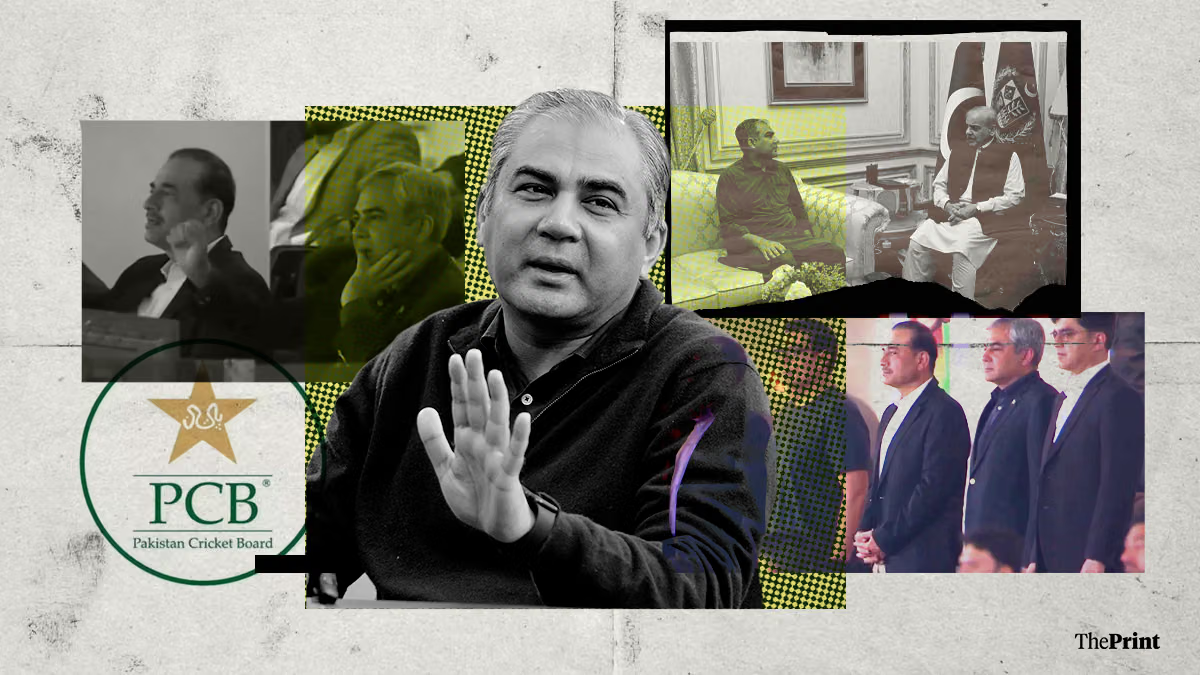
Naqvi was also made Chairman of the Pakistan Cricket Board. That is almost like the second most important job for a civilian in Pakistan — unless, of course, a general decides to take over the PCB, because it is a very important job. And then he was inserted into national politics as Minister for the Interior.
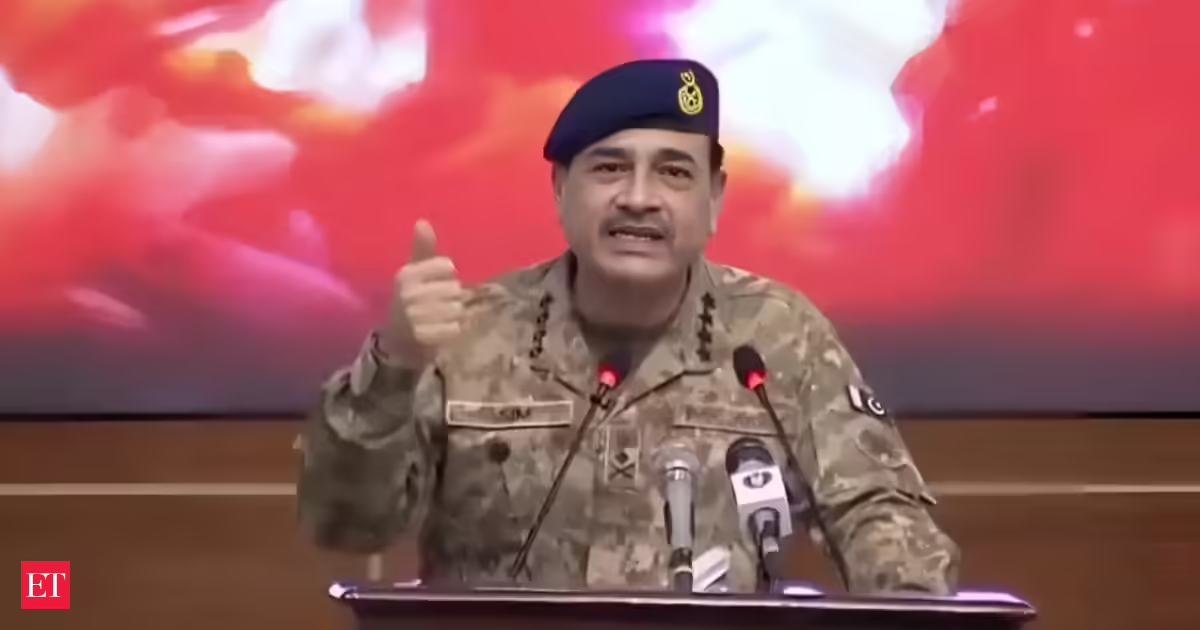
He did not belong to the Pakistan People’s Party (PPP). He did not belong to the Pakistan Muslim League-Nawaz (PML-N), Nawaz Sharif’s party. That ‘N’ doesn’t stand for Nawaz. That stands for Noon — that is Sir Malik Feroz Khan Noon, one of the many prime ministers of Pakistan.Prime ministership in Pakistan has also had a chequered history. Mohsin Naqvi was inserted as a senator and given this key position. If you draw an equivalence with the Indian system, then he would be a member of the Pakistani Cabinet Committee of Security. Not that it matters very much, because all that stuff is done by the General Headquarters (GHQ) there, not the Cabinet. But he got to the Cabinet at the same level as, say, External Affairs Minister Ishaq Dar—also Deputy Prime Minister and a relation of Nawaz Sharif—and Defence Minister Khawaja Asif.Cat among the pigeons: Now what has he done? On 31 July, he walked into the chambers of commerce and industry, the Pakistan equivalent of our Federation of Indian Chambers of Commerce and Industry and Confederation of Indian Industry (CII). He walked into one of their meetings, and addressed them for about 20 minutes or a little more than that, and it became a condemnation of the entire government and the system of which he is a part. He said a bunch of things, and I will list those. But basically, that made headlines all over Pakistan. It drew a lot of interest in India as well, and in all those countries that have an interest or stakes in Pakistan.That’s because the effect of what he said puts the elected government of Pakistan on notice. It puts them on notice by saying: you failed, you are good for nothing. And even if you try much harder, you cannot get any better for Pakistan. So something has to change, something’s got to give. And in Pakistan, when the factotum — the chief factotum or the spokesman of the Field Marshal — puts his own government on notice, it means only one thing. It means that the Field Marshal or the powers that be, the GHQ, want the elected government out, and to take over. That may be a hasty conclusion now.Setting the field? Or they want certain concessions from the elected government, and thereby this message. At the extreme end, if I read the Pakistani media, the interpretation is that basically the Field Marshal is getting impatient and he’s saying: look, I’m the Field Marshal, all right, I’ve got immunity for life, but I’ve still got tenure that ends in 2030. Just think about it. In 2030, Munir would have been chief of everything he can survey in Pakistan for eight years. Even then, he’ll be 62. But in his tenure, he’s already seen the third Indian Army Chief. And even if he goes home on 29 November 2030 —most unlikely; it will not happen—dictators in Pakistan cannot have a retirement plan. And Munir doesn’t have one. Even if he goes home, he’d then have seen the fifth Indian Army Chief by then. And he’ll be thinking now: why would I go home at 62 and what will I do when I go home? So he’s also planning his future now.So, at the extreme end of the interpretation, in Pakistani circles, it’s being seen as a message to President Asif Ali Zardari and to Prime Minisiter Shehbaz Sharif that the political class should get together and invite Asim Munir to become the President of Pakistan. So he can be President; he can be Field Marshal for life, with immunity for life, etc., running the Army, Navy, Air Force and Strategic Forces Command at the same time being the President. That’s at the extreme end.