TypeScript Enums Are Still Controversial in 2026: Here Is When to Use Them and When to Reach for const Objects
This article was written with the assistance of AI, under human supervision and review.
Most TypeScript enum debates stem from a single misunderstanding: developers treat enums as a pure type-level construct when they generate real runtime code. This disconnect creates bundle bloat, unexpected behavior at runtime, and type safety gaps that only surface in production. Teams that reach for enums by default pay a hidden cost in every build.
The enum controversy persists because TypeScript enums violate a core expectation: types should disappear at compile time. Unlike interfaces or type aliases that vanish during transpilation, enums produce JavaScript objects that ship to the browser. This runtime footprint matters when bundle size directly affects load time and business metrics.
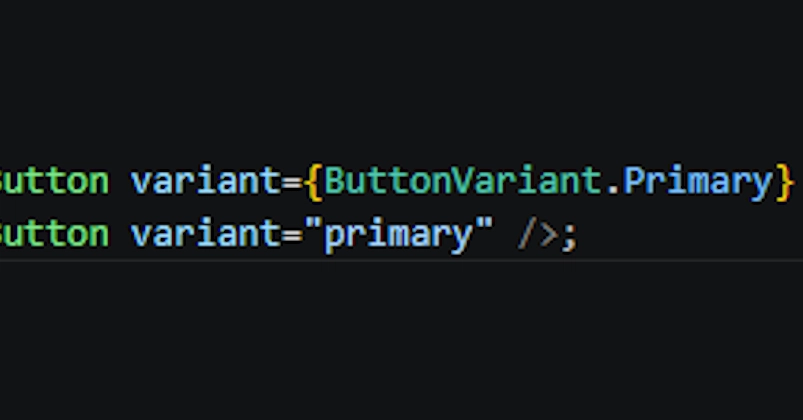
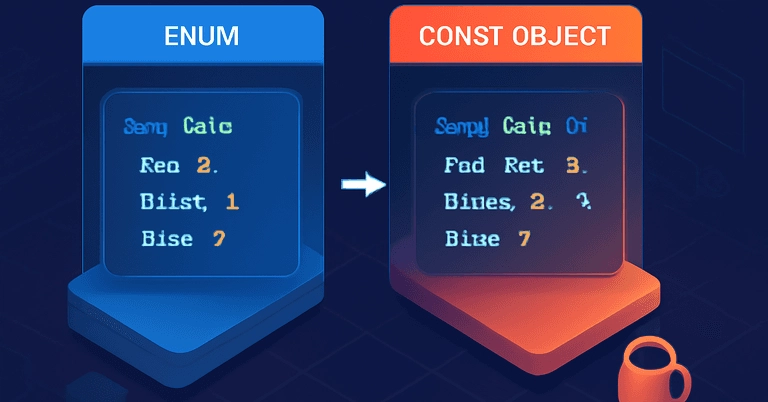
The alternative pattern—const objects with as const assertions—delivers the same developer experience without the runtime overhead. When developers understand the tradeoffs, the choice becomes mechanical: use enums where their runtime behavior adds value, use const objects everywhere else.