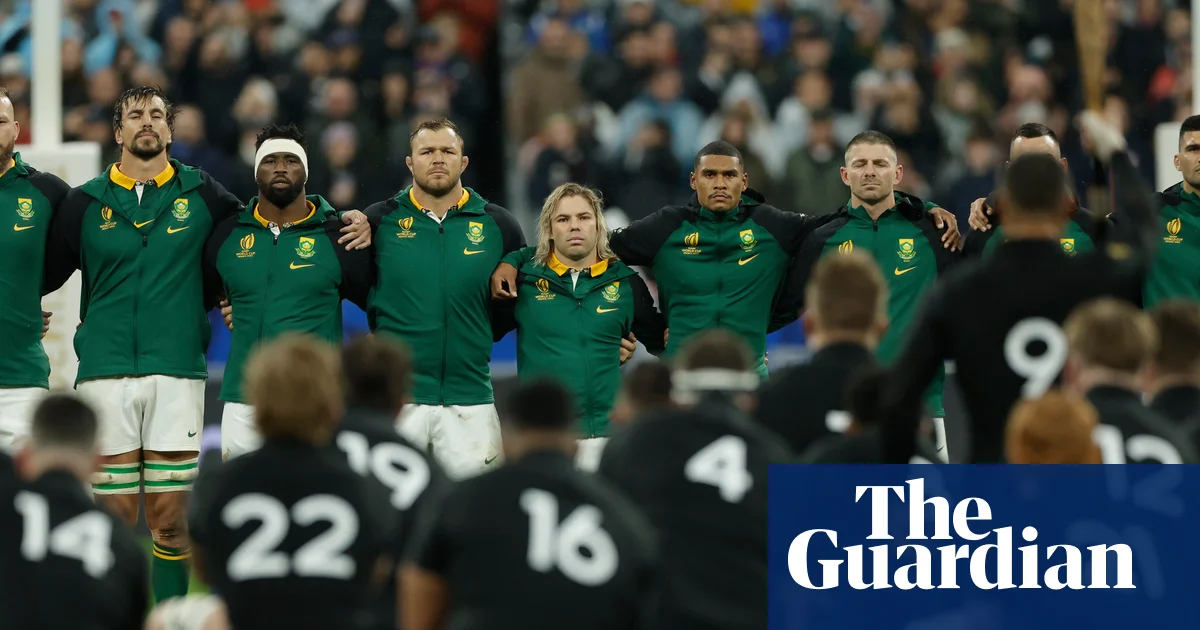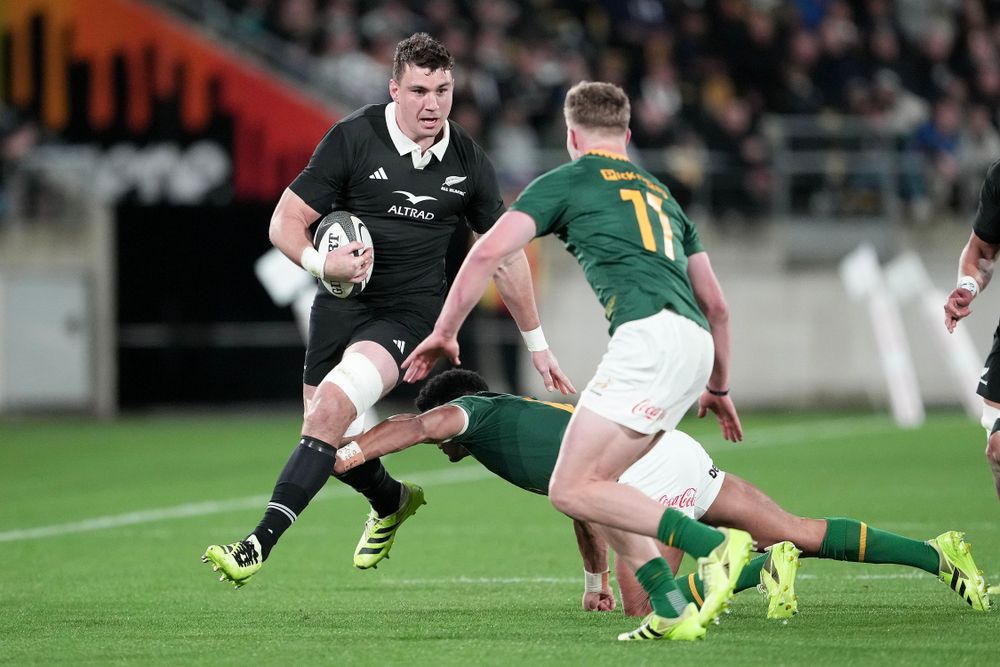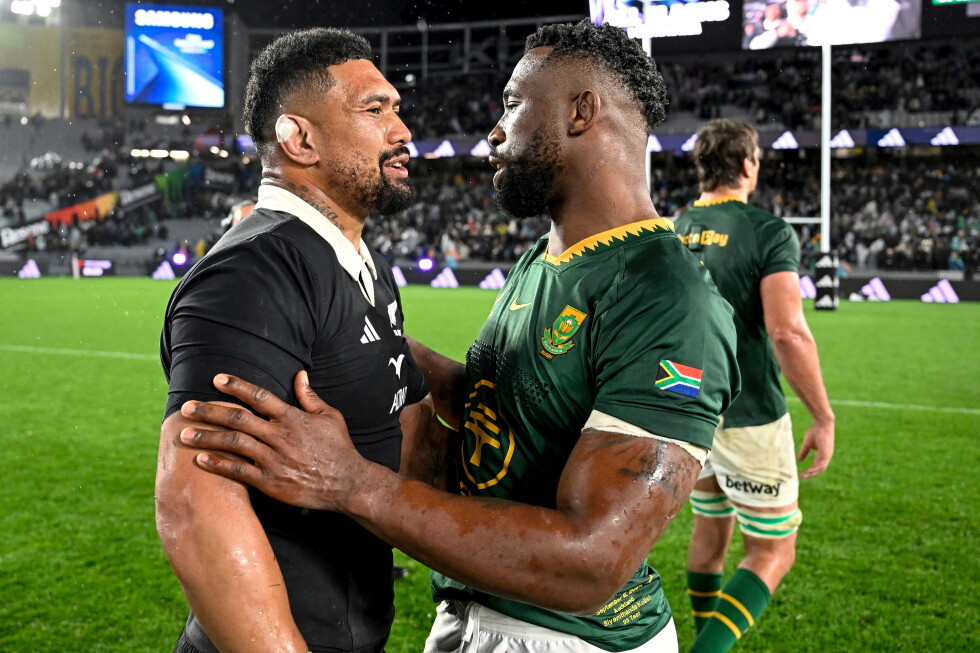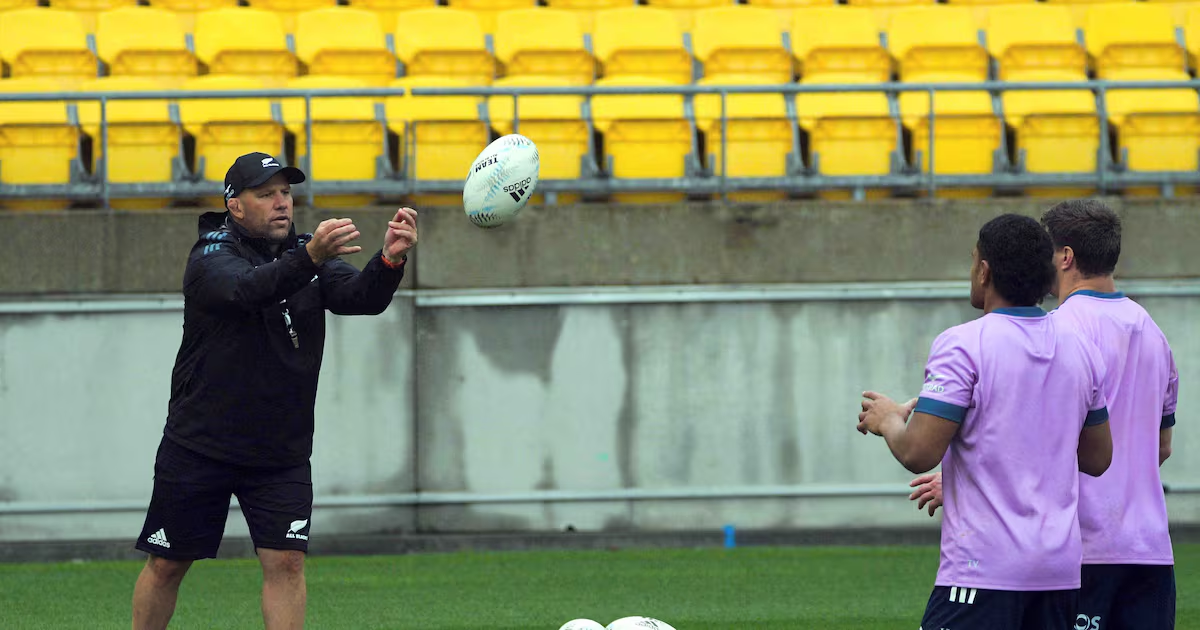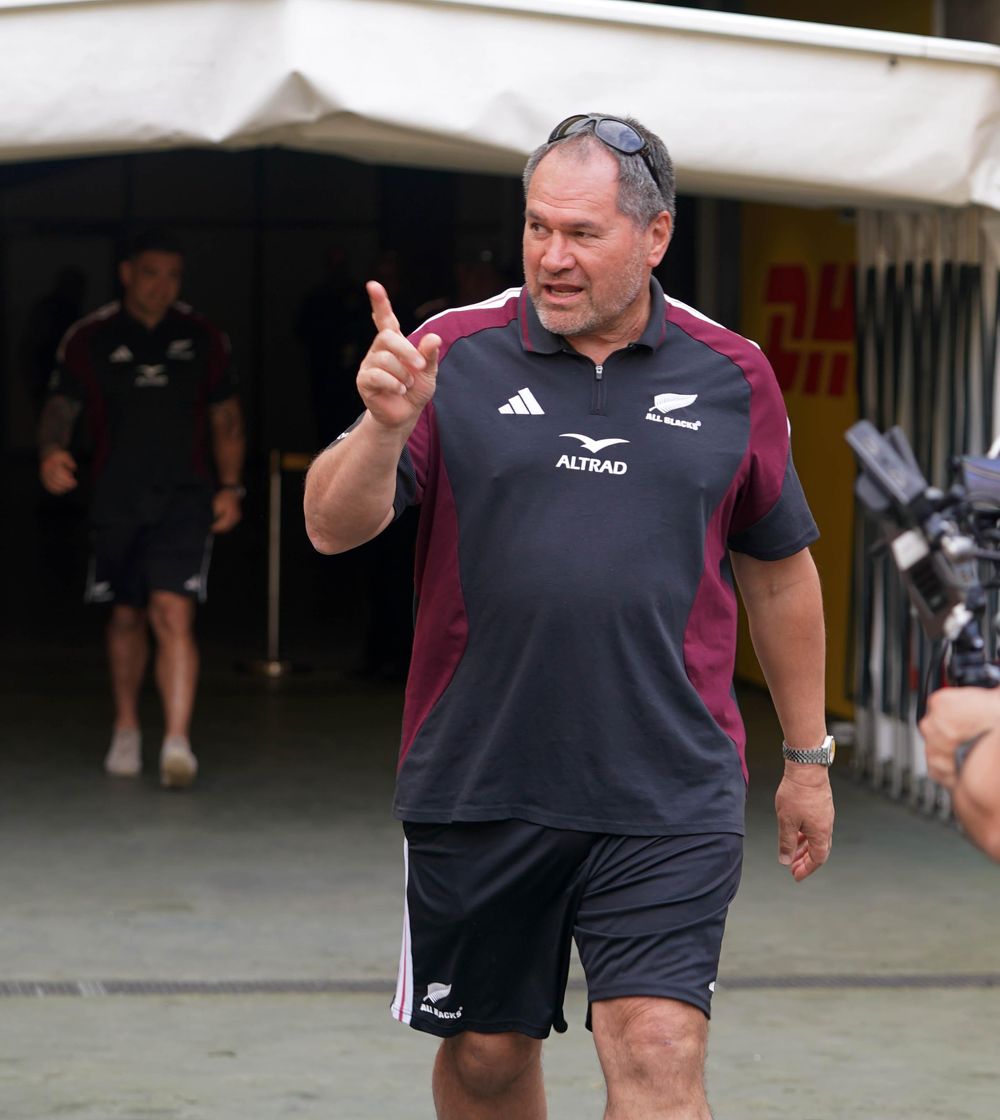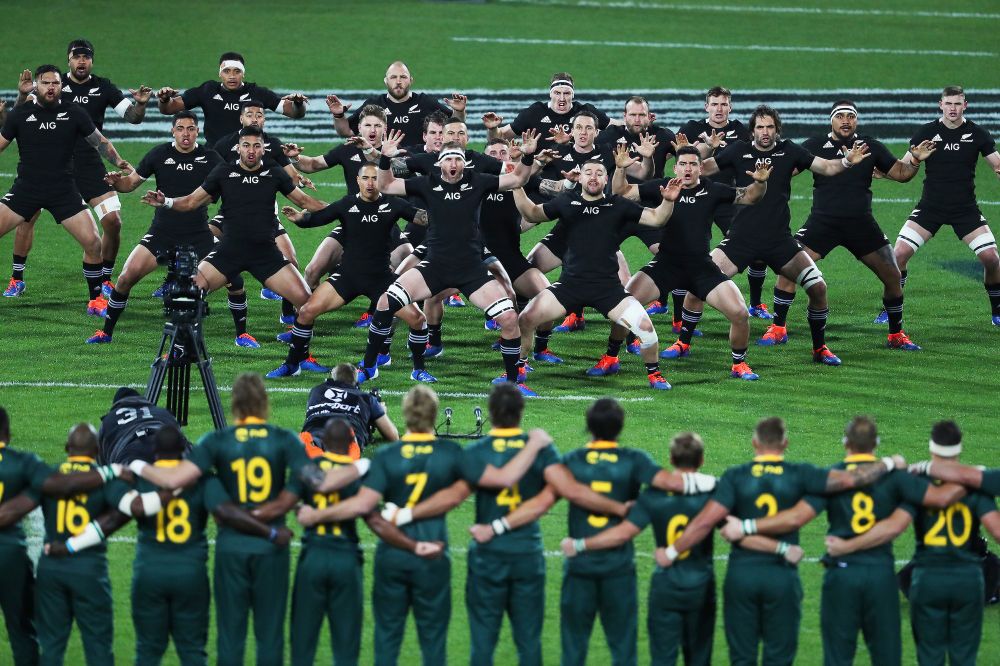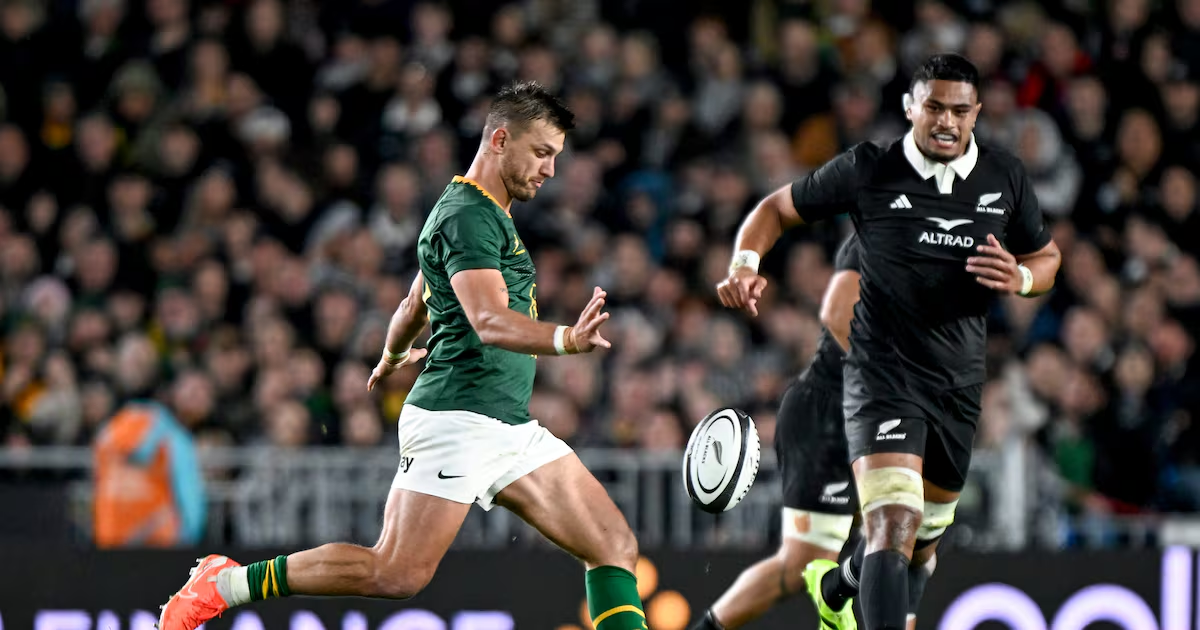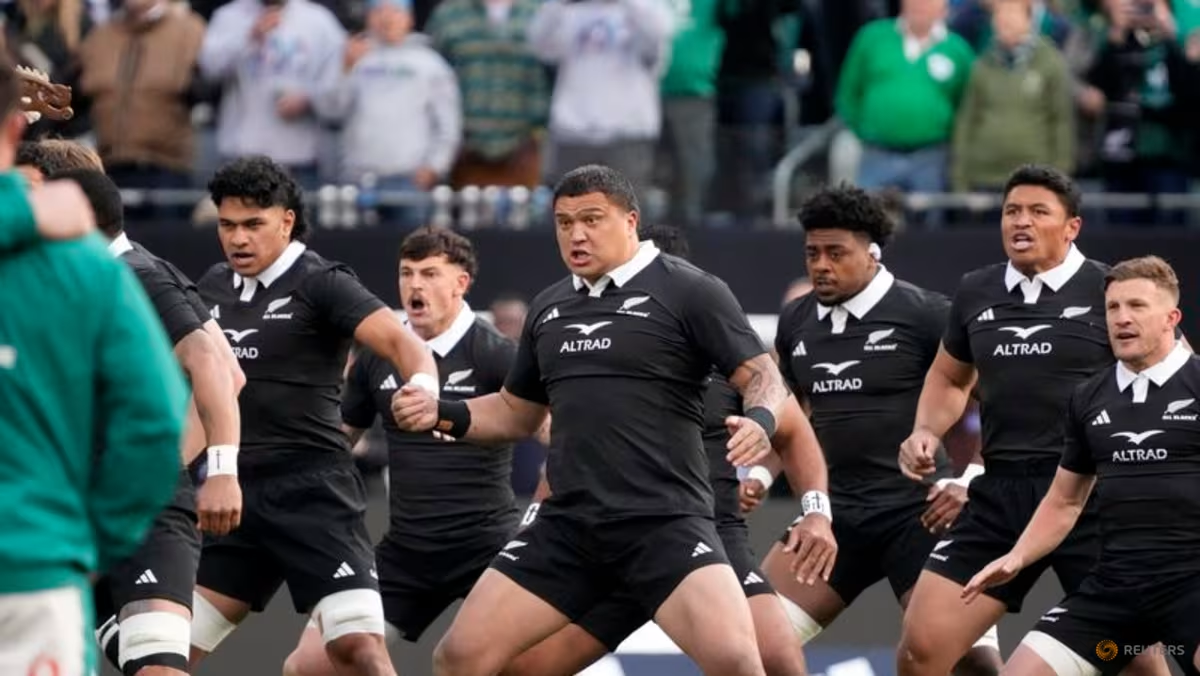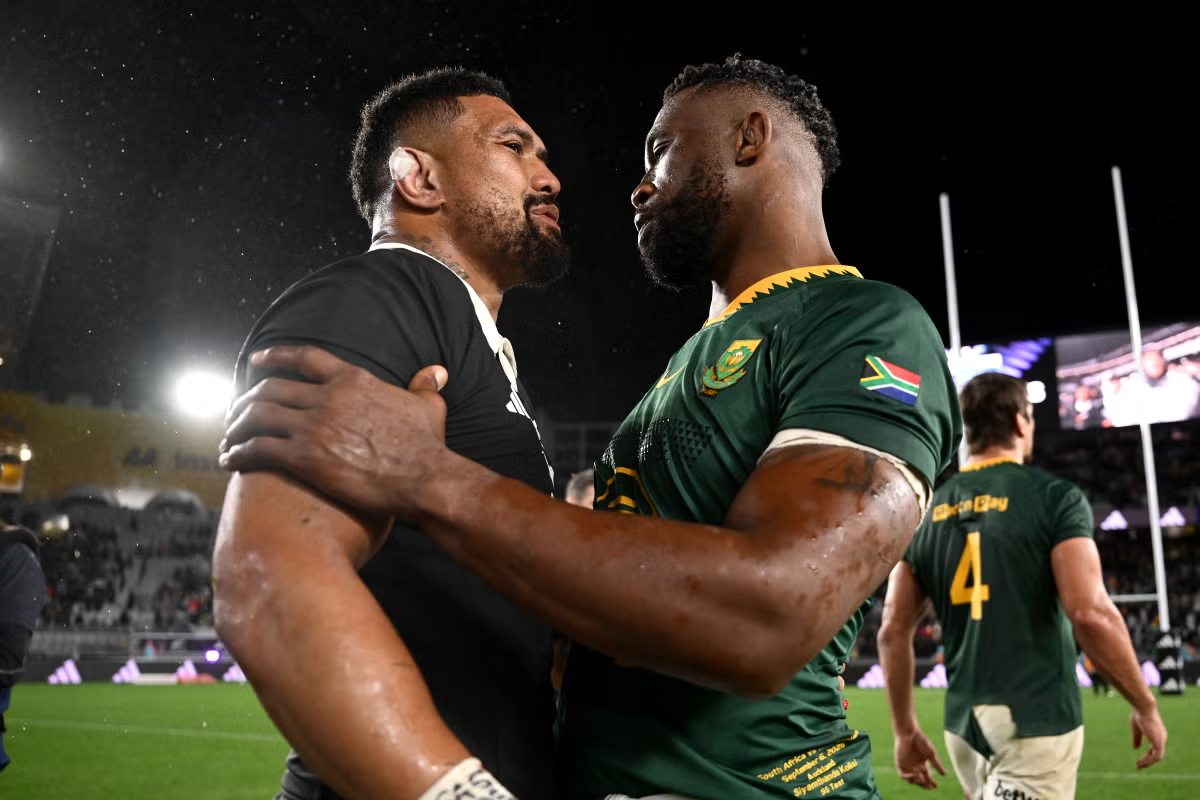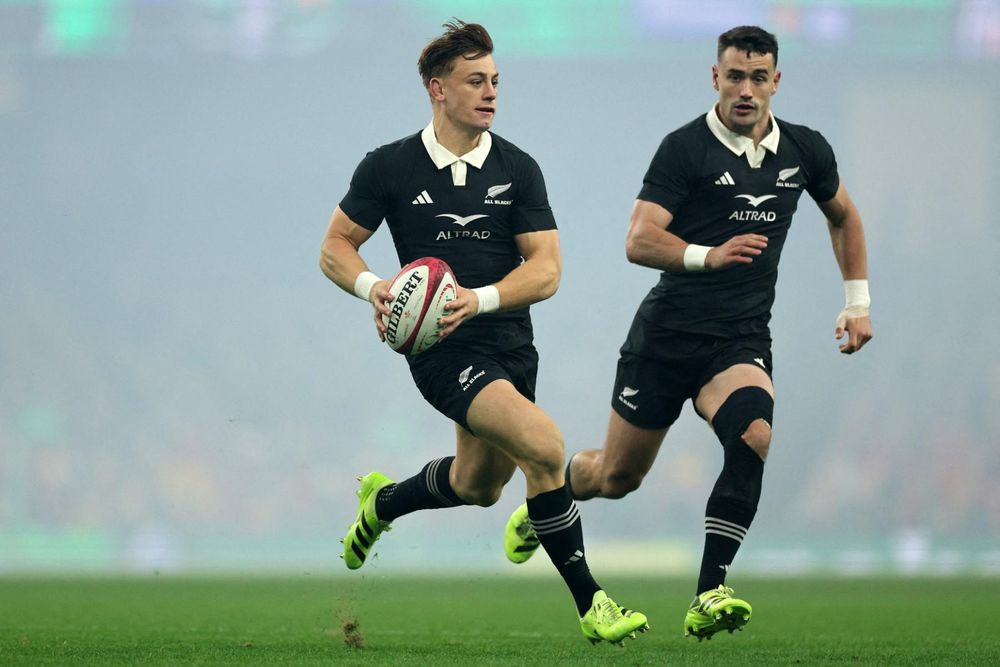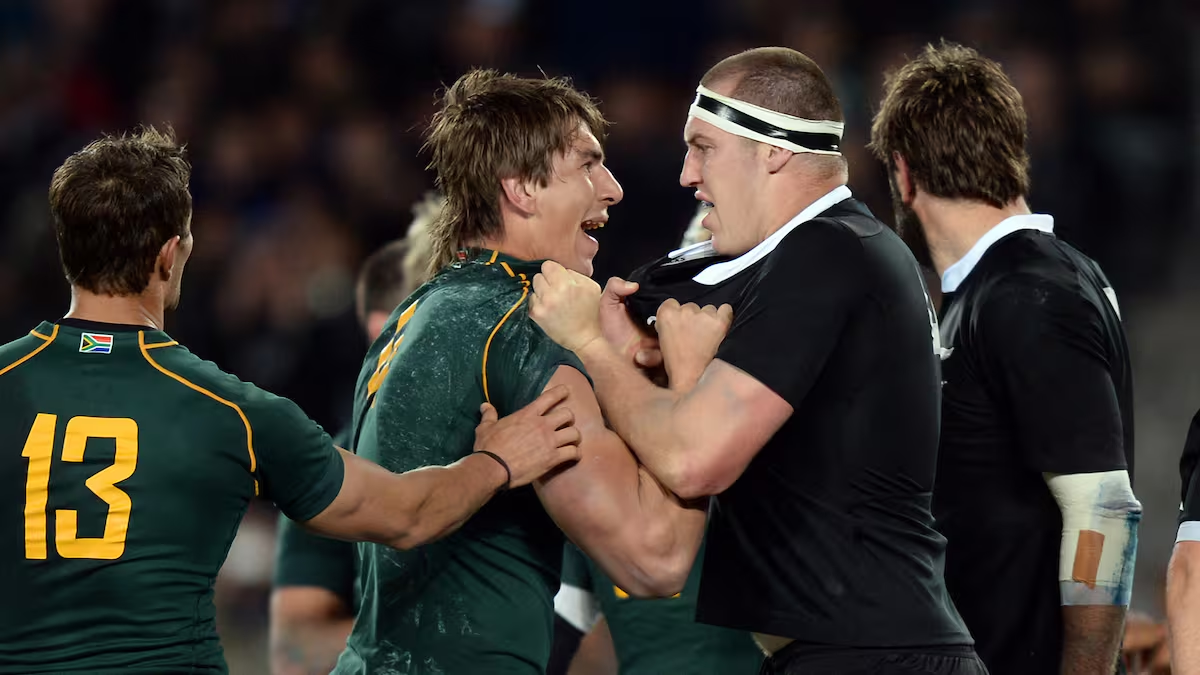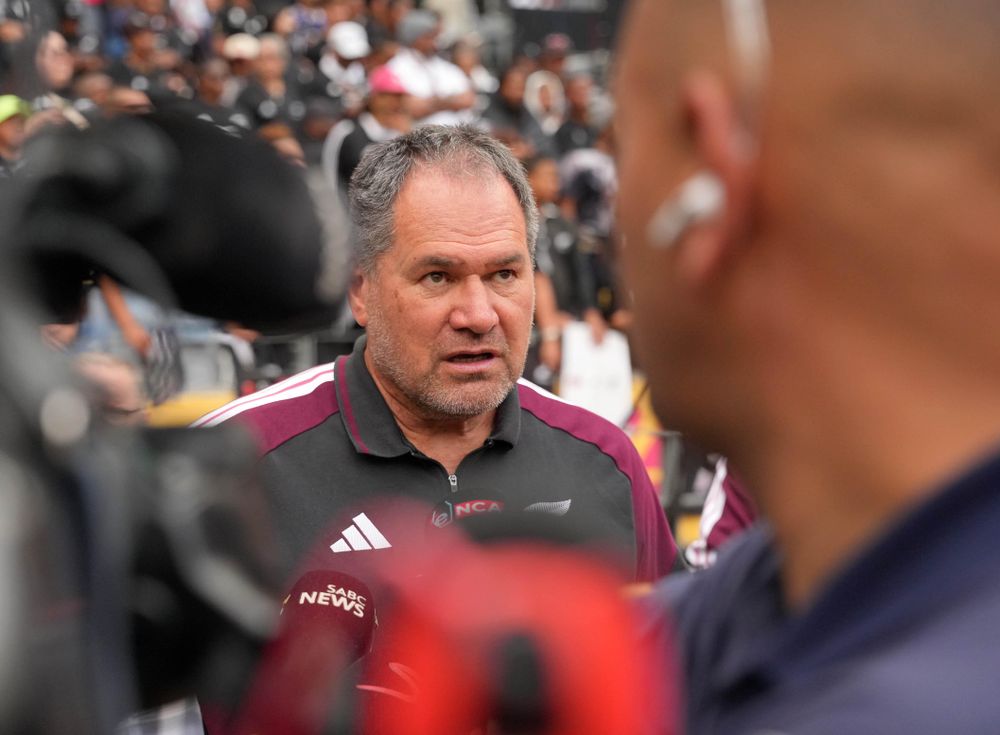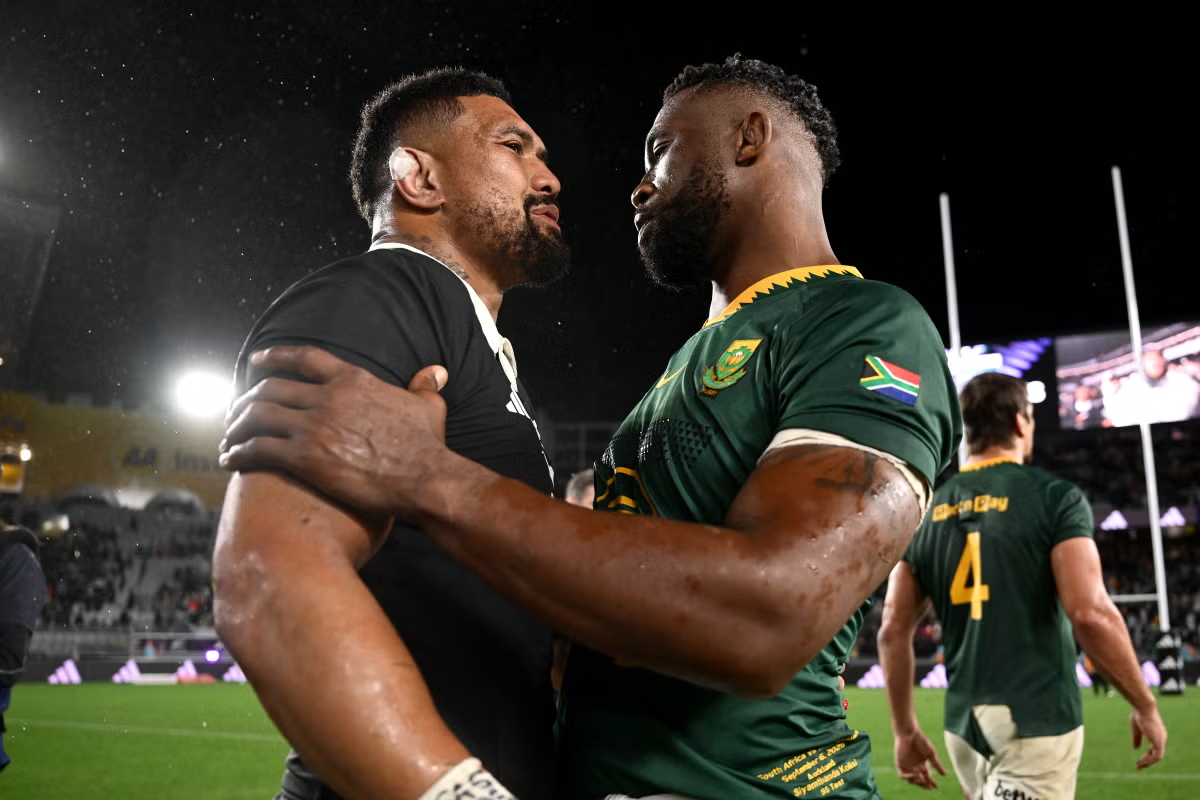
They are known as “The Incomparables”, a nickname to daunt a group of successors that will find themselves inevitably compared. When Dave Rennie unveiled his New Zealand squad for the tour of South Africa, present were a selection of the 1996 All Blacks who, 30 years ago, conquered the reigning world champion Springboks in their own back yard and launched rugby union’s professional age. Three decades on, the echoes of that series still sound; again, this much-anticipated meeting of men’s rugby’s two ruling powers carries with it a significance beyond simply the sport at its centre.New Zealand's 'Incomparables' beat South Africa in 1996 (Getty)For while four Tests between the southern hemisphere heavyweights whet the appetite, this is as much a venture born out of mutual commercial benefit as any great demand for more meetings between the pair. Indeed, there is a degree of rankling resentment at the manner in which the two unions have broken away from the Rugby Championship, a competition that has found new life in recent years. But these encounters, titled “Rugby’s Greatest Rivalry”, carry all the hallmarks of that term – genuine history, genuine hostility, genuine best-of-the-best feel.“With eight matches in six weeks, including a four-Test series against the Springboks, this would have to be the toughest tour in rugby,” All Blacks coach Dave Rennie said. “Every player will be required to play their part across this tour, whether it’s preparing to play or helping their mates prepare. All Blacks coach Dave Rennie has named a 44-man squad for the tour to South Africa (Getty)“It will be an intense seven weeks of touring but an excellent opportunity for us to pit ourselves against the current benchmark team in world rugby, and to build connections with each other in a way that only a tour of this scale can do.”There will be touring teams of old that may scoff at the schedule facing the All Blacks but this is a gruelling itinerary for modern times. New Zealand will criss-cross the Rainbow Nation with four games against the United Rugby Championship (URC) franchises interspersed among four fully-fledged Tests, with half of each played at altitude. They will not need reminding of the strength and depth of South African rugby, or the hunger of those on the fringes to force their way into Springboks contention.Still, though, it feels as if these All Blacks have plenty to prove. There were encouraging early signs at the start of the Rennie regime in July’s Nations Championship fixtures, but New Zealand are clearly playing catch-up after two ultimately wasted years under Scott Robertson. An initial evolution is clear – more ball in play, less kicking, more expression – but one can easily fall back on bad habits against a side like South Africa. Successive sides and successive head coaches have been destabilised by galling days against the Springboks: Mbombela in 2022; Twickenham in 2023; Wellington, most strikingly, last year. Five of the last six meetings, including the World Cup final, have gone South Africa’s way.The All Blacks have fallen behind the Springboks in the last few years (Getty)There is a difference here to 1996: then, South Africa’s World Cup success a year prior had felt a shock sprung in part by a unique confluence of political and personal motivation. Now, the Springboks are clearly the world’s best, and at the forefront of the rugby’s orthodoxy – a position occupied by their tourists for most of the last three decades. It can be seen in the board rooms and back rooms that govern the game. Senior figures at World Rugby have noted that at their most recent “Shape of the Game” conference in south-west London, it was Rassie Erasmus to whom the room generally looked when the Springboks supremo was present; Felix Jones, his whip-smart assistant and key lieutenant, has also been described as a prominent voice of late.Springboks boss Rassie Erasmus has become a key voice within rugby union (Getty)A strong delegation from the South African hierarchy was out in force in March for that conference amid suggestions of a push to de-power the scrum and maul from other areas of the game. World Rugby denied any such talks taking place – and a key takeaway from the conference was a moratorium of sorts on the type of rule tweaking and tinkering that has been too common within the sport – but a slight schism over the future has opened up. Where South Africa and France, particularly, boast relatively buoyancy at Test and domestic level, Australia and New Zealand perhaps feel rugby union is under greater duress, with the continuing threat of the NRL’s largesse again creating headlines in the Pacific in recent weeks. More than 30 years since the dawn of professionalism, rugby union is still figuring out how best to sell itself.It is notable that Mark Robinson, the former CEO of NZ Rugby, has stepped in to an overarching role with the global governing body as the organisation sets a subtly different direction over a crucial period leading up to two World Cups in the United States. South Africa and New Zealand met in the last Rugby World Cup final (Getty)This is a key series in that regard, with the fourth Test held in Baltimore – a city likely to be a strong contender to host games at those tournaments. Commercially, there is significance here, too, with the Springboks known to be keen to build their global brand in a manner similar to that of the All Blacks. As previously detailed, though, NZ Rugby is not necessarily flush with cash – for each, four marquee and lucrative Tests like these are timely.It is perhaps fitting that the first match of the All Blacks’ tour, against the Stormers on Friday night, takes place in Cape Town. New Zealand boast significant support in the city dating back to the days of apartheid, when many from the Cape Coloured community turned away from the all-white Springboks. A shared kinship was further established during the 1981 South Africa tour to New Zealand, which was met with strong protests. Into that rich historical tapestry more thread is about to be woven.
The deeper significance behind the Rugby’s Greatest Rivalry series
As the two ruling powers of men’s rugby union prepare to meet in two Tests, Harry Latham-Coyle explains the rich history and off-field conflicts that deepen the rivalry
1,025 words~5 min read