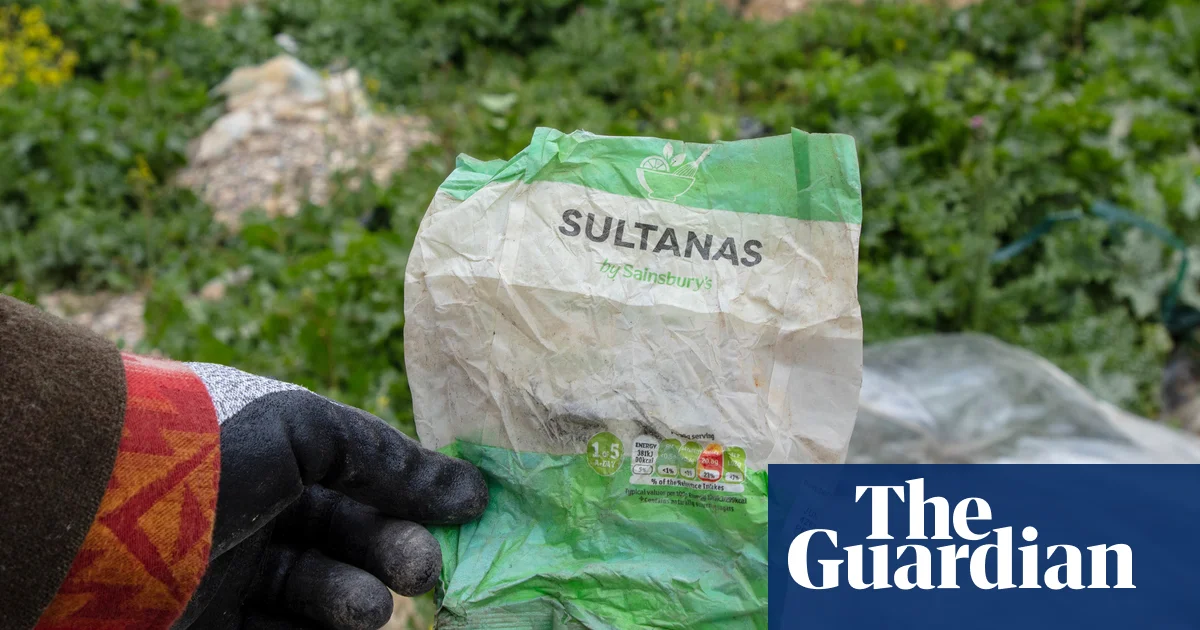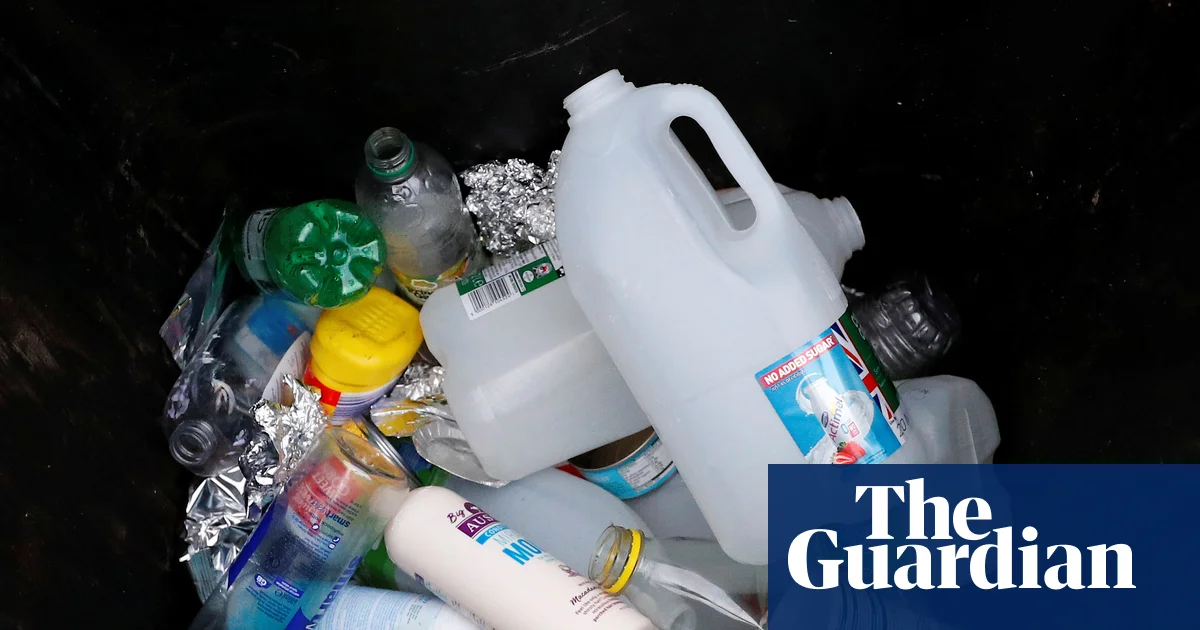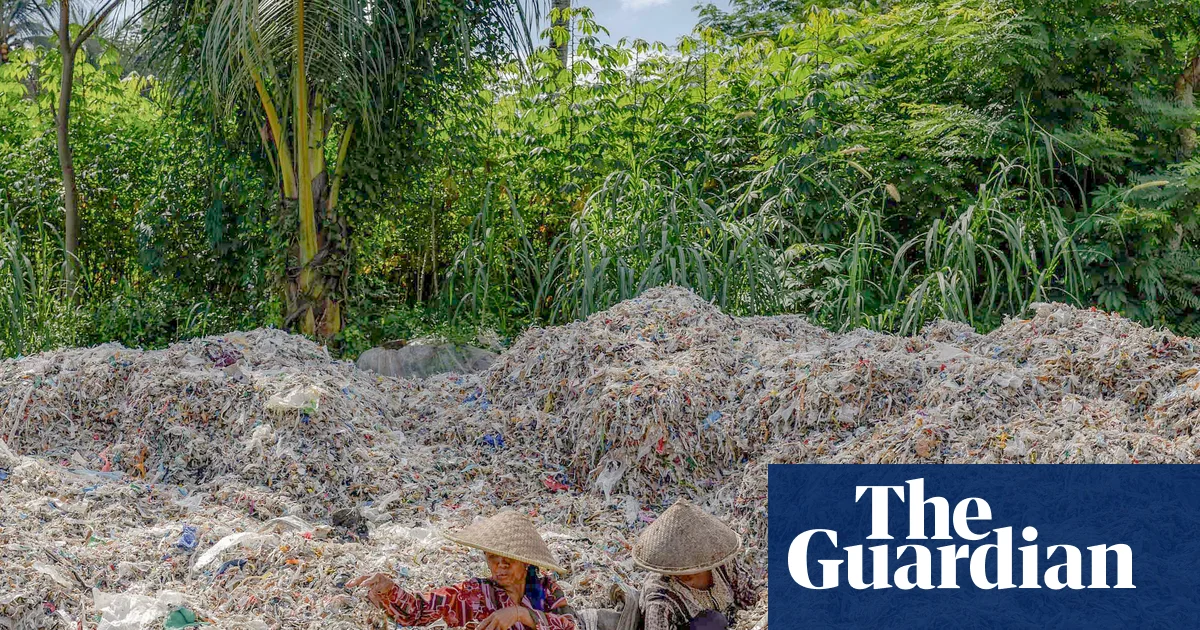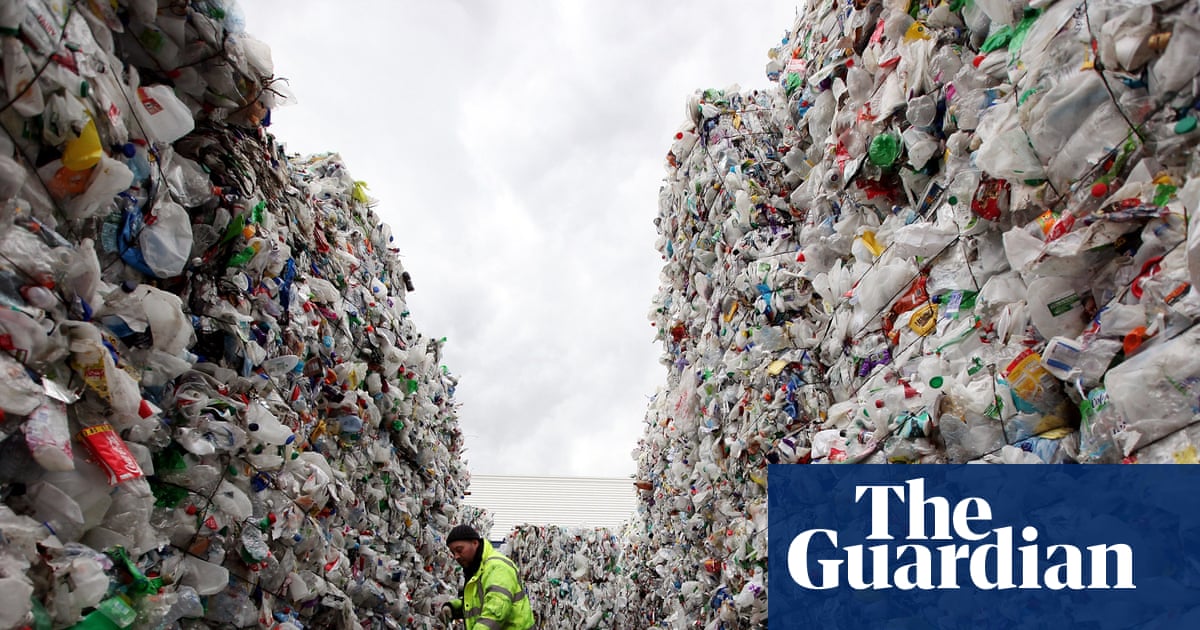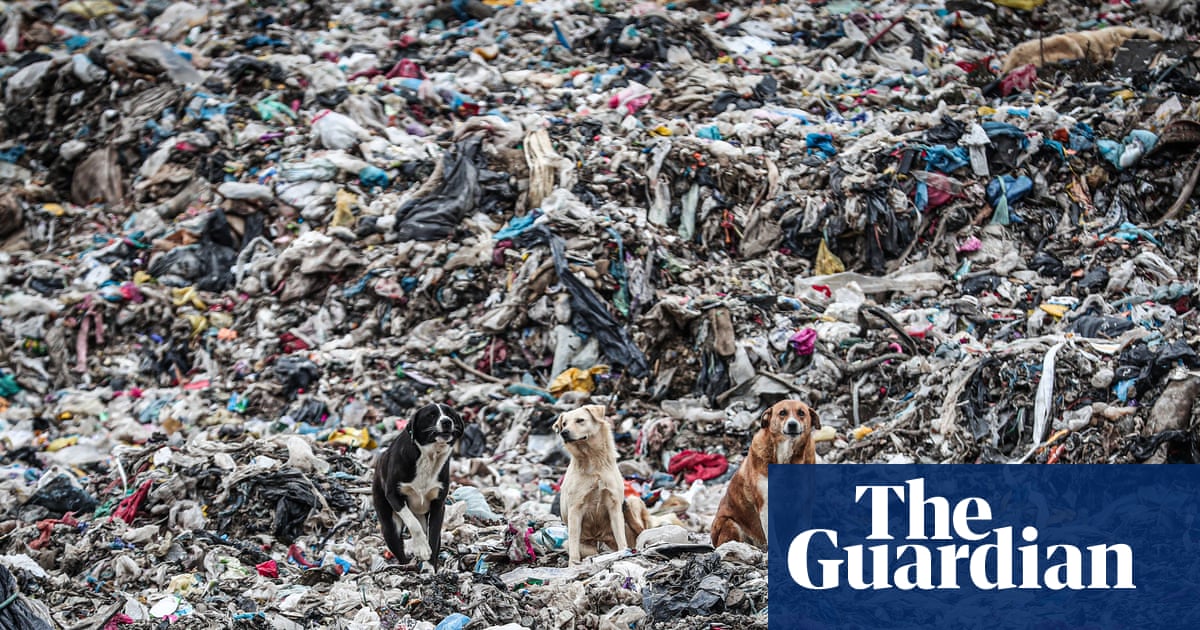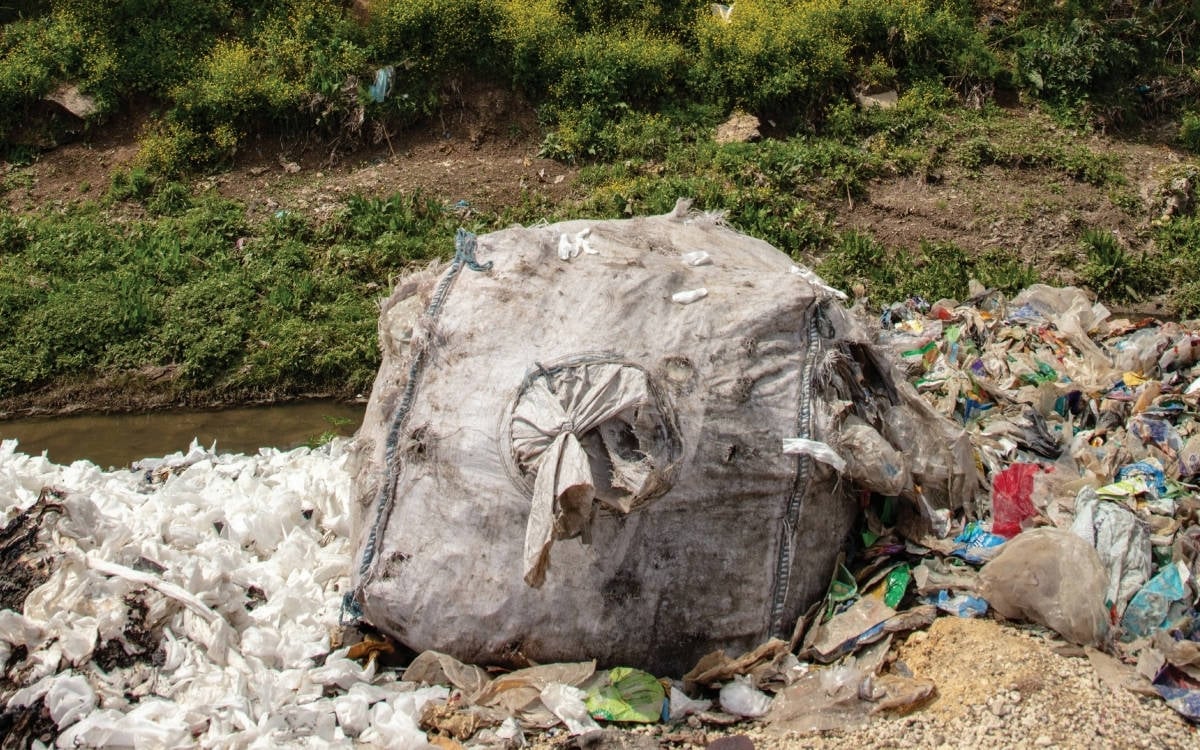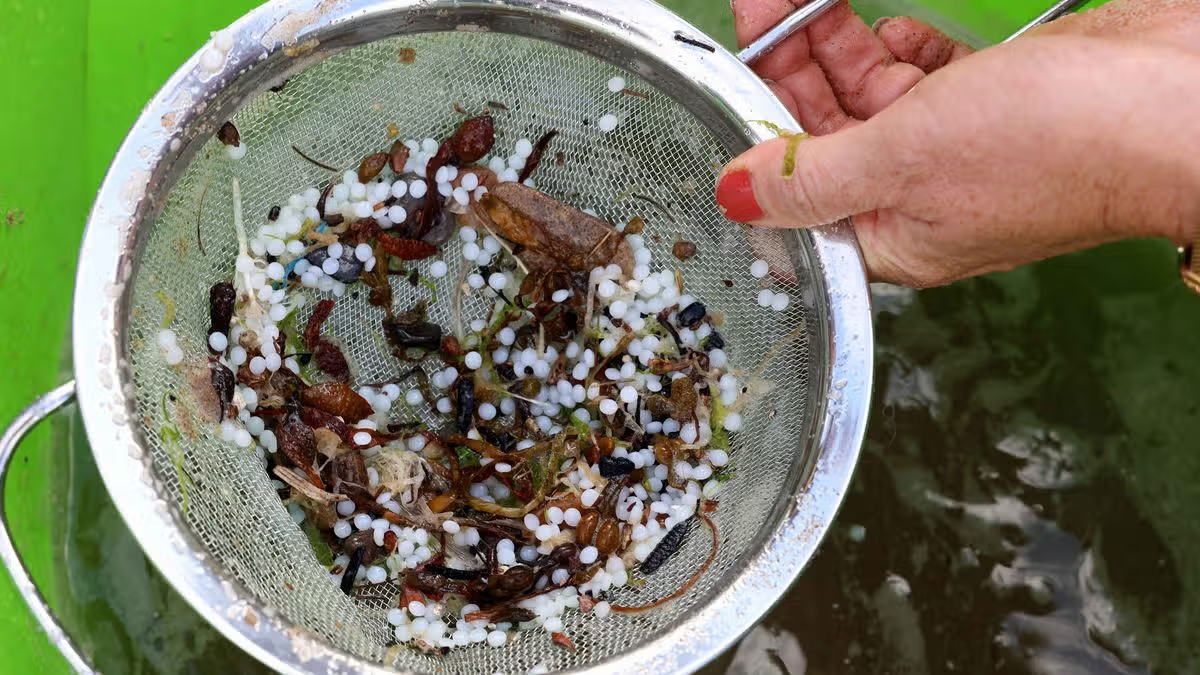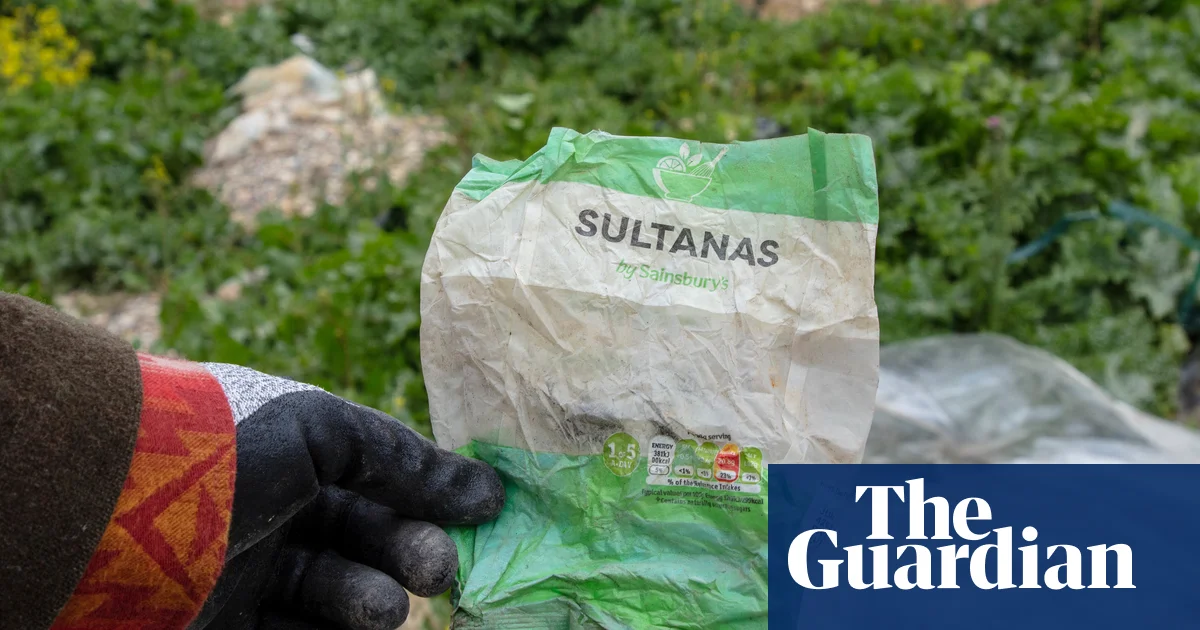
A year ago this month, when global talks to end our spiralling plastic crisis collapsed, Emma Hardy, Britain’s then marine minister and the UK’s head of delegation, said she was “hugely disappointed”. The UK is committed to working, at home and abroad, to “protect the environment and pave the way to a circular economy”, she pledged.But Britain, one of the world’s largest exporters of plastic waste, remains part of a global trade that enables us to send mountains of plastic rubbish to other, mostly poorer countries, fuelling pollution, health impacts and waste crime.Over the last few months, I have been looking at exports to Turkey, which is now the primary destination for EU and UK plastic waste. A Turkish researcher told me he found high levels of microplastic and other plastic pollution in an irrigation canal next to Kemal Deniz, a major recycling site in Adana, southern Turkey. And an analysis of export/import data, carried out for the Guardian by the Environmental Investigation Agency (EIA), identified 13 British companies who sent plastic to this site between 2021 and 2024.Residents in Adana say plastic waste from the UK and the EU is driving the operations responsible for water and air pollution, leaving them to pay the price.More of what happened when the Guardian spoke to farmers and residents near Kemal Deniz, after this week’s headlines.Essential reads
‘Waste colonialism’ – the Turkish city carrying the weight of Britain’s pollution problem
In this week’s newsletter: a Guardian investigation reveals that the UK exported 139,000 tonnes of rubbish to poor districts in Adana, where farmers are left to cope with microplastics, toxic smoke, and debris
1,008 words~5 min read