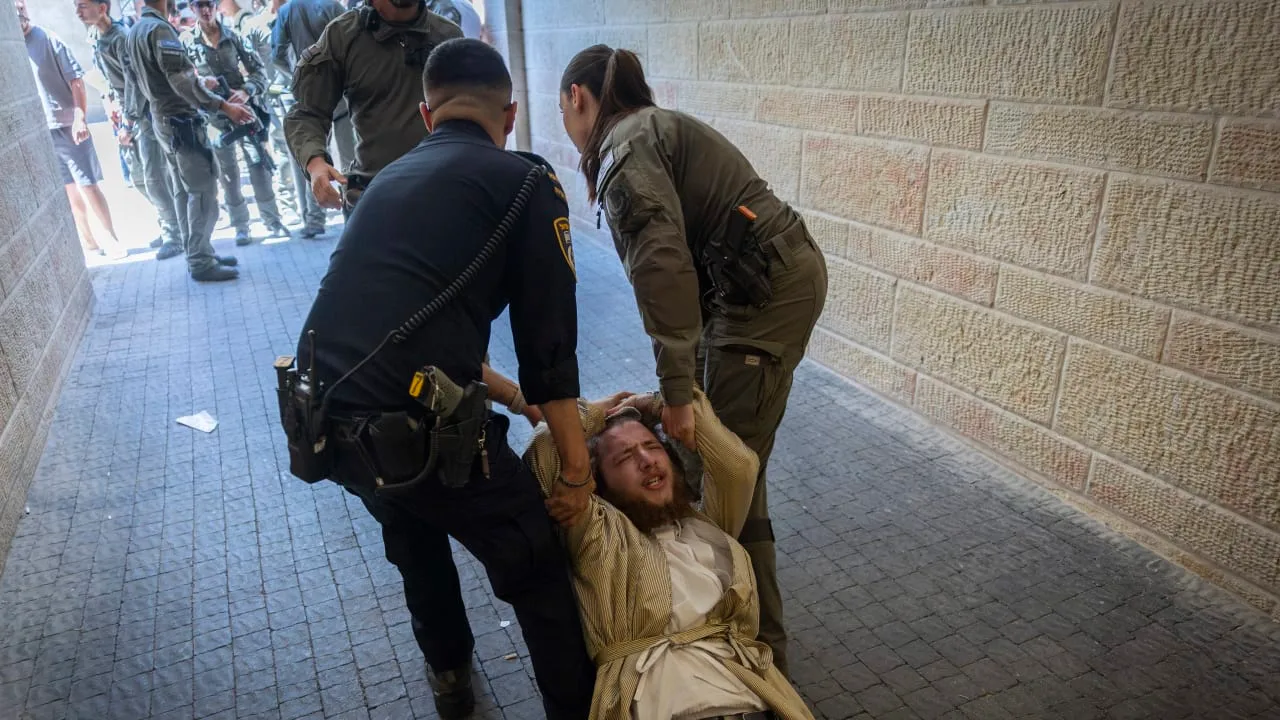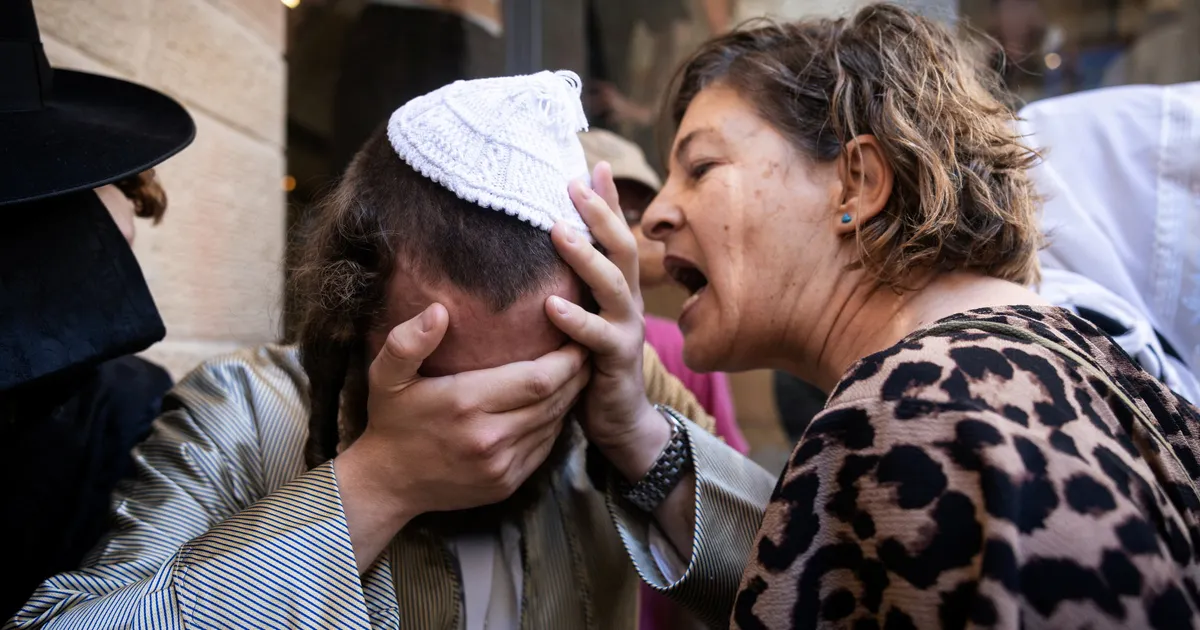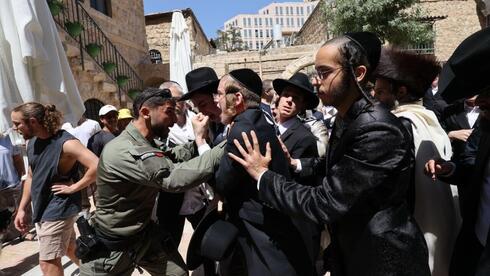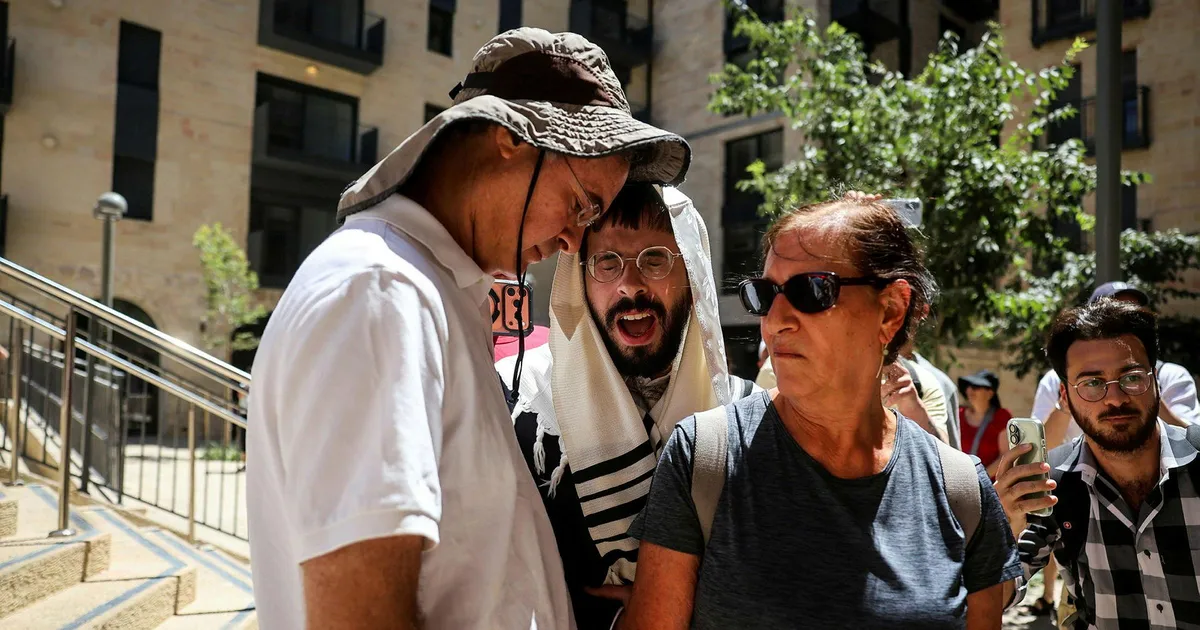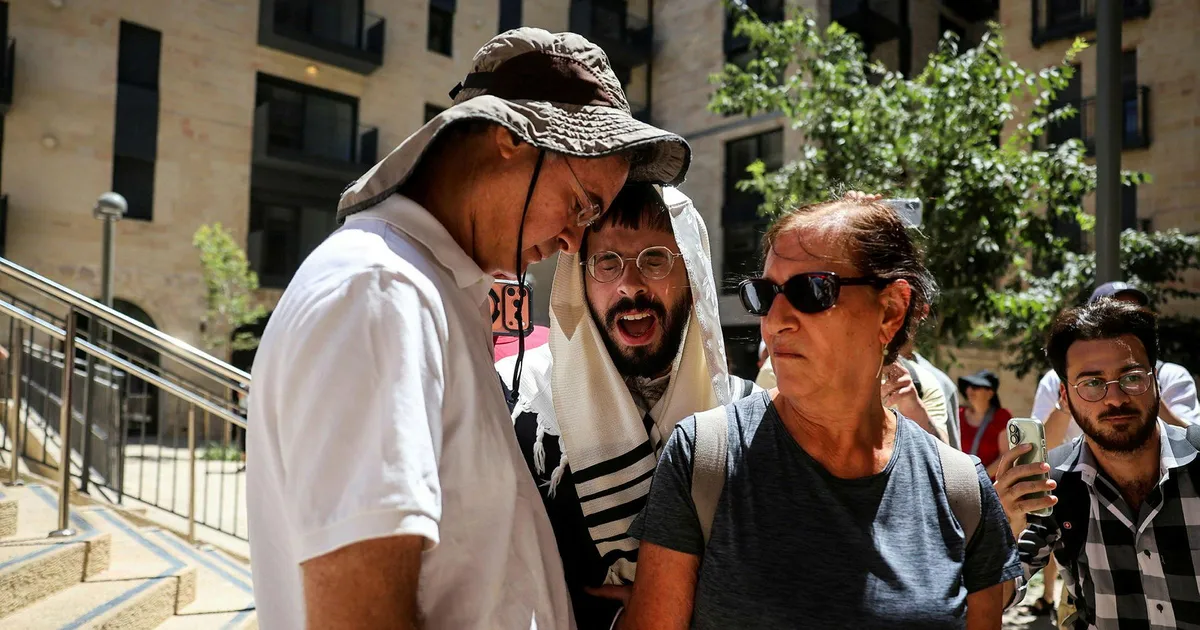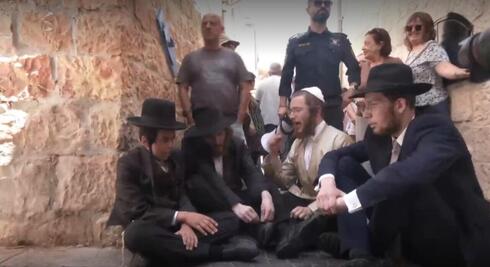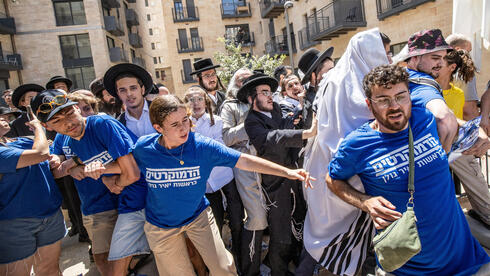
Opinion: The battle over a Shabbat cafe in Jerusalem is a test of whether the city can remain Jewish without belonging to only one kind of Jew; a secular Shabbat may not follow halacha, but that does not make it any less Jewish Einat Levi|In the eyes of many Jews living in Jerusalem, a cafe that is open on Shabbat is much more than a place to drink coffee. It is a sign that they, too, have a place in this city. Against that background, one must understand the uproar over the repeated demonstrations outside the cafe on Agrippas Street. From the outside, they may look like another chapter in the familiar confrontation between religious and secular Jews, but from the perspective of many Jerusalem residents, this is a struggle over the very right to feel at home in their own city.Jerusalem is a city where different identities, traditions and ways of life meet. It carries within it deep layers of Jewish history, and at the same time it is a real and contemporary city where people live and seek to shape their lives in different ways. A secular Jew who wants to sit in a cafe on Shabbat is not asking to enter Mea Shearim and change the way its residents live. He is not demanding that a Haredi person desecrate Shabbat, and he is not seeking to cancel its sanctity in that person’s eyes. He is only asking to live his life in a space where different people meet, in a place that operates legally in an area that does not belong to one community alone.Haredim protest on Shabbat outside Cafe Basimta (Video: from social media)When protesters stand outside that place every Shabbat, and when the protest spills over into threats, shouting, property damage or attempts to drive away customers, it is difficult to see it merely as an expression of religious pain. It is already an action that seeks to determine who is entitled to shape Jerusalem’s character, and who is required to shrink within it. This must be said plainly: A violent protest is not a struggle over the sanctity of Shabbat. It is a struggle for control of the public space.This must be said plainly: A violent protest is not a struggle over the sanctity of Shabbat. It is a struggle for control of the public space One can understand a person who is saddened by a business opening on Shabbat. One can respect a deep belief according to which Shabbat is a covenant, a sanctity and a commandment. In a democratic society, it is permitted to protest, demonstrate and try to persuade. The public space must also contain positions that are uncomfortable for us. But belief, however deep, does not give a person ownership over another person’s life. It does not permit him to terrorize, humiliate, harm or turn the street into the executive arm of his religious worldview.GalleryCafe Basimta on Agrippas Street in Jerusaelem is open on Shabbat(Photo: Alex Kolomoisky)Moreover, violence in the name of Shabbat is not only an injury to the secular person. It is an injury to Shabbat itself. A tradition whose “ways are ways of pleasantness and all its paths are peace” cannot reveal itself through force. A Judaism that seeks to bring a person closer to holiness cannot begin by denying his right to stand before it as a free person.This does not mean that every religious protest is coercion or that every Haredi person is a partner to violence. The pain over the changing face of the city is also real pain, and it deserves to be heard. But listening does not require creating artificial symmetry. A person sitting in a cafe is not in the same position as someone seeking to prevent him from sitting there. Before holding a discussion about the character of Shabbat, a clear boundary must be set against violence and intimidation.The conversation required here is not only about this cafe. It touches on a much deeper question: To whom does Judaism in Israel belong? For too many years, a destructive division of labor has taken root here. The religious and Haredi public has been given the authority to define what Judaism is, while the secular public has been required to choose between accepting that definition and distancing itself from Judaism altogether. Thus an equation was created according to which Judaism primarily means halacha, authority and prohibition, while personal freedom requires giving up Jewish belonging.Counterprotesters hold back Haredi protesters at Cafe Basimta on Shabbat(Photo: Alex Kolomoisky)That equation is not true, and it is also dangerous. A secular Jew also has Shabbat. He has memory, language, culture, family, responsibility and longing. His Shabbat may include a family meal, a hike, reading a book, meeting friends — and also drinking coffee at a cafe. It is not a halachic Shabbat, but that does not mean it is devoid of Jewish meaning.A secular Jew also has Shabbat. He has memory, language, culture, family, responsibility and longing. His Shabbat may include a family meal, a hike, reading a book, meeting friends — and also drinking coffee at a cafe. Judaism is not measured only by the question of what a person refrains from doing. It is also examined through other questions: What meaning does he give to time? To which stories does he feel he belongs? What does he seek to remember? What does he want to pass on to his children? And what responsibility does he take upon himself toward the society in which he lives?That is precisely the role of Israeli Judaism. Not to create a pale compromise formula between religious and secular Jews, and not to blur the differences between them, but to build a space in which no sector is the owner of Judaism that hosts all the others. A space in which every person is entitled to encounter the tradition, study it, argue with it, interpret it and live from within it according to his conscience.Clashes outside the cafe on Shabbat(Photo: Alex Kolomoisky)Israeli society needs this space especially now. It needs a shared story that will connect us to our roots, to memory and to the questions of “why”: Why do we live here together? What obligates us toward one another? What kind of society do we seek to build? What do we want to pass on to the next generation?But to the same degree, we also need freedom. The possibility for every person to shape his life, his identity and his set of values without someone else deciding for him what the only way to be Jewish is. This is the dual act Israeli Judaism is required to perform: to connect without coercing; to provide roots without denying choice; to create a shared language without erasing the individual’s unique voice.Roots without freedom easily become a mechanism of control. Freedom without roots may leave us without shared memory and without a sense of responsibility that extends beyond the individual. The challenge is to hold both together: tradition and choice, belonging and interpretation, a shared story and multiple ways to live within it.Einat LeviPhoto: Erez BitonThat is why the cafe on Agrippas Street is more than a cafe. It is a test of our ability to maintain a Jewish city that does not belong to only one kind of Jew. A city where one person can observe Shabbat in all its strictness, and another can live Shabbat differently — and both know that the city is theirs as well.No sector owns Shabbat. No sector owns Judaism. But all of us have responsibility for the way they will appear in our shared space.Einat Levy is pedagogical director at BINA: The Jewish Movement for Social Change.
Even secular Jews observe Shabbat
Opinion: The battle over a Shabbat cafe in Jerusalem is a test of whether the city can remain Jewish without belonging to only one kind of Jew; a secular Shabbat may not follow halacha, but that does not make it any less Jewish
1,281 words~6 min read