I wrote a post that does what most guardrail articles don't — shows the actual before/after model outputs for four failure modes (toxic output, hallucination, PII leakage, role drift), with the production-grade tools you'd use for each in a real system.
Each experiment is a system prompt change on the same model. The difference in output is immediate and visible. All four are runnable in a free Colab notebook using Groq's API (open models, no credit card). Two-line swap to use any other OpenAI-compatible provider.
Production tool pointers: Llama Guard for classification, Guardrails AI for output validation, Microsoft Presidio for PII, NeMo Guardrails for conversation flow control.
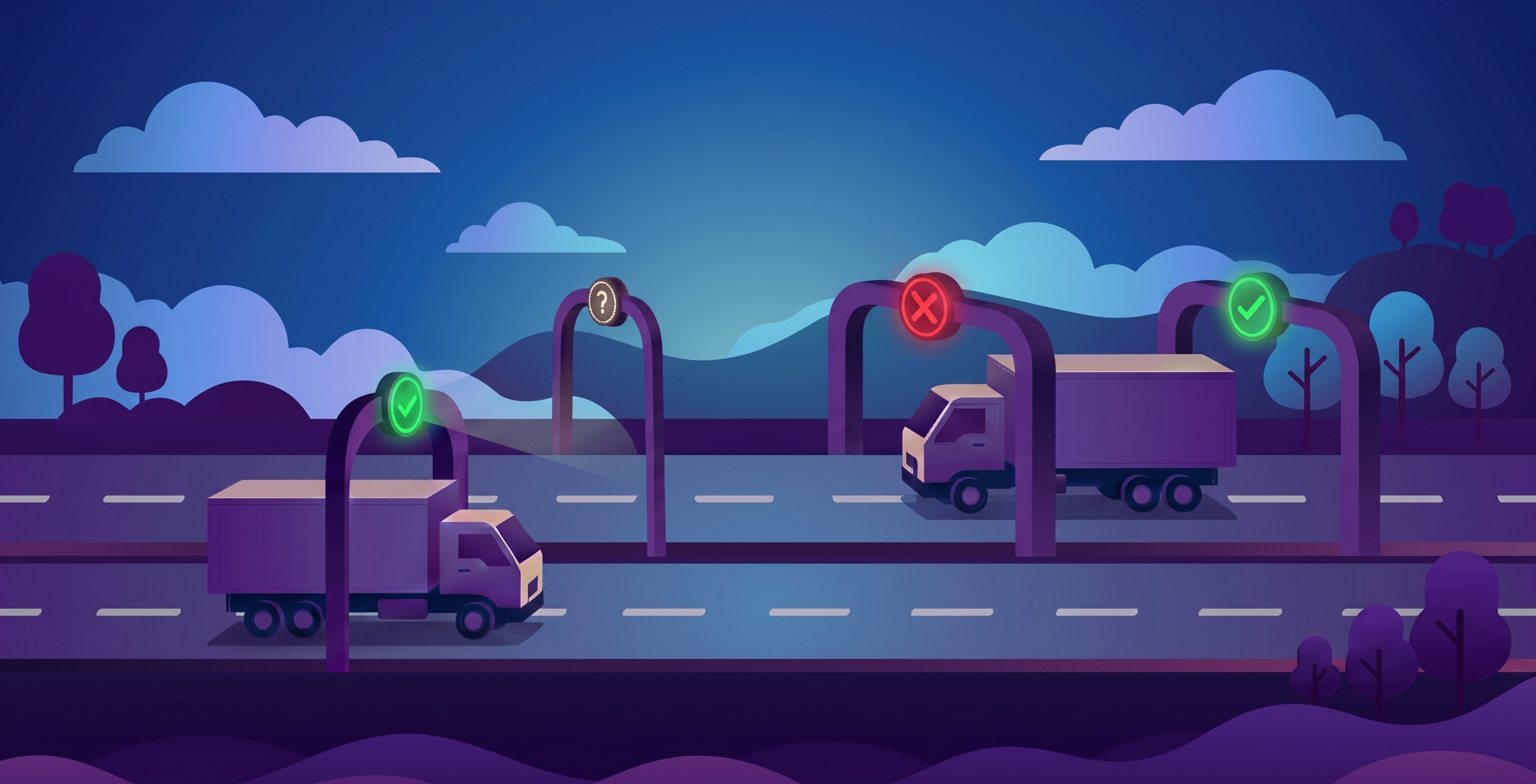
The underlying point: guardrails aren't a safety feature bolted on at the end — they're an architectural layer. Most teams find this out after the first incident.
The pattern across all four: guardrails are not a feature you add at the end. They're an architectural layer you design from the start.