As finews also reported, the U.S. Financial Crimes Enforcement Network (FinCEN) entered into a consent order with UBS on Aug. 3, 2026, imposing a $125 million civil money penalty and branding the Swiss banking giant a «repeat offender.»
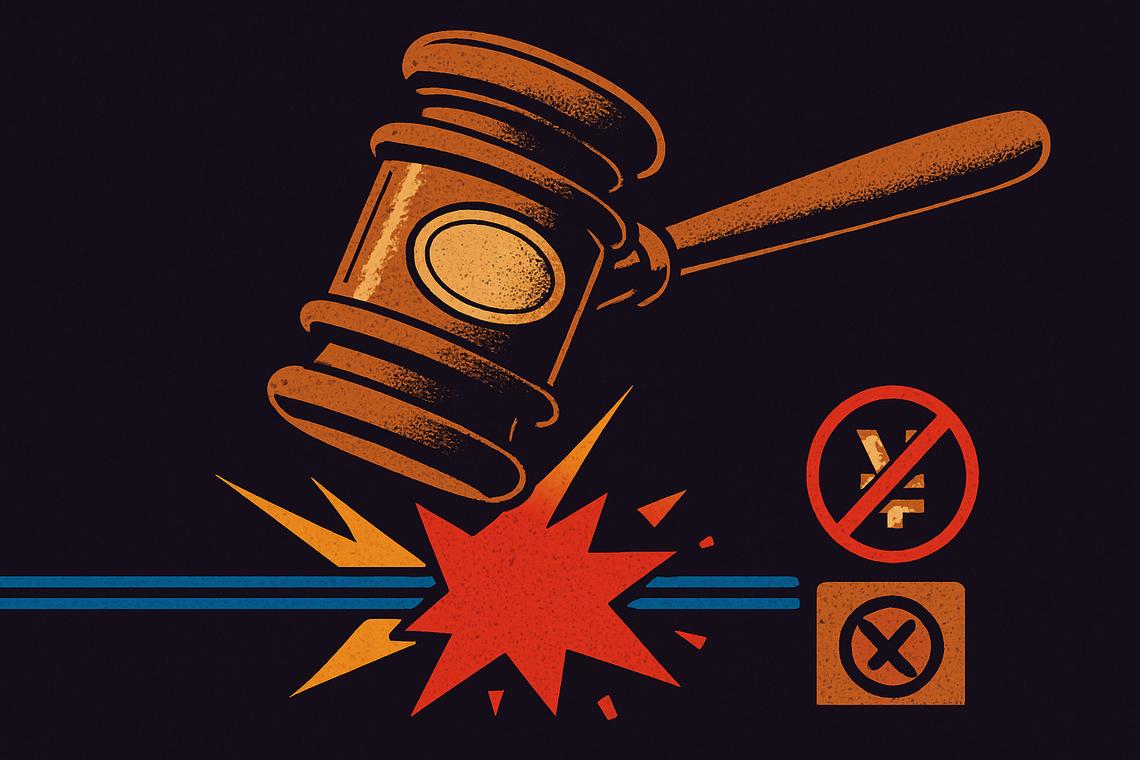
FinCEN? Even among industry professionals, the acronym is hardly a fixture. At MBaer Merchant Bank, more than one employee probably had to look up what it stood for when, in a «Notice of Proposed Rulemaking» (NPRM) published on Feb. 26, 2026, the agency raised the prospect of cutting the bank off from all dollar transactions.
One agency, two entirely different cases, two entirely different instruments. From a Swiss vantage point, it is worth taking a closer look at Vienna, Virginia, where FinCEN — a «bureau» attached to the U.S. Treasury — is headquartered. Unlike the notorious OFAC (Office of Foreign Assets Control), FinCEN remains a largely unfamiliar name to many bankers outside the United States.
Who Is FinCEN?
FinCEN was established in 1990 as the Financial Crimes Enforcement Network within the U.S. Treasury. Its original task: to analyze the financial data reported under the Bank Secrecy Act (BSA) — chiefly Suspicious Activity Reports (SARs) and currency transaction reports — and make it usable for law enforcement.