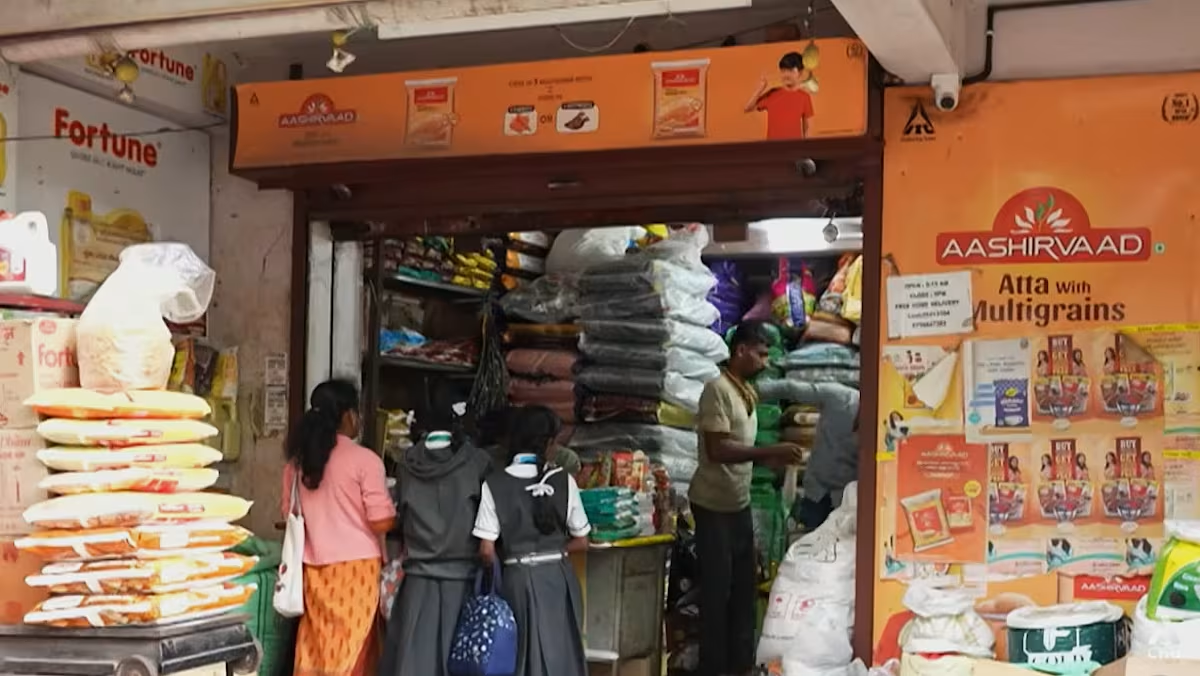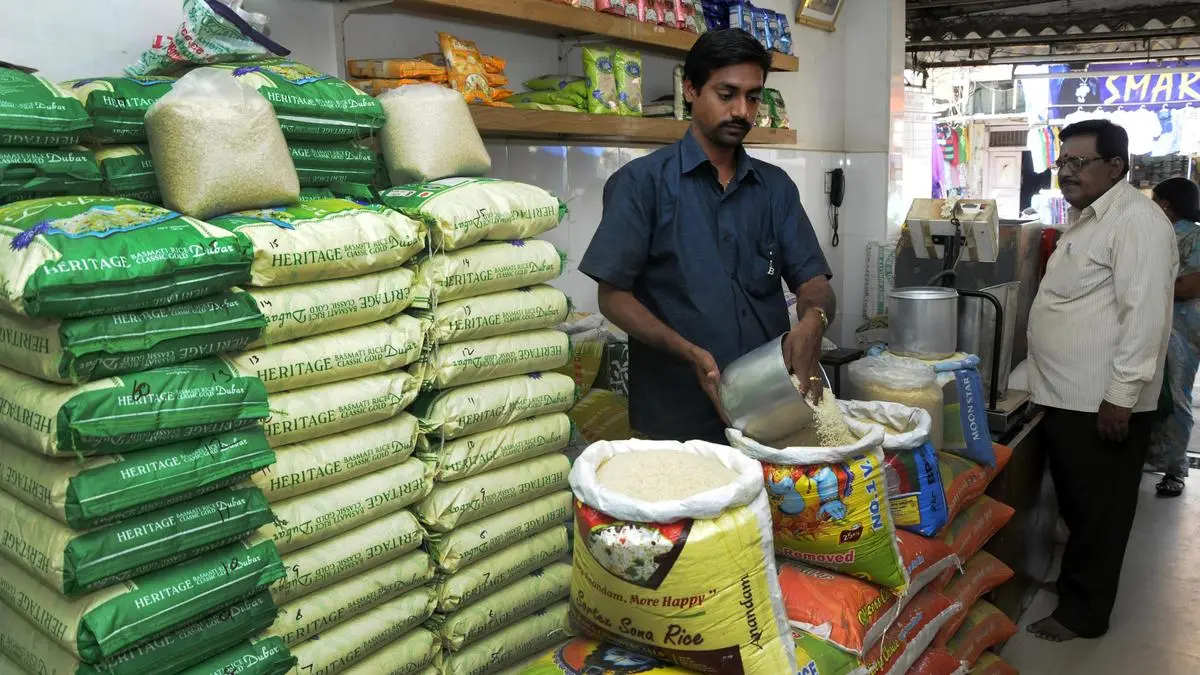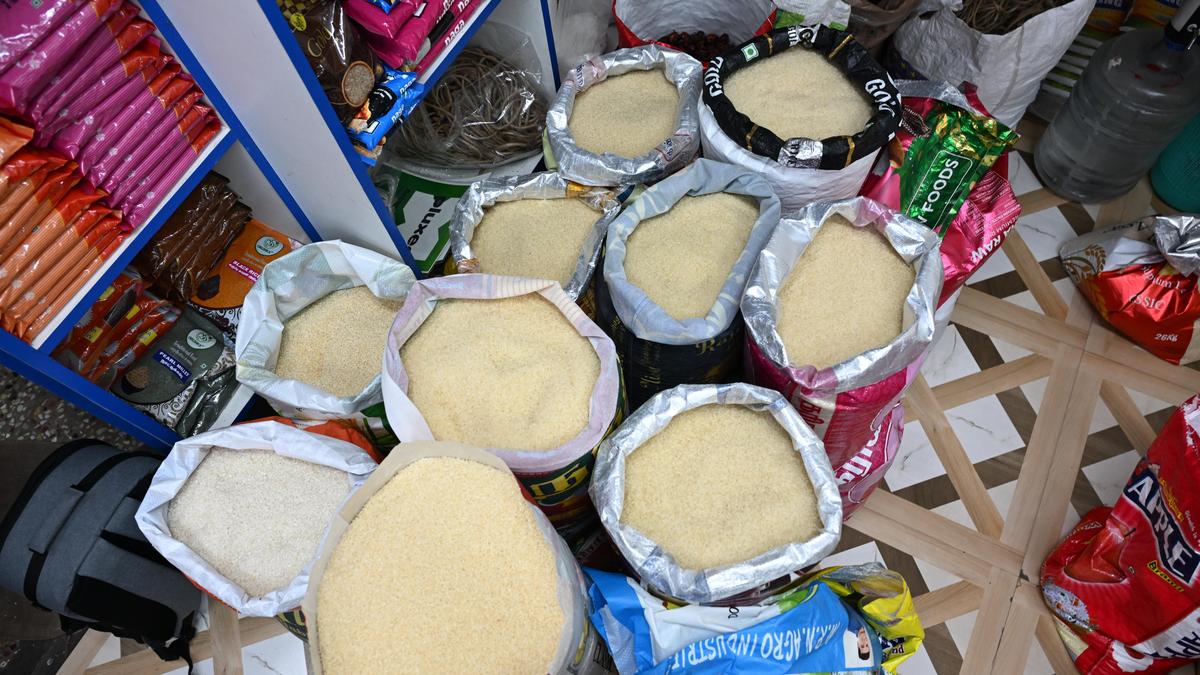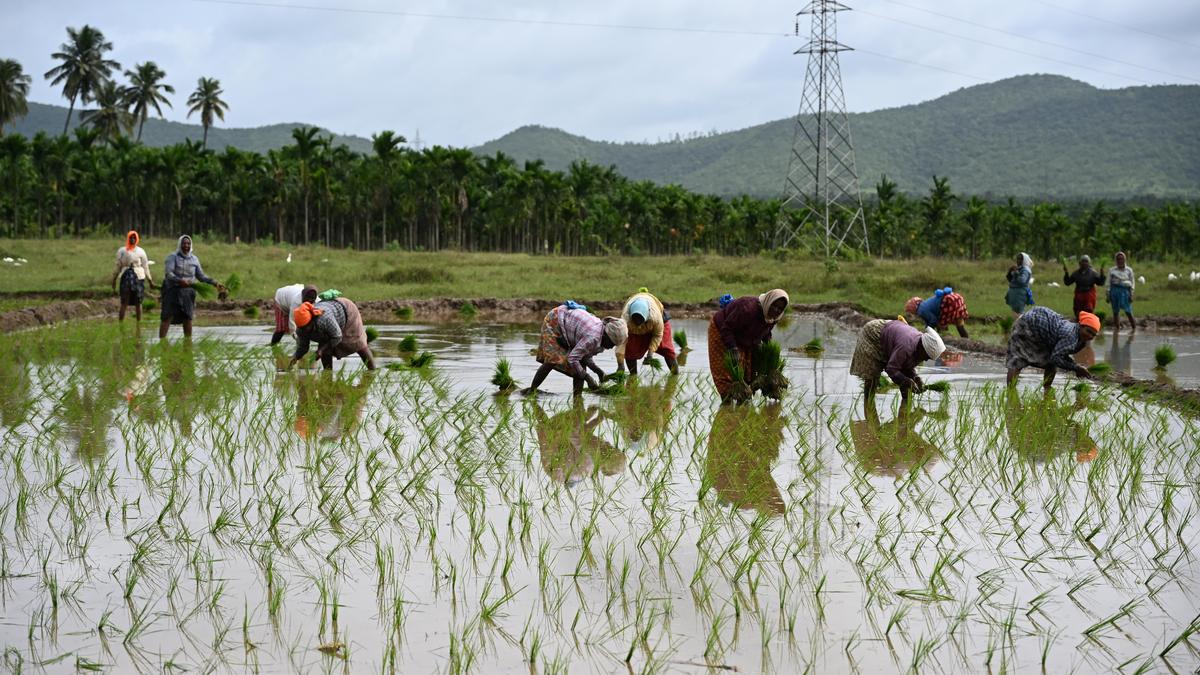
Kavya S., a housewife at BTM Layout in Bengaluru, bought a 26-kg bag of Sona Masoori rice in June for ₹1,560. “This month the cost for the same quantity in the same shop was ₹1,950,” she rued. Radha Shinde, a resident from Vijayanagar in the city, said the second quality bullet rice that she bought last month was ₹1,600 for 26 kg, which is now ₹1,750. "I had to adjust by dropping some pulses from the grocery list,” she explained. Abdul Gafoor, a resident of J.C. Nagar, buys the exotic Jeera Fine variety of rice to cook only special dishes during weekends. “It now costs ₹285 per kg. A month ago, I bought it for ₹255,” he said.The prices of all varieties of rice in Bengaluru’s retail market have gone up by anywhere between ₹10 and ₹15, even higher for the more exotic varieties. Traders in the city say that the upward trend is unlikely to change immediately, given the prevailing conditions on the agricultural fields and in the market.Deficit rain in June and July because of El Nino, the impact of the West Asia war, and some local factors have all pushed the price of various rice varieties. Rice, a water-intensive crop and a staple across south India, has been impacted hard by poor monsoon in June-July and plummetting reservoir levels. Though rain has revived in some parts in August, too much time has been lost say farmers and experts. About 90% of the paddy is grown during the kharif season from June to October in Karnataka.Technical snag adds to woesAbout 500 km from Bengaluru, in the fields of Raichur and Koppal, key rice growing areas irrigated by the Tungabhadra Left Bank Main Canal, farmers are despondent for two reasons — delayed and deficit monsoon and technical snags that have cropped up just when the rains revived in August. The region remained dry in June and July, and when it is raining in August and reservoir levels are up, a breach near Mile 46 in Koppal district is causing delay in water release into the Tungabhadra Left Bank Main Canal, further delaying the kharif cycle.
Karnataka’s rice bowl shows no signs of filling up
Karnataka's rice prices soar due to El Niño, war impacts, and local challenges, threatening the agricultural staple's supply.
1,780 words~8 min read