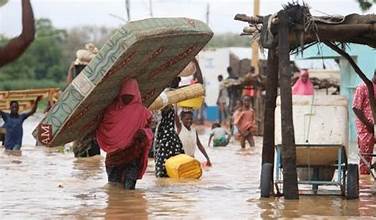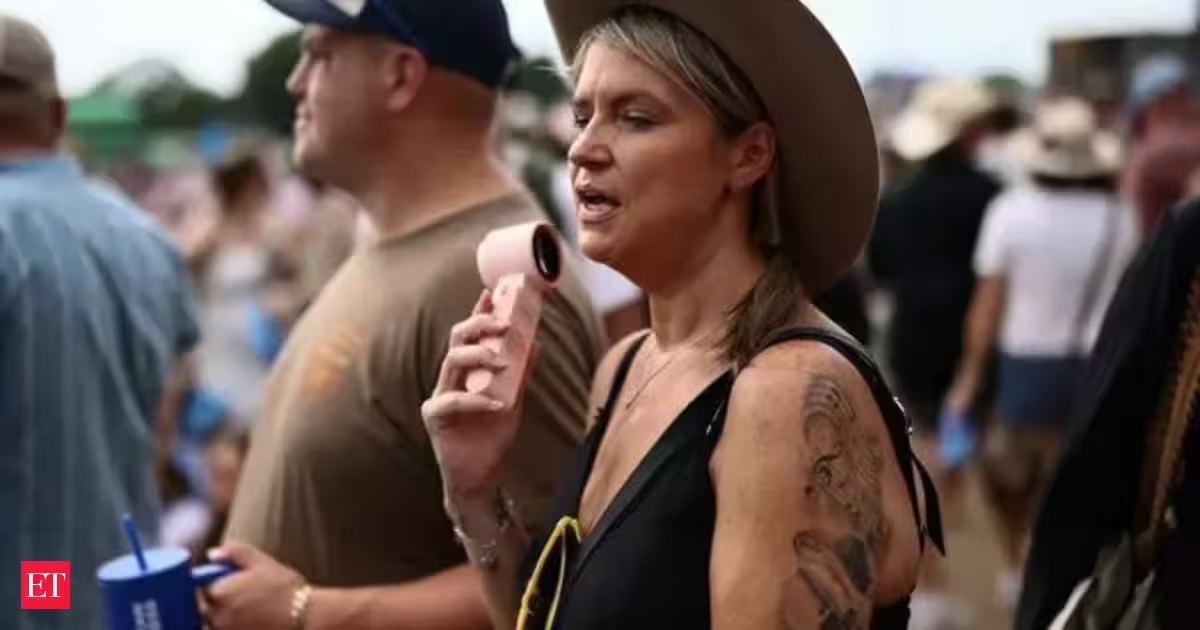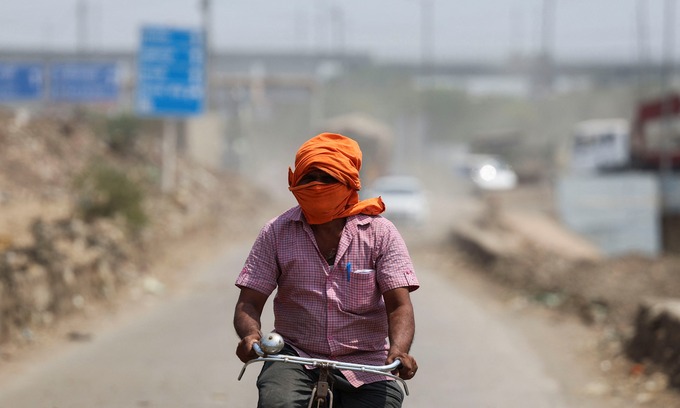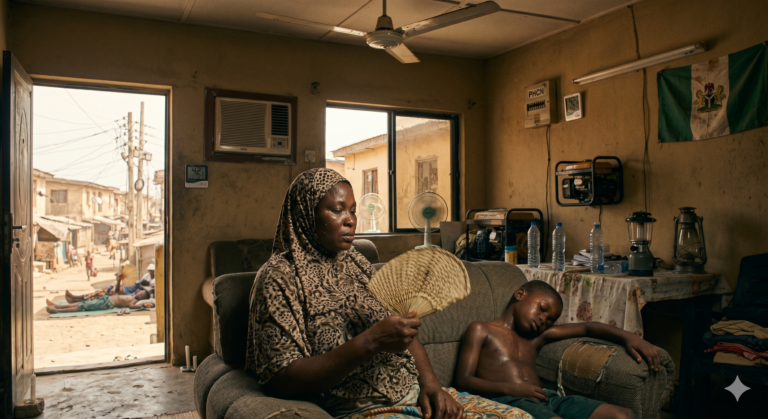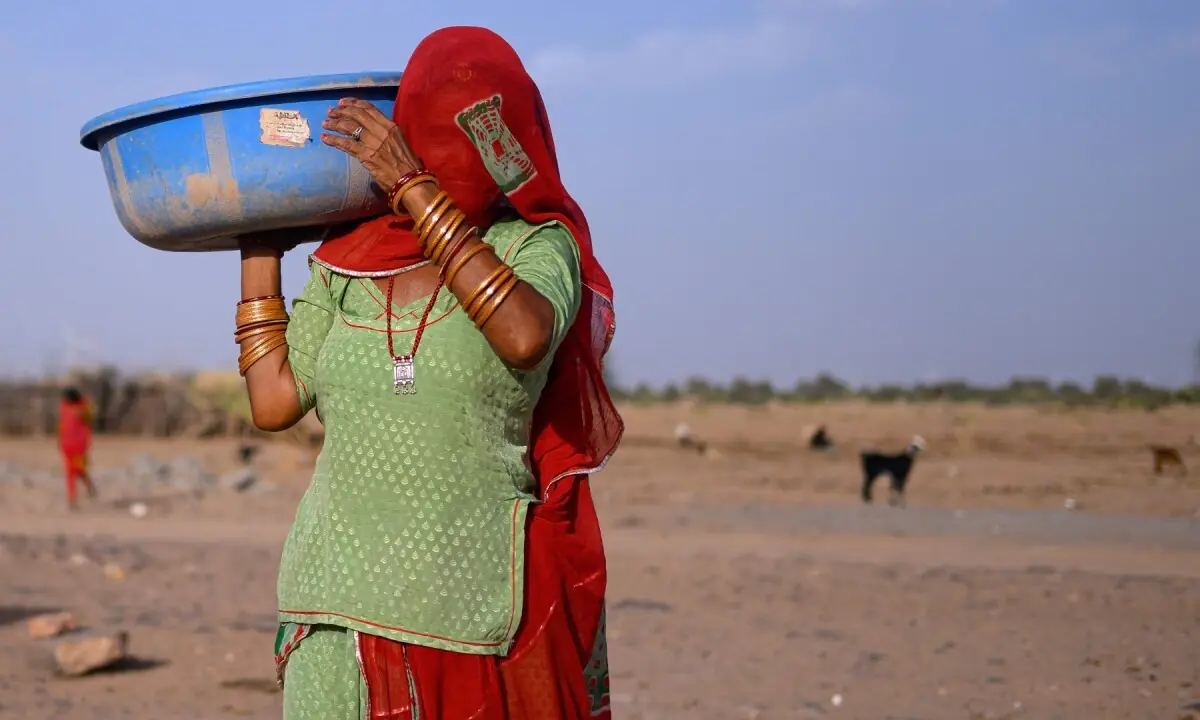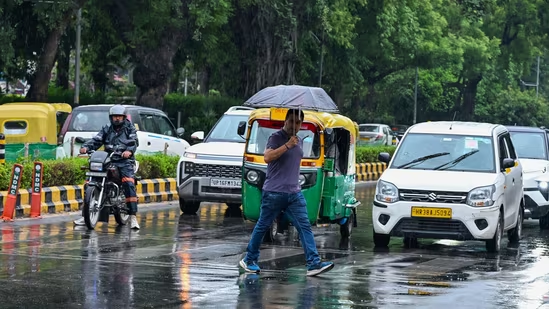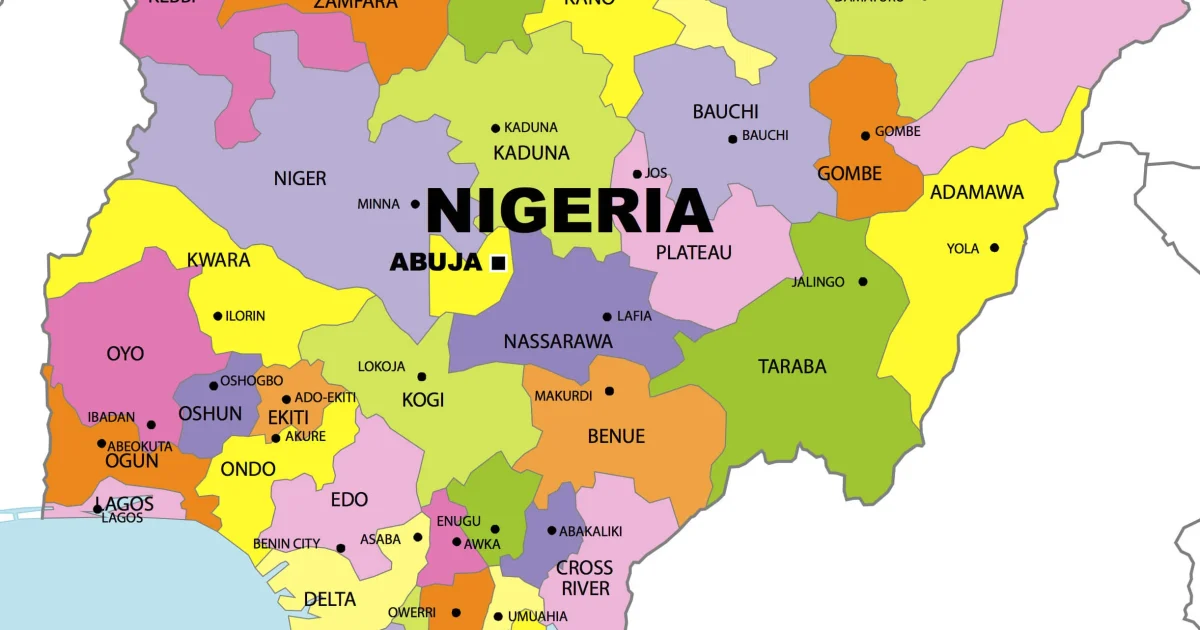
By the time you finish reading this article, someone somewhere in Nigeria will be searching for the nearest shade to escape the afternoon sun. A commercial motorcyclist will wipe sweat from his face after hours under the scorching heat. A market woman will complain that the weather is becoming unbearable. A farmer will look anxiously at the sky, wondering whether the rains will come at the right time. These are ordinary scenes in our daily lives, yet together they tell an extraordinary story.
For many years, we treated conversations about climate change as though they belonged to scientists, environmental activists, or world leaders meeting in distant conference halls. We listened to discussions about rising global temperatures, melting glaciers, and international climate agreements, believing they had little to do with our everyday struggles. Today, that illusion no longer holds. Climate change is no longer a distant environmental concern. It is unfolding in our homes, on our streets, in our farms, and in our hospitals.
The greatest mistake we can make is to think that climate change is only about weather. It is much more than that. It is about the child struggling to concentrate in an overheated classroom. It is about the construction worker labouring under extreme heat. It is about the elderly woman whose health deteriorates during prolonged hot spells. It is about the farmer whose harvest depends on rainfall that has become increasingly uncertain. Climate change is no longer just an environmental issue; it is a human issue.