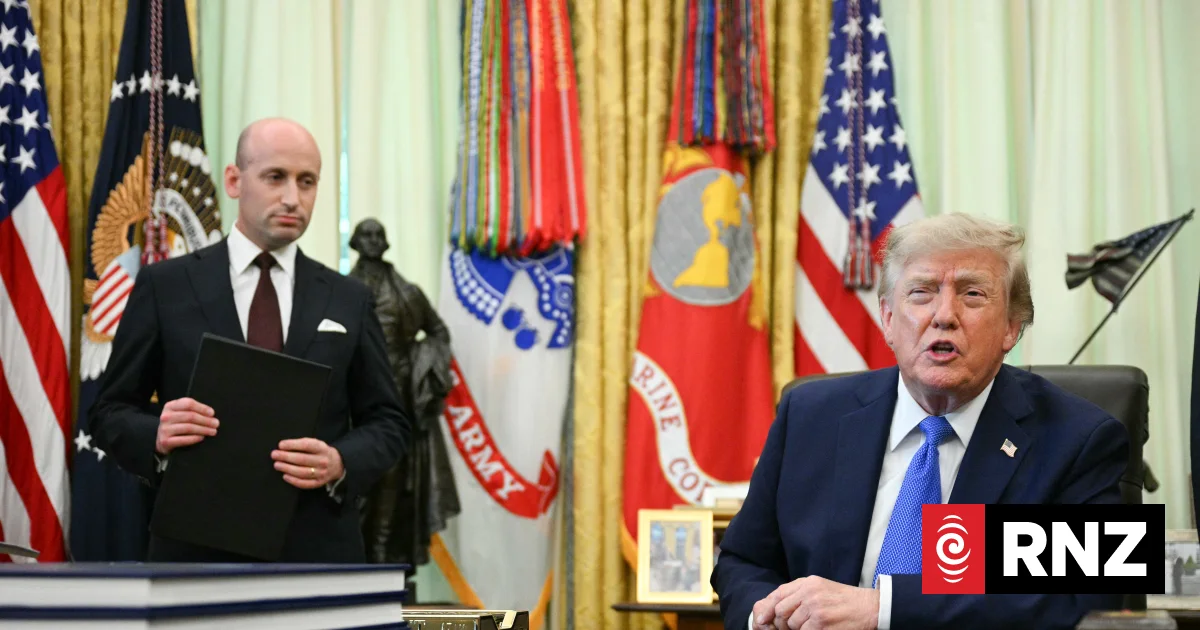
Trump's order is likely to face a legal challenge. The Supreme Court overturned the president's earlier effort to curb birthright citizenship.Show Caption
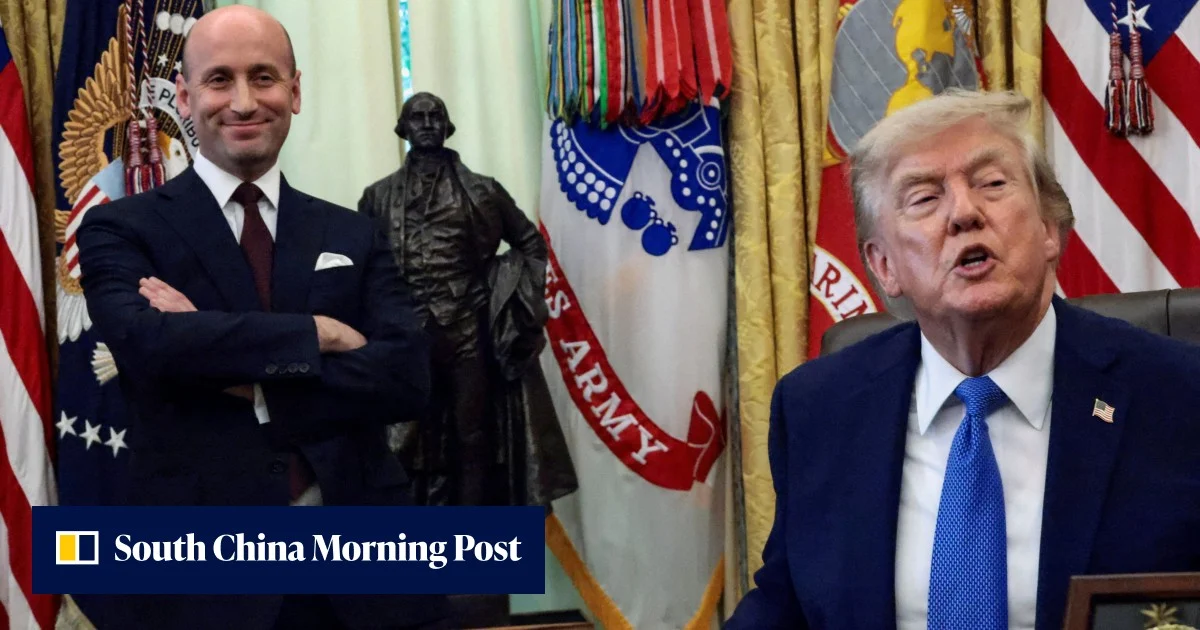
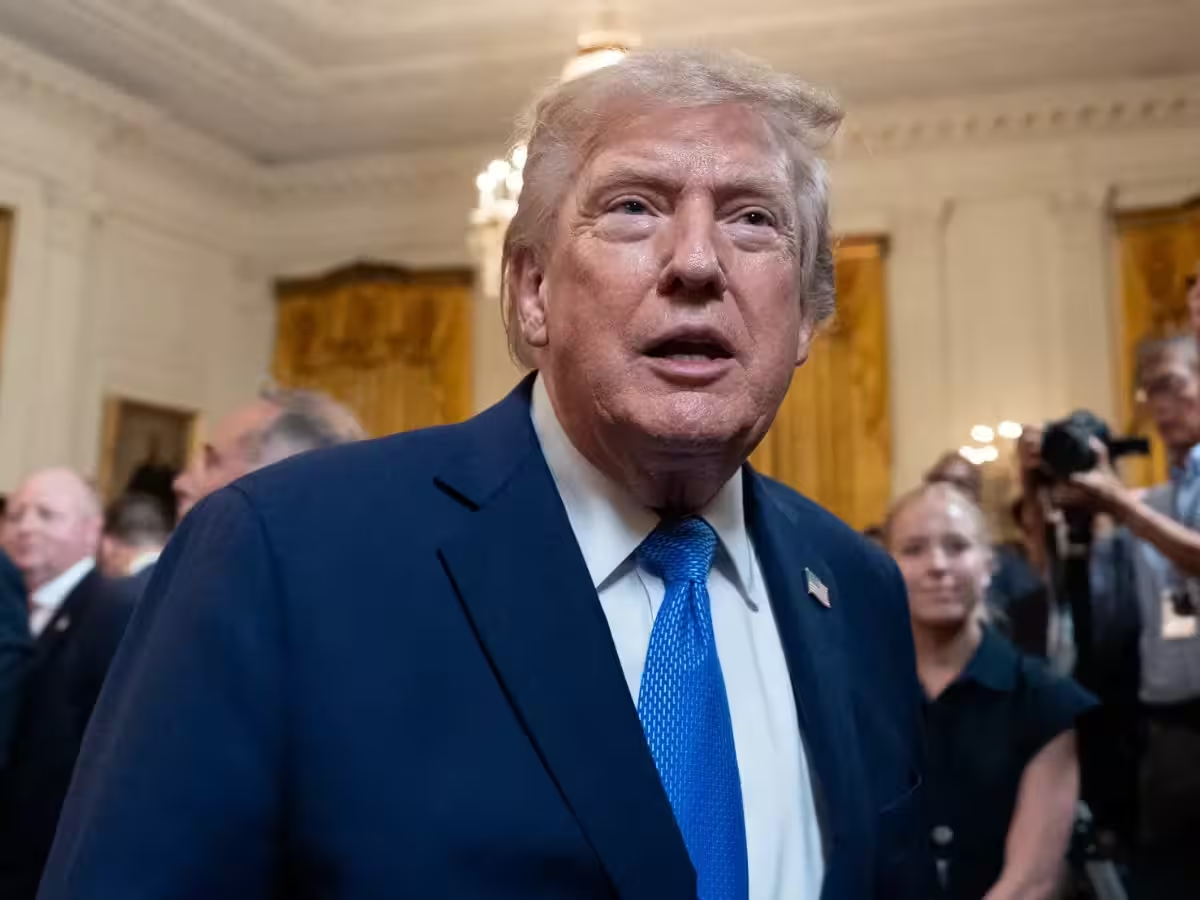
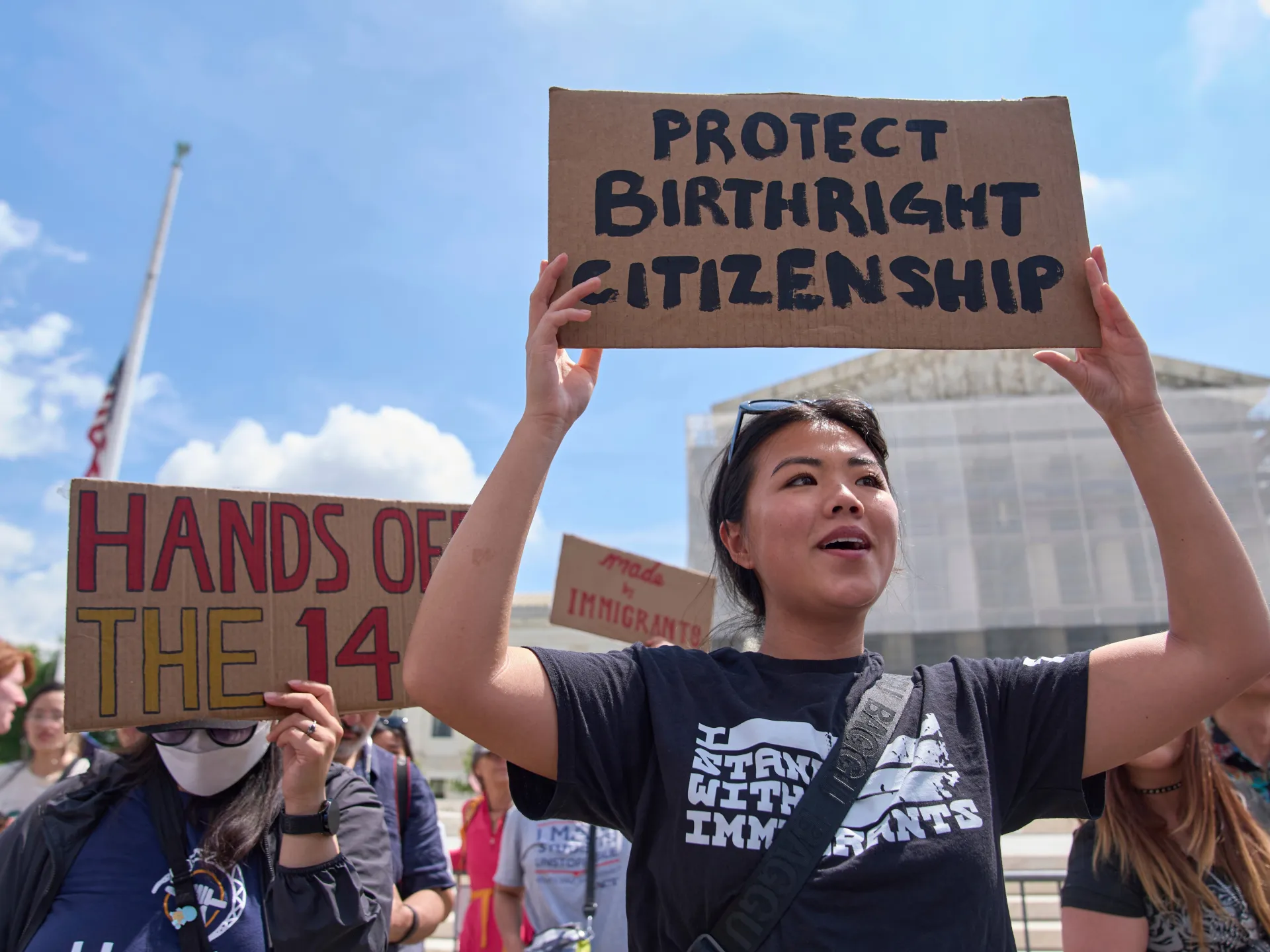
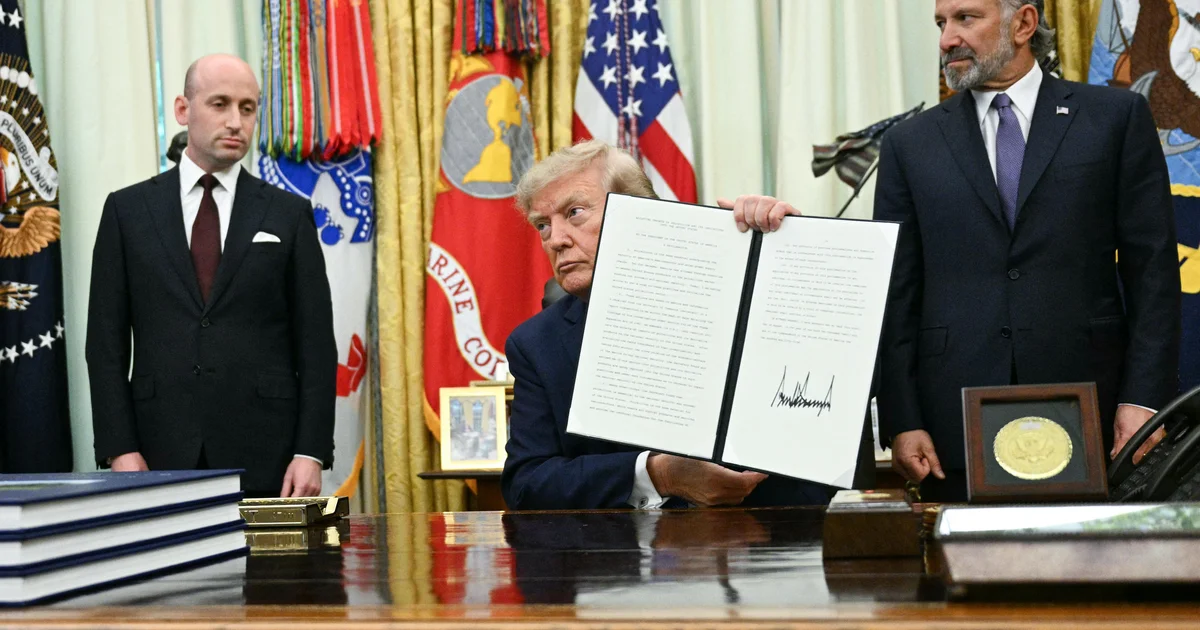
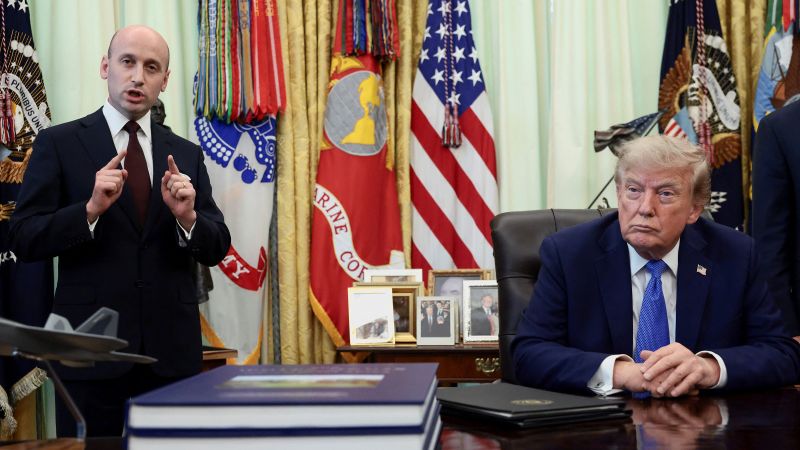
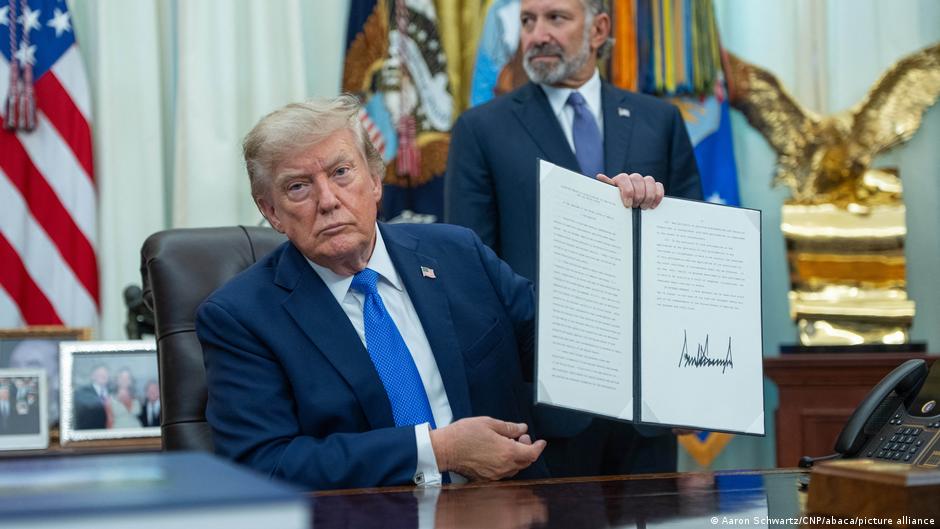
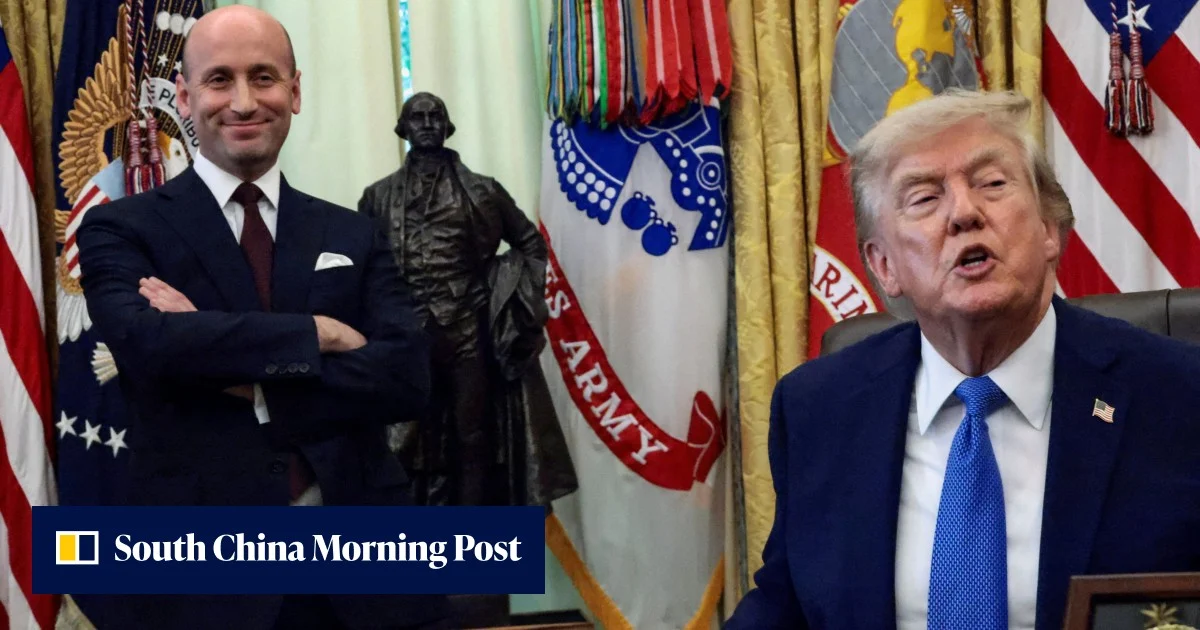
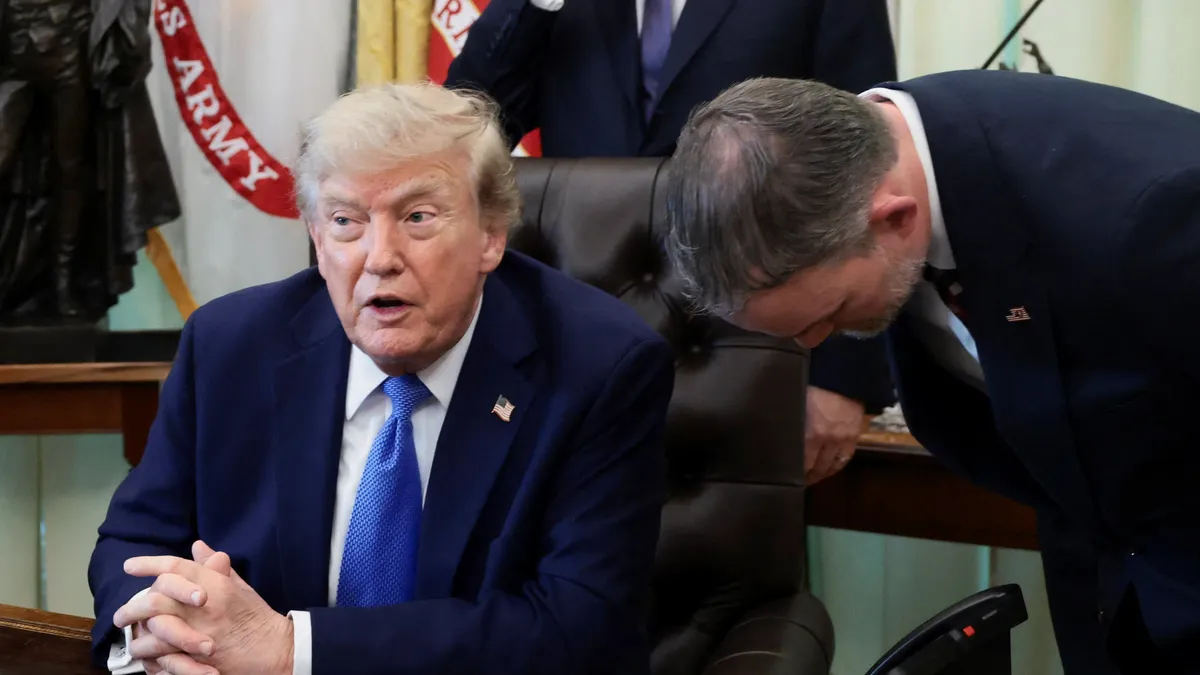
President Donald Trump is making another bid to curtail birthright citizenship after the Supreme Court ruled his earlier effort was unconstitutional, announcing executive orders limiting who qualifies for automatic citizenship and cracking down on so-called "birth tourism.""We had a very unfortunate decision in the Supreme Court concerning birthright… so we’re making adjustments," Trump said Aug. 6 during a White House event.Trump's new push to deny citizenship to some children born in the United States is more narrowly tailored and would impact fewer people. The administration said it is targeting categories of children who do "not fall within the rule of birthright citizenship as announced by the Supreme Court."The president's first order declares certain individuals are ineligible for birthright citizenship when neither of their parents are a citizen, including the child of an "alien enemy" or foreign government employee. It also denies citizenship to children of parents who engage in a "commercial transaction" to access birthright citizenship, including paying to "ensure that the person’s mother is present in the United States" to give birth or paying a surrogate to give birth in the United States.In a second order, Trump tasked the State Department and Department of Homeland Security with seeking to deny visas and take other steps to stop individuals from entering the country "for the purpose of engaging in birth tourism."The Supreme Court overturned an earlier executive order from Trump limiting birthright citizenship, ruling June 30 that the government couldn't deny citizenship to children who didn't have at least one parent with legal status. Trump's latest bid to restrict birthright citizenship is almost certain to face a legal challenge.The Trump administration has focused on cracking down on so-called birth tourism - when pregnant foreigners travel to the United States to give birth so their children will be citizens - in the wake of the Supreme Court ruling, but the extent of the practice is unclear. Researchers have estimated anywhere from 2,000 to 39,000 children are born to birth tourists each year.In a written argument to the Supreme Court, 140 university professors said birth tourism "accounts for an infinitesimal proportion of children" born in the United States each year. Trump said Aug. 6 that the number is in the "hundreds of thousands.""It's become a big business, and we're ending that business," the president said.White House Deputy Chief of Staff Stephen Miller touted Trump's move as "historic.""This has been something that people have talked about, not only for years but for decades," Miller said. "The idea that people come here, pretend to be a tourist, pretend to be a visitor, say they want to go to Disneyland, they want to go visit a monument or go to a national park. But the real reason they’re here it to have a child, to make that child an automatic citizen."The Justice Department also is taking aim at birth tourism, directing prosecutors last month to investigate people coming into the country under "false pretenses" to give birth.Trump has challenged birthright citizenship as part of a sweeping, hardline immigration agenda centered around mass deportations. He campaigned on overturning the constitutional provision and attended Supreme Court oral arguments in the case.The 14th Amendment of the Constitution states that "all persons born or naturalized in the United States, and subject to the jurisdiction thereof, are citizens of the United States." Among the Trump administration's court arguments for limiting birthright citizenship: Birth tourism incentivizes illegal immigration and threatens national security.The justice ruled 6-3 against the Trump administration."Citizenship, then and now, was the right to have rights − to freely participate in our political community," Chief Justice John Roberts wrote for the majority. "The Framers of the Fourteenth Amendment extended that promise to 'every free-born person in this land.' We keep that promise today."Contributing: Maureen Groppe and Bart Jansen, USA TODAY; Reuters