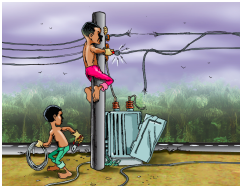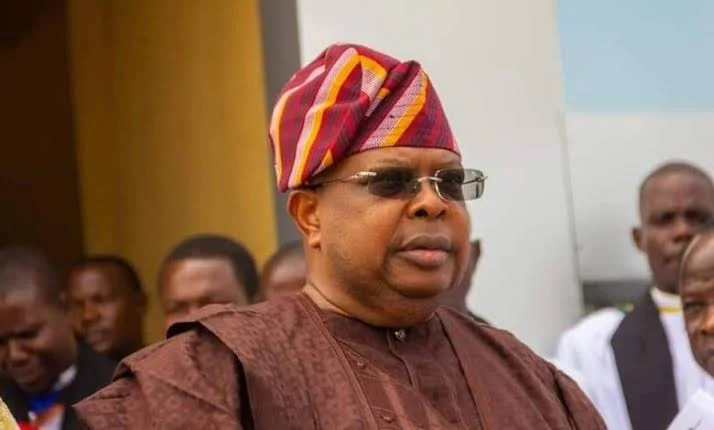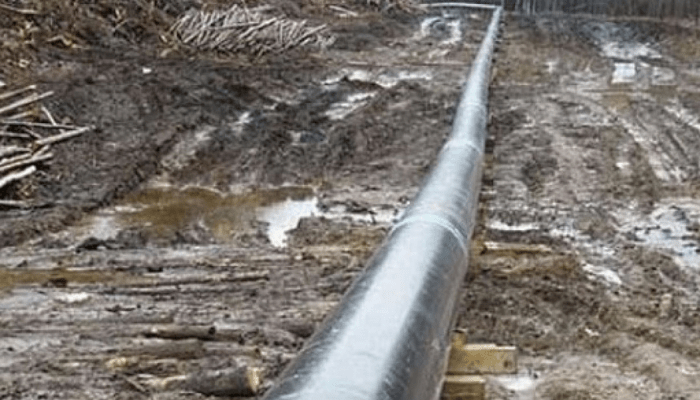
Weeks back, I asked on this page: Who really secures Nigeria’s pipeline infrastructure? It was because all the major government security agencies and privately-owned security outfits, at least six in total, claimed responsibility for securing the same oil pipelines in the same locations. Here, I ask: Who secures Nigeria’s power infrastructure? The latest move by the Minister of Power, Joseph Tegbe, spurs the question as well as other issues that I shall call attention to here. Tegbe assumed office recently and, concerned by the rampant vandalisation of power infrastructure across the nation, he approached the police. This has generated public debate over whether it’s the police or the Civil Defence Corps he should have approached.
Ordinarily, the police are the ones the minister should go to, except that, for some years, the security structure and the functions of the different security agencies have become convoluted. Many of what should traditionally be police jobs have been parcelled out to other security outfits, such that one wonders what the police have left. The Nigeria Police Act, 2020, contains police functions. These include preventing and detecting crimes, preserving public peace, maintaining law and order, securing communities, and safeguarding the lives and properties of all persons within the country. And remarkably, the police still retain in their book the function of regulating and managing traffic flow to guarantee safety for both motorists and pedestrians. I’m certain the reader understands why I make this last observation.