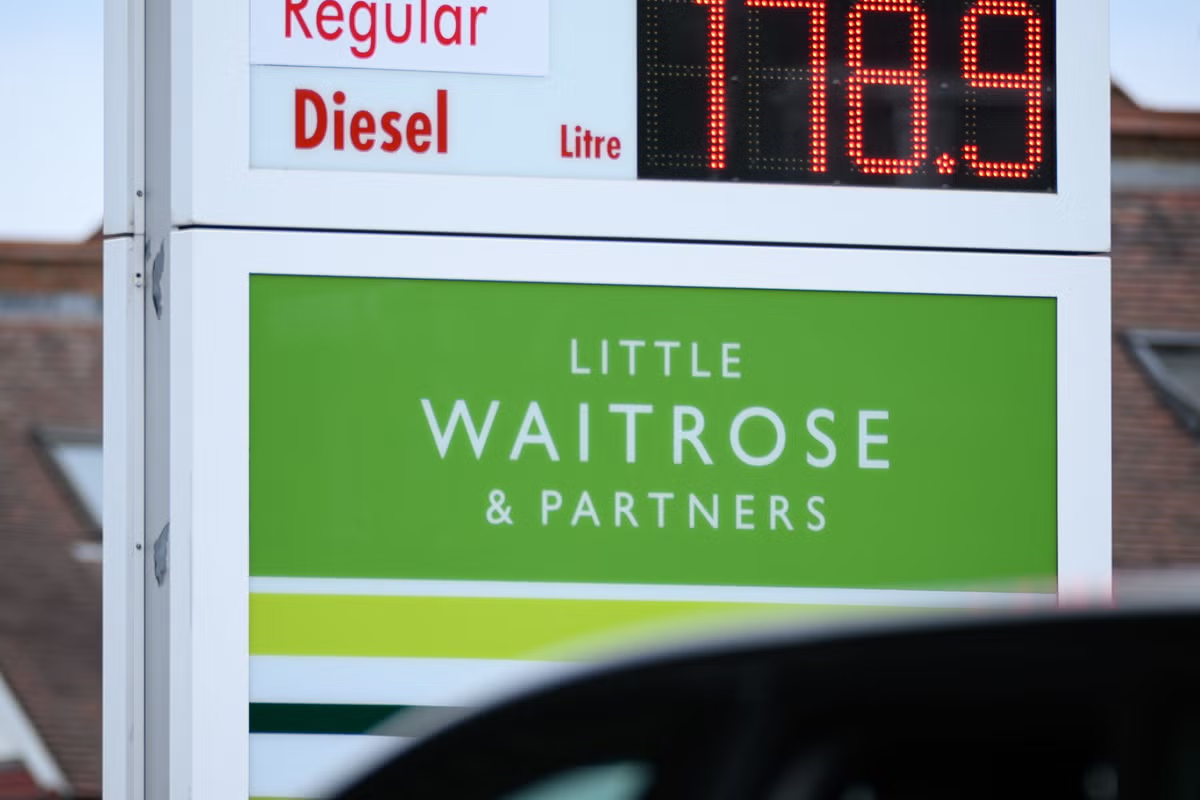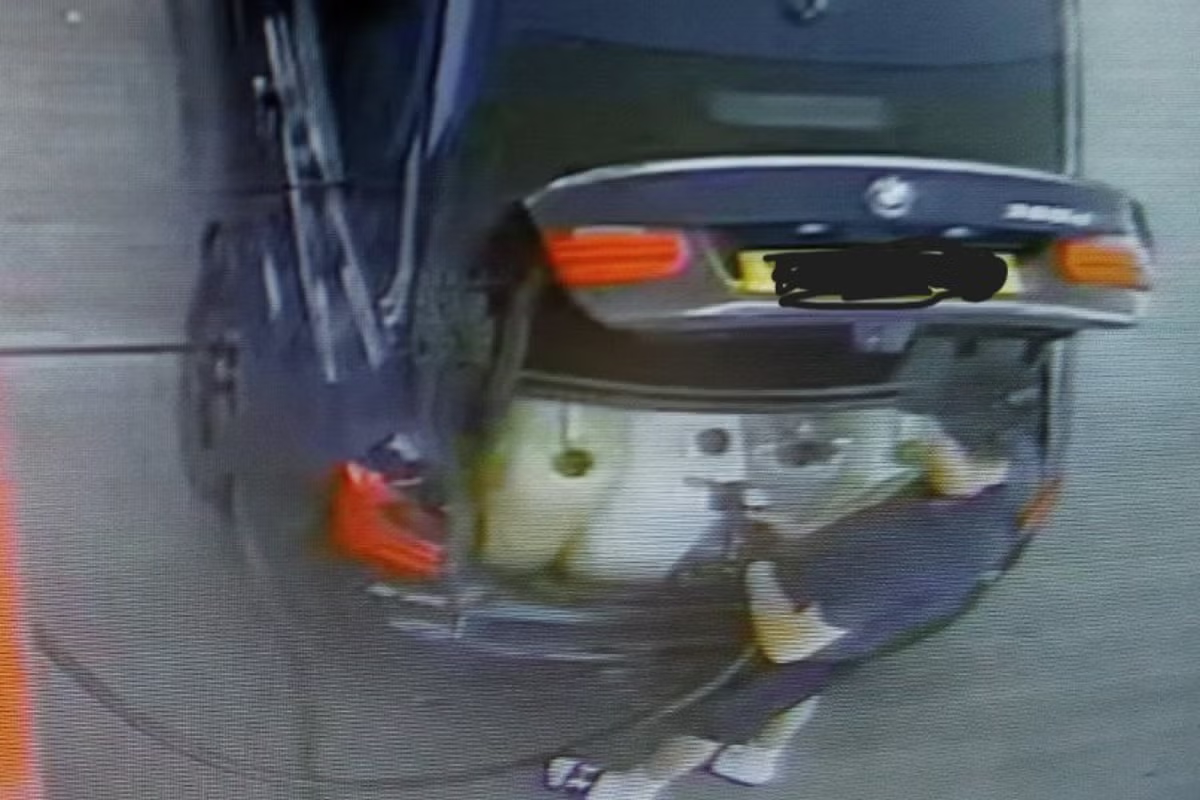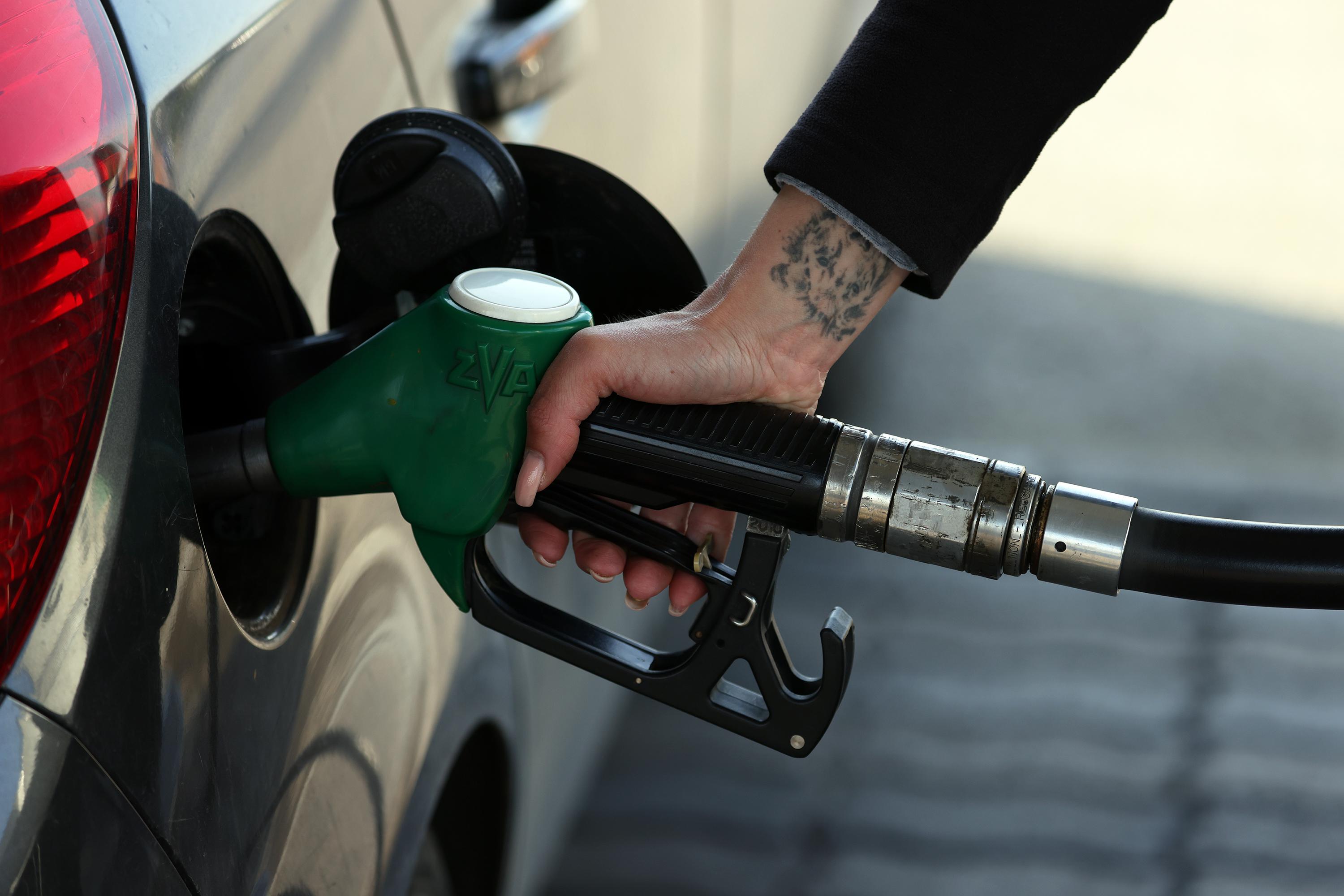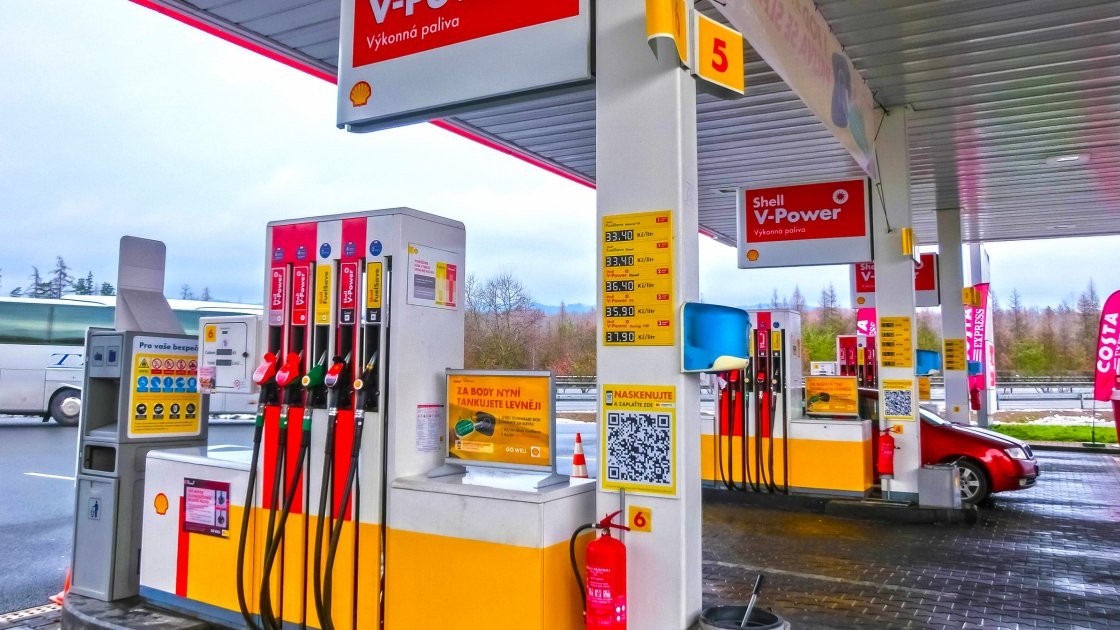
Drivers in the United Kingdom have started filling up their tanks without paying for the fuel as driving costs surge on the fuel supply crunch driven by the war in the Middle East. The crimes include people driving off after filling up without paying and people claiming they cannot pay for the fuel they had acquired.According to data from fuel crime prevention platform Forecourt Eye, drivers in the country have been stealing fuel worth the equivalent of almost $270,000 every day since the war between the United States and Israel and Iran began at the end of February.This is a 24% increase in the frequency of fuel theft since then, the BBC reported, citing the company. In terms of value, however, the increase from pre-war times was a lot more substantial due to the crude oil price inflation. In those terms, fuel theft in the UK rose by 48% from the five months before the war began.Data from RAC, the British roadside assistance leader, shows that gasoline prices in the UK have gone up to 1.5997 pounds per liter, which is equal to $2.15, which is off the heights reached in 2022 but much higher than the average for 2014 to 2020. Diesel prices, on the other hand, are closing in on their 2022 highs, with a liter of the fuel costing 1.7897 pounds per liter, or $2.41.Related: This Megaproject Could Keep Brazil's Oil Boom Running Deep Into The 2030'sTo counter the crimes, Forecourt Eye said it would partner with a facial recognition company to offer fuel retailers access to information about fuel thieves. The service will be available from this autumn.The war in the Middle East has caused a global fuel crunch that analysts warn is a lot more severe than the disruption in crude oil flows out of the Persian Gulf. Gulf states exported a lot of refined products in addition to crude oil, and while they have found some alternative routes to export their energy commodities, the decline in refineries outside the region has contributed to the short supply of gasoline and diesel.The fuel crunch was also aggravated by the Ukrainian drone strikes on Russian refineries, which caused temporary shortages of fuels in some regions and a ban on diesel exports that was recently extended until next year. The ban could not have come at a worse time for the rest of the world because the supply situation is especially difficult for diesel. Russia used to export between 700,000 and 800,000 barrels daily of diesel before the ban.With the supply of fuels so tight, U.S. refiners cranked up their run rates, hitting utilization rates of 95% for Exxon and 97% for Chevron over the second quarter of the year, with Shell reporting a utilization rate of 102%. Despite this, and the resulting record output of gasoline and diesel, crack spreads remain at record highs, suggesting fuel prices will be higher for longer, regardless of how events develop in the Middle East.“We're in a diesel supply crunch right now because none of the Persian Gulf refineries can get product out,” Rabobank senior energy strategist Joe DeLaura said, as quoted by the Wall Street Journal, last month. “Crude oil is just the input, but diesel is the everything the industrial economy runs on. Everything in agriculture, everything in construction, everything in mining. Also everything on the supply and distribution side runs on diesel.”The warning reflected an earlier one, issued by Energy Aspects’ Amrita Sen in July. At the time, Sen noted that fuel prices are more important for consumers because fuels are what they consume, rather than crude oil. “Product [ie diesel and others] markets are far tighter than crude markets,” she said at the time.By Charles Kennedy for Oilprice.comMore Top Reads From Oilprice.comVenezuela’s Oil Exports Fall Even as U.S. Shipments Hit Seven-Year HighUkraine’s Drone Campaign Drives Russian Oil Refining to 24-Year LowDark Tanker Transits Surge at Bab el-Mandeb as Houthi Threat Persists
UK Drivers Take To Fuel Theft amid War-Driven Price Surge | OilPrice.com
Fuel theft in the UK has surged as record-high gasoline and diesel prices, driven by the Middle East conflict and the global fuel crunch, push more drivers to steal fuel or leave forecourts without paying.
654 words~3 min read