Jump to contentThank you for registeringPlease refresh the page or navigate to another page on the site to be automatically logged inPlease refresh your browser to be logged inAllNewsSportCultureLifestyleOver 3,100 cases of the drug-resistant fungus Candida auris have been reported across 27 states this year, with Texas, Michigan and Illinois recording the highest numbers. First detected in the U.S. in 2013, Candida auris primarily spreads in hospitals and long-term care facilities, posing the greatest risk to seriously ill patients, particularly those using ventilators, feeding tubes or catheters. The fungus is concerning due to its resistance to many common antifungal medications and disinfectants, allowing it to survive on surfaces and medical equipment, making it difficult to treat. Symptoms, when they occur, can include fever, chills and fatigue, but laboratory testing is essential for diagnosis, as some individuals can carry the fungus without showing signs. Healthcare facilities employ strict measures to prevent transmission, including patient isolation, dedicated equipment and specialized cleaning protocols using EPA-approved products effective against Candida auris. In fullDeadly drug-resistant fungus found in 27 states, experts warnMore bulletinsThank you for registeringPlease refresh the page or navigate to another page on the site to be automatically logged inPlease refresh your browser to be logged in
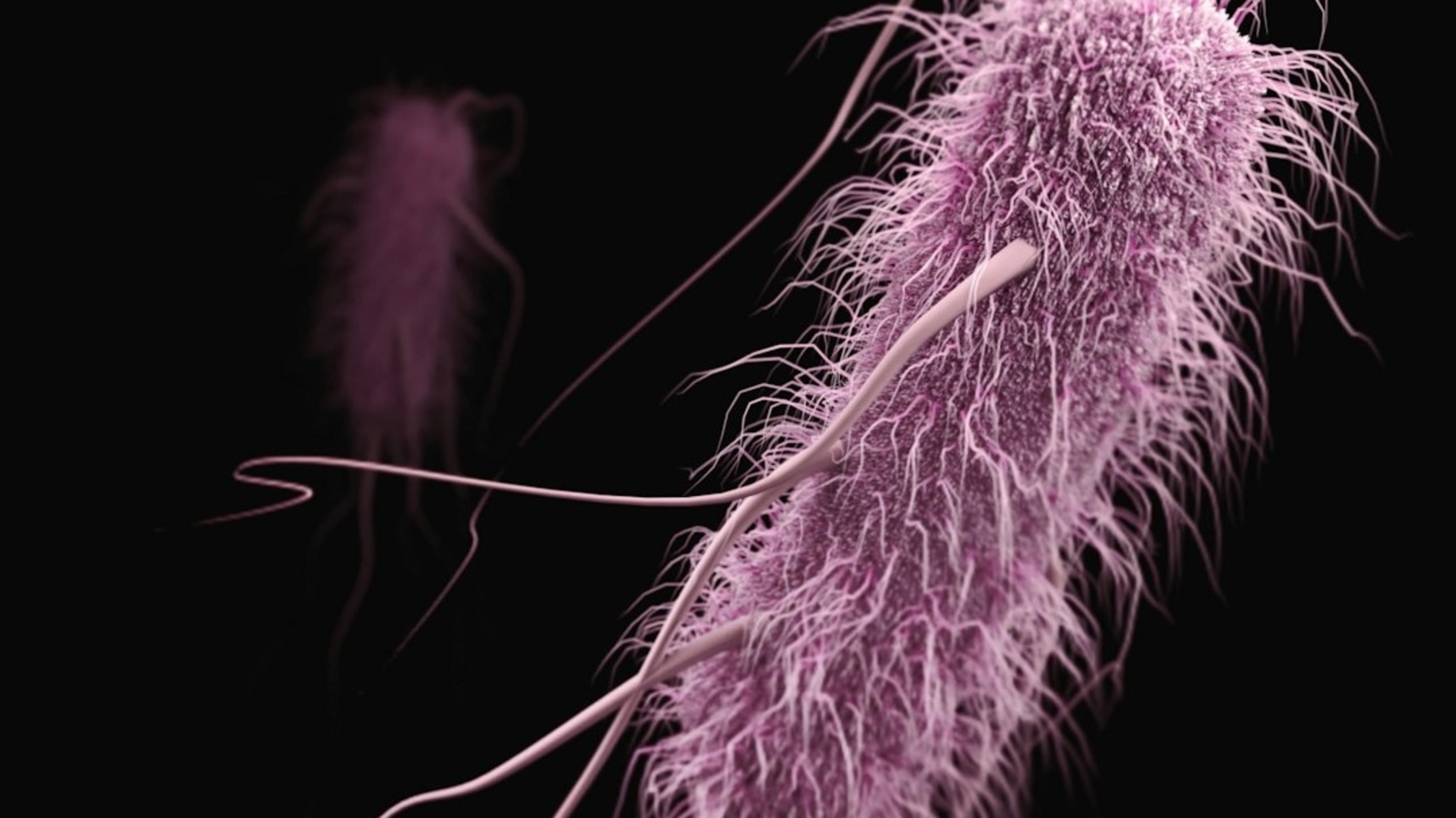
What to know about deadly ‘superbug’ fungus spreading across US
Jump to contentThank you for registeringPlease refresh the page or navigate to another page on the site to be automatically logged inPlease refresh your browser to be logged inAllNewsSportCultureLifestyleOver 3,100 cases of the drug-resistant fungus Candida auris have been reported across 27 states this year, with Texas, Michigan and Illinois recording the highest numbers. First detected in the U.S. in 2013, Candida auris primarily spreads in hospitals and long-term care facilities, posing the greatest risk to seriously ill patients, particularly those using ventilators, feeding tubes or catheters. The fungus is concerning due to its resistance to many common antifungal medications and disinfectants, allowing it to survive on surfaces and medical equipment, making it difficult to treat. Symptoms, when they occur, can include fever, chills and fatigue, but laboratory testing is essential for diagnosis, as some individuals can carry the fungus without showing signs. Healthcare facilities employ strict measures to prevent transmission, including patient isolation, dedicated equipment and specialized cleaning protocols using EPA-approved products effective against Candida auris. In fullDeadly drug-resistant fungus found in 27 states, experts warnMore bulletinsThank you for registeringPlease refresh the page or navigate to another page on the site to be automatically logged inPlease refresh your browser to be logged in