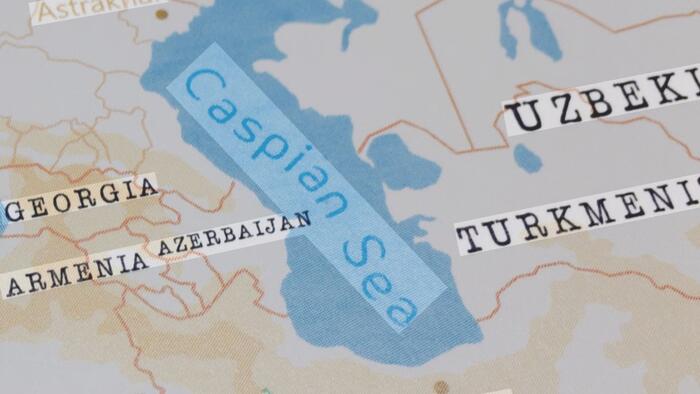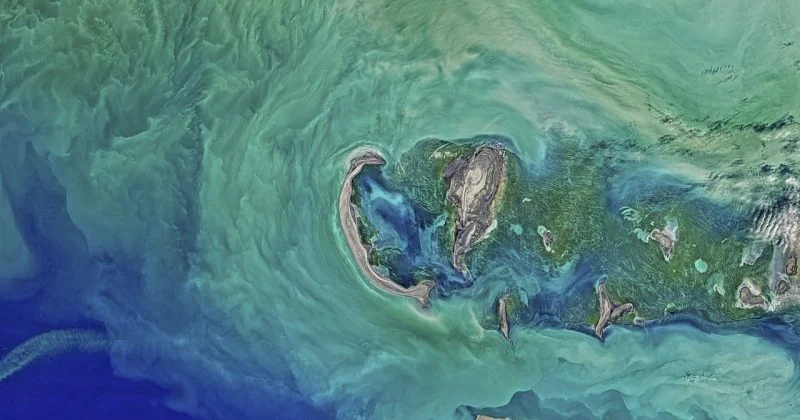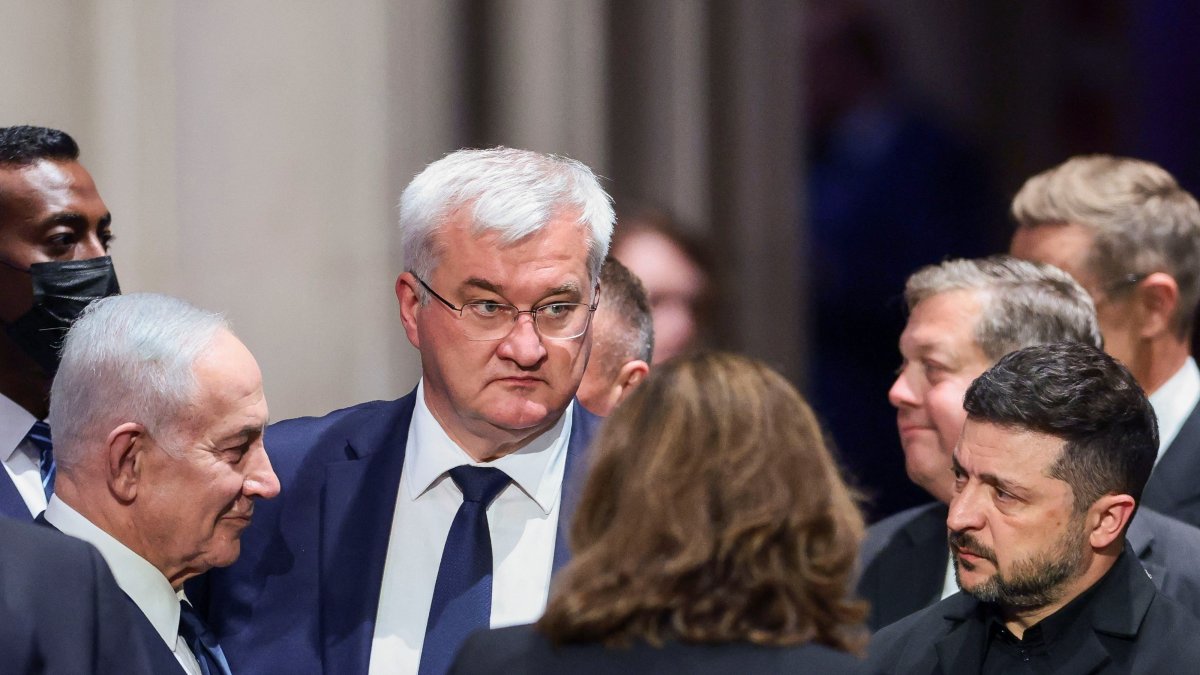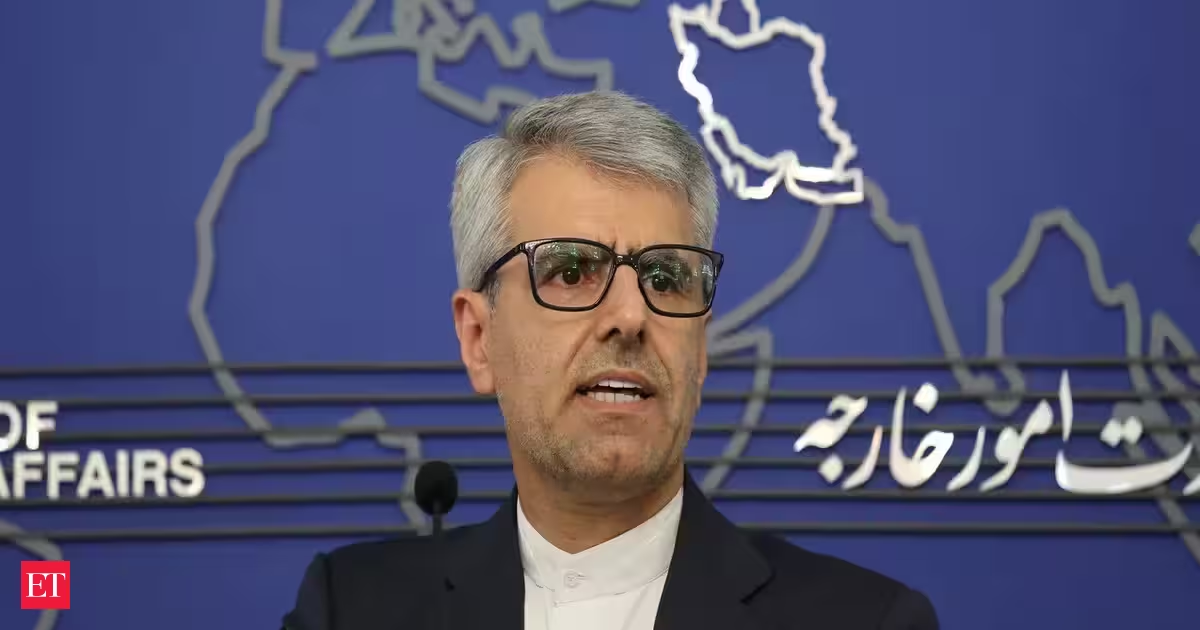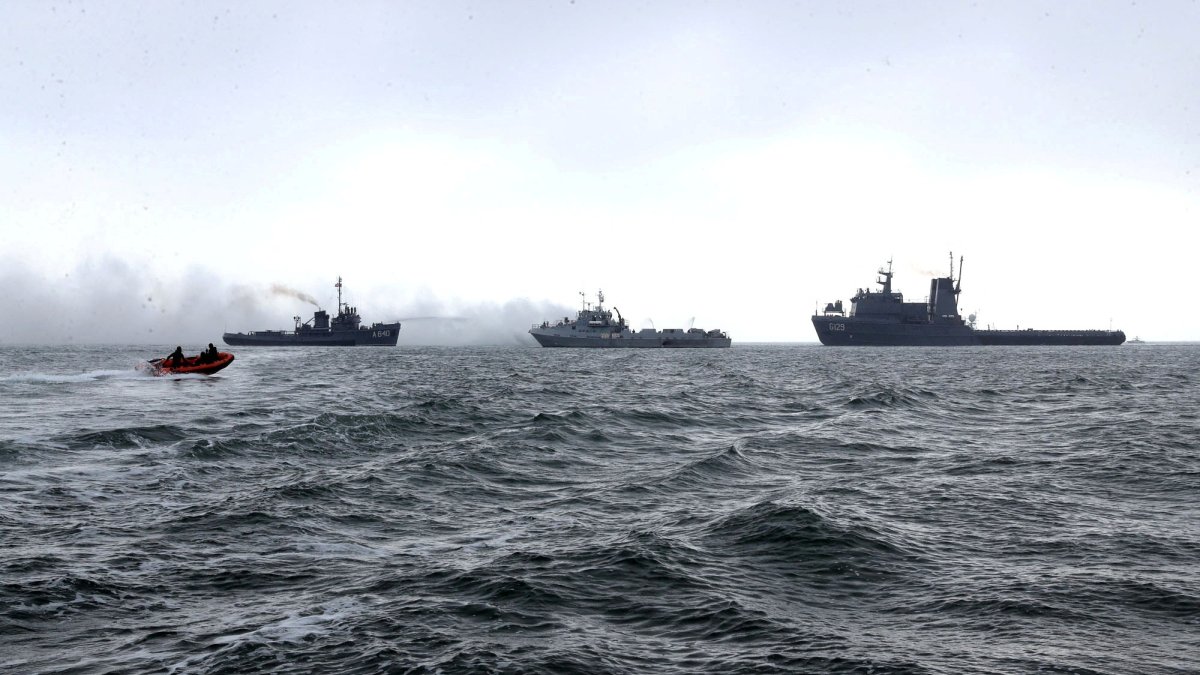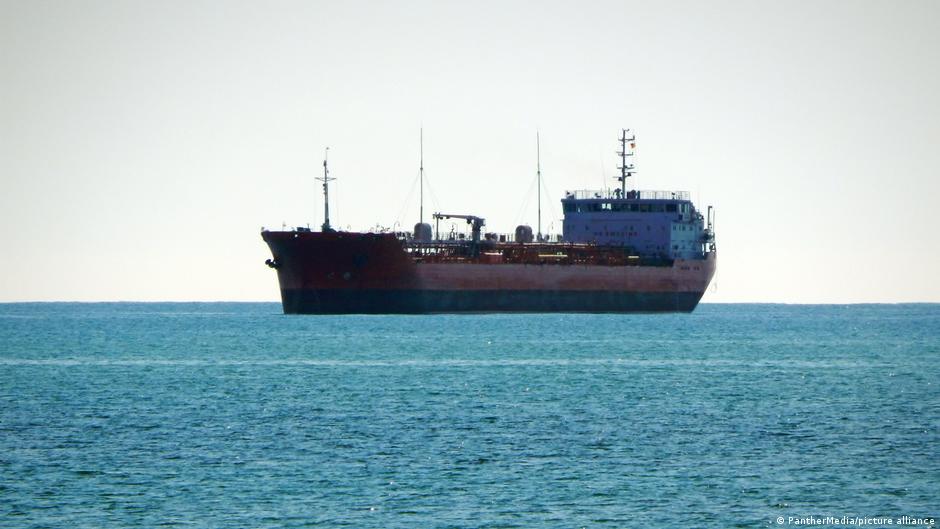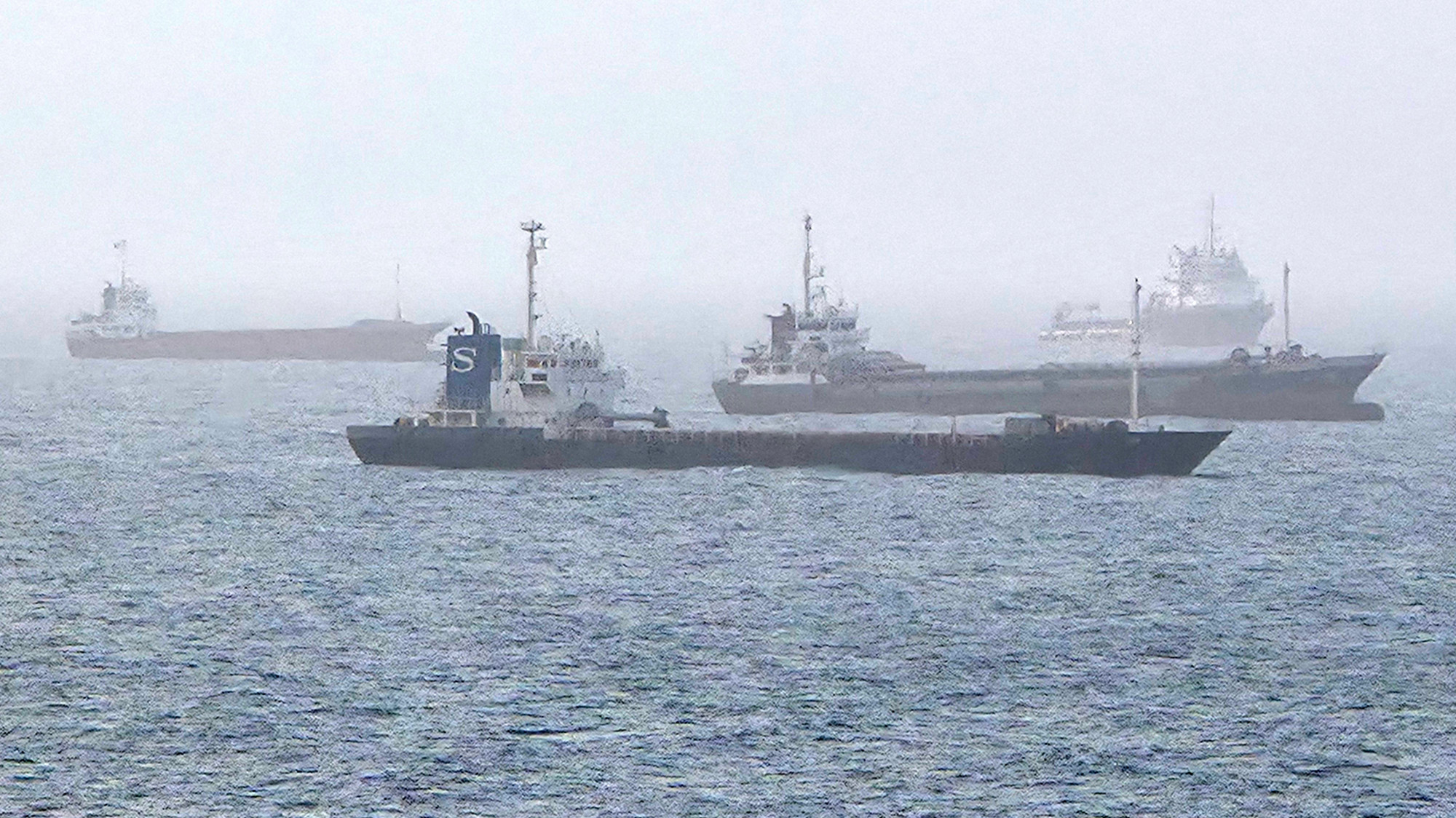
A Ukrainian strike in the Caspian Sea on July 25 hit an Iranian vessel and killed a crew member. Tehran threatened retaliation in the first days, then moved within four days from a military response to a demand for compensation. That retreat did not follow from any resolution of the dispute. The matter closed because both capitals chose to preserve the ambiguity surrounding it. Yet ambiguity worked as an escalation brake only under a particular set of conditions, and those conditions are not durable.
The operation was not confined to a single ship. Ukraine’s Security Service said it had also targeted the Russian cargo vessels Port Olya-2 and Begey, both under Western sanctions, a missile boat escorting them and an offshore oil platform. The Iranian dry cargo ship Ana did not appear in the initial announcement. President Volodymyr Zelenskyy described the operation as a strike on vessels carrying military cargo between Russia and Iran. The targets lie more than 700 kilometers (435 miles) from Ukraine’s nearest border.
Kyiv’s decision to reach for this target set was not sudden. Ukraine has been countering Iranian-designed drones over its own territory since 2022 and began sharing that experience with countries in the region in 2026. Zelenskyy has also claimed that Russia passes satellite data on American facilities in the Gulf to Iran. That claim has not been independently confirmed. It nonetheless shows that Kyiv increasingly treats Russia and Iran as components of a single military system. The Caspian strike carries that assessment into the logistics domain.