Explaining why this happened is a major challenge. Nabarun DasGupta has identified eight possible factors, and it is not difficult to add still others to his list. Vanda Felbab-Brown, in another Brookings report, has also considered a variety of sources. In a recent Science article, one of us and five other authors presented an analysis that strongly suggested that a supply shock was a major factor. It also proposed, less certainly, that Chinese actions against precursor producers were responsible. That second suggestion has attracted more criticism, including from Felbab-Brown; critics doubt that China did take effective actions before June 2023. However, the U.S. Drug Enforcement Administration (DEA) provides a counterpoint in its annual National Drug Threat Assessment that was released in April 2025: “Fentanyl purity declined throughout 2024, consistent with indicators that many Mexico-based fentanyl cooks are having difficulty obtaining some key precursor chemicals.”
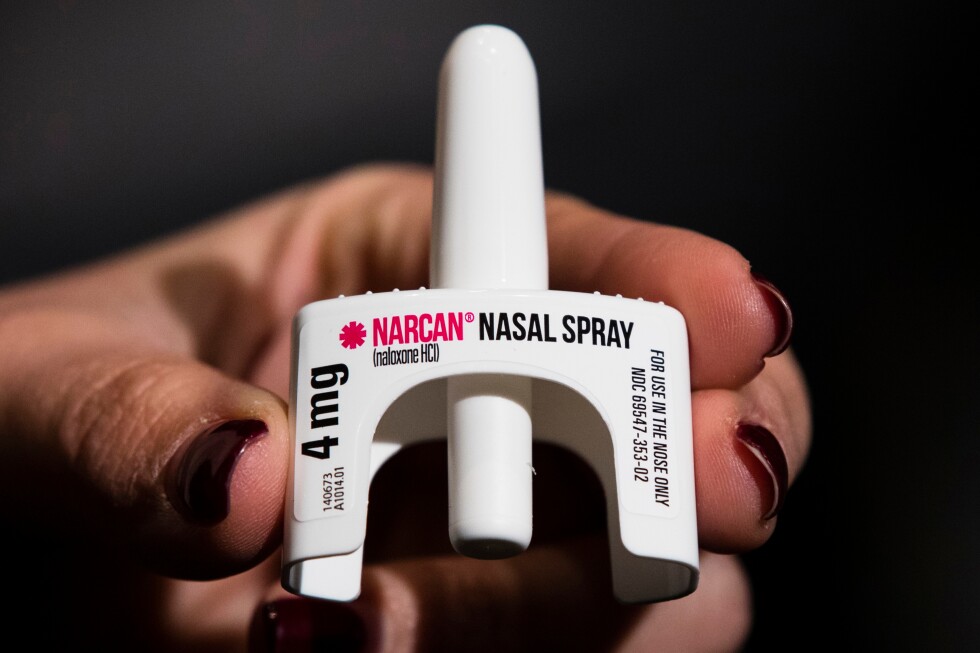
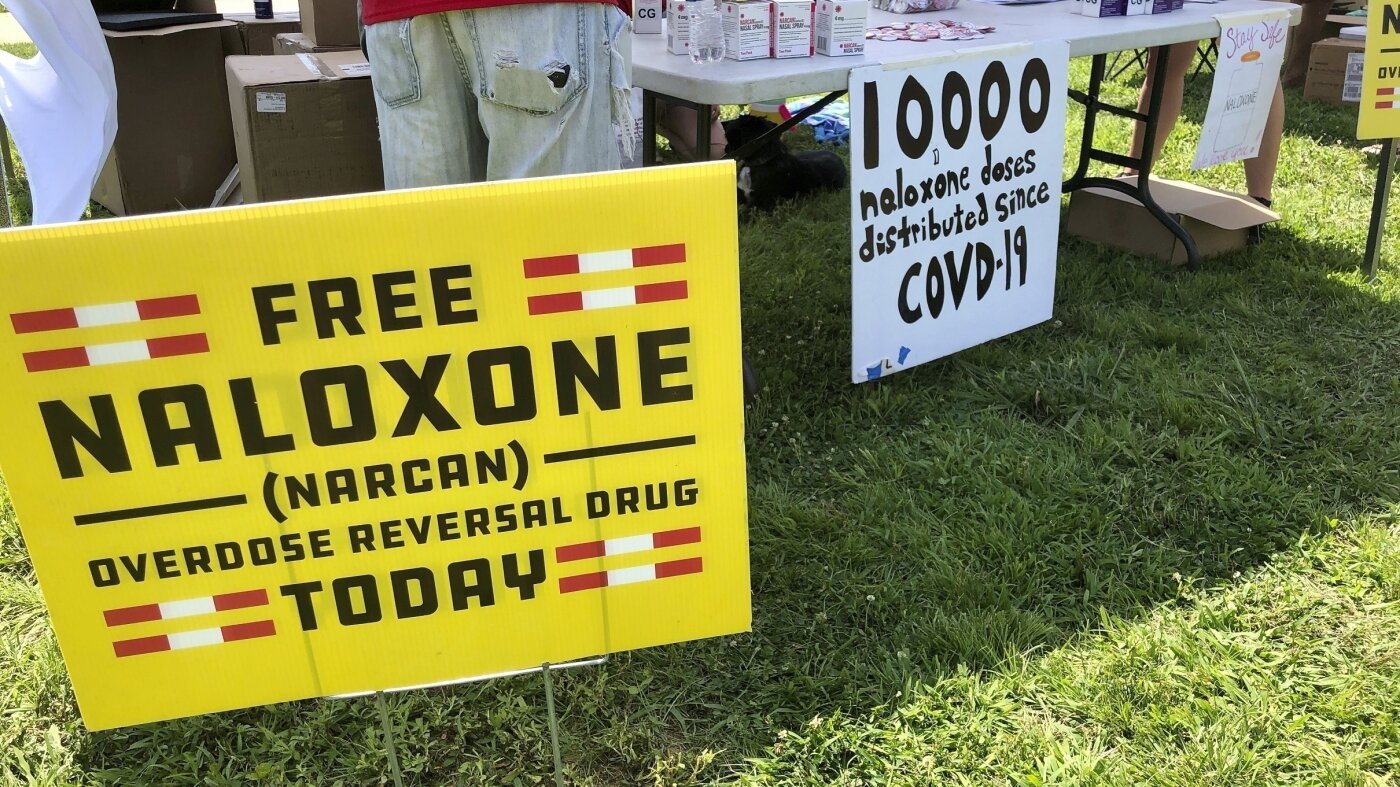
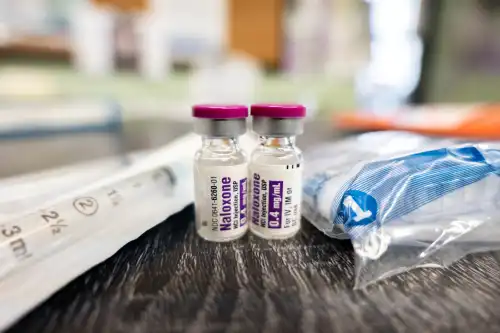
In this essay, we focus here on four factors DasGupta names that have received prominent attention in policy discussions. First, we consider interventions focused on consumption that scaled up rapidly around the same time as the downturn: a harm reduction initiative expanding naloxone access and a treatment initiative expanding buprenorphine prescribing. We also discuss two changes in the characteristics of the drug supply: increasing xylazine adulteration and greater consistency of counterfeit pills. These, by contrast, were more gradual but may have independently altered overdose risk at the individual level. Together, these four factors provide some clues about how much of the decline can be attributed to deliberate public health action versus shifts in market conditions. We also consider a purely epidemiological factor that has also been advanced, namely “depletion of the susceptibles,” the hypothesis that overdose deaths so far outpaced fentanyl initiation that the population of people who use fentanyl has substantially declined. Our goal is to identify factors that might explain a sudden and very large decline, as distinct from interventions that may have reduced fatal overdoses somewhat in successive years.