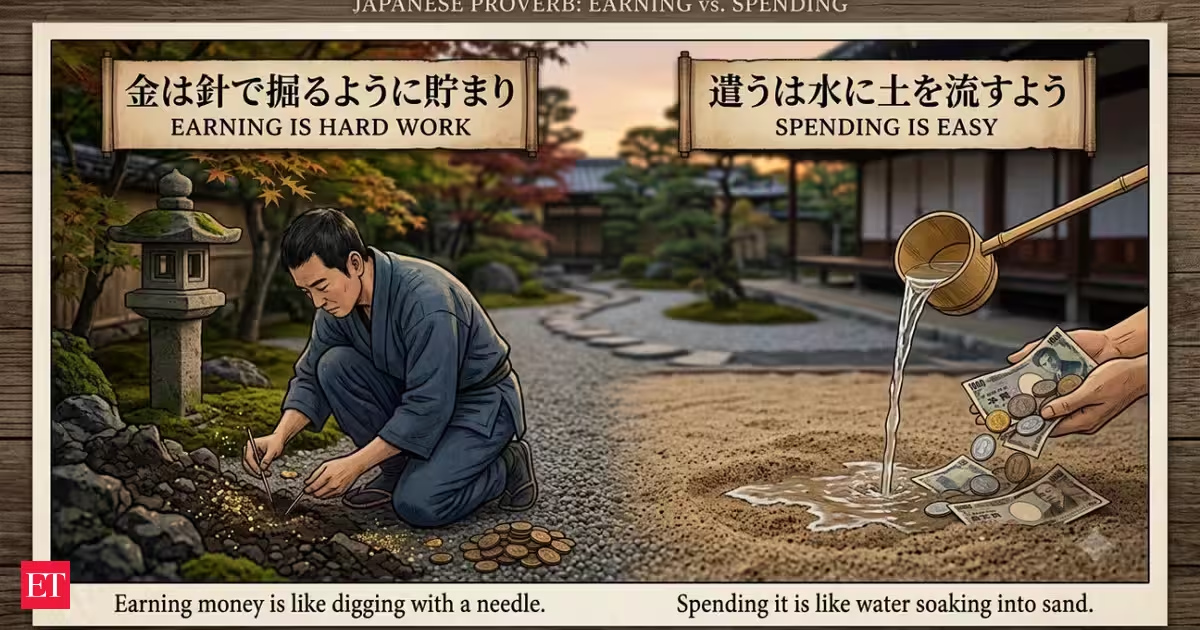
Japanese Proverb of the Day highlights a traditional saying that reflects patterns of human experience, decision-making, and the way choices influence long-term outcomes in everyday life. The proverb “Buying cheap things wastes your money” offers insight into how people often balance immediate savings with lasting value, quality, and practicality. Many people turn to such proverbs to better understand human behavior and the importance of wise choices in simple, relatable terms. These sayings are often rooted in cultural observation and lived experience, passed down through generations. Over time, they have become part of daily reflection, reminding us that true value is not always measured by the lowest price, but by the quality, usefulness, and long-term benefits of the choices we make.Japanese Proverb of the Day — Why quality over quantity matters “Buying cheap things wastes your money”Japanese Proverb of the Day highlights a timeless idea about decision-making, personal values, and the importance of looking beyond immediate benefits when making choices.The first part of the proverb suggests that a low price does not always represent true value. It challenges the assumption that spending less money always leads to greater savings. Instead, it shifts attention toward quality, durability, and the long-term usefulness of what we choose to buy.The second part emphasizes how short-term thinking can influence purchasing decisions. It suggests that choosing the cheapest option without considering quality may result in repeated expenses, disappointment, or the need for replacements. In this sense, the real cost of a purchase is not always reflected in its initial price but in its lasting value.Together, the proverb teaches that wise decisions require patience, careful judgment, and a focus on long-term benefits. What appears to be a bargain may not always be the most economical choice, reminding us that true value comes from quality, reliability, and thoughtful consideration.Why The Cheapest Option Is Not Always the Best OptionThe expression “The cheapest option is not always the best option” highlights the importance of looking beyond price when making decisions. A low-cost choice may appear beneficial at first, but it can sometimes lead to additional expenses, frequent replacements, or reduced satisfaction over time. Quality, durability, and reliability often determine the true value of a purchase. This idea reflects the Japanese proverb “Buying cheap things wastes your money,” which encourages people to consider long-term benefits rather than focusing only on immediate savings. Whether choosing products, services, or investments, thoughtful decisions often create better results. Ultimately, the expression reminds us that wise choices are not about spending the least, but about gaining the greatest value from what we choose.Life Lessons from the ProverbThe proverb carries practical lessons about decision-making, financial awareness, and how individuals can recognize true value beyond immediate savings in daily life.1. Quality often matters more than priceChoosing the cheapest option does not always lead to the best outcome. Products with better quality and durability may provide greater value over time.2. Long-term thinking leads to wiser choicesIt is easy to focus only on the immediate cost, but considering future needs, reliability, and usefulness helps people make smarter decisions.3. Short-term savings can create long-term costsA low-priced item may seem like a good deal, but frequent replacements, repairs, or reduced performance can make it more expensive in the end.4. True value comes from thoughtful decisionsGood choices are not based only on how much something costs but also on the benefits, quality, and lasting satisfaction it provides.Why This Proverb Is Still Relevant TodayIn modern life, this proverb extends beyond shopping decisions and personal spending. It applies to consumer culture, technology, education, career choices, and even personal investments. People are often encouraged to focus on discounts and immediate savings, but choosing the cheapest option without considering quality can sometimes lead to greater costs in the future.The proverb encourages awareness, patience, and thoughtful decision-making. It reminds us that value is not determined only by price but also by durability, reliability, and long-term benefits. In many situations, investing in quality can save time, money, and effort over the years. Ultimately, it teaches a simple but powerful truth: wise choices are not always about spending less, but about choosing what provides the greatest value.English Equivalent and Related ExpressionsOther English expressions that reflect similar thinking include:“You get what you pay for.”“Buy cheap, buy twice.”“A good investment pays for itself.”“Choose wisely, choose once.”Each of these highlights the idea that careful choices, long-term thinking, and recognizing true value often matter more than simply choosing the lowest price.
Japanese Proverb of the Day: “Buying cheap things wastes your… — Life lessons on money, quality, financial management, investment, consumer habits, shopping and why bargain is not always a saving
Japanese Proverb of the Day highlights the meaning of “Buying cheap things wastes your money.” The saying reflects how value is often determined by quality, durability, and long-term usefulness rather than simply by a low price. It suggests that choosing something only because it is inexpensive may lead to greater costs, disappointment, or repeated purchases over time. The proverb encourages thoughtful decision-making by reminding us that true savings come from investing in things that provide lasting value.
736 words~3 min read