Ankara Seeks to Reduce Risks to International Shipping and Lay the Groundwork for Further Negotiations
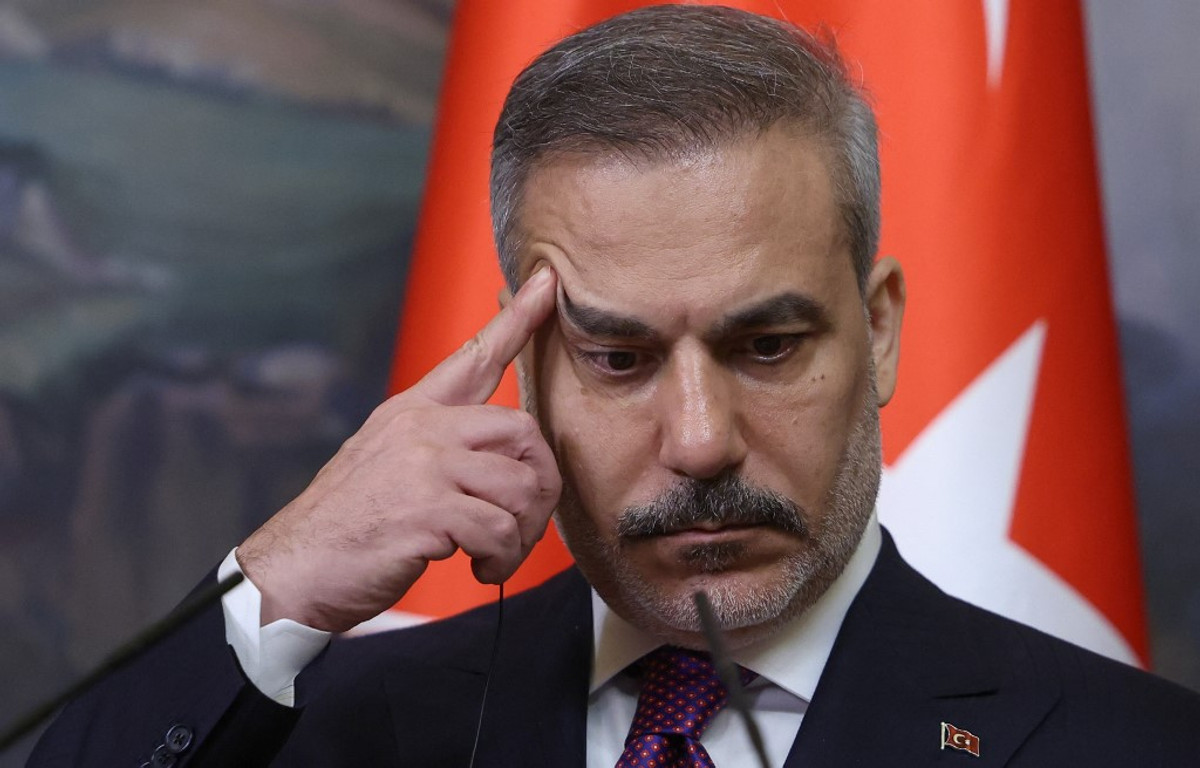
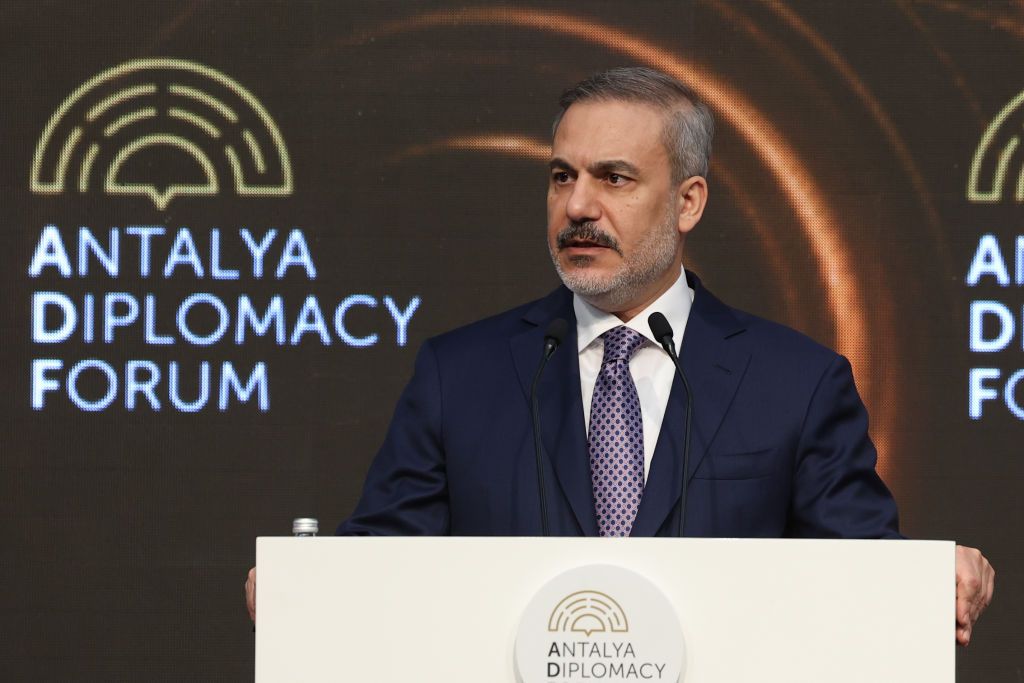
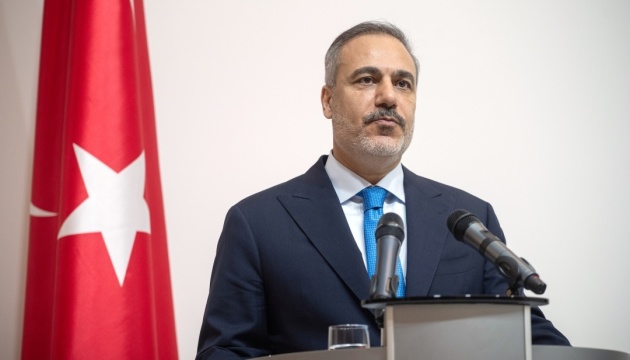
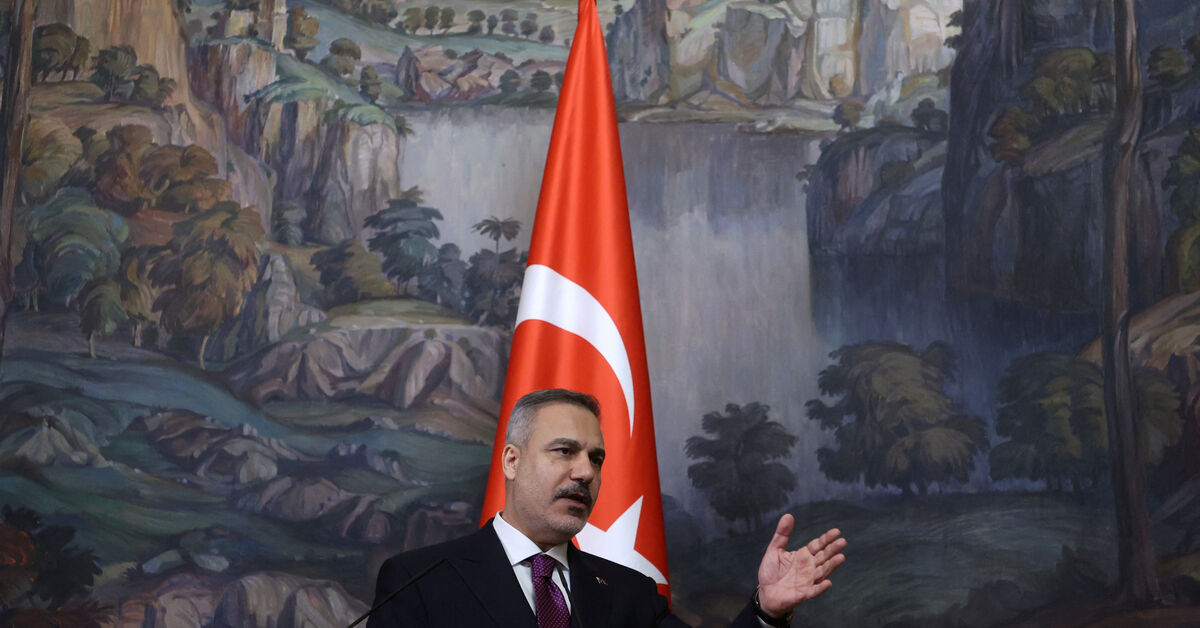
Advancing an initiative to introduce a partial moratorium on strikes in the Black Sea and against energy infrastructure was one of the primary objectives of Turkish Foreign Minister Hakan Fidan's visit to Kyiv. Ankara is seeking to reduce risks to international shipping and create conditions conducive to further negotiations by focusing initially on the two most sensitive areas: Black Sea security and the protection of energy infrastructure.
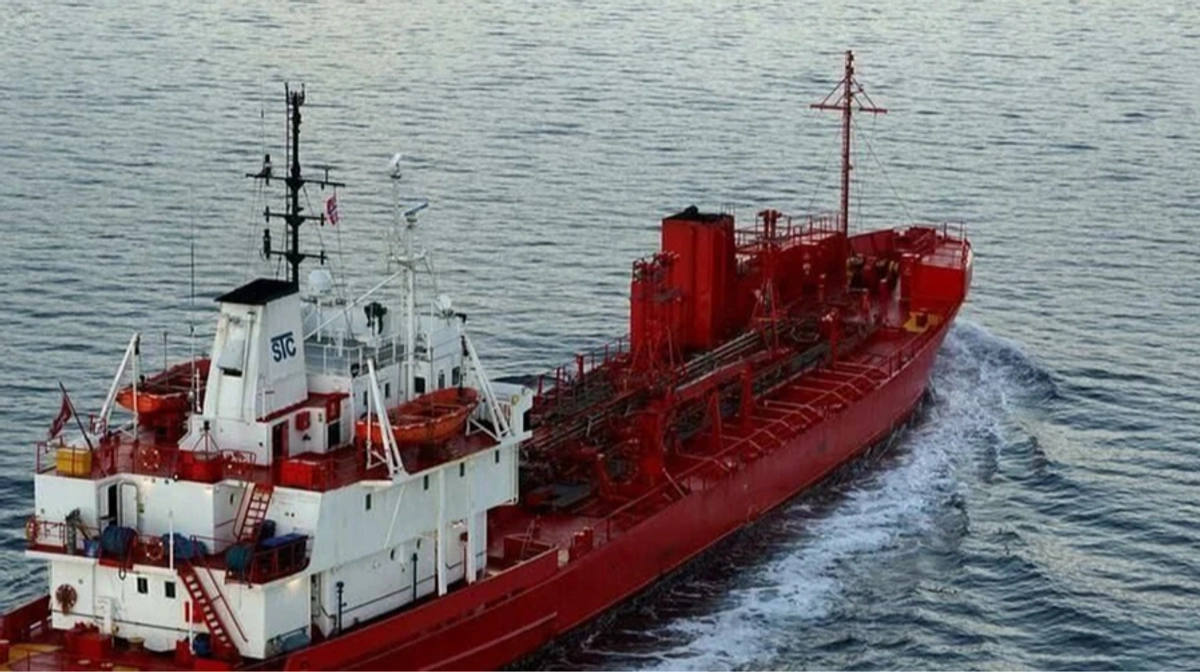
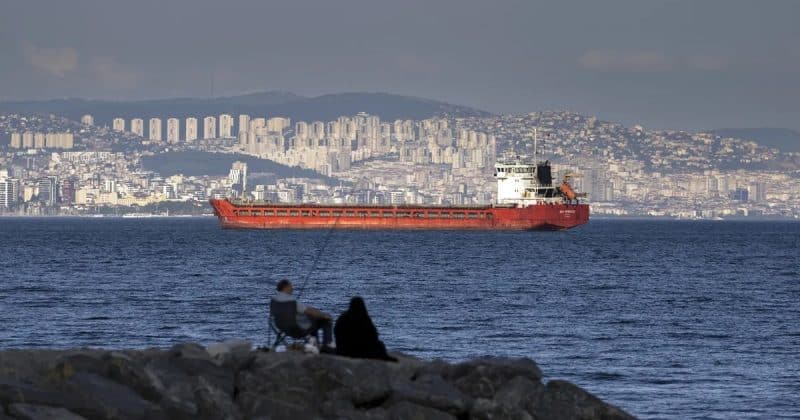
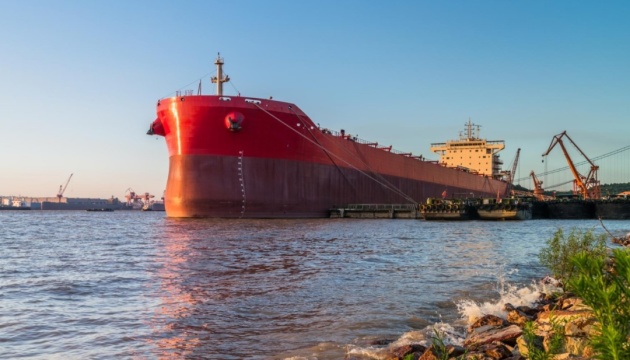
Ensuring the safety of civilian shipping is clearly in the interests of all Black Sea littoral states. However, any such arrangement must first and foremost be assessed in terms of its impact on the military-strategic balance. This raises the central question: could a moratorium become a mechanism for restoring Russia's maritime capabilities?
In recent years, Ukraine has conducted one of the most successful naval campaigns of modern warfare. Through the integrated use of naval drones, precision-guided weapons, and advanced intelligence capabilities, it has effectively deprived Russia's Black Sea Fleet of freedom of maneuver in the northwestern Black Sea. Russia has been forced to relocate a significant portion of its fleet from Sevastopol to Novorossiysk, while Ukraine succeeded in restoring its maritime exports even after the collapse of the Black Sea Grain Initiative.