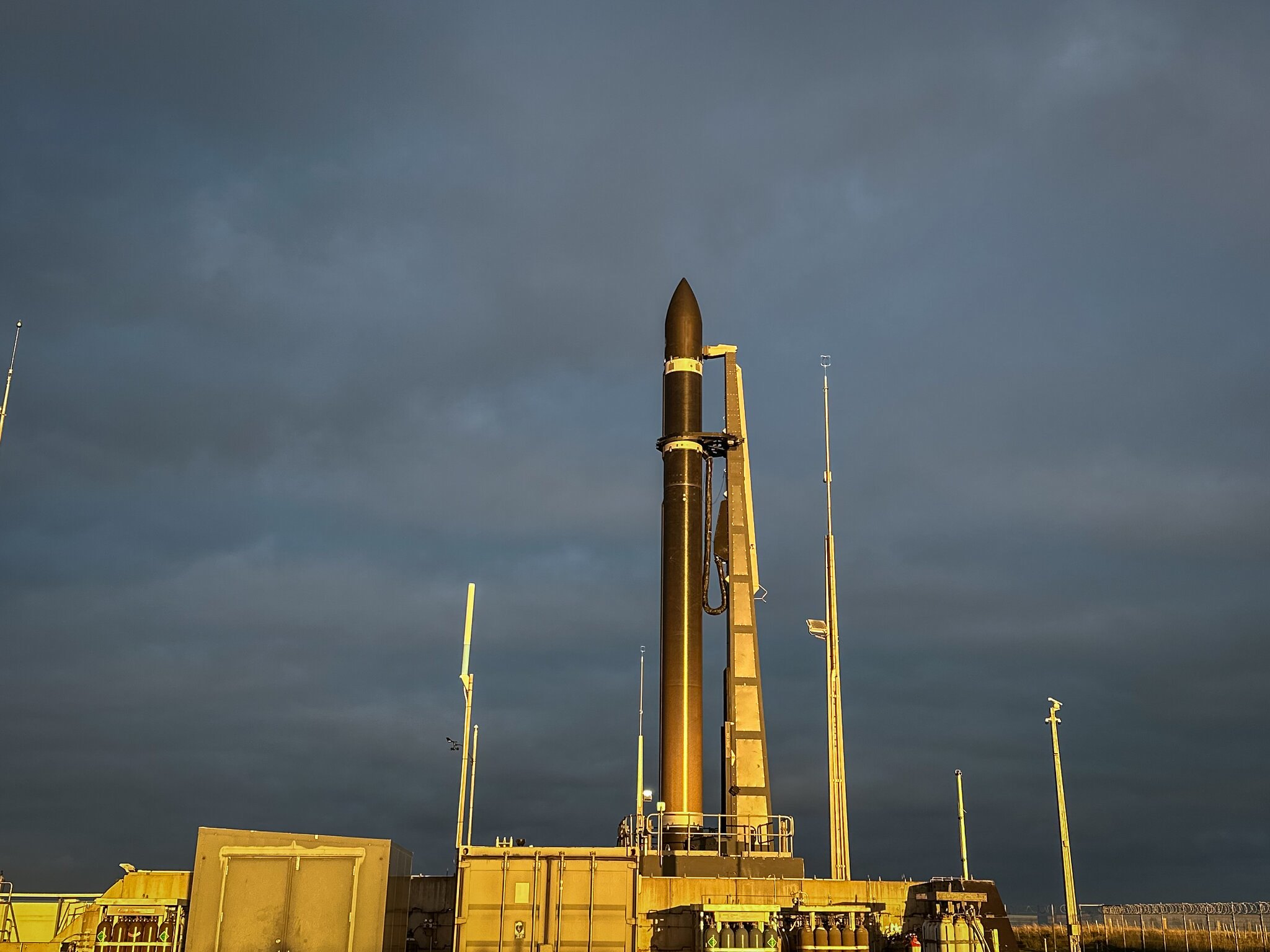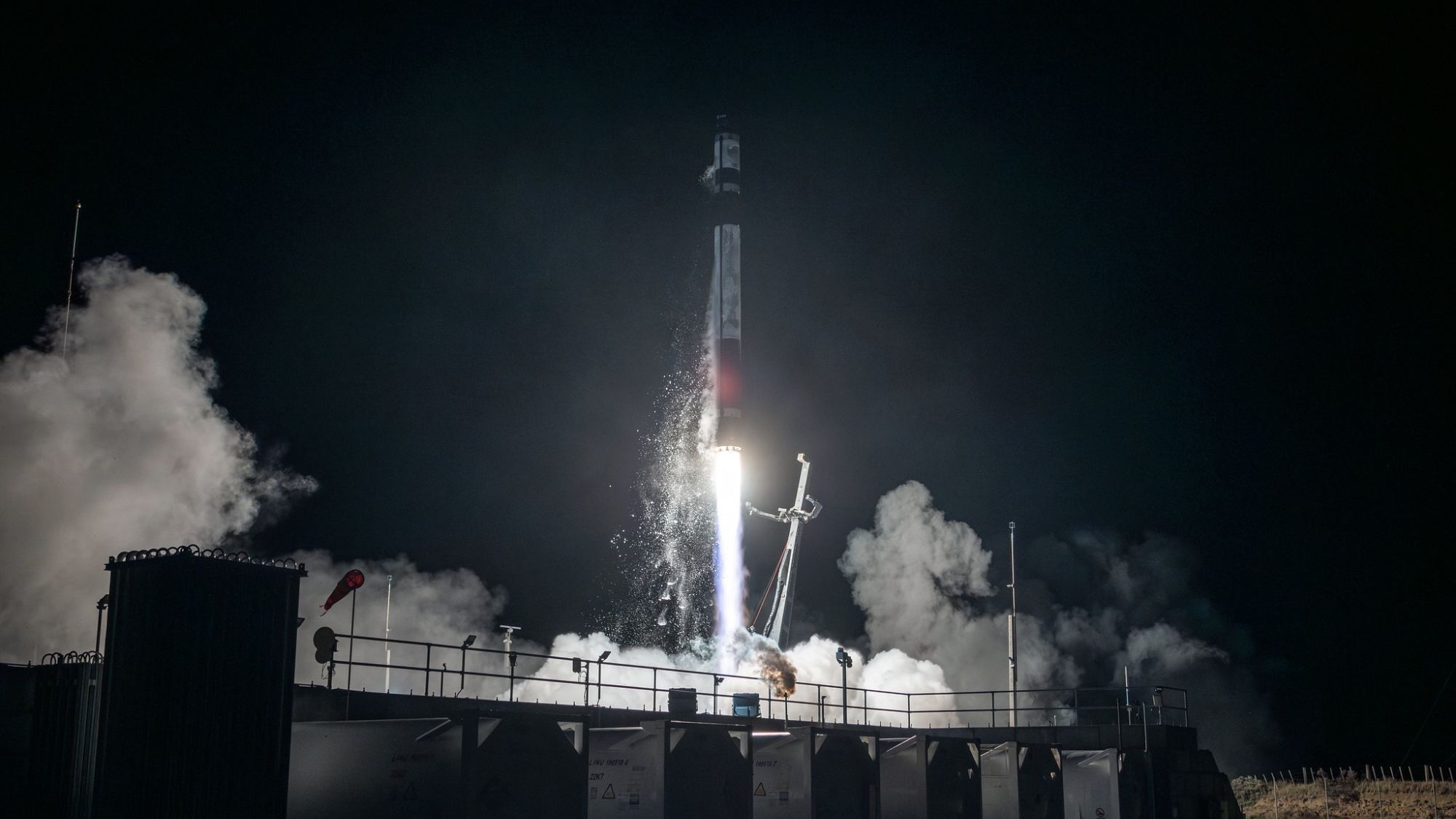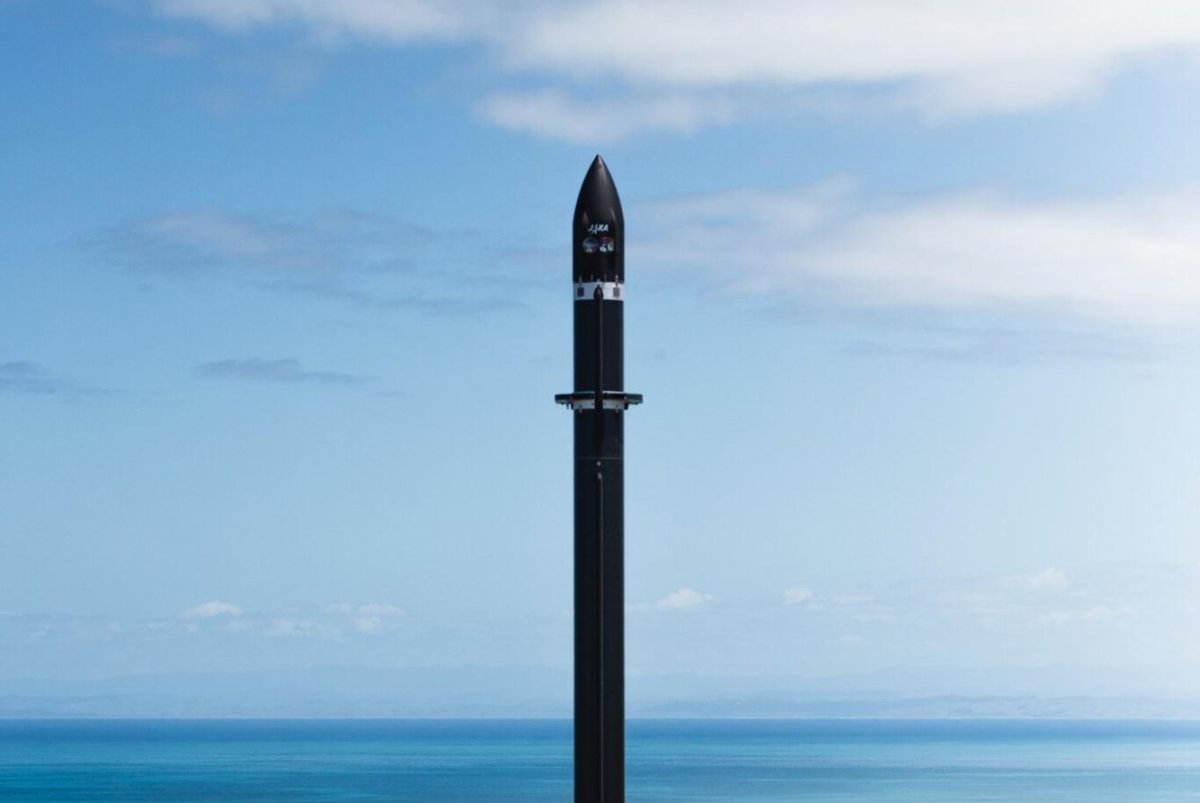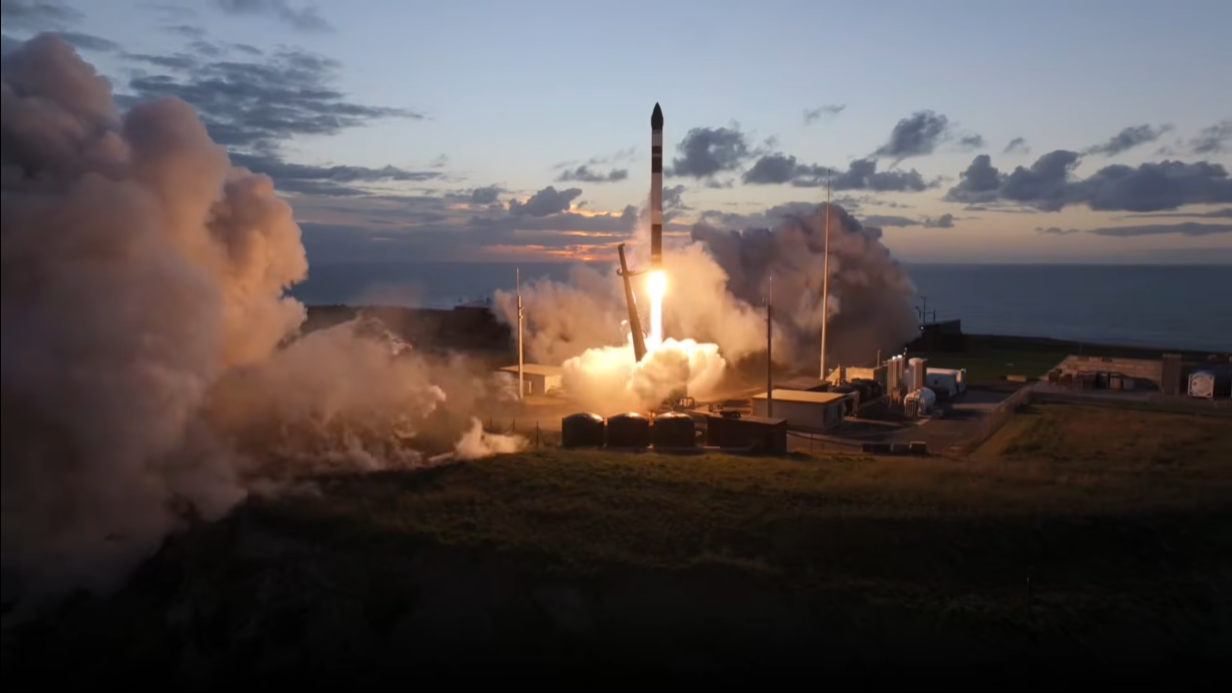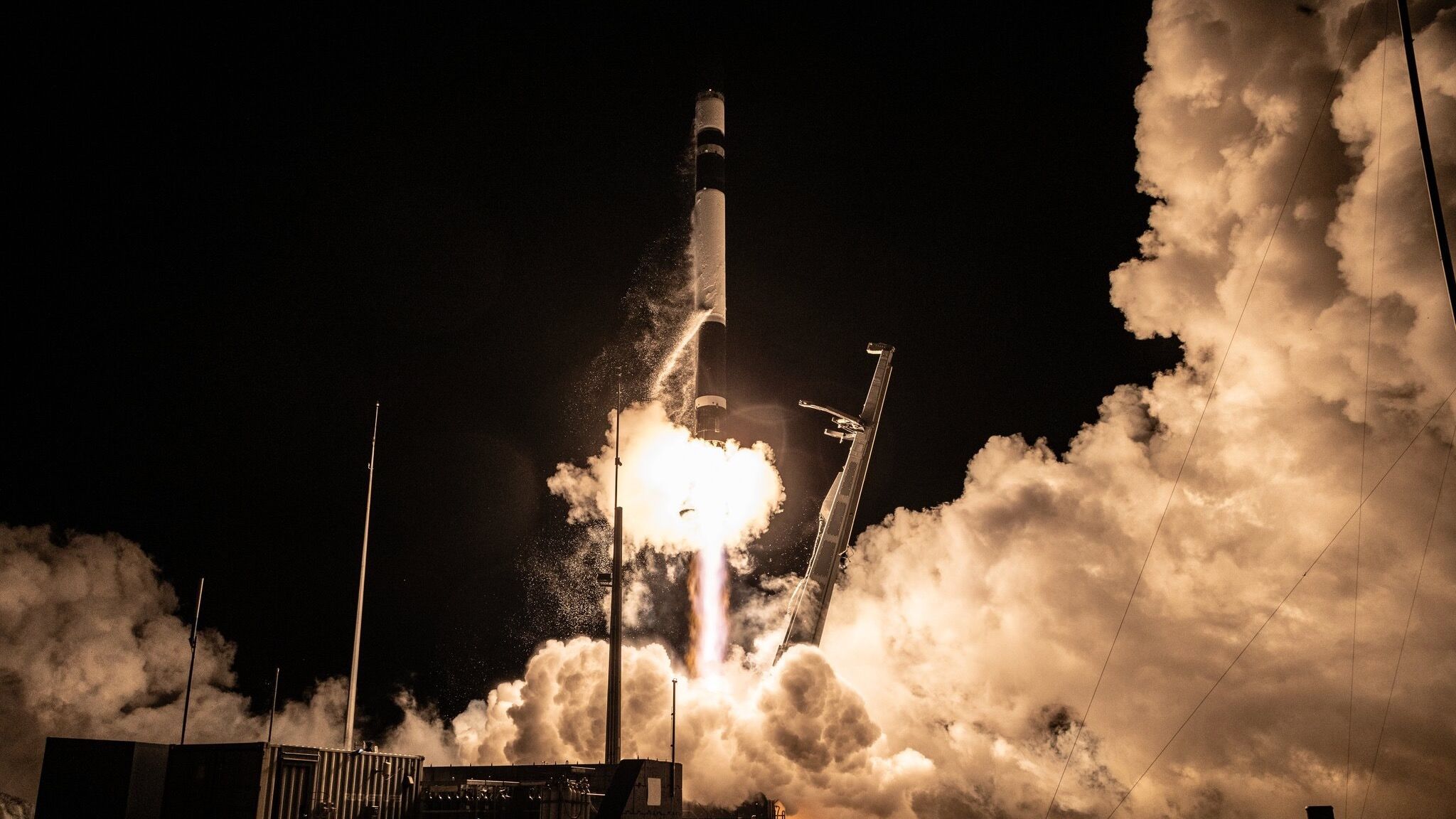
A Japanese Earth-observing satellite got to orbit early this morning (Aug. 6), five weeks later than originally planned.The spacecraft — a radar satellite that will be operated by the Tokyo-based company iQPS — lifted off atop a Rocket Lab Electron vehicle from New Zealand today at 5:18 a.m. EDT (0918 GMT; 9:18 p.m. local time).It was a deferred round two for the mission: Rocket Lab originally tried to launch it on June 30 but aborted that attempt at the last second. The company has not yet revealed what caused that abort.
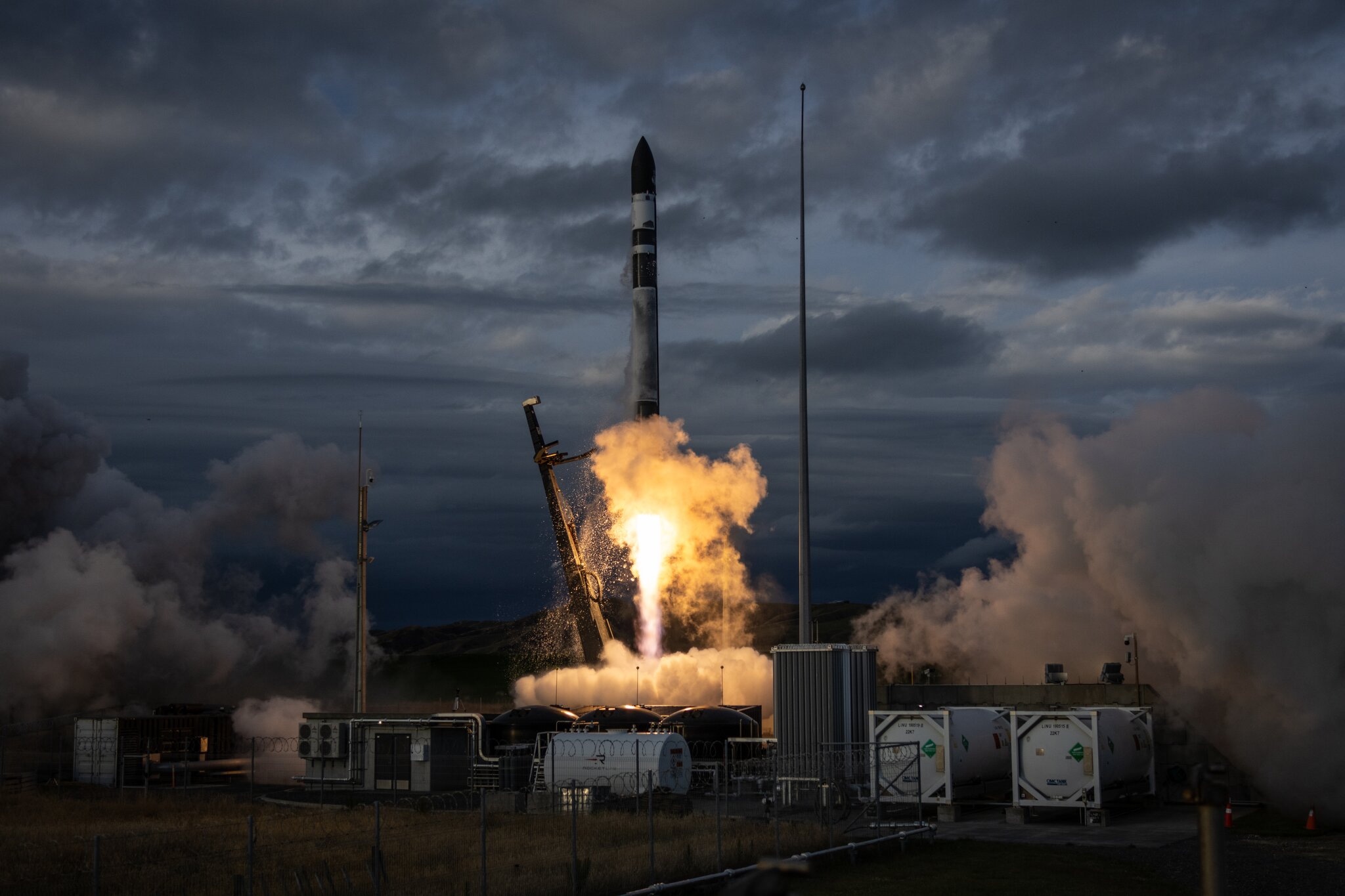
A Rocket Lab Electron rocket launches "The Grain Goddess Provides" mission for the Japanese company iQPS from New Zealand on Aug. 6, 2026. (Image credit: Rocket Lab)Everything went well on this morning's flight, which Rocket Lab called "The Grain Goddess Provides." The Electron deployed the iQPS satellite into its target orbit about 357 miles (575 kilometers) above Earth, Rocket Lab announced via X this morning.The spacecraft — known as QPS-SAR-13 or MIKURA-I, after a Japanese goddess associated with abundance and prosperity — will study our planet using high-resolution synthetic aperture radar (SAR), which can peer through clouds and collect imagery both day and night.iQPS is building a constellation of 36 such SAR satellites in low Earth orbit. Electron is the primary launcher for this network; "The Grain Goddess Provides" was the eighth of a total of 15 launches that Rocket Lab will conduct to help assemble the constellation.