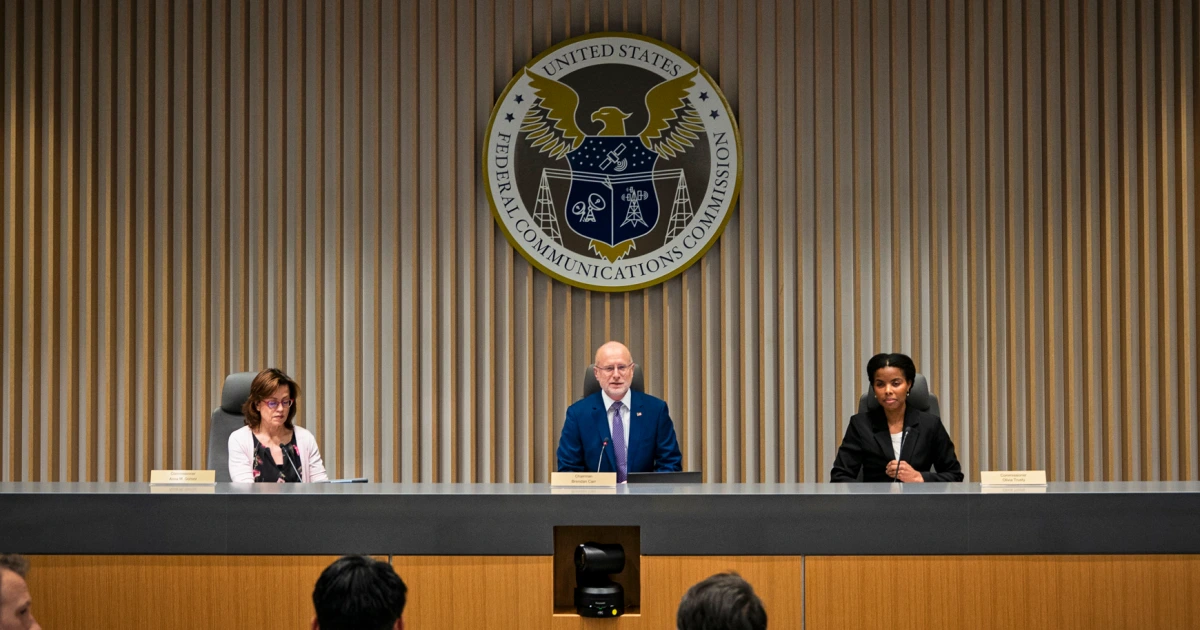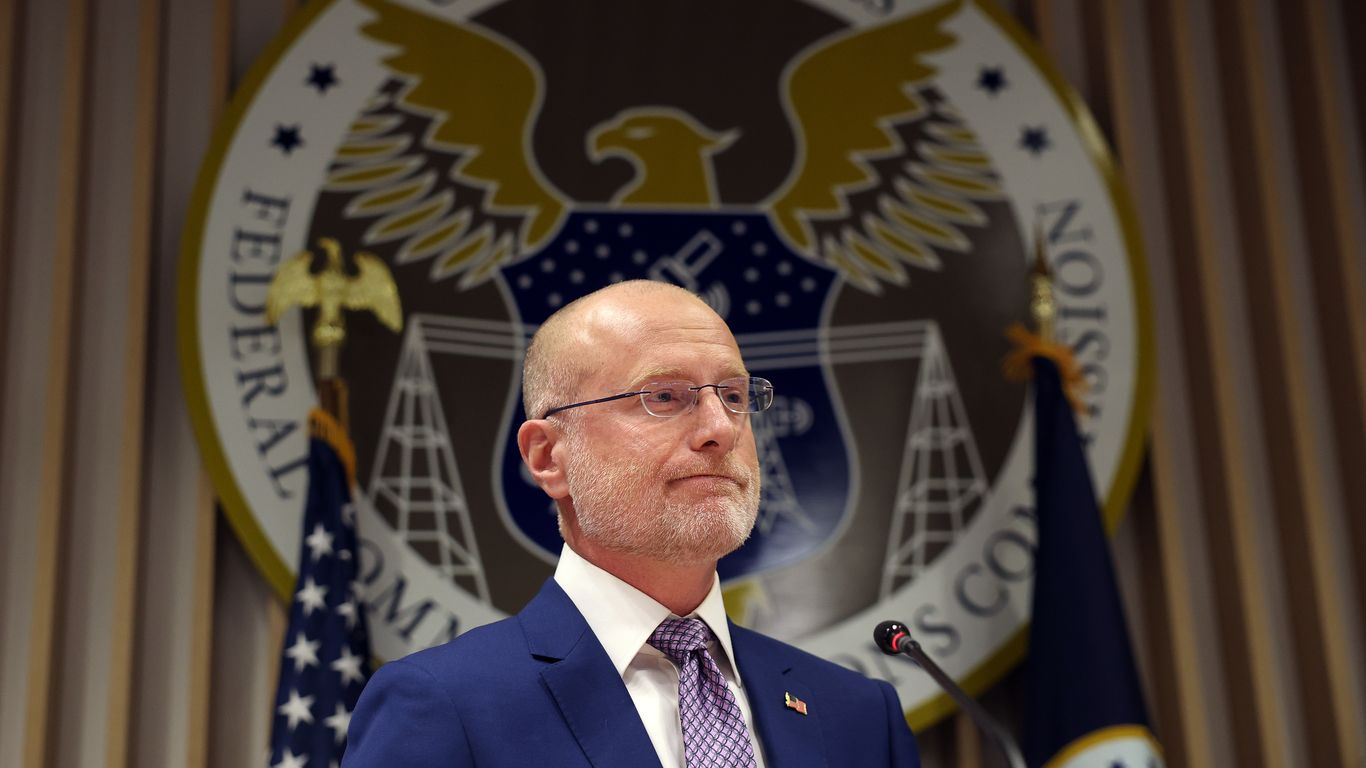
The Federal Communications Commission voted to eliminate a rule Thursday that stopped any one company from owning so many TV stations that they reach more than 39% of American households. FCC Chairman Brendan Carr, a close ally of President Donald Trump, had been an advocate of the move but the lone Democratic commissioner says that only Congress can scrap the rule. The 39% rule was established in 2004, when Congress raised the cap from 35% in the 1990s. The idea is that no single company should be able to broadcast to an overwhelming share of the U.S. population under the theory that it reduces broadcasting competition and allows just a handful of powerful people to dominate the national conversation. FCC claims that it’s just aligning its rules to the current market realities, going so far as to insist this will be in the public interest, a laughable claim in an age of hyper-consolidation of media companies.
“This will empower the FCC to approve deals that promote the public interest while allowing the agency to reject any deals that do not meet that standard,” the FCC said in a statement published online. The FCC says it will now decide case by case, which means one can imagine a world where Republican-friendly mergers are approved while any TV stations that are seen as too Democrat-friendly would be blocked. Because that’s the kind of regulatory environment Americans live in under the Trump regime.