Governance in deployment environments ensures alignment with strategic goals while maintaining control over processes, risks, and compliance. As technology evolves, the need for governance has become much more critical; it’s essential to balance innovation with accountability. Modern systems demand agility, yet unchecked speed can result in fragmented decision-making and operational risks. Effective governance frameworks must therefore adapt to dynamic workflows without stifling progress.
The acceleration of deployment cycles, a process fueled by cloud computing, automation, and continuous integration, challenges traditional governance models designed for slower, linear processes. Legacy systems often rely on manual approvals and static policies; they struggle considerably to keep pace with real-time changes. This mismatch creates friction between operational efficiency and regulatory requirements, forcing organizations to rethink how oversight is structured.
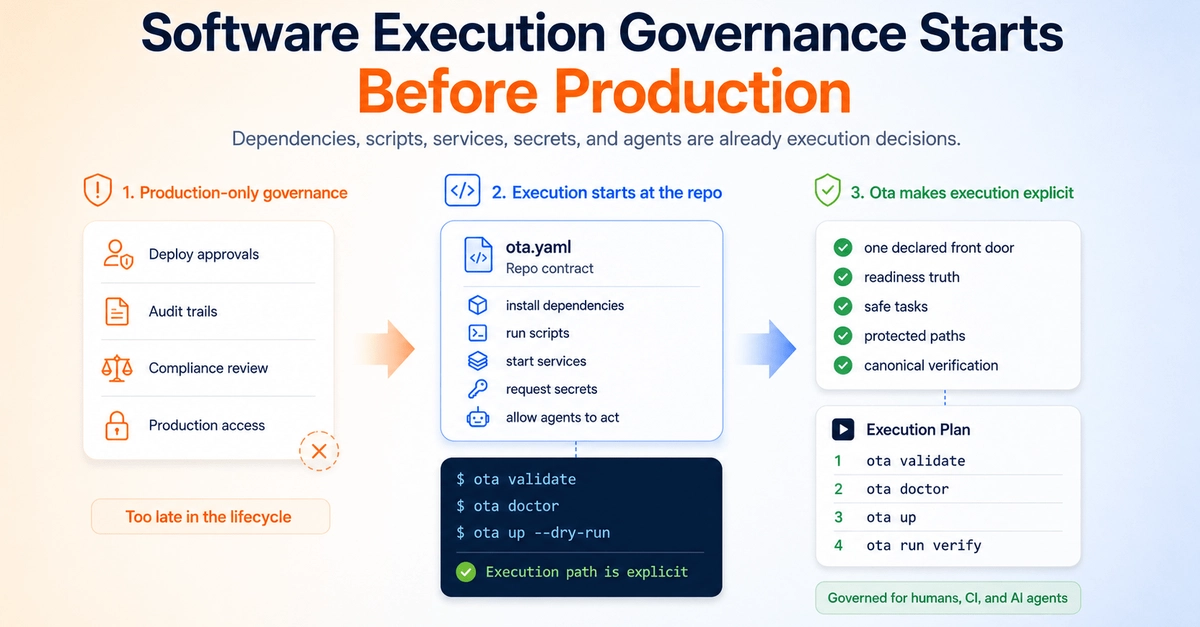
Organizations face the dual challenge of accelerating delivery while preserving visibility into critical systems. Rapid deployment can obscure accountability, making it harder to trace decisions or identify bottlenecks. Without robust governance, teams risk falling into operational silos, compliance gaps, and reputational damage. Addressing these issues demands integrating governance directly into workflows rather than treating it as a separate phase.