ISLAMABAD: Pakistan’s latest warning over threats to Red Sea shipping is more than a routine diplomatic statement — it signals the possible end of Islamabad’s long-standing strategic ambiguity in Middle Eastern conflicts.
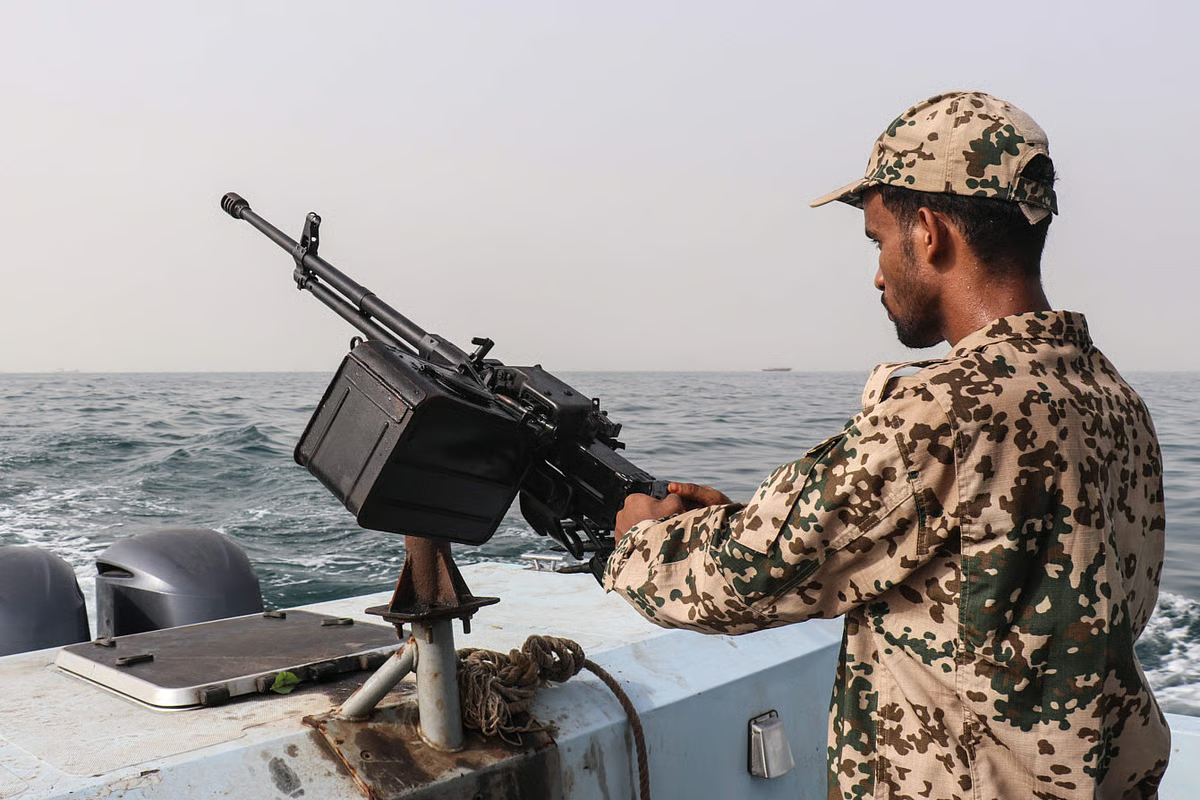
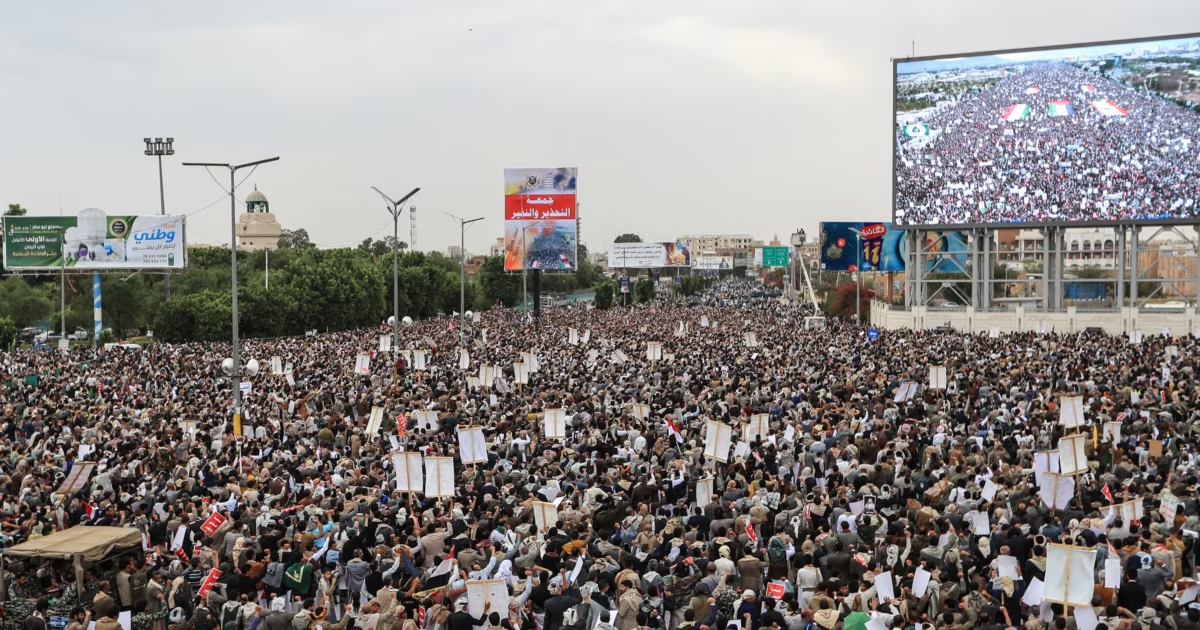
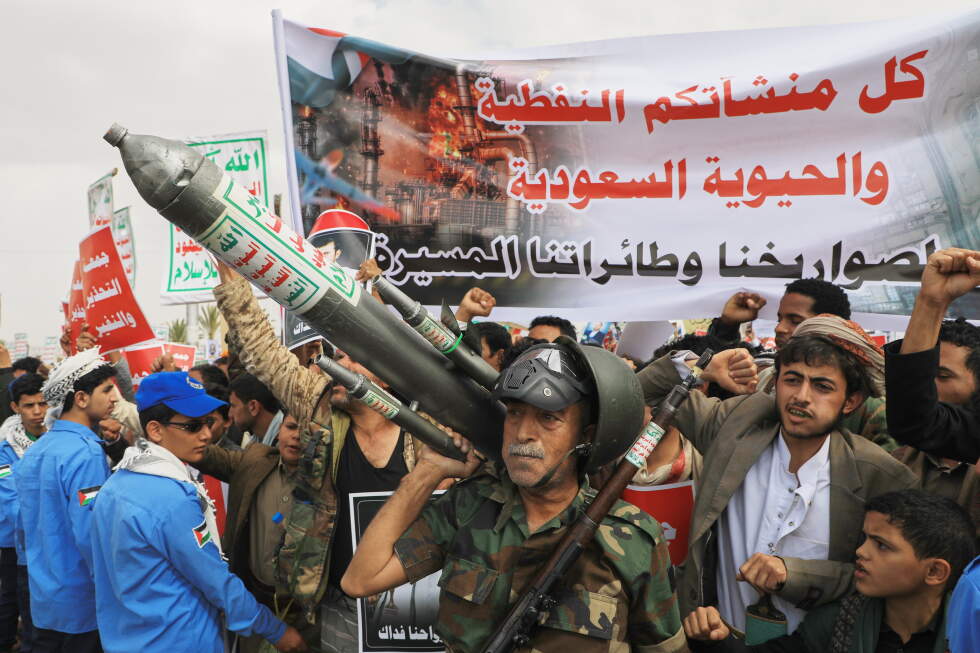
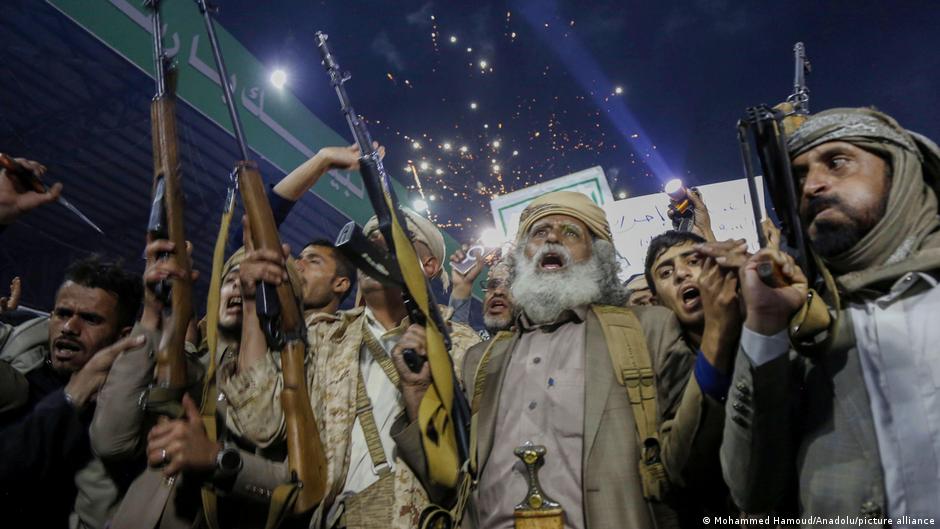
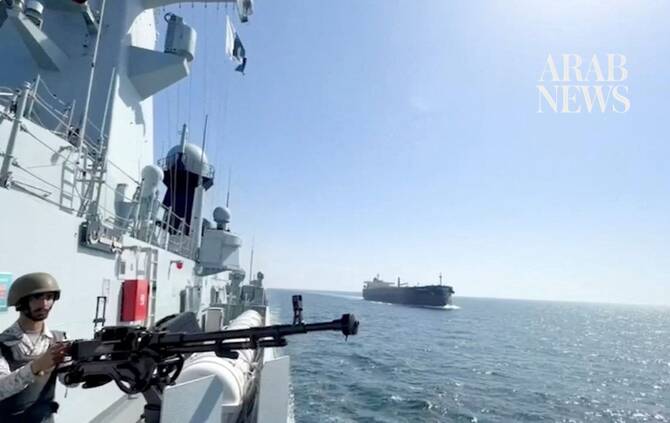
In a sharply worded declaration last Wednesday, Pakistan condemned Yemen’s Iran-aligned Houthi movement for threatening Saudi Arabia and commercial maritime activity, warning that Islamabad “reserves the right to self-defence” should its maritime interests be targeted. The Foreign Office described such threats as “unacceptable” and in violation of international law, underscoring a rare willingness to publicly draw red lines in an increasingly volatile theatre.
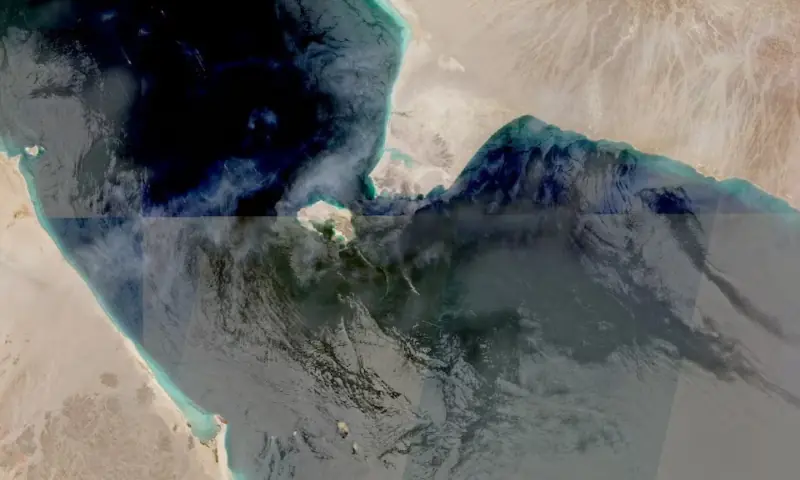
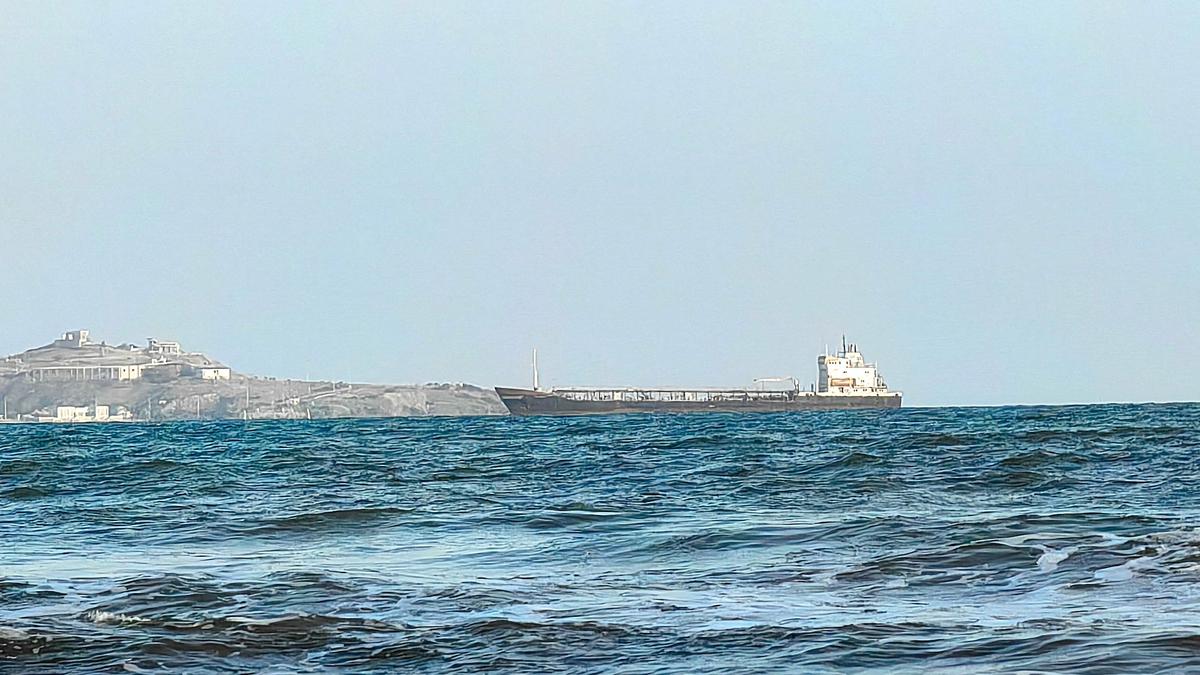
The statement followed the Houthis’ announcement of an immediate maritime embargo on Saudi Arabia — a move that, if enforced, could disrupt access to Red Sea ports that have become critical for Saudi oil exports as renewed US-Iran tensions constrain traffic through the Strait of Hormuz. Together, these developments are rapidly transforming the Red Sea from a peripheral arena into a central front in the broader Middle Eastern security crisis.
For Pakistan, the implications are profound.
From mediator to security actor