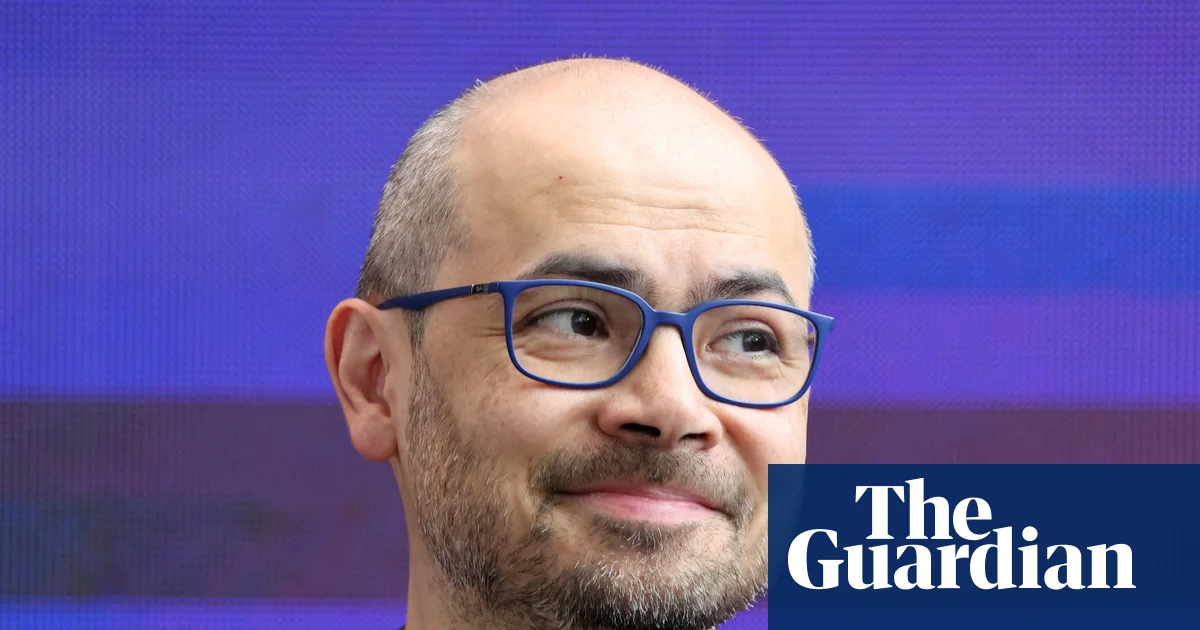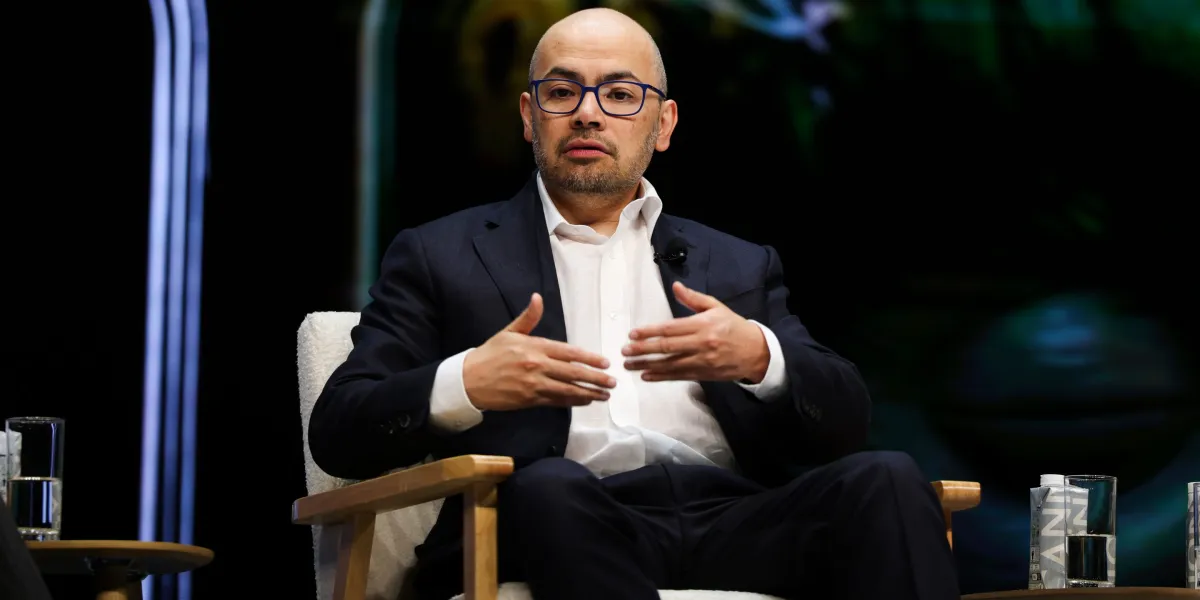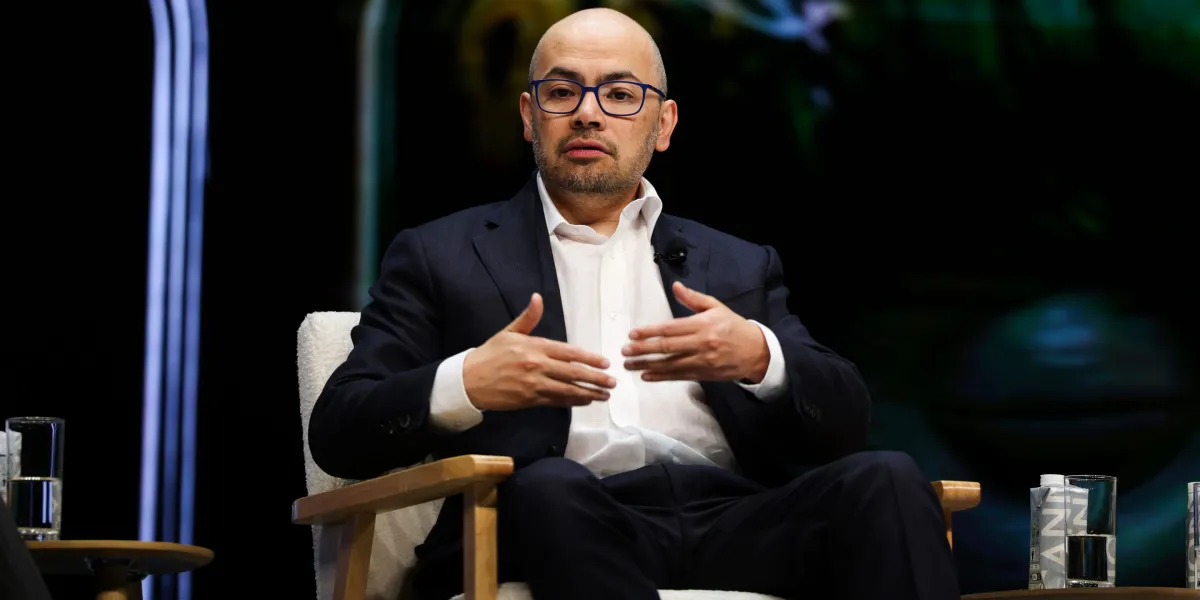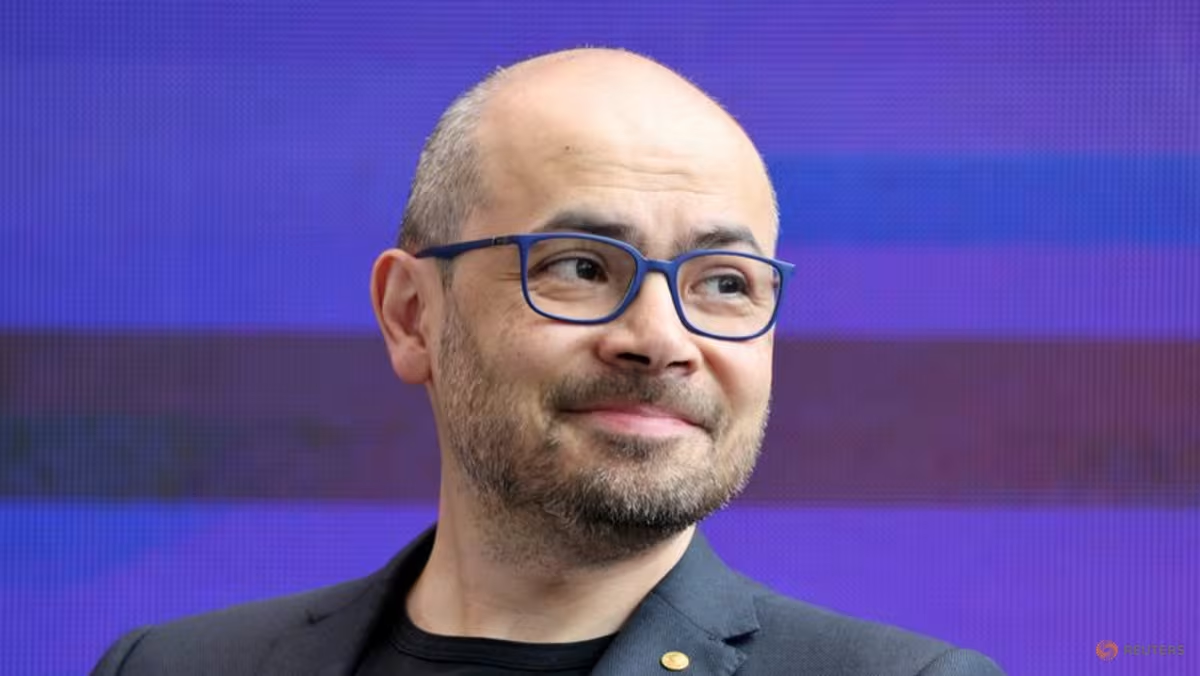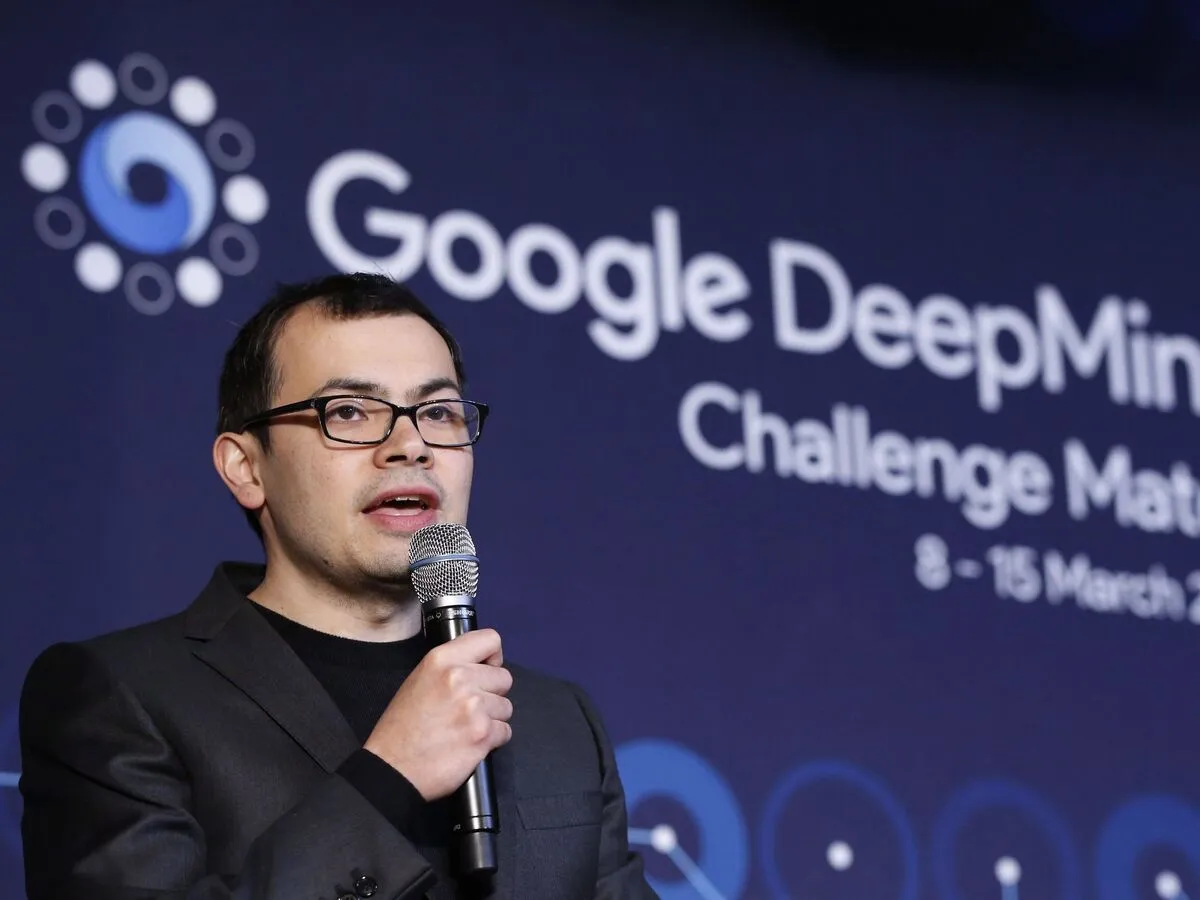
Skip to Content News Archives Economy Energy Oil & Gas Renewables Electric Vehicles Mining Commodities Agriculture Real Estate Mortgages Mortgage Rates Finance Banking Insurance Fintech Cryptocurrency Work Wealth Smart Money Wealth Management Investor Personal Finance Family Finance Retirement Taxes High Net Worth FP Comment Executive Women Puzzmo Newsletters Financial Times Business Essentials More Innovation Information Technology FP500 Podcasts Small Business Lives Told Tails Told Shopping Financial Post Store Obituaries Place a Notice Advertising Advertising With Us Advertising Solutions Postmedia Ad Manager Sponsorship Requests Classifieds Place a Classifieds ad Working Profile Settings My Subscriptions Saved Articles My Offers Newsletters Customer Service FAQ News Economy Energy Mining Real Estate Finance Work Wealth Investor FP Comment Executive Women Puzzmo Newsletters Financial Times Business Essentials HomeInnovationNewsGoogle’s DeepMind shakeup weakens U.K. bid to stay in AI raceHassabis is becoming DeepMind chair and Alphabet's chief scientist, devoting his time to ensuring that AI's next stage 'goes well for humanity'Author of the article: You can save this article by registering for free here. Or sign-in if you have an account.Google DeepMind CEO Demis Hassabis answers a reporter's question during a press conference after finishing the final match of the Google DeepMind Challenge Match against Google's artificial intelligence program, AlphaGo, in Seoul, South Korea.For years, Demis Hassabis was the only executive to oversee a U.S. technology giant’s artificial intelligence development from outside the country. Now, no one does.Subscribe now to read the latest news in your city and across Canada.Exclusive articles from Barbara Shecter, Joe O'Connor, Gabriel Friedman, and others.Daily content from Financial Times, the world's leading global business publication.Unlimited online access to read articles from Financial Post, National Post and 15 news sites across Canada with one account.National Post ePaper, an electronic replica of the print edition to view on any device, share and comment on.Daily puzzles, including the New York Times Crossword.Subscribe now to read the latest news in your city and across Canada.Exclusive articles from Barbara Shecter, Joe O'Connor, Gabriel Friedman and others.Daily content from Financial Times, the world's leading global business publication.Unlimited online access to read articles from Financial Post, National Post and 15 news sites across Canada with one account.National Post ePaper, an electronic replica of the print edition to view on any device, share and comment on.Daily puzzles, including the New York Times Crossword.Create an account or sign in to continue with your reading experience.Access articles from across Canada with one account.Share your thoughts and join the conversation in the comments.Enjoy additional articles per month.Get email updates from your favourite authors.Create an account or sign in to continue with your reading experience.Access articles from across Canada with one accountShare your thoughts and join the conversation in the commentsEnjoy additional articles per monthGet email updates from your favourite authorsSign In or Create an AccountorOn Wednesday, the famed British computer scientist announced he was stepping down as head of Google DeepMind, part of a sudden shakeup of the artificial intelligence leadership at Alphabet Inc. After losing several key engineers, the company is consolidating AI efforts in its California headquarters.That shift marks an end for Hassabis’s effort to keep his native U.K. as an AI development stronghold. Since selling DeepMind to Google in 2014, he fought to keep the London lab as an island of research, focused on creating machines more capable than humans, rather than commercial payoffs. But Google’s tolerance for an isolated, overseas lab wore thin, particularly after the arrival of ChatGPT and exploding competition in AI.Breaking business news, incisive views, must-reads and market signals. Weekdays by 9 a.m.By signing up you consent to receive the above newsletter from Postmedia Network Inc.A welcome email is on its way. If you don't see it, please check your junk folder.The next issue of Posthaste will soon be in your inbox.We encountered an issue signing you up. Please try againHassabis is becoming DeepMind chair and Alphabet’s chief scientist, devoting his time to ensuring that AI’s next stage “goes well for humanity,” he wrote in a note to staff. Still, his reduced influence could have a ripple effect on the entire AI industry. Hassabis used his influence to emphasize experimental scientific research and the importance of AI responsibility, which might otherwise take a back seat to an agenda focused on products, profit and competition.While nations outside the U.S. and China have increasingly worried about ceding control of critical AI technology, Hassabis and DeepMind have helped Britain hold onto a tentpole position in AI. Hassabis was knighted in 2024, and people who know the founder describe him as deeply committed to the U.K. He increasingly weighs in on AI policy matters and has attended political events like the G7 summit in France. In July, Britain’s AI minister, Kanishka Narayan, said his first call after getting a cabinet position was to Hassabis.“Demis is a great example of what I think of as a ‘patriotic founder,’” said Ian Hogarth, an investor with venture capital firm Plural, who has chaired a U.K. government body on AI.Yet Google recently moved a number senior leaders from its lab from London to California. That’s included Koray Kavukcuoglu, Hassabis’s successor, Bloomberg reported. Many early DeepMind leaders also have left the company, including Hassabis’s co-founder, Mustafa Suleyman. John Jumper, a researcher who shared a Nobel Prize with Hassabis for DeepMind’s work on breakthrough research into proteins, announced his departure for Anthropic earlier this year.Several people who have worked with Hassabis said he has deflected overtures in the past to shift DeepMind’s operations and relocate himself to California. “He just has this fundamental belief the U.K. can build the best AI companies,” said Frank Meehan, an early DeepMind investor and co-founder of AI startup Frontier/1.With the latest changes, Hassabis has given up oversight of Gemini, Google’s flagship AI model, and said he will continue to run Isomorphic Labs, an Alphabet subsidiary in London focused on AI drug discovery, and keep working on goals like building technology that can cure cancer.London holding less sway inside Google could impact the city, where a number of startups and institutions have relied on DeepMind for talent and resources.“Reputationally, it’s potentially damaging to the U.K.,” said Derek Holota, a London-based founder of consultancy Commonwealth Marketing, which focuses on AI. Representatives for Narayan and the UK government declined to comment on Hassabis’s move.Trained as a neuroscientist, Hassabis has repeatedly stressed the priority of applying machine learning systems to scientific fields. DeepMind’s work on AlphaFold, an algorithmic system for predicting the behavior of proteins, was considered a landmark achievement.While Google has backed futuristic projects and non-commercial research, the recent cutthroat AI race has changed its approach. The company merged DeepMind with its California research lab in 2023, and has since focused attention on improving Gemini and its core products. The company has proved willing to spend on this AI strategy, buying chips and expanding data centres, in ways it never did for its famous moonshots, like self-driving cars and delivery drones.In the second quarter, Alphabet posted a negative free cash flow for the first time since going public more than twenty years before. The company doesn’t disclose spending on its Other Bets — the non-Google businesses, such as Waymo and Isomorphic Labs — but has said that much of its capital expenditures this year, set to exceed US$200 billion, will be on servers, networking equipment and data centers.Meehan, the early DeepMind investor, said the company has drifted away from the foundational scientific research that Hassabis holds dear. “Google is not involved enough in all these areas,” he said. “There was a very strong focus on commercializing DeepMind.”Hassabis had considered leaving the company entirely in the past. In 2016, he and Suleyman plotted ways to spin out their lab into a sort of public benefit corporation after disagreements with Alphabet leadership on AI governance, the Wall Street Journal first reported.Hassabis told staff he will spend more time at Isomorphic Labs. Since forming in 2021, the division has signed partnership deals with major pharmaceutical firms and raised capital from investors outside of Alphabet. It has yet to bring an AI-designed drug to clinical trials.“As you’ve heard me say many times, I’ve always believed the No.1 application of AI should be to improve human health,” Hassabis wrote in a note to staff published to Google’s blog. Alphabet has tried various efforts in healthcare over the years, with few major commercial results.In December, DeepMind said it would open a new London lab in 2026 for developing AI in material science, another research area detached from Google’s bottom line. DeepMind hasn’t shared any updates on the lab since.It’s unclear if Hassabis would be involved in the lab in his new capacity. Representatives for Google and Isomorphic Labs declined to comment further on his plans.Google’s changes, including Hassabis’s new role, are “designed to focus key AI talent in their respective areas of strength,” Colin Sebastian, an analyst with Baird Equity Research, wrote in a note. Still, the analyst said it triggers concerns about “brain drain” at the company.Historically, taking titles like chair and chief scientist, have been indications a senior leader is moving toward the exit. In 2015, Google co-founder and CEO Larry Page formed Alphabet as an umbrella corporation, moving the day-to-day operations of Google off his plate and allowing the billionaire to pursue radically different technology businesses. He left the company four years later. Former CEO Eric Schmidt went from chairman to technical adviser before leaving the company. Jeff Dean, a Google veteran named its chief scientist a few years ago, said on Wednesday he’s leaving the company.Alphabet shares closed four per cent lower on Wednesday after the news of Hassabis’s move and other key departures. Sebastian Mallaby, an author of a recent book on Hassabis, described the share move as an overreaction. “Demis has been playing the role of Google AI statesman for some time,” he wrote on X. “So this a formalization of something that had been happening informally.”Early reaction on @demishassabis stepping back: Demis has been playing the role of Google AI statesman for some time, and Koray Kavukcuoglu has been running Google DeepMind research for some time. So this is a formalization of something that had been happening informally. I…— Sebastian Mallaby (@scmallaby) August 5, 2026With assistance from Jacob Reid and Shona Ghosh Join the Conversation This website uses cookies to personalize your content (including ads), and allows us to analyze our traffic. Read more about cookies here. By continuing to use our site, you agree to our Terms of Use and Privacy Policy.
Google’s DeepMind shakeup weakens U.K. bid to stay in AI race
Demis Hassabis announced he's stepping down as head of Google DeepMind, part of a sudden shakeup of the AI leadership at Alphabet. Read on.
TL;DRAI
Hassabis steps down as DeepMind CEO to become Alphabet chief scientist; Google consolidates AI in California, losing researchers to competitors. The shift from fundamental research to commercial competition weakens U.K. AI position and deprioritizes AI responsibility frameworks.
1,740 words~8 min read