view more
Lung cancer is the most diagnosed cancer globally and is one of the leading causes of cancer-related deaths. Early detection of the same can prove to be a boon for survival. However, collecting tissue samples from small tumors located deep within the lungs remains a big challenge. As many of these lesions are found in the peripheral regions of the lungs, physicians must navigate through an intricate network of tiny branching airways to reach the target.
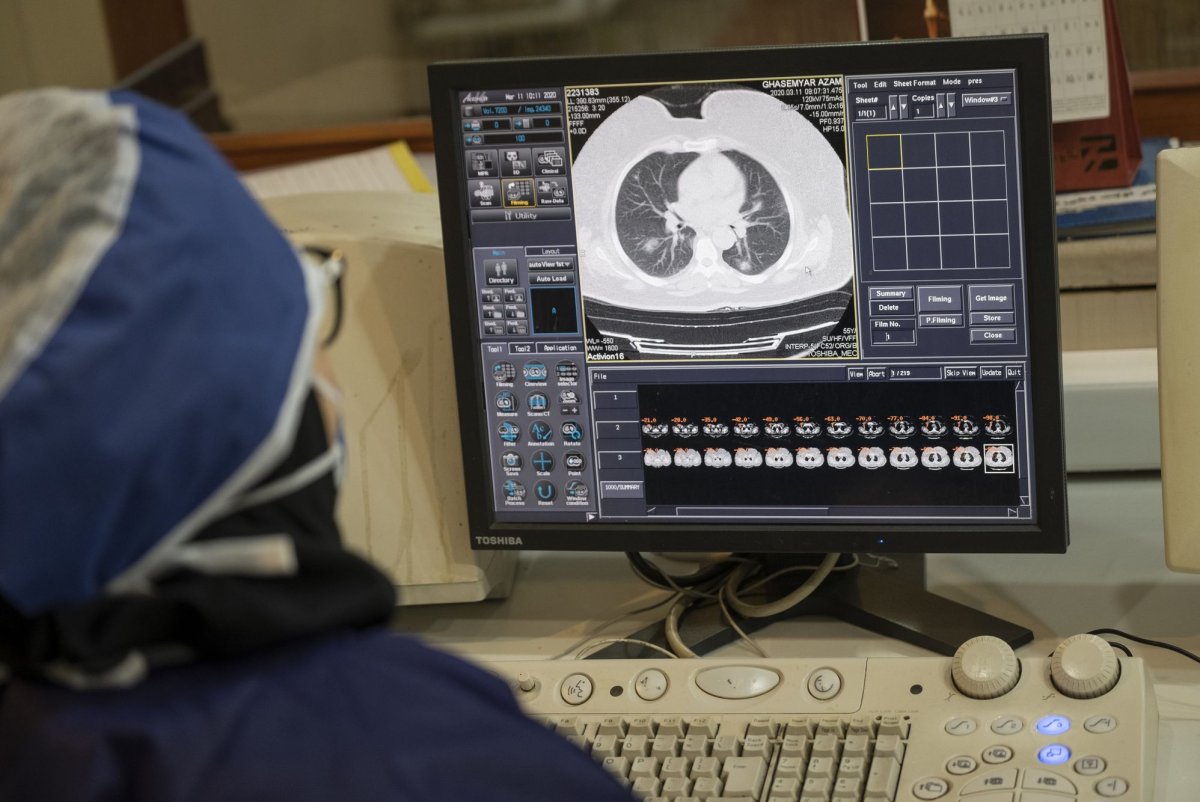
In these cases, clinicians rely on lung navigation systems that use three-dimensional airway maps reconstructed from computed tomography (CT) scans to guide instruments toward suspicious lesions. Eventually, the accuracy of these navigation systems depends heavily on the completeness of the airway maps to guide them. Creating these maps is again difficult, as the smallest peripheral airways are extremely thin and difficult to distinguish from the surrounding tissues. This restriction raises a concern that if artificial intelligence (AI) systems are trained using incomplete information, they may also overlook clinically important airways.
To address this challenge, researchers from Pusan National University in South Korea developed ASTRA-Net (Anatomical Segmentation with Tree-aware Refinement Attention), an AI framework designed to identify previously overlooked airway branches and generate more complete airway maps. The study was led by Dr. MinWoo Kim from the School of Biomedical Convergence Engineering, Pusan National University, and Dr. Hee Yun Seol from the Division of Pulmonary and Critical Care Medicine, Research Institute for Convergence of Biomedical Science and Technology, Pusan National University Yangsan Hospital, in collaboration with other researchers. This paper was made available online on March 9, 2026, and was published in Volume 45, Issue 6 of the journal IEEE Transactions on Medical Imaging on June 01, 2026.