SummaryIran parliament reviews draft Hormuz plan banning US- and Israel-linked vessels.Oil rises as proposed Strait restrictions raise supply concerns.Houthis intensify attacks on Saudi oil shipping in the Red Sea.Yemen fighting escalates amid reports of major casualties.Iran-Oman talks continue as US backs diplomatic solution, searches for offramp.US announces end of Iranian blockade by August 15, 2026?
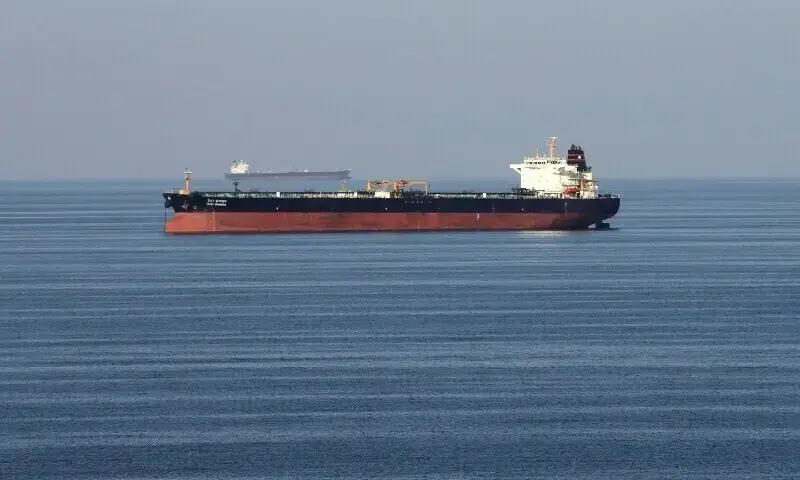
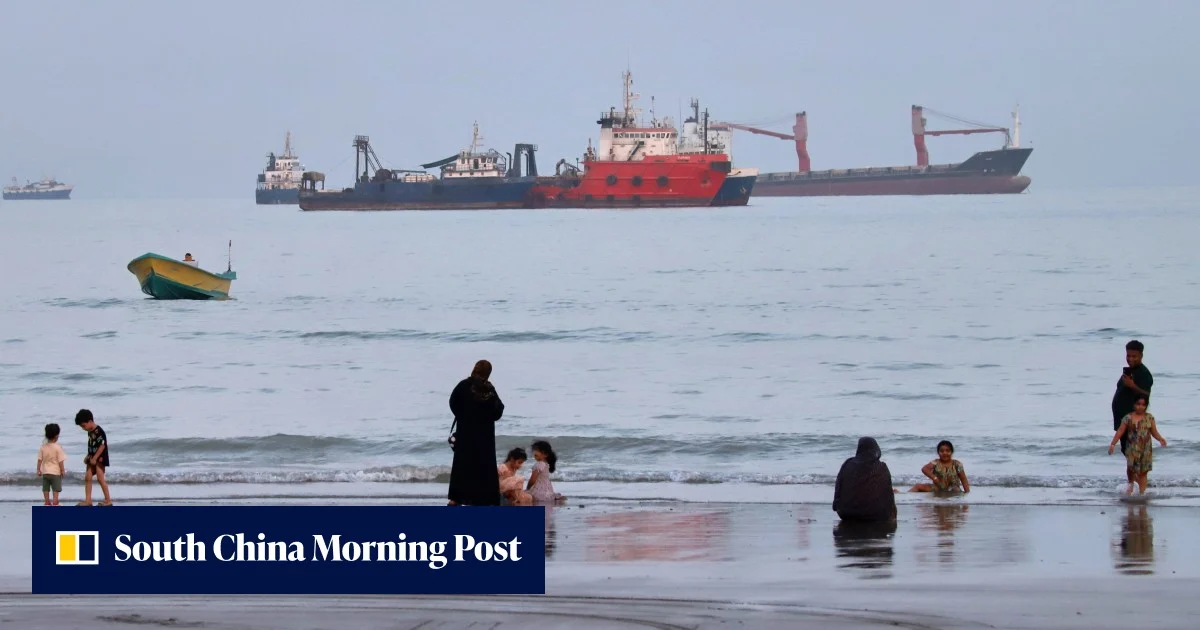
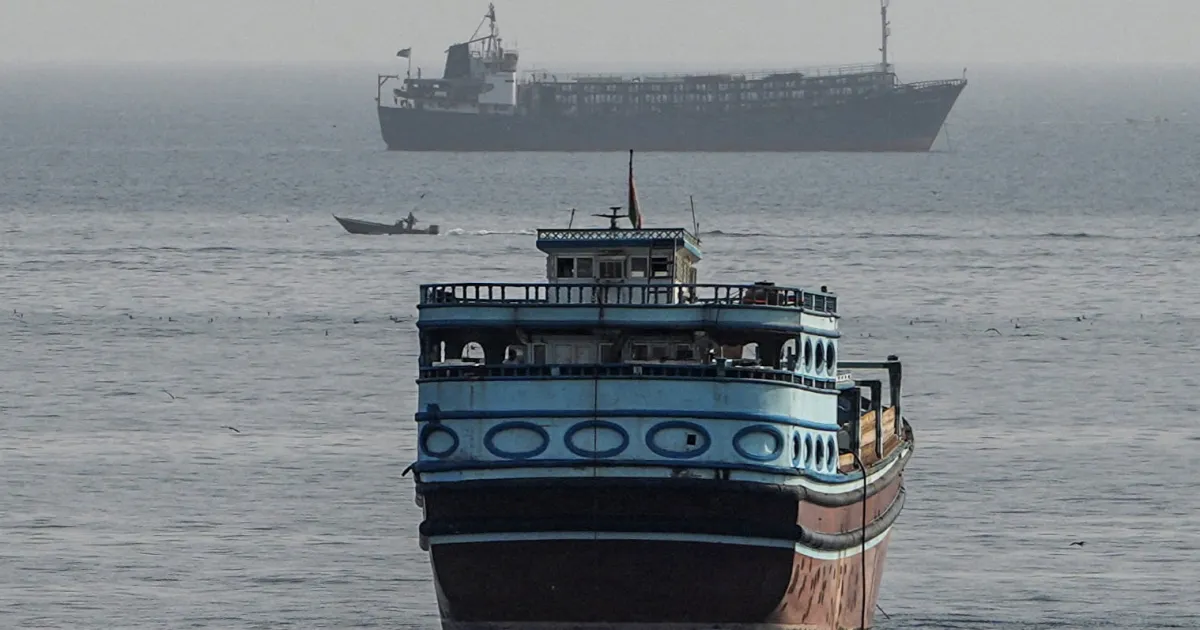
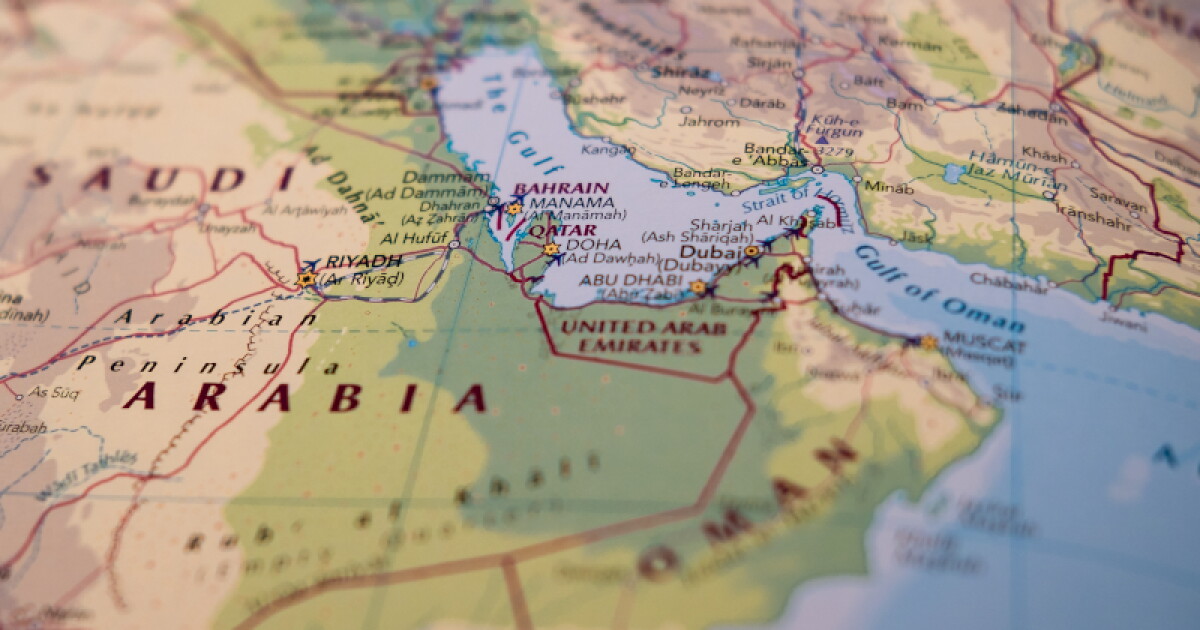
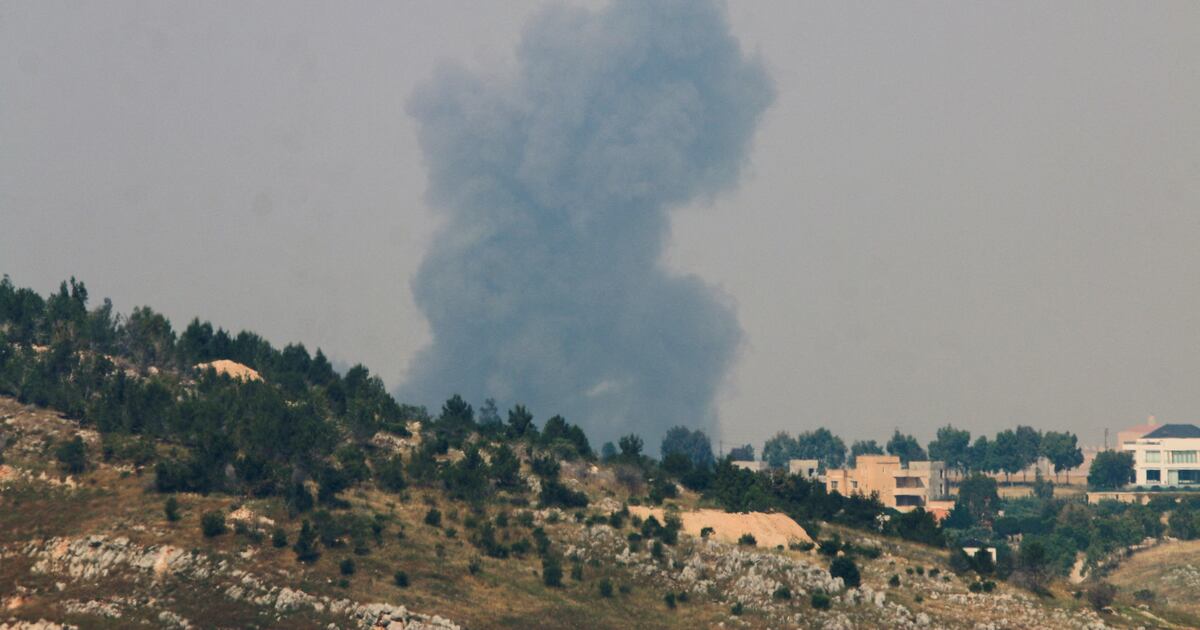
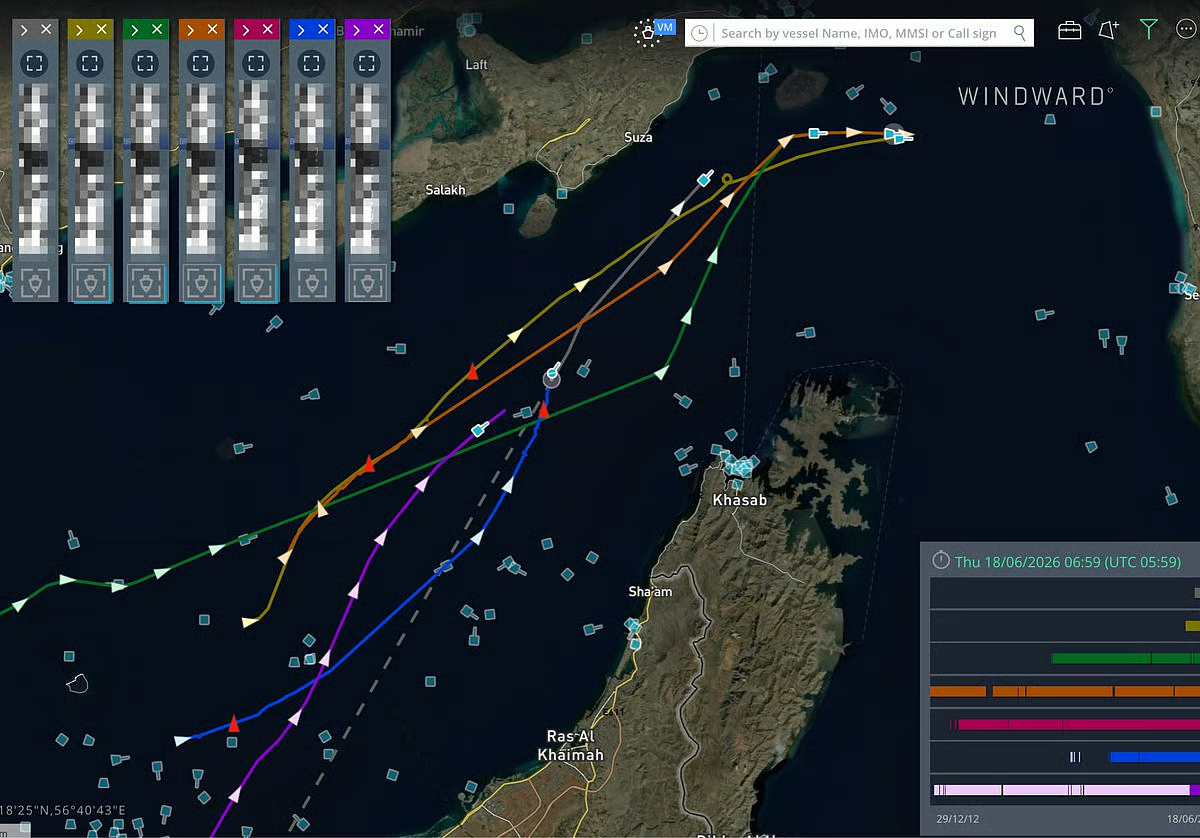
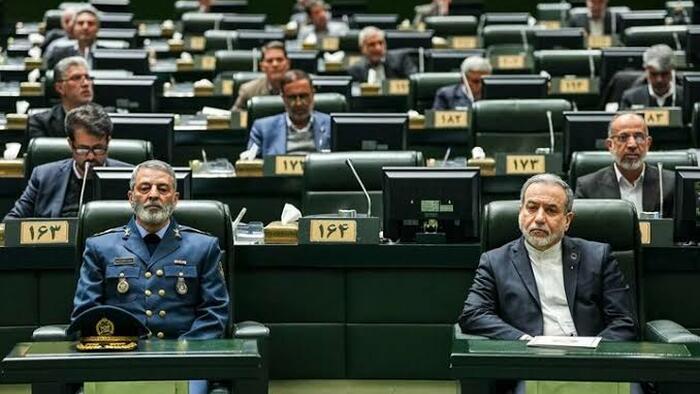
Yes 60% · No 40%View full market & trade on Polymarket Deal Details: US-Israeli vessels Banned from Hormuz (Fars)Iranian state media (Fars) has issued details of the Iran-Omani draft plan for transit rules through the Strait of Hormuz and the Persian Gulf. The country's parliament is said to currently be reviewing it, while Tehran still insists that the US has been sidelined, saying that the Oman-Iran contacts are bilateral.As cited in Bloomberg from state media, key proposals include:Ban vessels linked to the U.S., Israel, and other hostile statesBlock military and civilian cargo tied to IsraelRestrict ships linked to actions against the "Axis of Resistance"Deny passage to parties owing compensation to IranImpose fines of up to 20% of cargo value for violationsThe first note about banning US-linked vessels could alone serve to restart the war. The White House has appeared to genuinely be searching for an exit strategy, but this may be too hard a pill to swallow, if accurate.Fars has spelled out that "The passage of vessels belonging to the US, the Israelis, and other hostile countries through the Strait of Hormuz will be prohibited." Below are is the fuller outline of the proposed plan as featured by Fars [machine translation]:The passage of vessels belonging to the United States, Israelis and other hostile countries through the Strait of Hormuz will be prohibited.Ships related to Israel, whether military or civilian, will not have the right to transit through this area.Vessels or cargoes that play a role in actions against the Resistance Front will also be subject to the ban.Countries and individuals that have caused damage to Iran will not receive permission to pass through the Strait of Hormuz and the Persian Gulf until compensation is paid.Heavy fines, including up to 20% of the value of the goods, will be imposed on violators. The cargo is anticipated.The government will be required, in cooperation with the armed forces, to assume responsibilities such as guiding navigation, monitoring vessel traffic, and protecting the security and environment of the Persian Gulf.This plan is still in the expert review stage, and the parliament has asked experts to submit their suggestions for completing it.Oil spikes on the headlines of a very clearly 'Iran-favorable' 'deal' - which Washington is unlikely to simply accept.Does this portend a return to active conflict?Yemeni 'Blockade for Blockade' Could Threaten Delicate Hormuz NegotiationsYesterday witnessed at least the eighth Saudi oil tanker attacked by the Houthis since the maritime blockade began on July 22, which is being followed by reports the Yemeni rebel group backed by Iran could be preparing for all-out war with Saudi Arabia.The group struck two Saudi oil tankers in the Red Sea on Wednesday and coupled the action with a threat to intensify attacks in order to close "all access routes" to Saudi oil shipments. Military spokesman Brig. Gen. Yahya Saree confirmed that ballistic missiles were launched at a Saudi tanker called Wafa near the Saudi port city of Yanbu.A second oil tanker identified as Daisy was subsequently hit in the Gulf of Aden with a ballistic missile and "forced to turn back" - the spokesman said in a social media post. The Houthis are dubbing it a "blockade for blockade" strategy.via AFPLarge New Saudi-Backed Operation?But it seems the Saudis aren't ready to take this laying down, even if the ratcheting Red Sea region conflict threatens fragile Oman-sponsored talks to reopen the Strait of Hormuz, as on Thursday its proxy the Yemeni Armed Forces - representing the official government whose seat is in Aden in the south - announced preparations for a large new military operation.This as Al Arabiya reports a fresh outbreak of ground fighting, in a renewal and intensification of the civil war that goes back to at least 2015 (and has an international proxy war aspect to it). The Arab publication says that a Houthi attack killed 45 government forces in Hadramawt and Marib in Yemen, areas which also happen to be home to the vast majority of the country's oil and gas fields.Separately Al Jazeera describes of the same event:The Yemeni Emergency Forces of the internationally-recognised government, have said that there have been material and human losses following attacks on its camps.Several causalities have been reported after a suspected Houthi rocket and drone attack targeted bases hosting the forces in Marib and Hadramaut.So now it seems that even if a grand Hormuz deal to reopen energy transit can be pulled off with some level of sticking power, there will have to be a separate ceasefire to contain the Yemen and Bab al-Mandab Strait crisis.To some degree, the Houthi closure of the Red Sea to Saudi shipping represents a good cop, bad cop approach to the United States and its Gulf allies. It is a way for Tehran to still maintain some serious tangential leverage over global energy, even as ships in Hormuz could finally get moving again.The Houthis launched ballistic missile and drone strikes on Saudi-backed Yemeni forces in Marib Governorate, targeting several military sites.