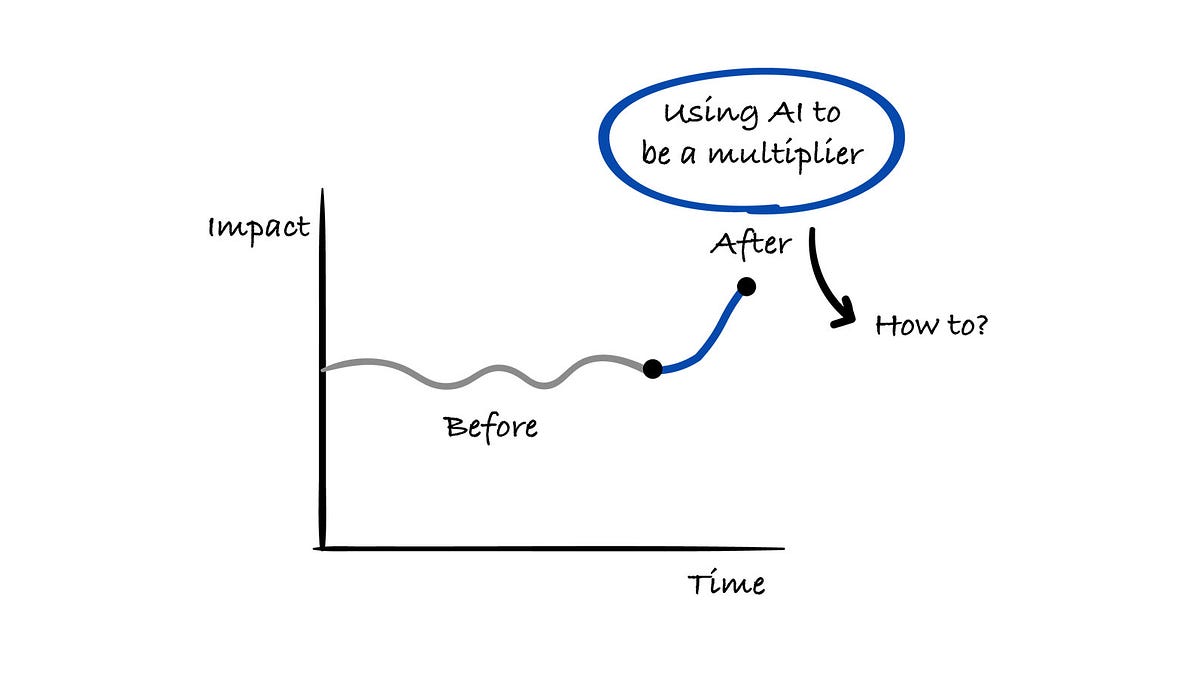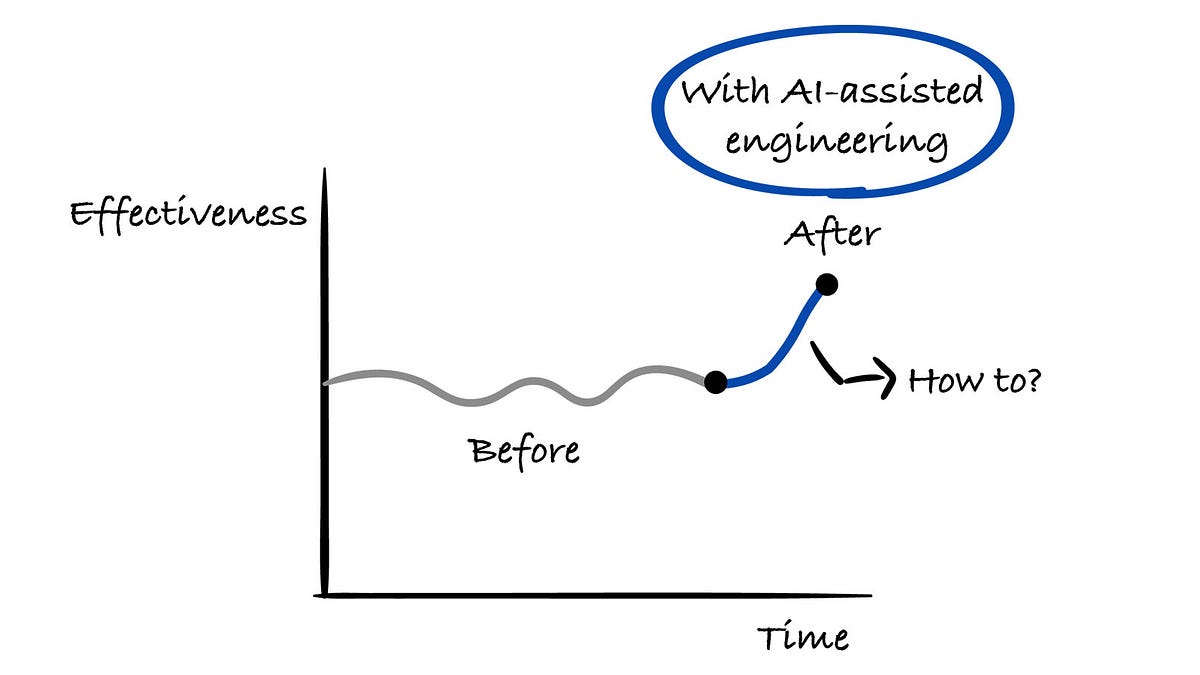
Amrit Jassal is the CTO and Co-founder of Egnyte, which is a leader in secure content collaboration, intelligence, and governance.gettyOver the past two years, as AI has taken center stage in software engineering, there is now ample evidence that it is engineers who are turning this technology into the workhorse that’s driving a tectonic shift in the software development life cycle. This evolution has led to the realization that AI’s ROI doesn’t come from mandating AI tools or building a tokenmaxxing leaderboard. It is about creating an environment where engineers genuinely want to use AI because it makes them more effective.Executive mandates rarely drive adoption because engineers tend to be skeptical of big technology claims. They evaluate it based on the workflow improvement that they experience, not because someone tells them it does. Therefore, the focus should be on removing friction and encouraging experimentation.The AI Advantage Extends Beyond CodingWhile much of the public conversation focuses on AI writing code, software development is only one part of engineering. AI delivers value across almost every stage of the R&D life cycle. It accelerates maintenance work by helping engineers understand unfamiliar codebases and implement incremental improvements more quickly. It supports the rapid development of new components and features, while dramatically shortening the time required to build proof-of-concept prototypes.Internal developer tooling has become another strong use case, allowing teams to automate repetitive engineering tasks that previously competed with product development priorities. Testing has seen particularly significant benefits: AI assists with unit test generation, system test automation and quality assurance workflows, helping improve coverage while reducing manual effort.Even traditionally time-consuming activities such as code reviews, troubleshooting and root cause analysis become faster when engineers can use AI to explore large codebases, analyze dependencies and identify likely causes of failures. At Egnyte, we witnessed over 200 merge requests reviewed in two weeks, and 43% of the code review suggestions generated were accepted. This is a testament to the fact that AI allows engineers to spend more time applying their judgment where it matters most instead of getting drowned in routine work.Technology Is Only Half The EquationAI performs better when traditional engineering disciplines are already strong. Well-documented code, meaningful comments, clear module descriptions and component-specific prompt libraries all improve AI performance. Good engineering practices become even more valuable in an AI-enabled environment.Having said that, successful AI adoption in engineering and R&D relies heavily on the non-technology aspects such as culture, learning and implementation approaches. At Egnyte, we have developed a set of best practices for effectively incorporating AI into your engineering workflow. Some of these include:Choose Internal AI Champions WiselyCarefully selecting early adopters is critical. We selected internal AI champion engineers who not only enjoyed trying new technologies but also were respected within their teams. We also ensured that they represented different engineering disciplines and were willing to openly share both successes and failures.Communication matters too. AI adoption must be reinforced through multiple channels ranging from leadership updates and engineering all-hands meetings to Slack discussions, technical presentations and local team forums.Don’t Focus On Finding A Universal AI ToolThere is no single AI platform that excels at every engineering task. While some are exceptional at understanding large, mature codebases, others excel at rapid prototyping, automation or conversational technical assistance. That means a diversified approach works better than trying to standardize on a single solution.For example, Claude Code and Augment Code have become our most widely used engineering AI harnesses for augmentation of existing codebases, while Cursor has proven particularly effective for rapid prototyping and QA automation. GitHub Copilot remains valuable for teams whose existing development environments integrate more naturally with Microsoft's ecosystem, but we also leverage Gemini for technical Q&A and broader engineering support. The objective is to give engineering teams access to the best tool for the problem they are solving.Evolve Learning Programs For The AI AgeAI significantly reduces the learning curve when engineers begin working with unfamiliar components or services. New hires become productive more quickly because they can navigate complex systems with greater confidence. At the same time, managers can use AI to understand implementations faster, participate more meaningfully in technical discussions and shorten their own ramp-up when overseeing new initiatives.One big advantage of AI is that it lowers the cost of experimentation. Therefore, teams can rapidly build disposable prototypes, validate technical ideas early and explore multiple implementation paths before involving senior specialists in production-ready development. This fundamentally changes how organizations innovate.Understanding AI Impact And EfficienciesThe organizations that will benefit most from AI are unlikely to be those with the largest AI budgets. They will be the ones who build cultures of continuous learning, thoughtful experimentation and knowledge sharing. The success metrics, therefore, should be skewed toward people-productivity boosts such as time saved per engineer, productivity performance and quality optimization.Engineering has always evolved through better tools, from compilers and debuggers to cloud platforms and DevOps automation. AI is the next step in that evolution. Its greatest impact will come from enabling engineers to spend less time navigating complexity and more time creating meaningful innovation.Forbes Technology Council is an invitation-only community for world-class CIOs, CTOs and technology executives. Do I qualify?
Engineers Are The True AI Advantage
AI performs better when traditional engineering disciplines are already strong.
TL;DRAI
AI adoption in engineering thrives through diverse tools (Claude Code, Cursor, Copilot) and champion engineers—Egnyte's 43% code-review acceptance shows workflow gains drive adoption. Success metrics focus on productivity and experimentation culture, not budget size or mandates.
855 words~4 min read