A system designed to avert disaster could become the very weapon that triggers it
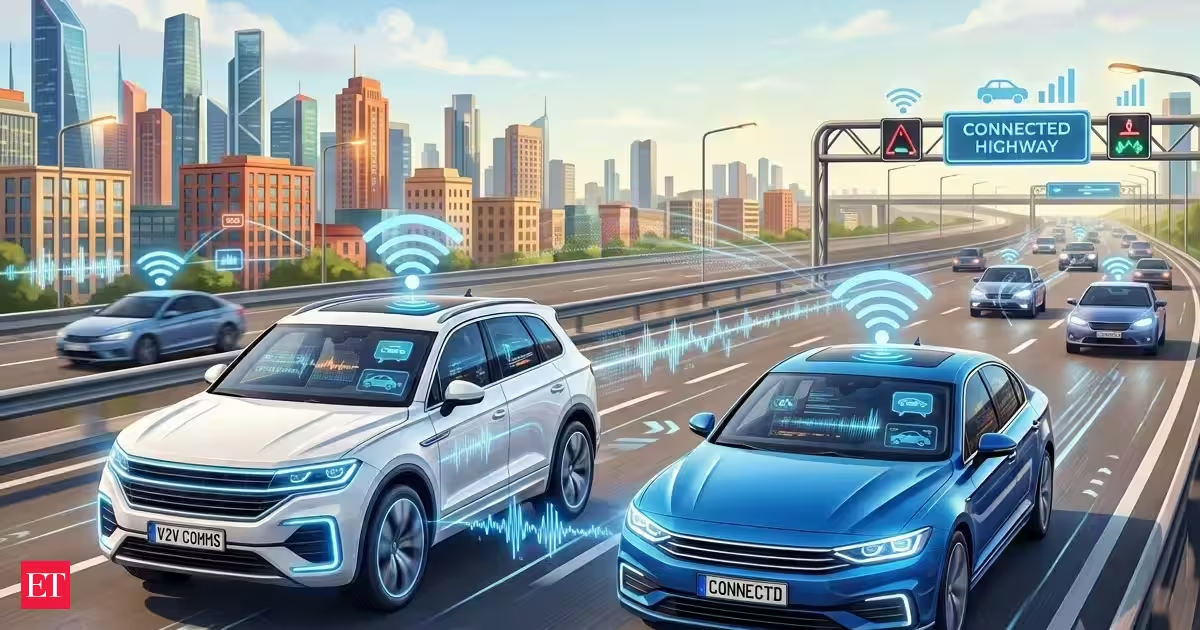
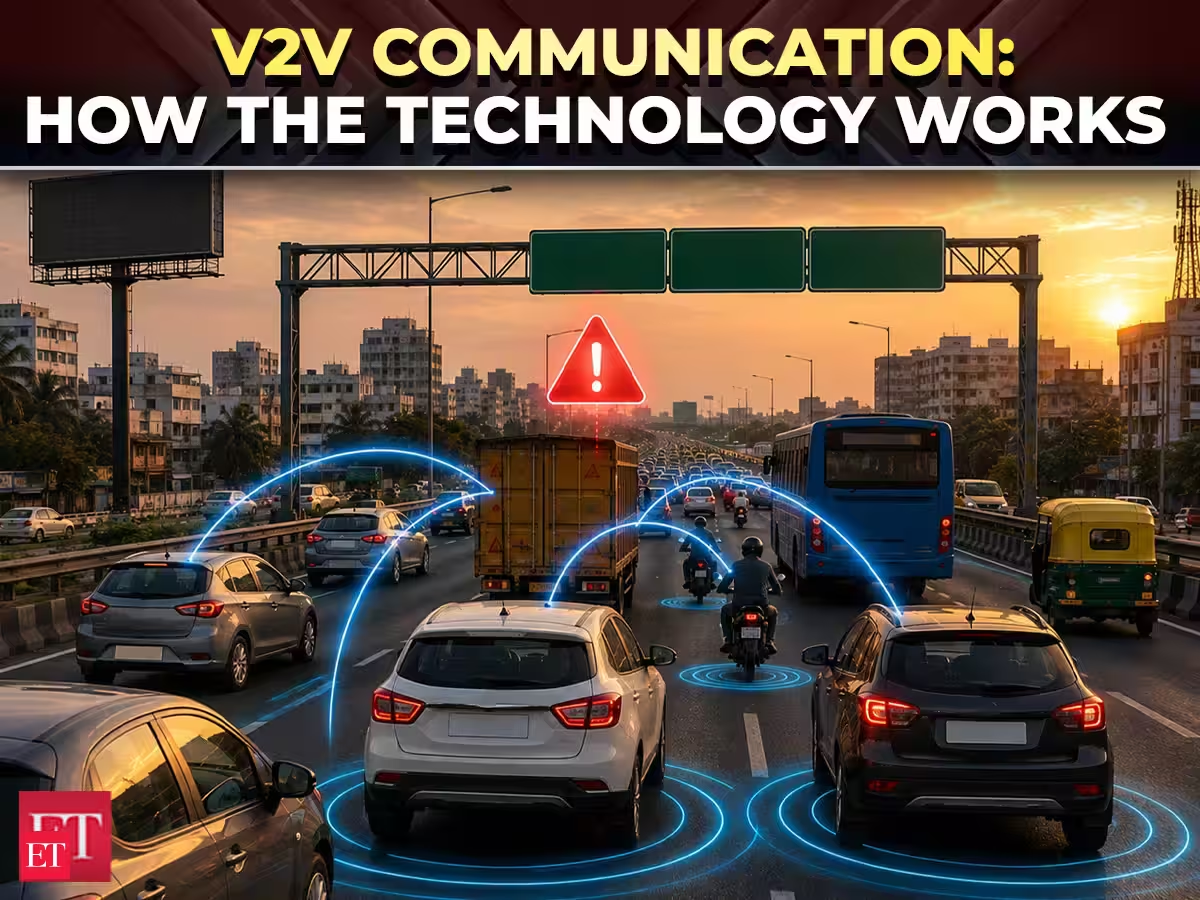
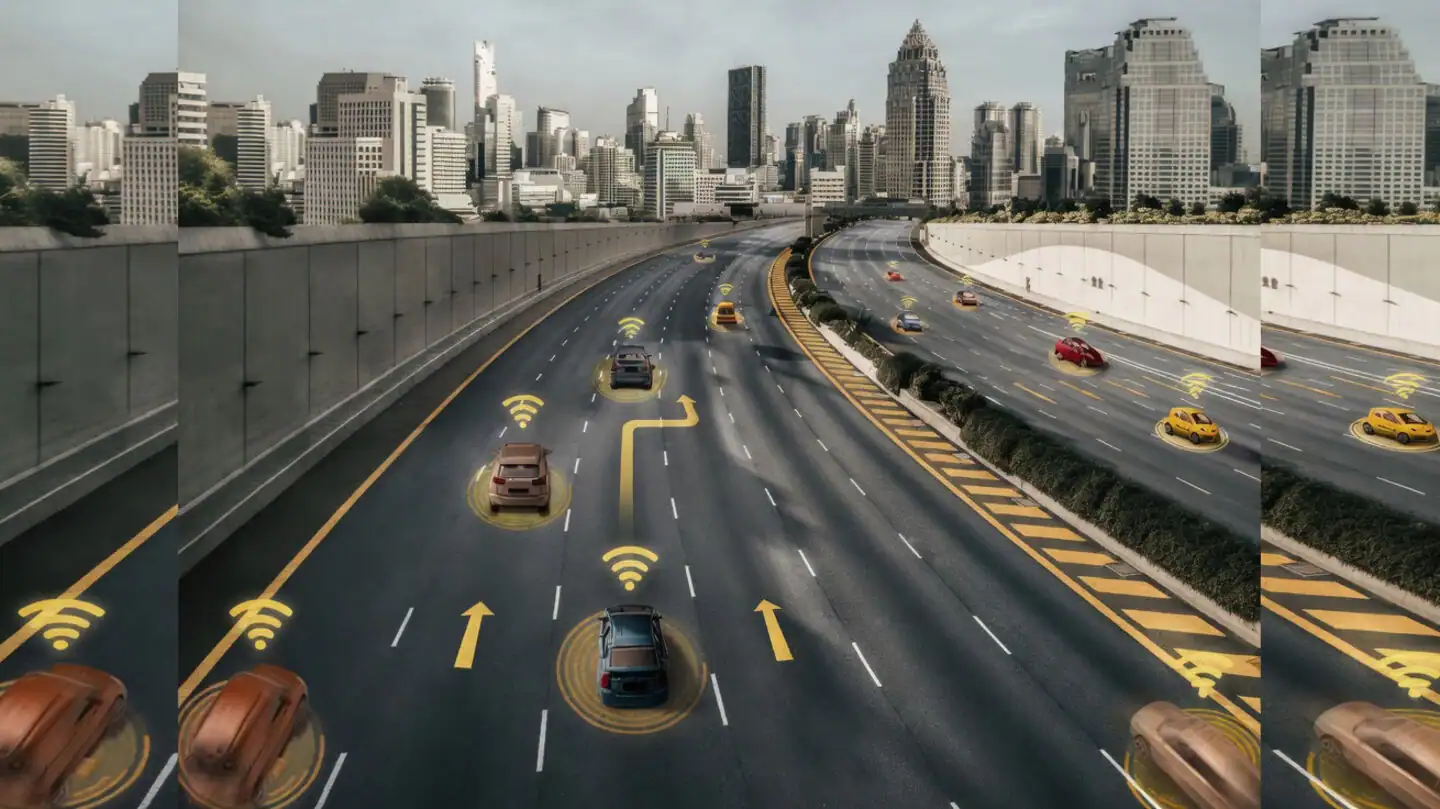
Soon, your car will talk to other vehicles near it, exchanging their relative speeds and locations and making quick decisions to avoid collisions. But imagine in a highway convoy if an attacker spoofs the lead vehicle’s brakes — it could create a lethal domino effect, sending a shockwave of forced braking through every car behind it. A system designed to avert disaster could become the very weapon that triggers it.Serious ThreatThe wireless channels that facilitate vehicle to vehicle (V2V) communication can create a new attack surface for hackers, who can manipulate, spoof, or even jam messages. False or manipulated messages could pose serious challenges to vehicular safety, while message jamming could delay decision-making. While welcoming the government move to mandate V2V communication, Sanjay Katkar, Joint Managing Director, Quick Heal, a cybersecurity solutions company, points out that even a small cyberattack in a connected traffic environment could create confusion and increase the risk of accidents. “Unlike traditional IT systems where the impact is often limited to data loss, cybersecurity failures in connected vehicles can have direct physical consequences,” he said.India records one of the highest numbers of road accident fatalities globally. In 2025 alone, the country reported over 1.8 lakh road crash fatalities, averaging more than 500 deaths every day, highlighting the scale of the challenge. To improve road safety, the Union Ministry of Road Transport and Highways recently introduced a phased framework for V2V communication that will enable vehicles to exchange real-time data such as speed, position, and acceleration.Rigorous Testing“Strong V2V communication is genuinely needed for autonomous driving,” said Pankit Desai, Co-founder and CEO of cybersecurity solutions company Sequretek. “But the moment you build a system like this, you have to ask which wireless channel is being used and whether that channel is open to hacking or unauthenticated access. That is why we need standardisation of the underlying protocols, proper encryption and rigorous testing, so that nobody can hack, spoof GPS, or jam the system,” he said. “Security also needs to extend beyond communication to the entire vehicle ecosystem, including software updates, onboard systems and the supply chain,” he added.Vimal Singh SV, founder and CEO of ReadyAssist, felt that the industry should move beyond viewing V2V as just a safety feature. “The real value lies in creating an intelligent mobility network where vehicles, infrastructure, emergency services and mobility partners can seamlessly exchange information. This will enable faster incident detection, more informed decision-making, proactive roadside assistance, and better traffic management,” he said.This, he said, can help significantly reduce the time taken to detect an accident and improve the quality of information available to responders.Published on August 6, 2026