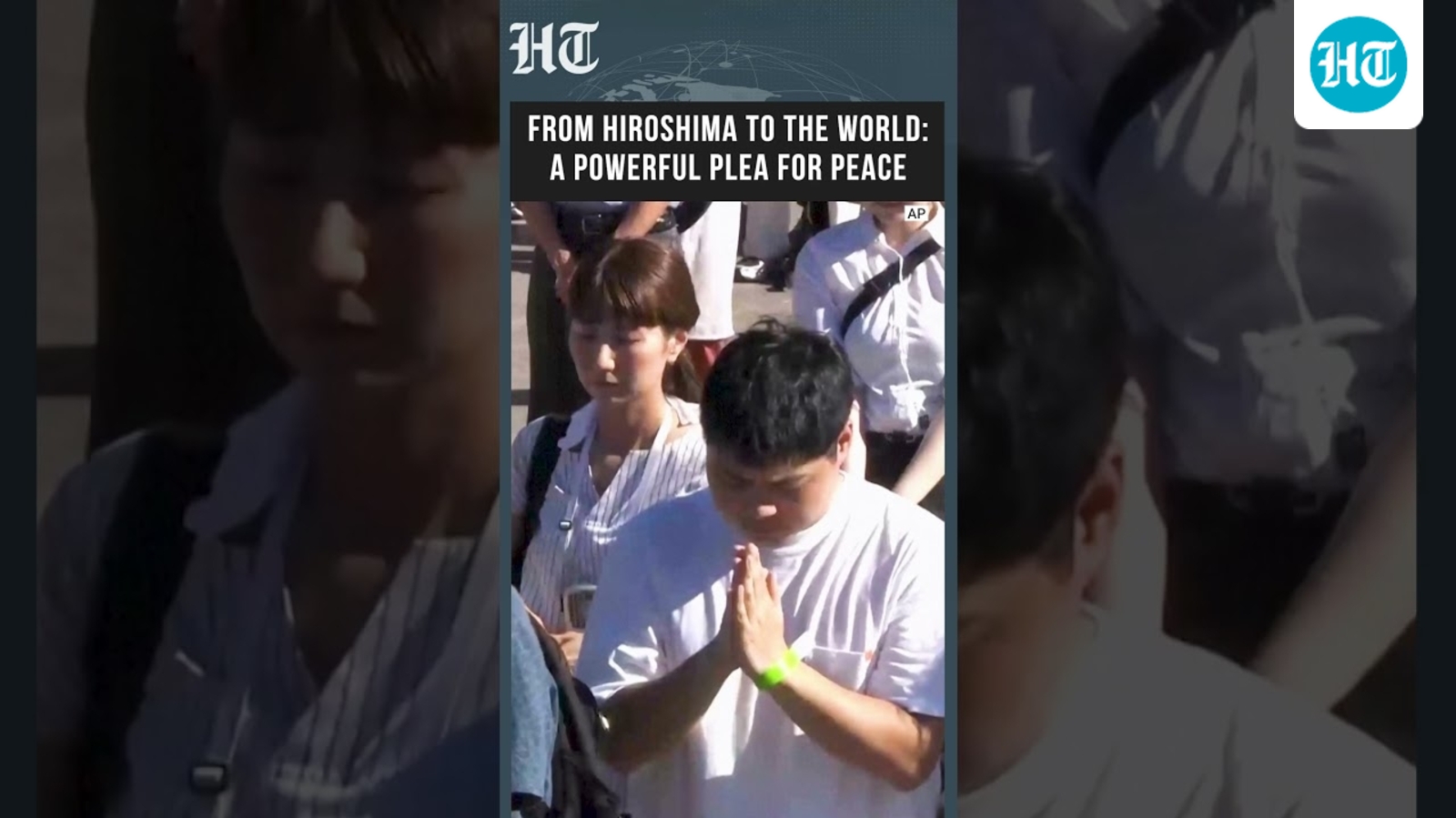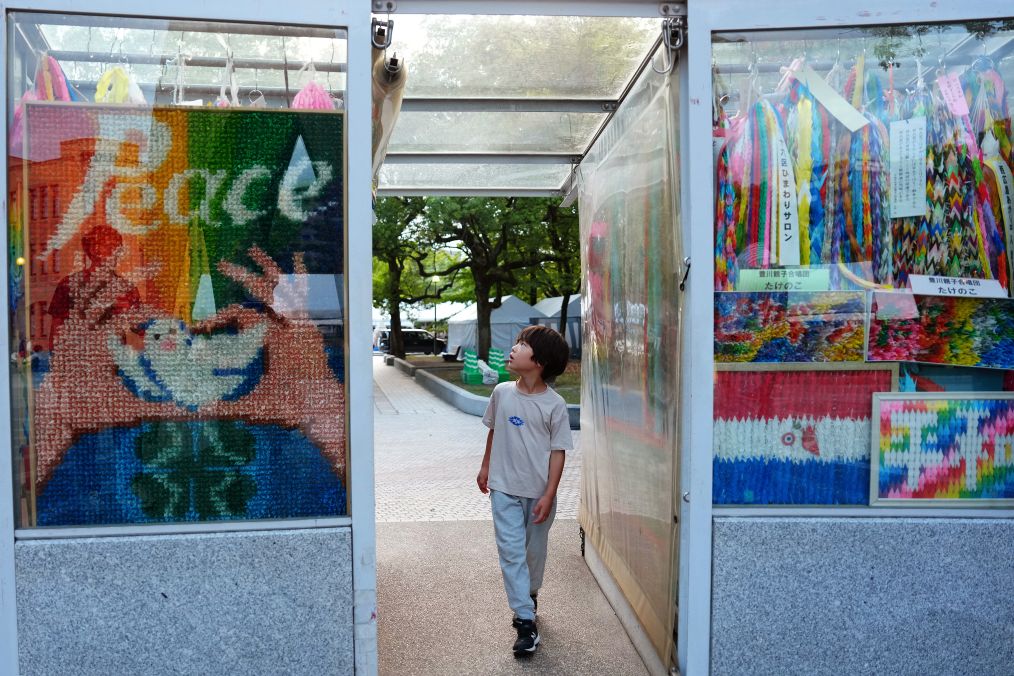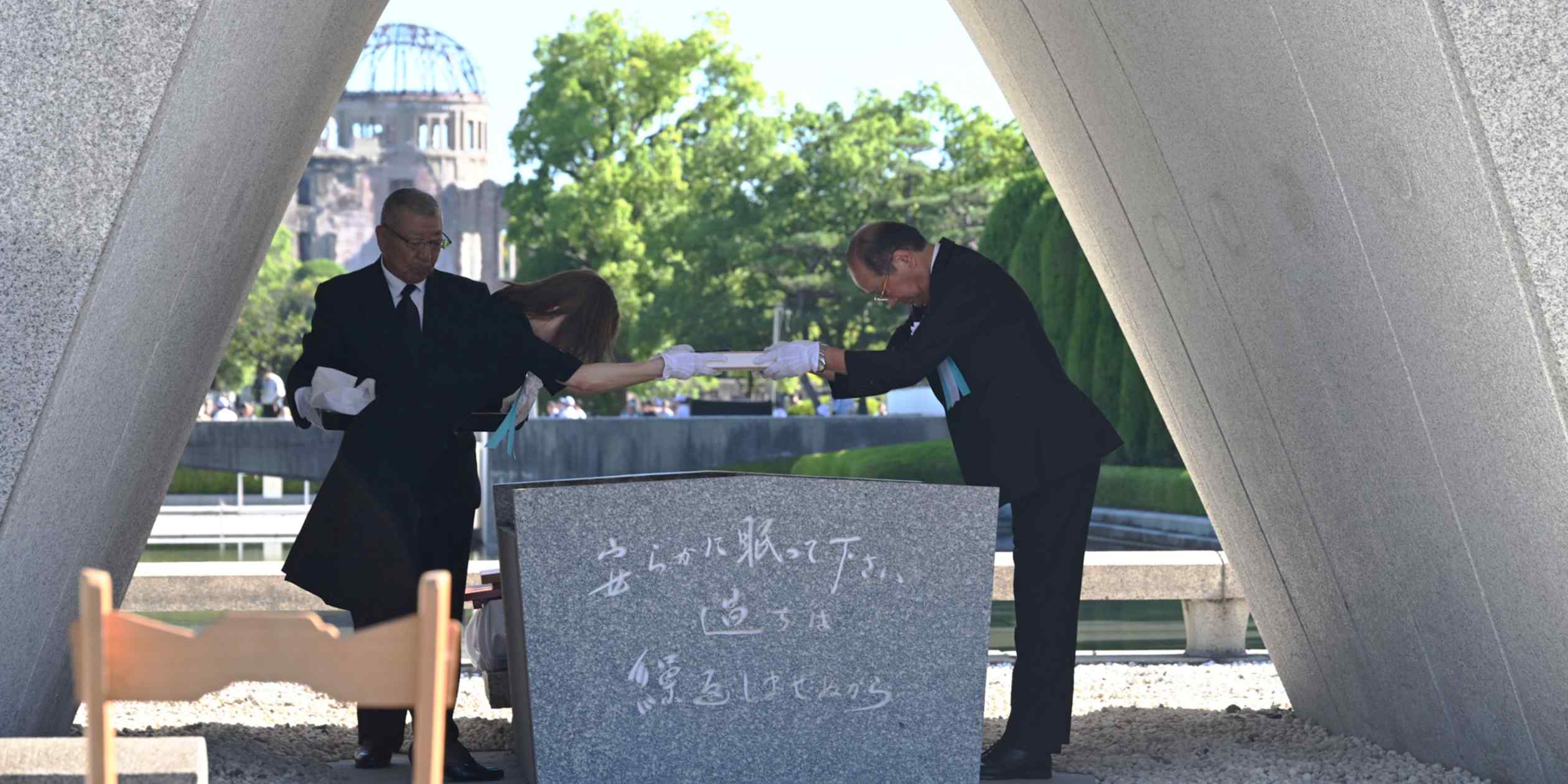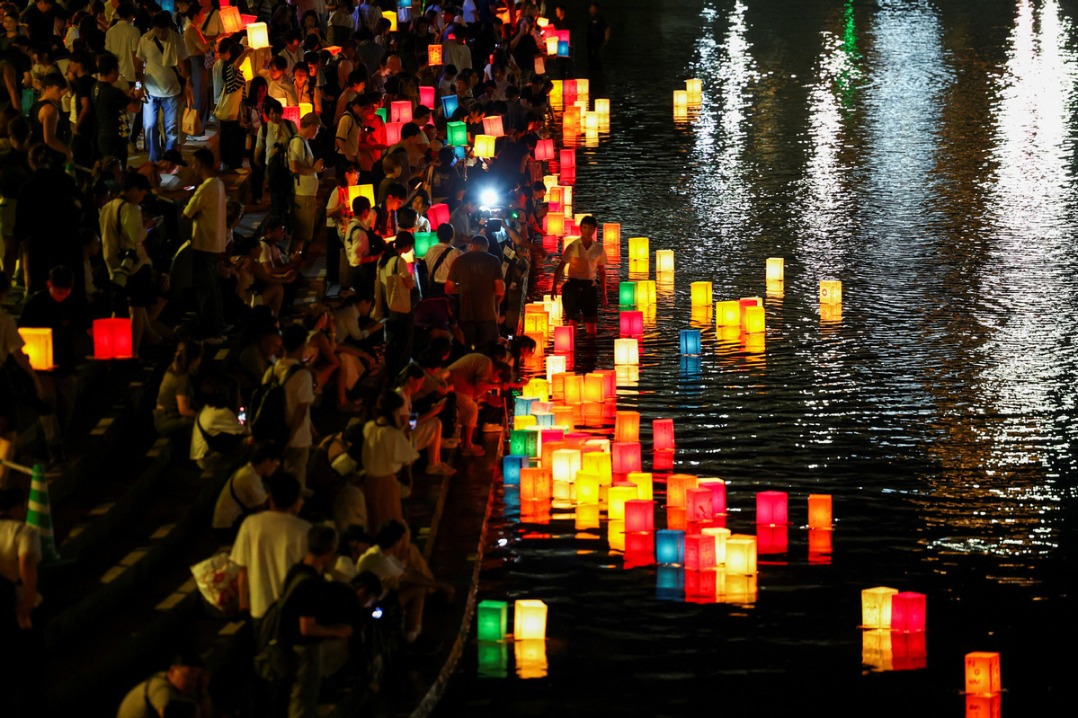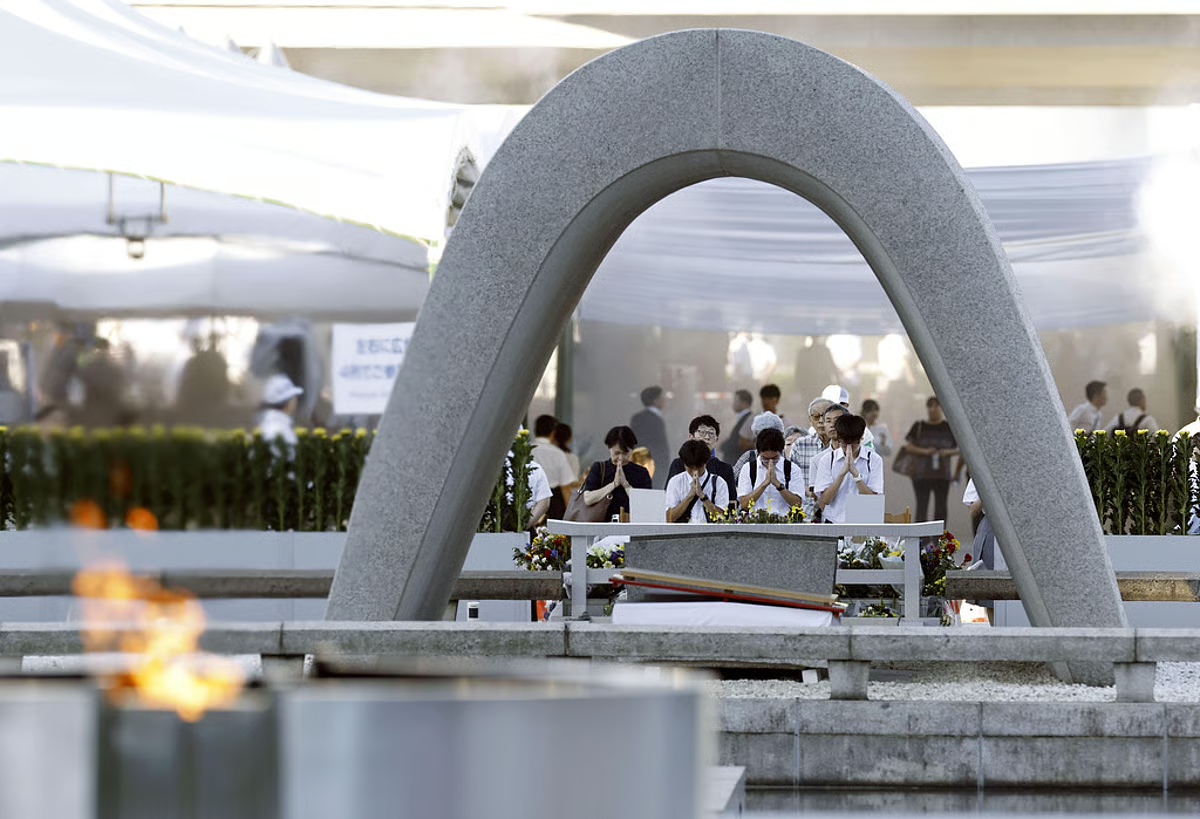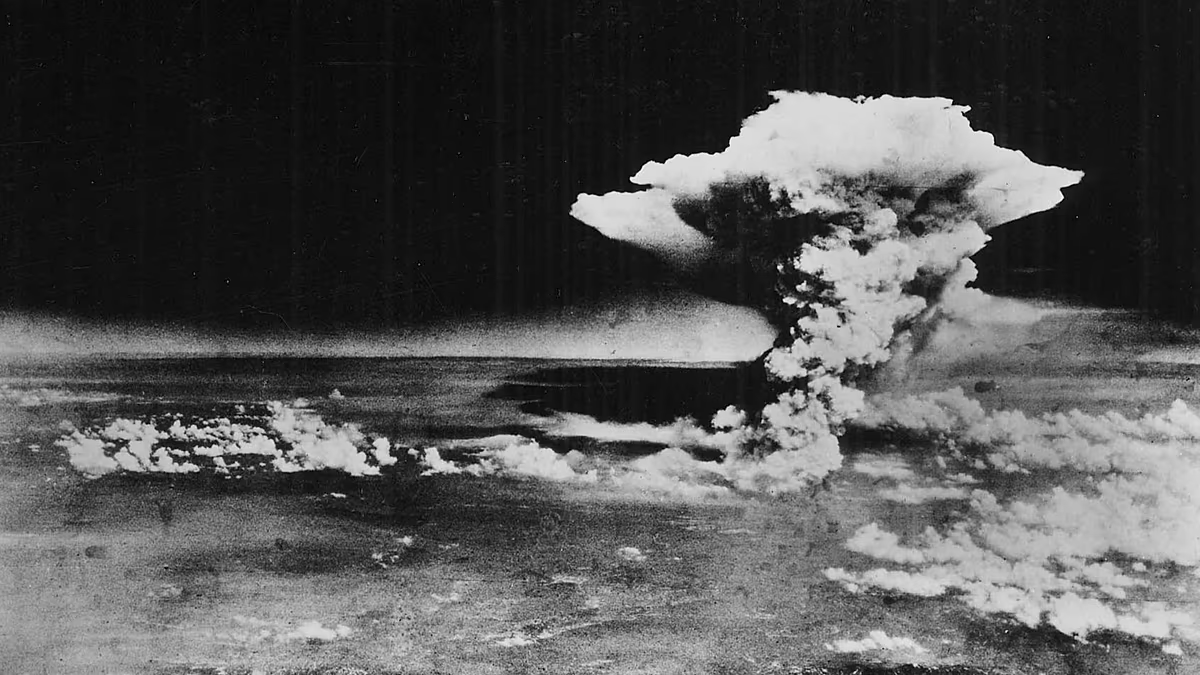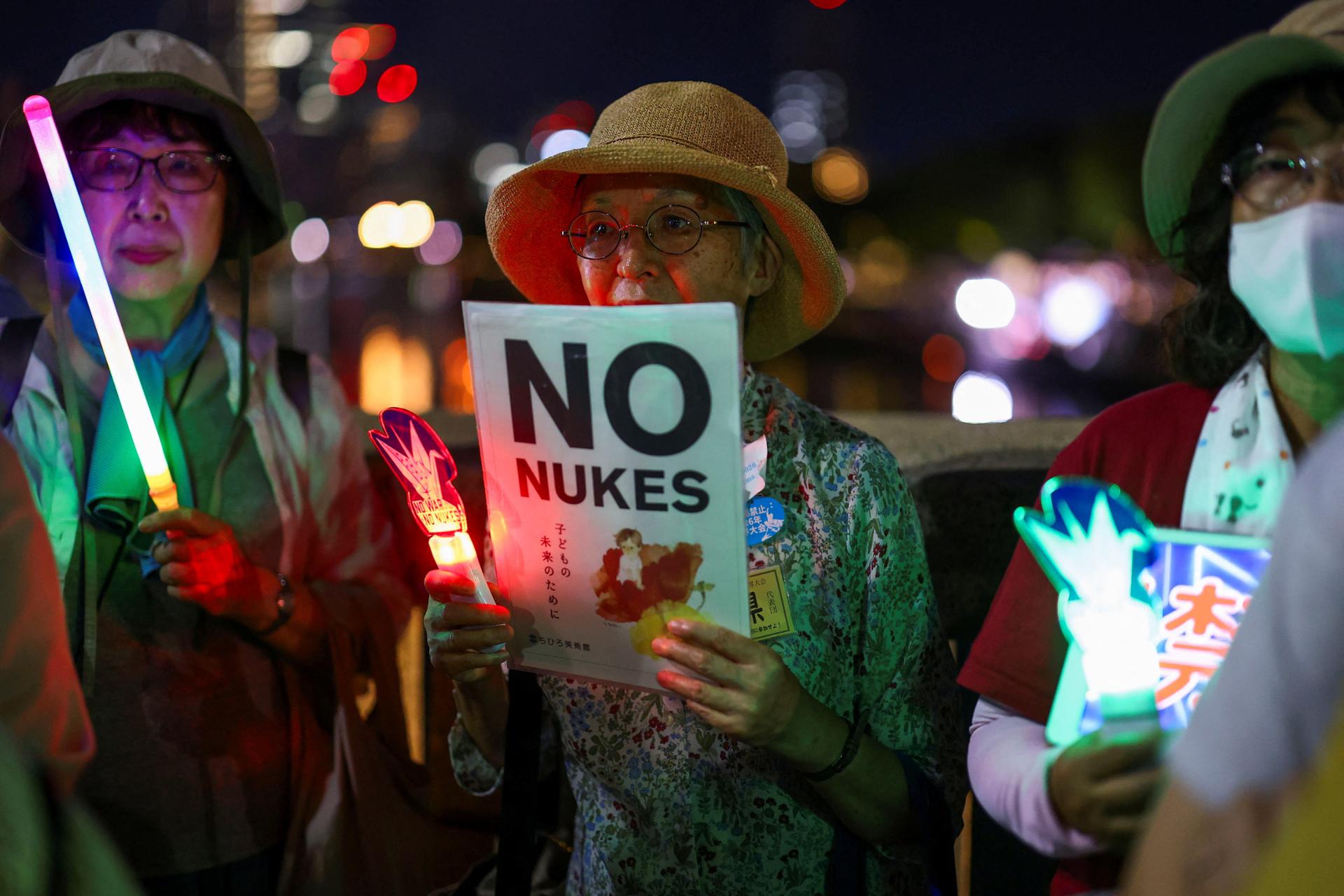
There is a peculiar ritual that unfolds almost every August in Hiroshima. Politicians gather beneath the Peace Dome, offer solemn prayers, speak of the unspeakable suffering of 1945, and vow to build a world without nuclear weapons.
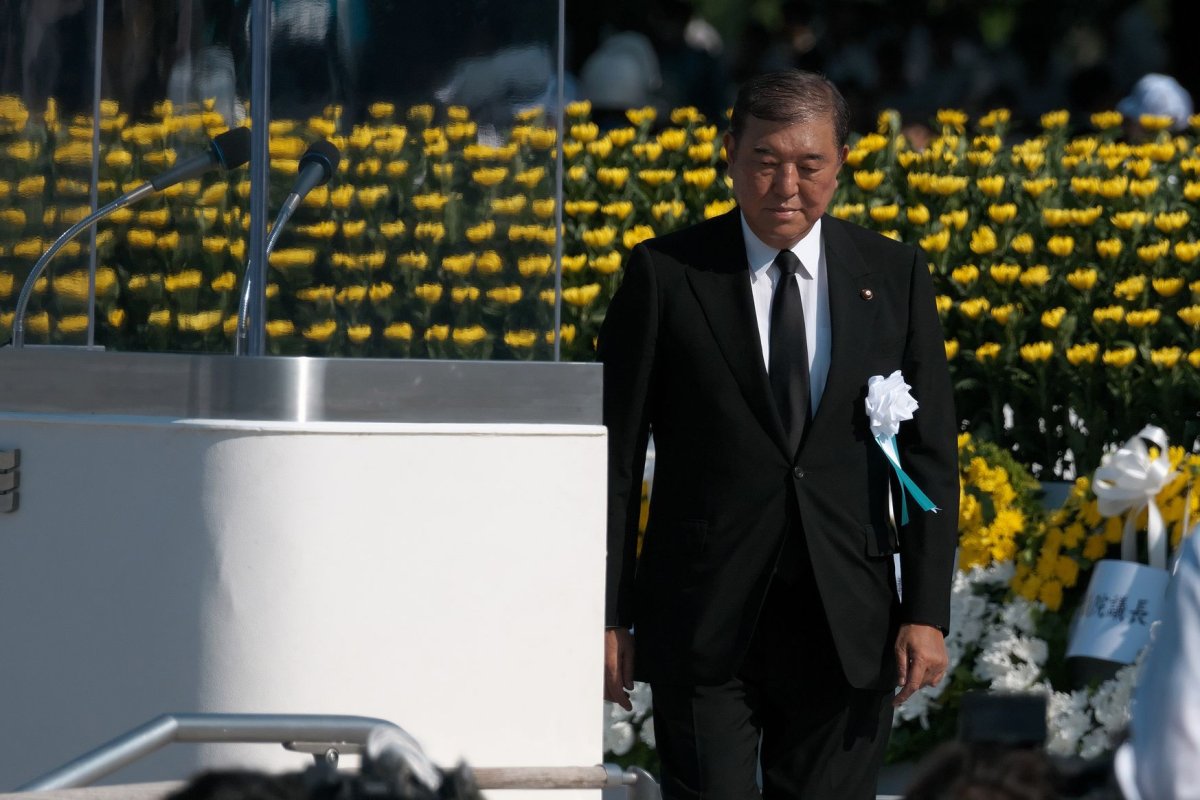
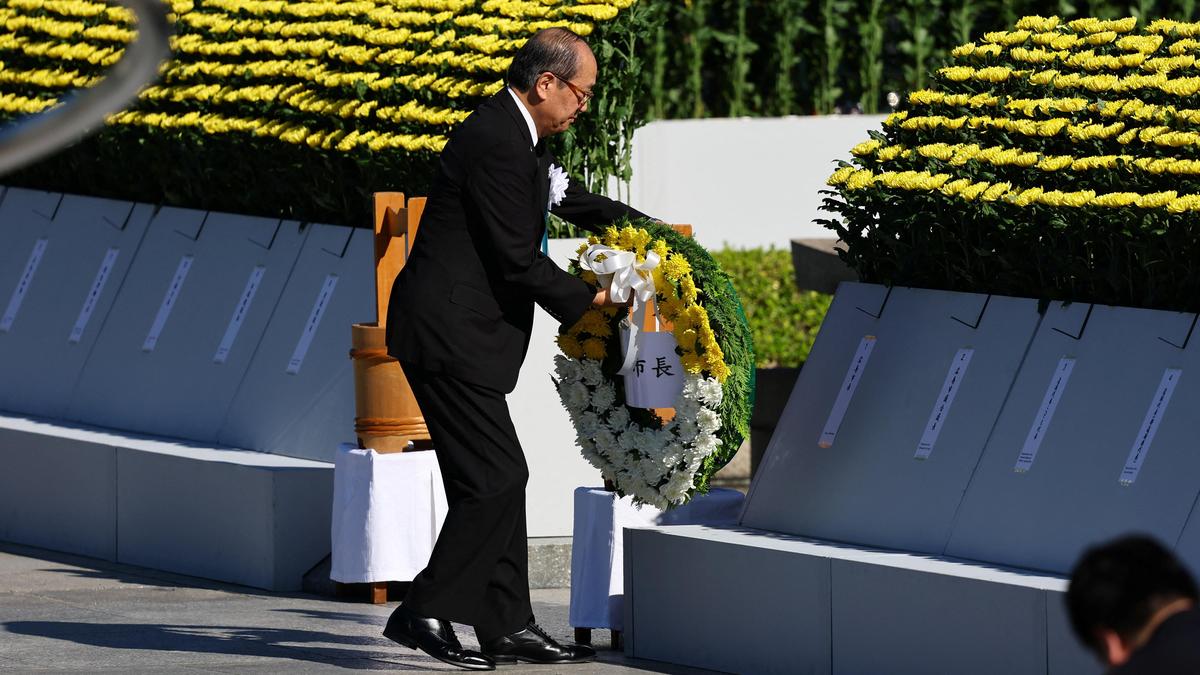
It is a ceremony of remembrance, but this year it became a theater for evasion. Standing before the survivors of the atomic bombing — the hibakusha, whose numbers are dwindling, and whose scars are both physical and existential — Japanese Prime Minister Sanae Takaichi gave a speech in which she mentioned Japan's Three Non-Nuclear Principles, but notably failed to pledge that the country would actually maintain them.
When pressed, she said: "It remains unchanged that Japan firmly upholds the three non-nuclear principles in the direction of its policy." This was not an accident of phrasing. It was a deliberate choice. A source close to the prime minister confirmed as much, noting that if the government were to consider revising the principles, its position would "maintain the status quo" until any formal revision is made. In other words, Takaichi kept her options open. She said just enough to avoid alarm, and precisely not enough to be held accountable.
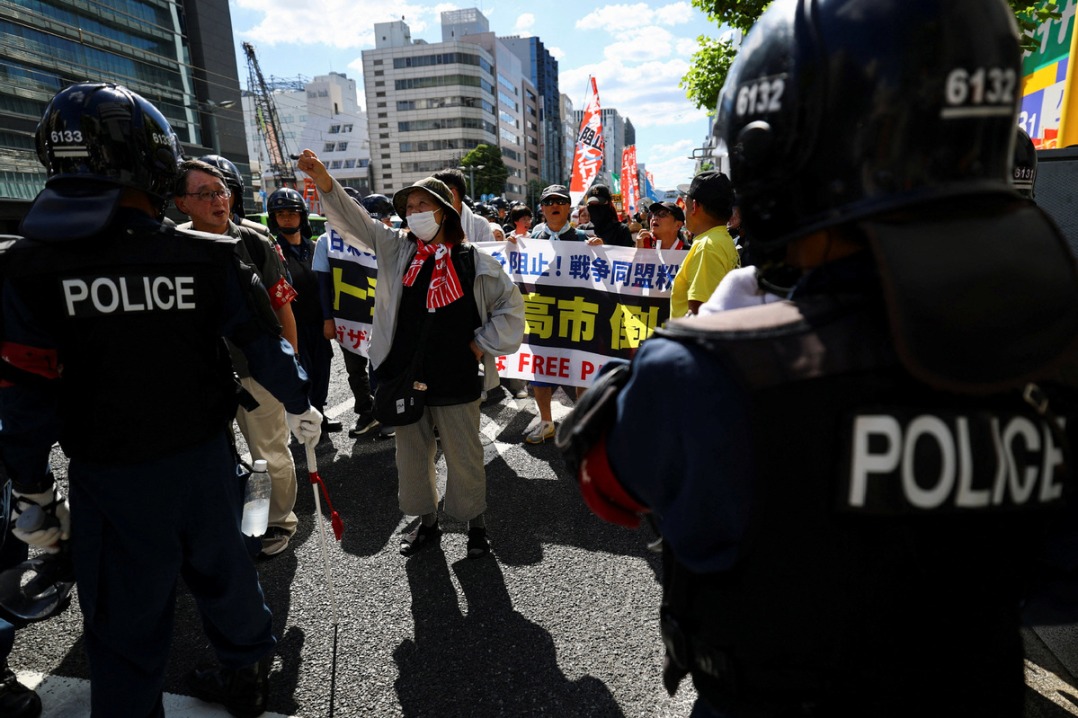
Japan's memorials for the victims of the atomic bombs should be a clarion call for peace — yet its politicians have turned them into hollow, equivocal charades. The country's right-wing government is racing toward full militarization and, ultimately, nuclear weapons — a capability, that backed by ample stockpiled material, Japan already commands. Only a legislative amendment, a legal formality, stands in the way.