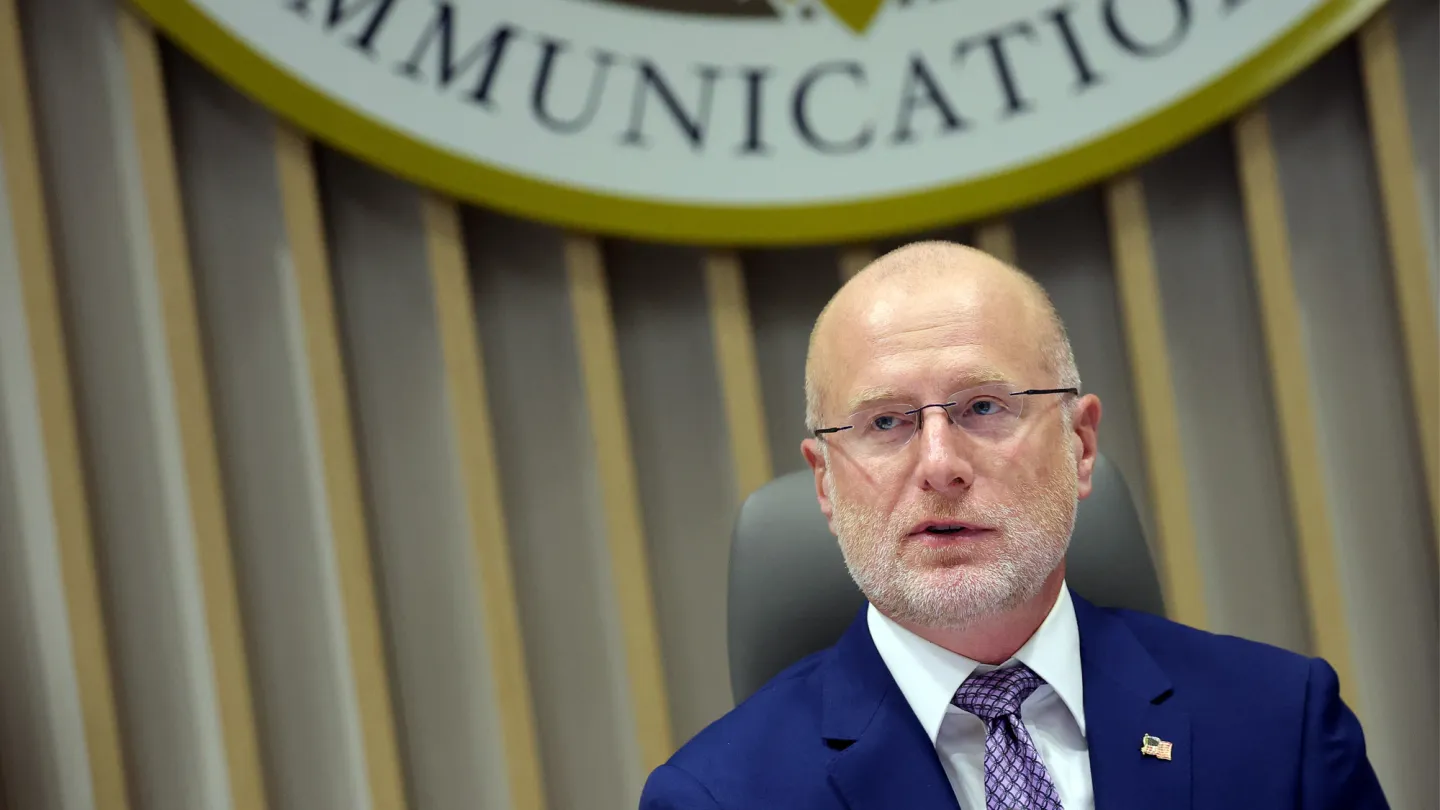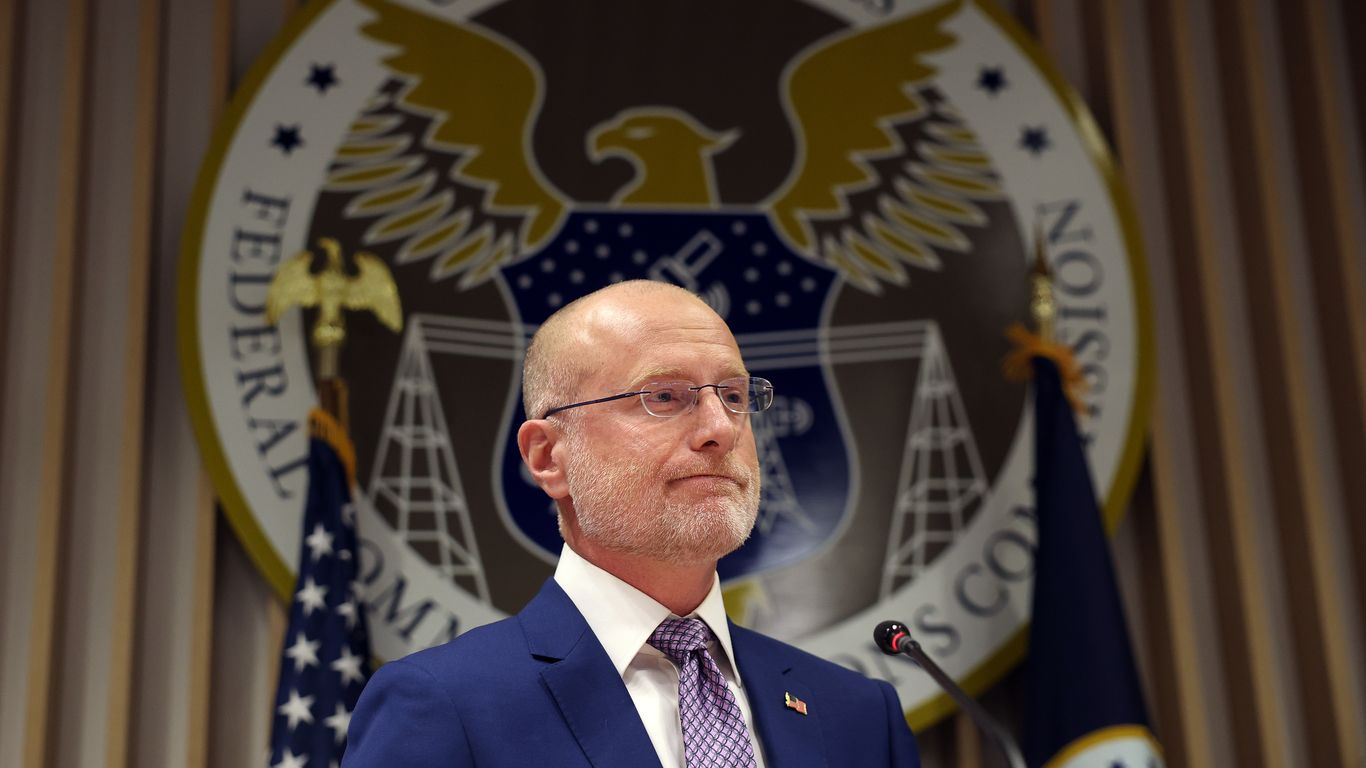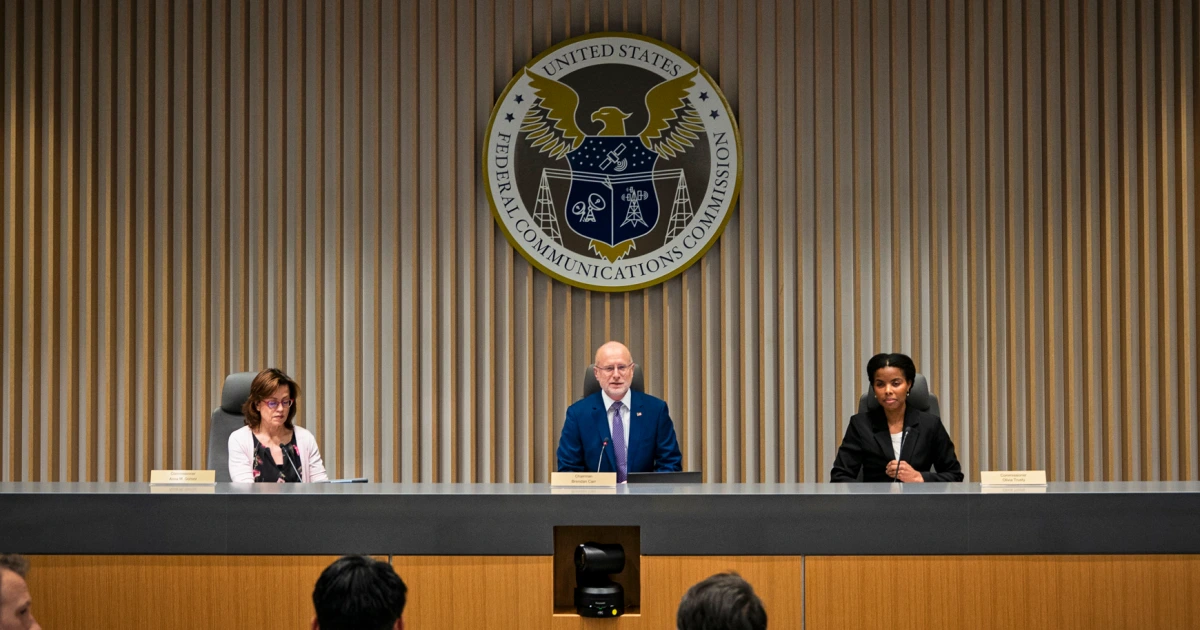
The FCC has formally moved to eliminate the longstanding national limit on the number of TV stations that a single entity can own on a 2-1 vote that is likely to draw legal challenges.
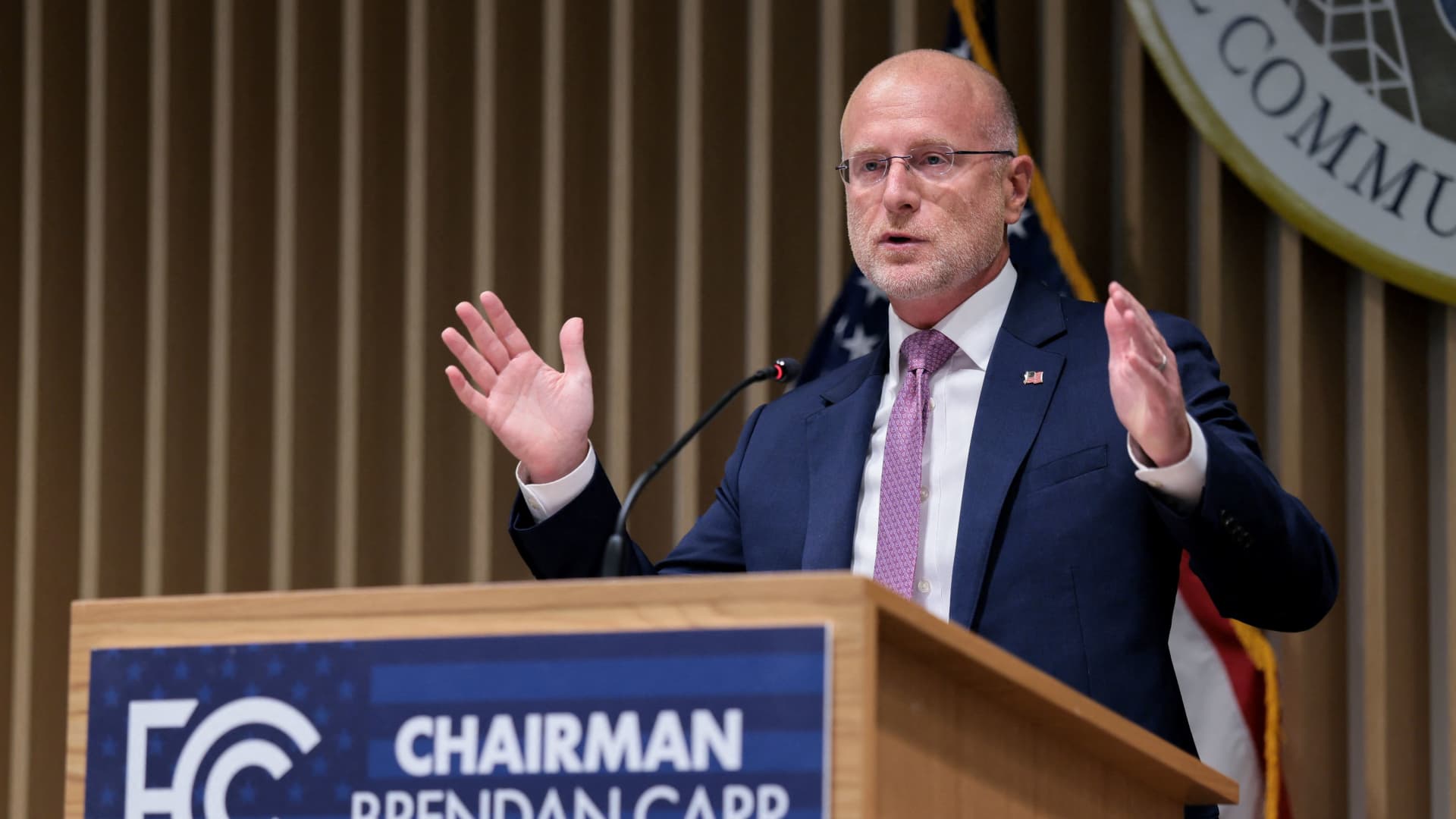
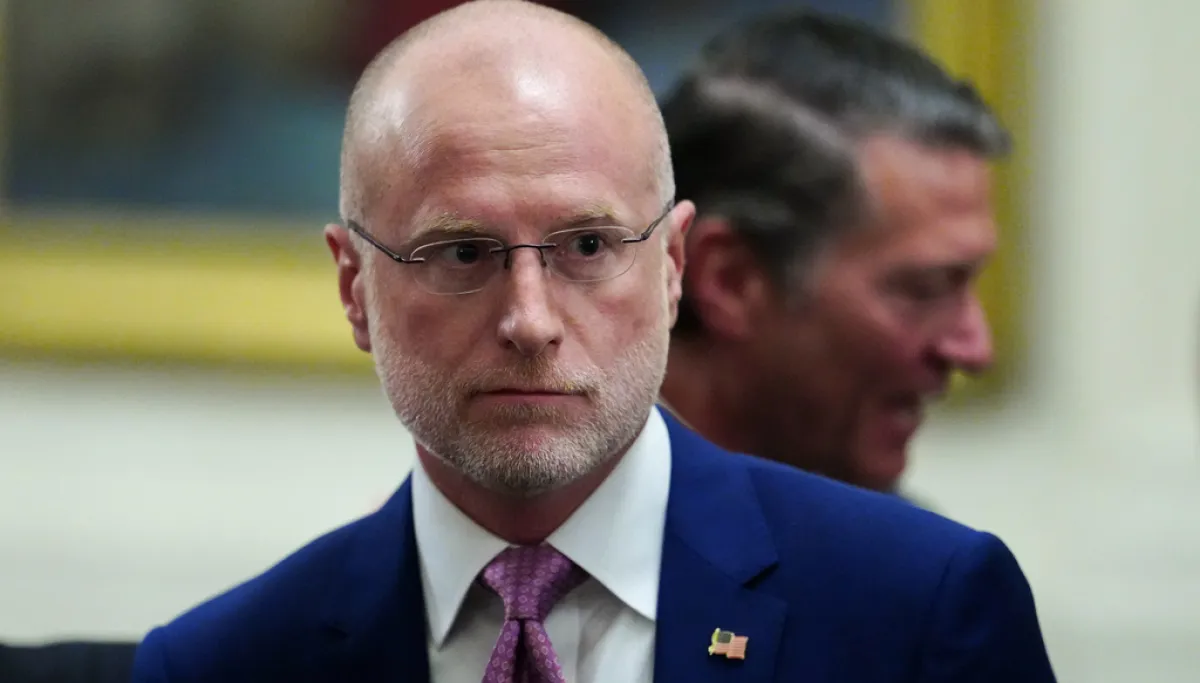
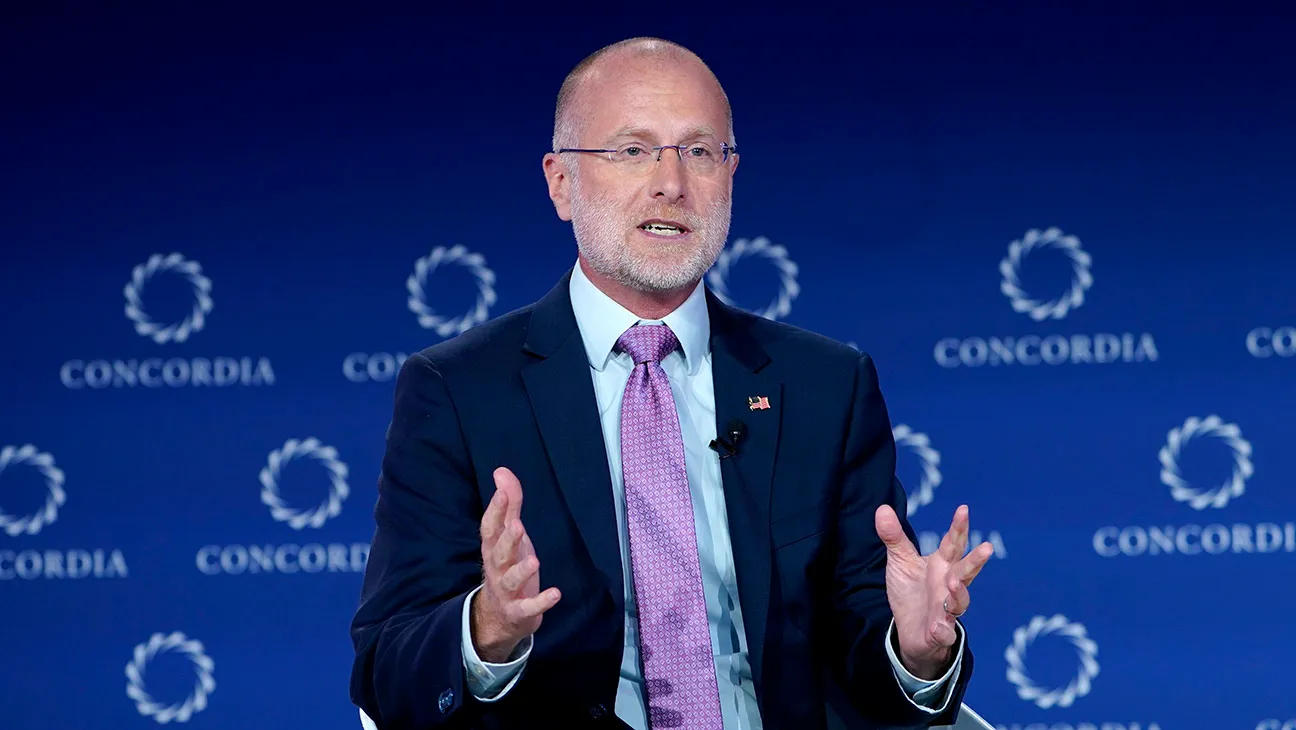
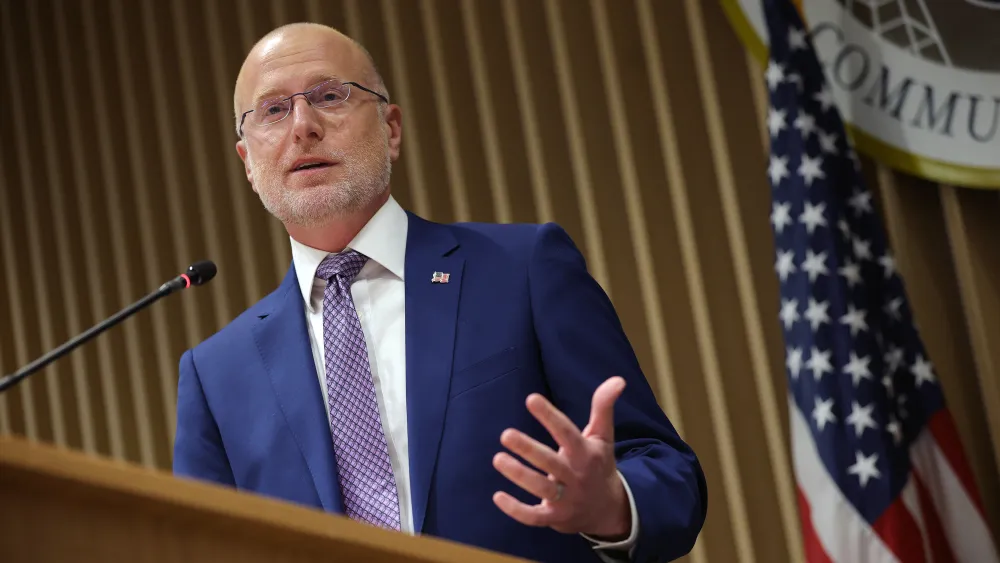
FCC chief Brendan Carr and fellow Republican commissioner Olivia Trusty voted to end the restriction that has its roots in regulations around radio station ownership in the 1940s. Commissioner Anna Gomez, the panel’s lone Democrat, argued that the commission’s move was “unlawful on its face” as the current law that imposes a cap of 39% reach among U.S. TV households was established by Congress, not the commission, in 2012.
Carr, according to prepared remarks provided by the FCC, disputed Gomez’s interpretation. He reiterated the longstanding view of the National Association of Broadcasters and others that TV station owners are bound by anachronistic regulatory rules while Google, Netflix, Meta, Amazon et al are able to reach the entire world with a keystroke.
“It is time to restore balance to the broadcast airwaves. Repealing the national cap will provide essential relief for local broadcasters by restoring a healthy counterbalance to the growing leverage of national programmers,” Carr said in his remarks. “Increased scale will enable broadcasters to attract the capital and advertising revenue needed to sustain and produce trusted and community-focused news and programming. We should learn from our mistakes with the local newspaper industry, and we should not let the same thing happen to the local broadcast TV industry. Trusted sources of local reporting, broadcast over the public airwaves, are worth protecting and worth fighting for.”