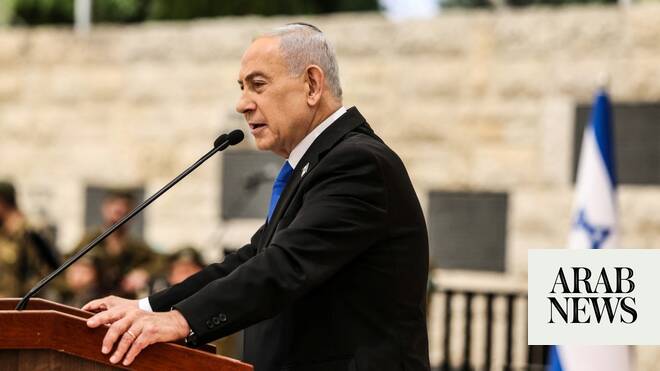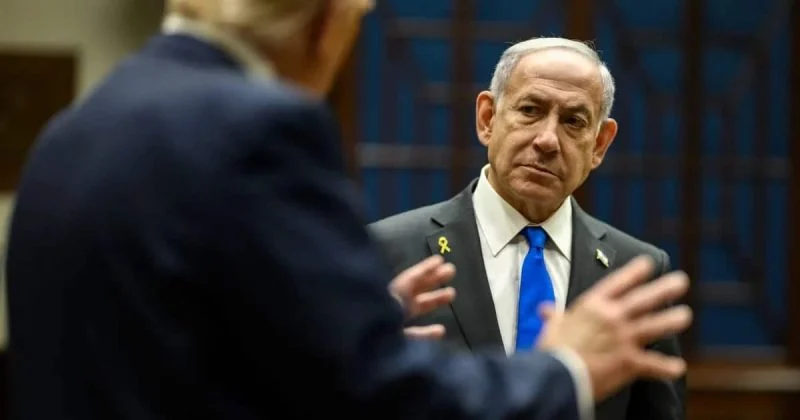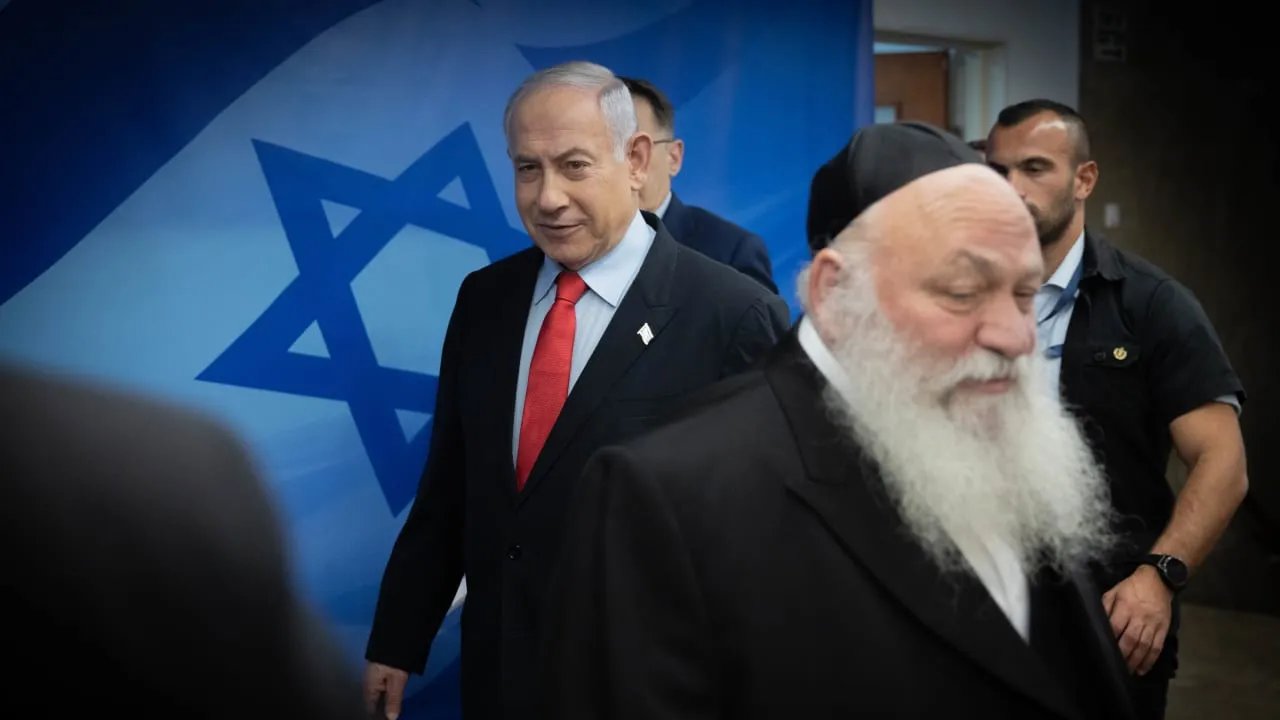
For nearly three decades, Israeli Prime Minister Benjamin Netanyahu has relied on ultra-Orthodox parties as one of the pillars of his political survival.
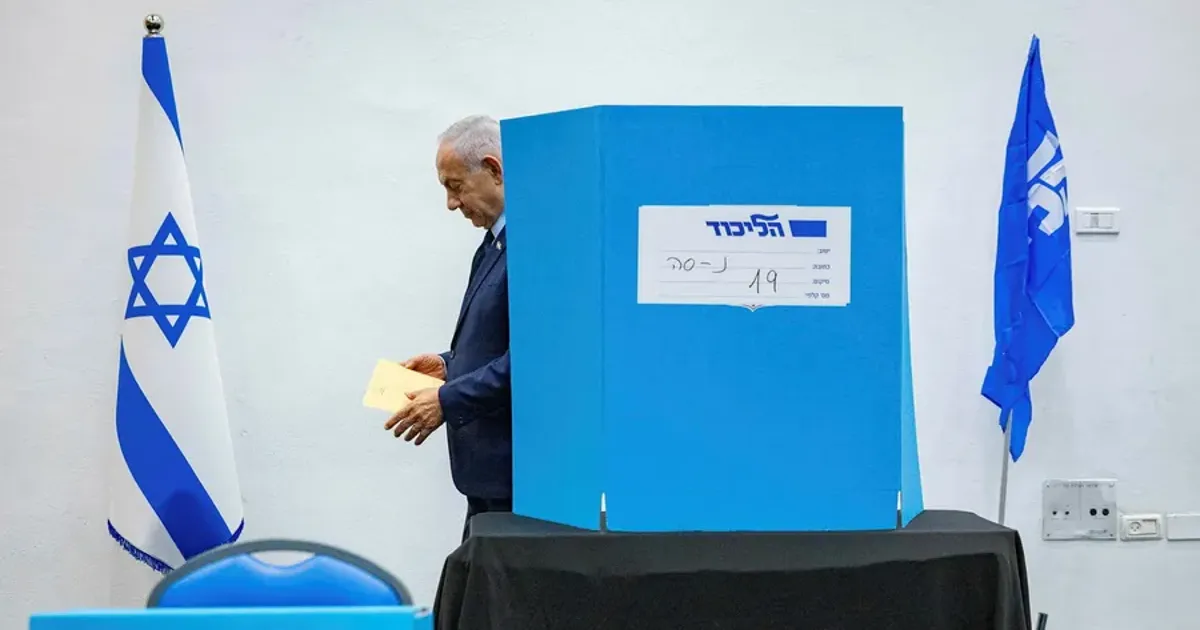
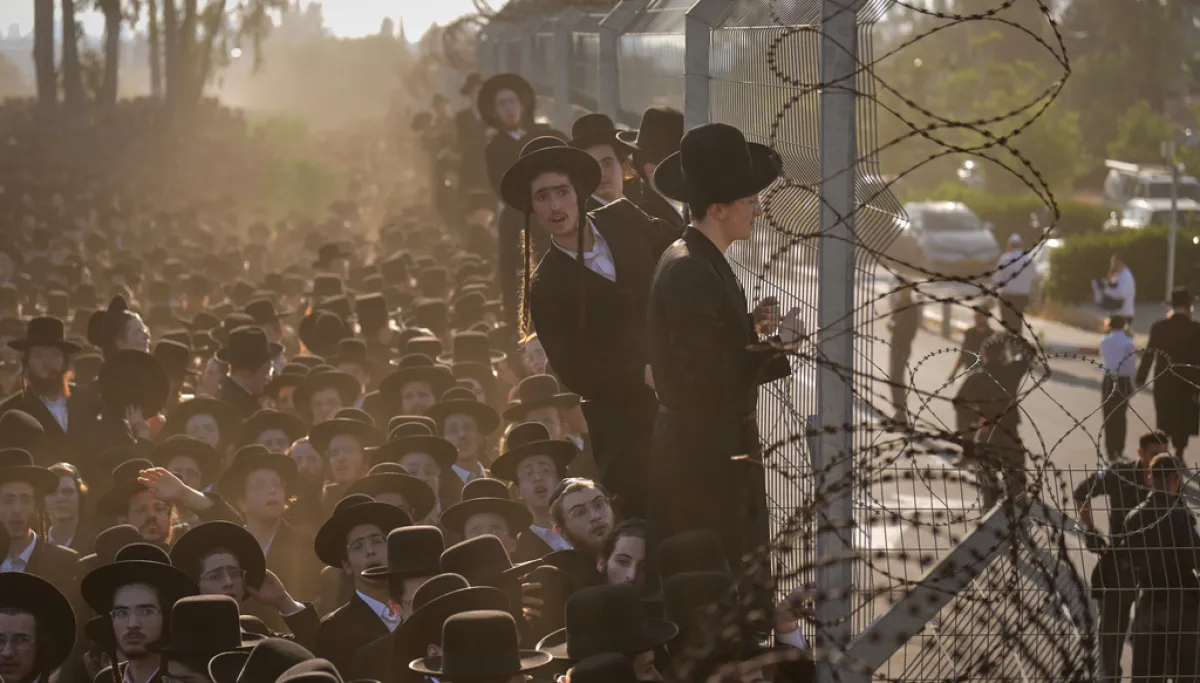
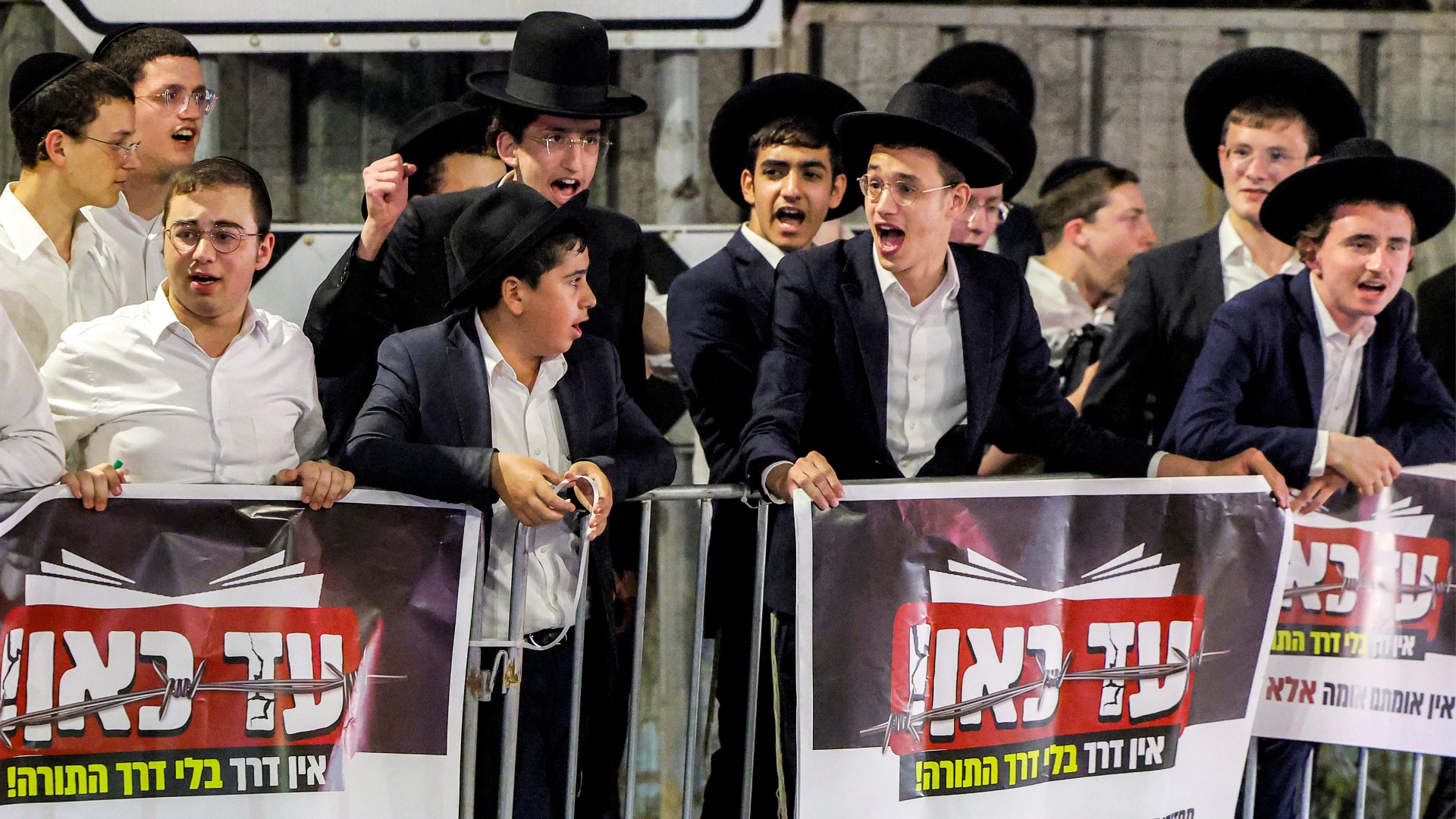
But as Netanyahu gears up to one of his toughest elections in years, his governing alliance is facing unprecedented strain over the long-running dispute about military conscription for ultra-Orthodox Jewish men.
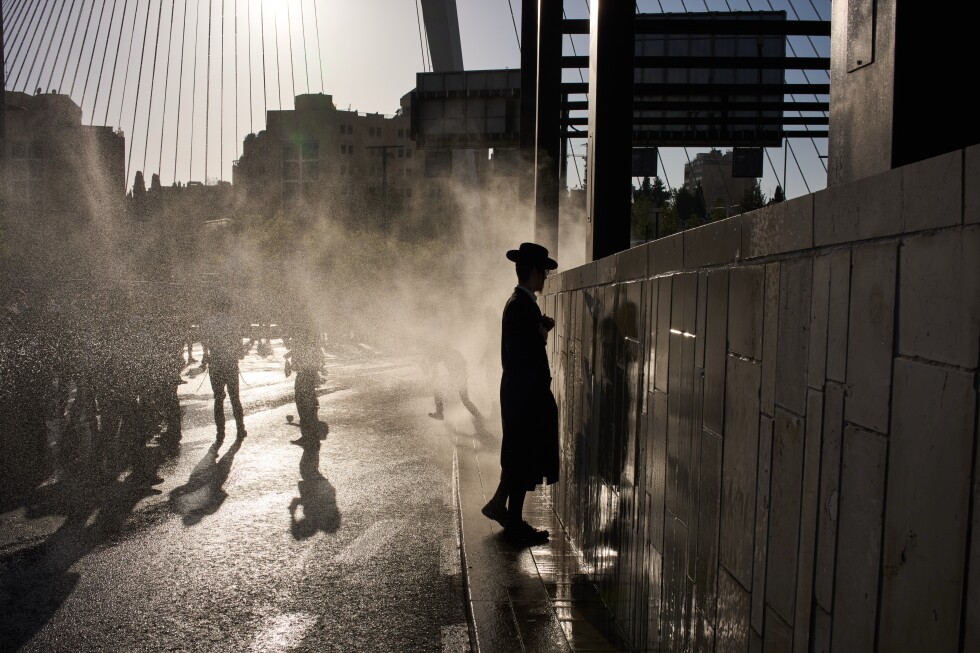
The row has exposed deep divisions within Netanyahu's right-wing bloc and raised questions about whether the United Torah Judaism (UTJ) and Shas parties, two of his most dependable allies since he first became prime minister in 1996, could look elsewhere.
"There's disappointment and anger within the ultra-Orthodox public over their situation," Pnina Pfeuffer, director general of the Ultra-Orthodox Public Organisation, a civil society group working within ultra-Orthodox communities, told Middle East Eye.
The political future of the ultra-Orthodox parties is so unclear, she adds, that it is no longer "far-fetched" that they could join a government led by Gadi Eisenkot, Netanyahu's fiercest challenger in years.