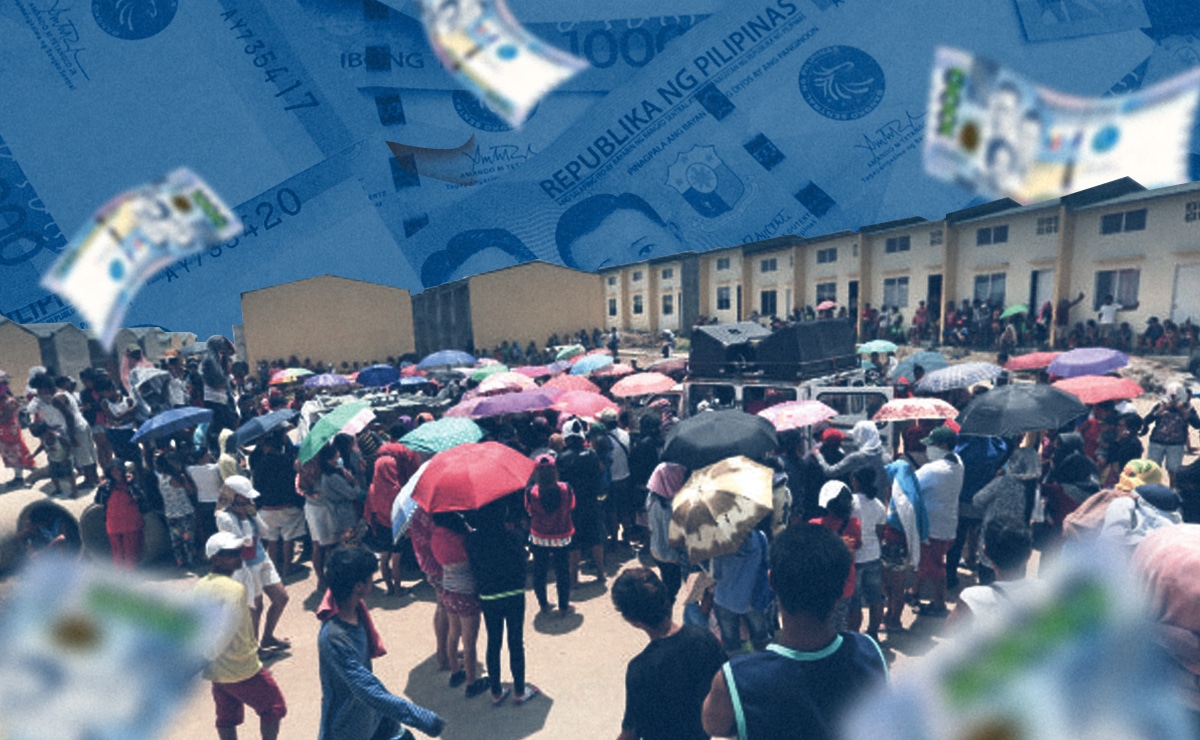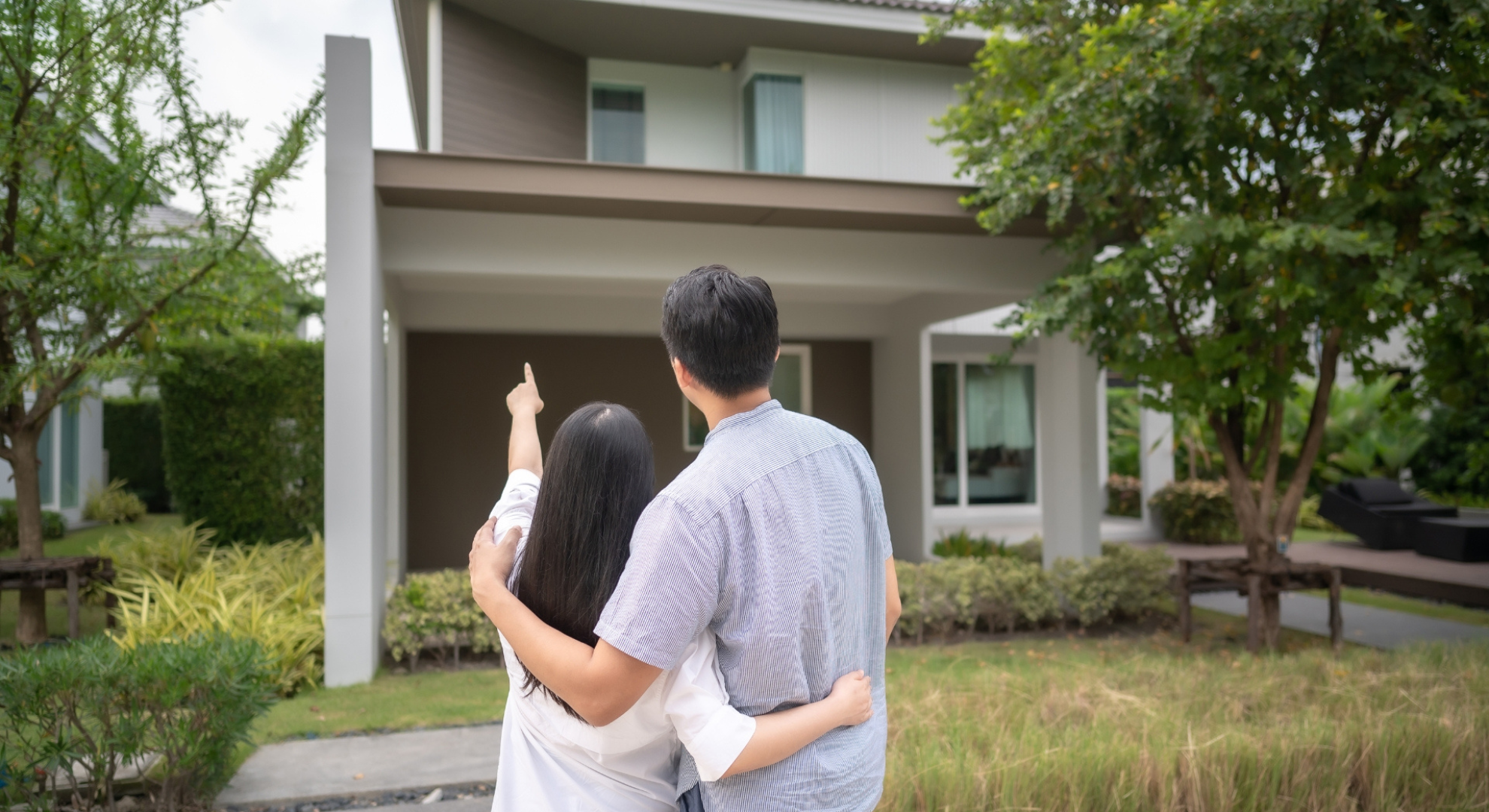
For so long, the Filipino ideal home was relatively easy to picture.
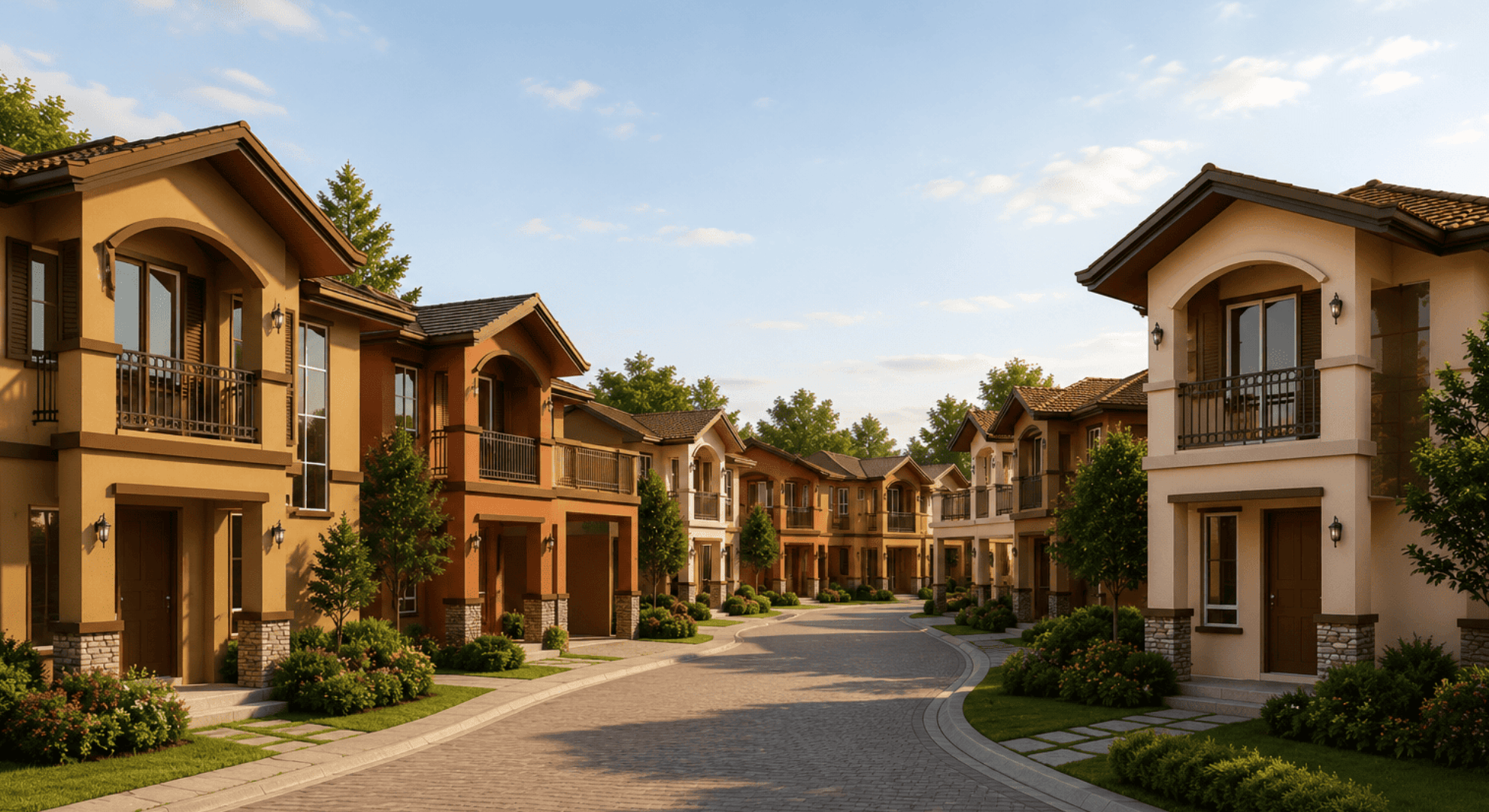
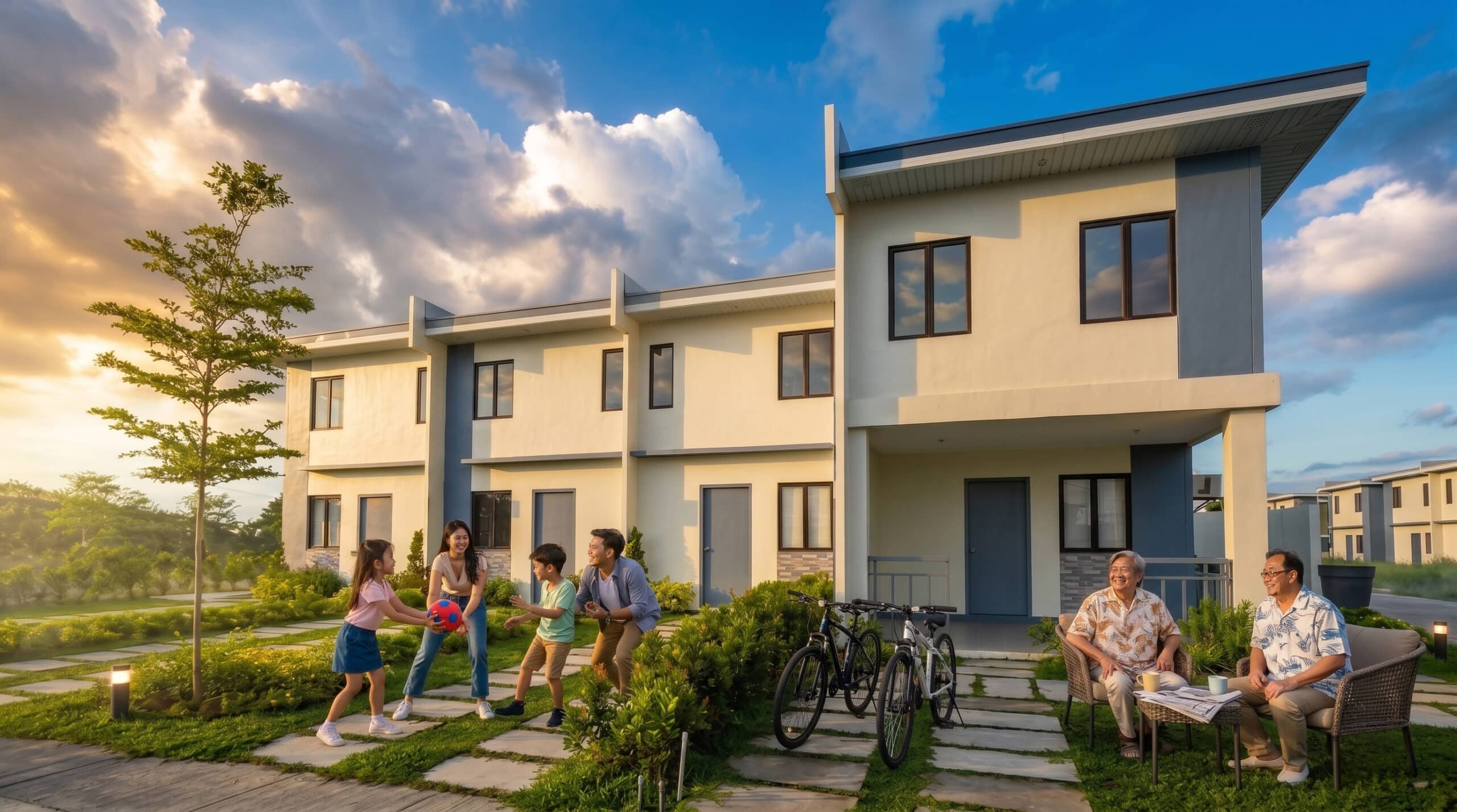
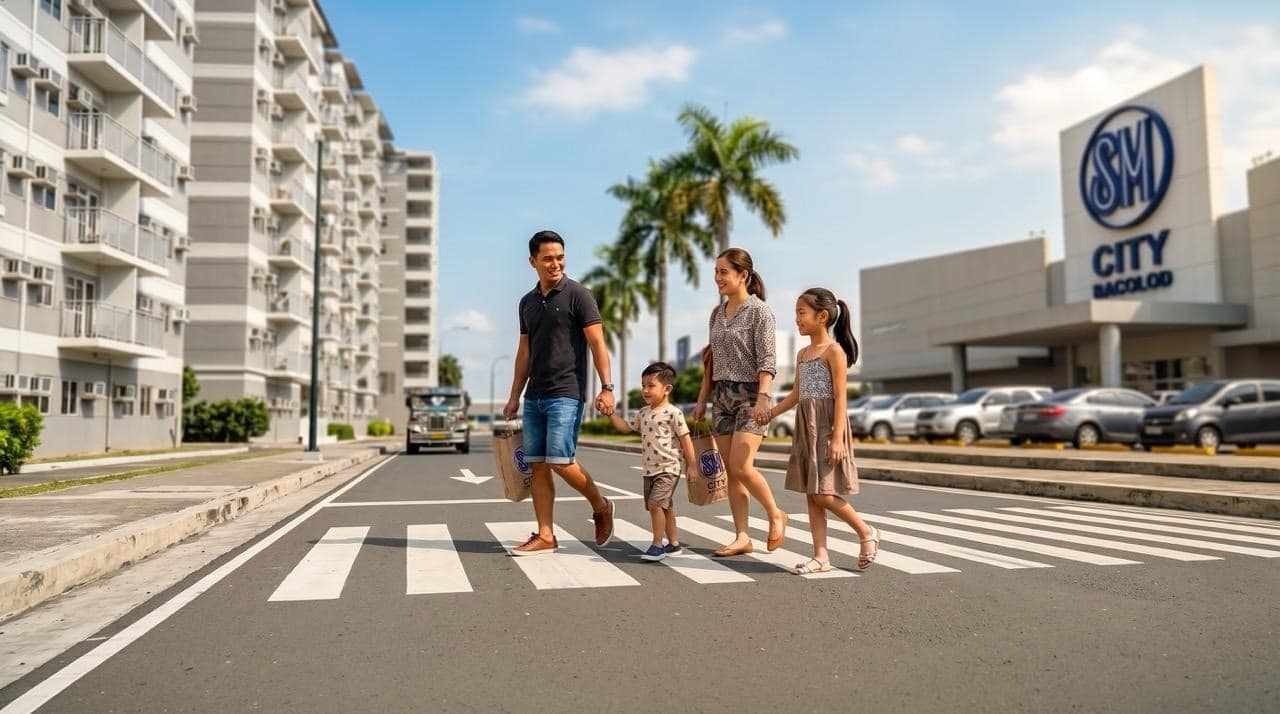
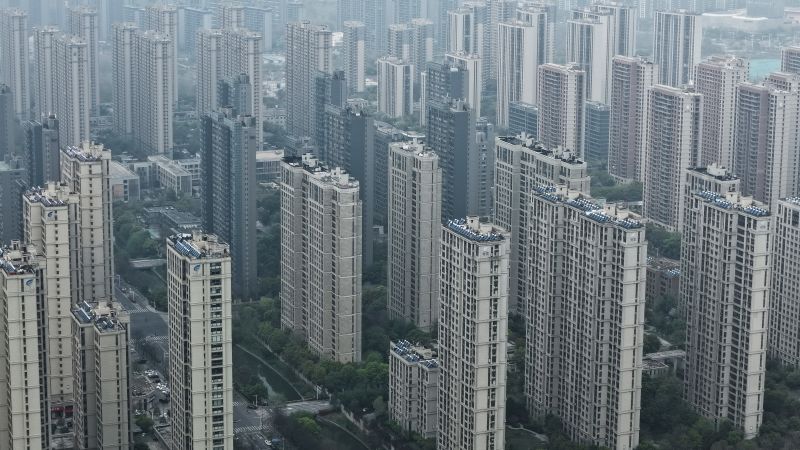
It was either a bahay na bato (concrete house) located in a subdivision on the outskirts of the city or a condominium unit within reach of one’s workplace, and owning one represented an ideal state of stability, security, and investment.
One’s own home was not merely where life happened; it was proof that life was moving forward. Parents tearfully left their families with in-laws to work abroad and pay for it. Newly married couples willingly stretched their salaries to afford it.
Today, owning a home is still a goal for many Filipinos. Yet its meaning and the path toward it have changed.
Rising property costs, demographic shifts, changing work environments, and escalating energy prices are reshaping the way Filipinos think about where they live, what they need from a home, and how they plan for the future.