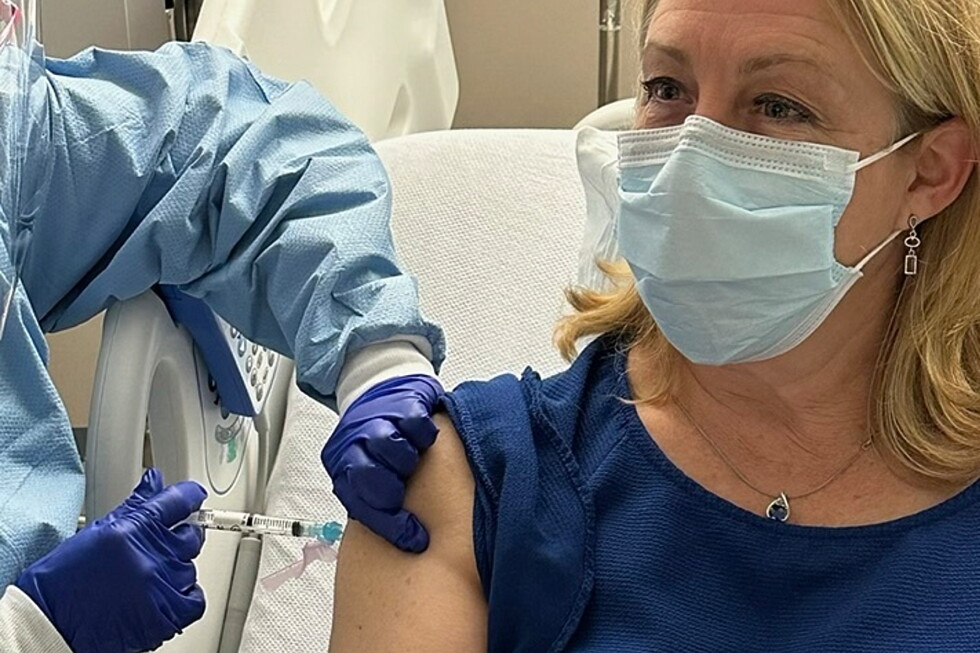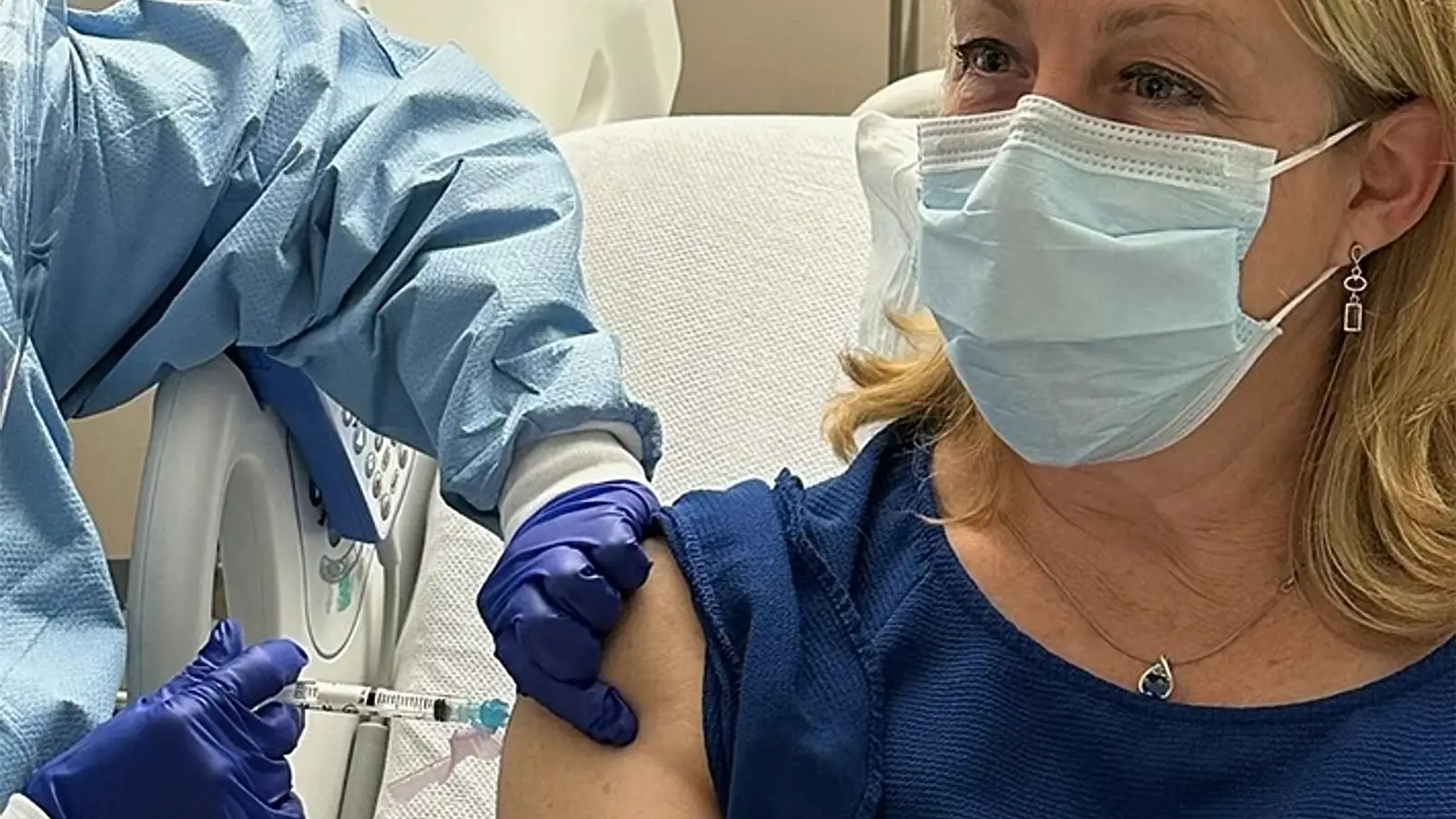
Stacy Norton, MD, was only 7 years old when her mother died of colon cancer, one of several family members struck by aggressive tumors at unusually young ages. Decades later, Norton rolled up her sleeve to help test if a new kind of vaccine might protect her and her own children from cancer.
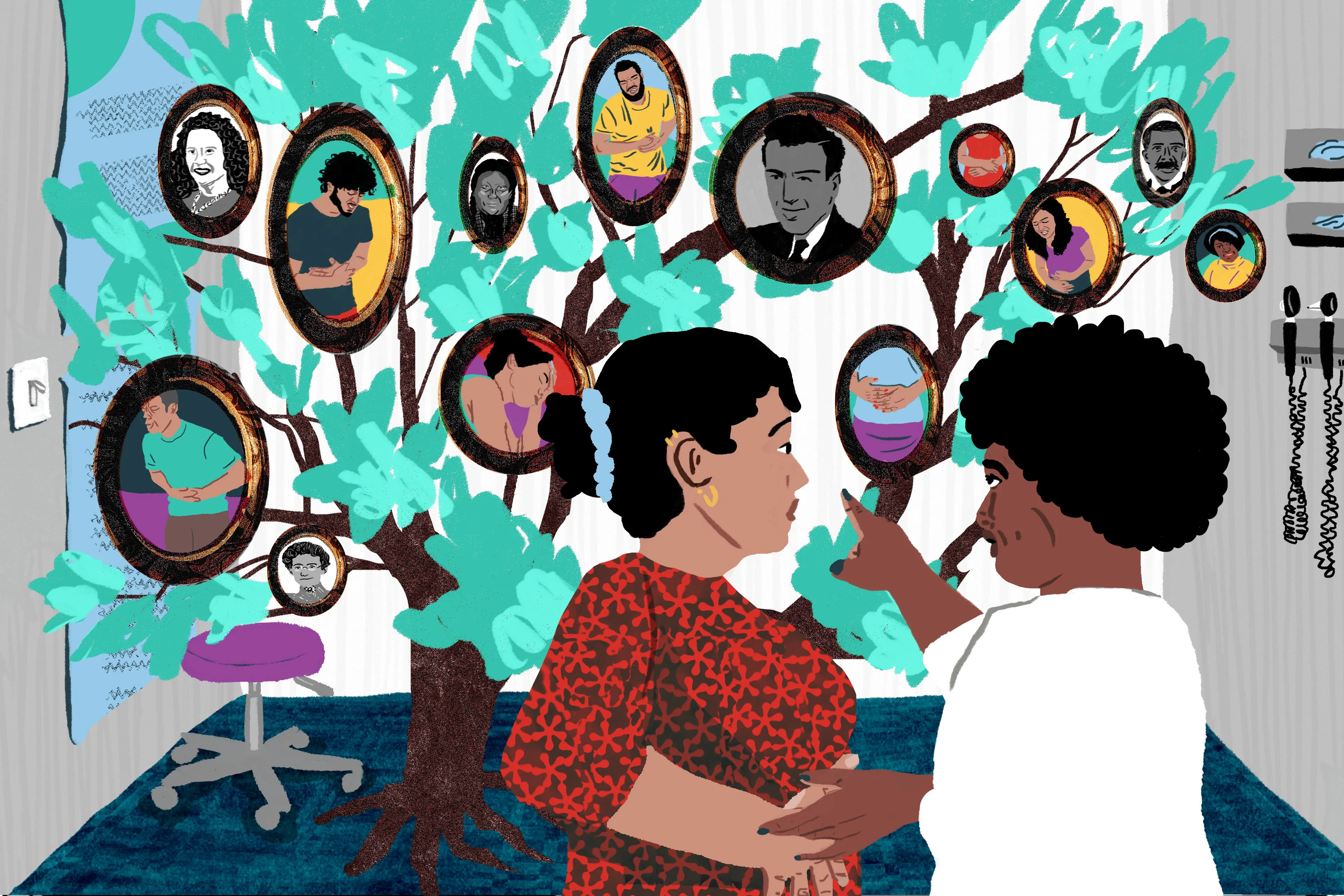
The Houston doctor is among an estimated 1 million Americans who have Lynch syndrome, a faulty gene passed from a parent that puts them at extremely high risk of colorectal cancer and more vulnerable to certain other cancers, too. They're often urged to get yearly colonoscopies -- far more often than usual -- that can spot and remove precancerous polyps.
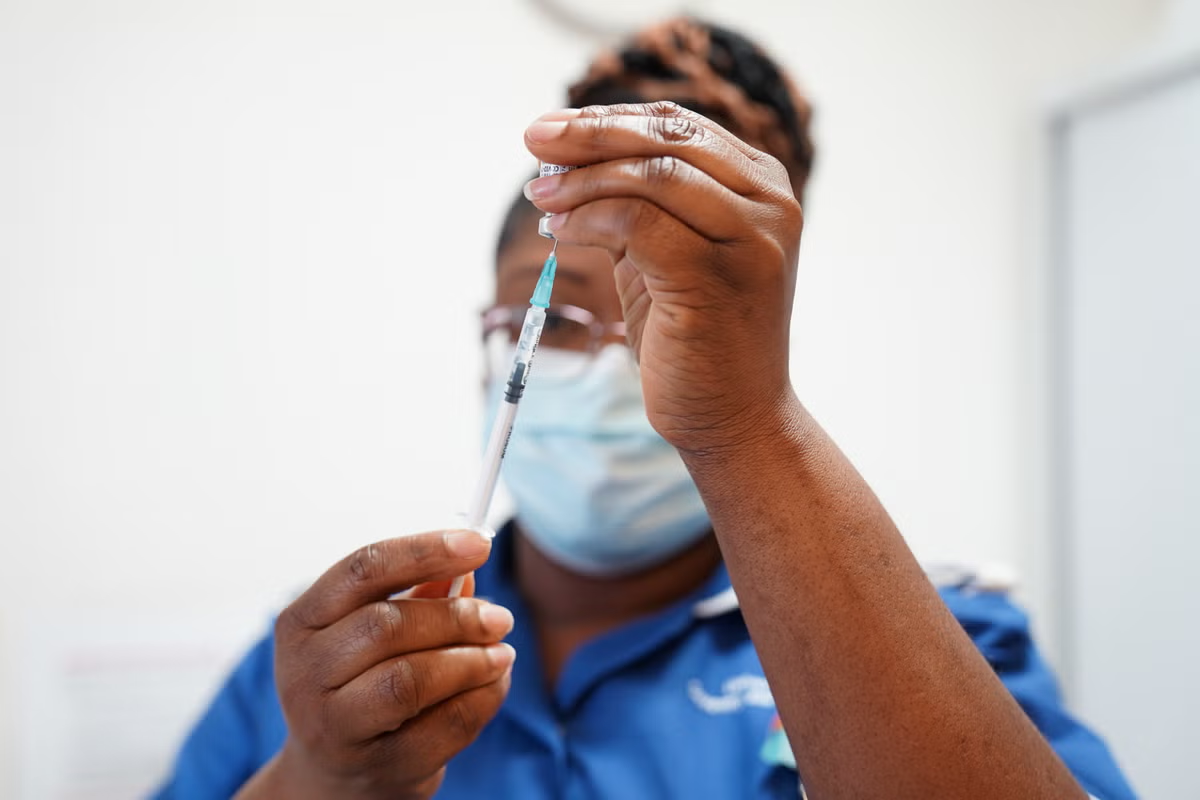
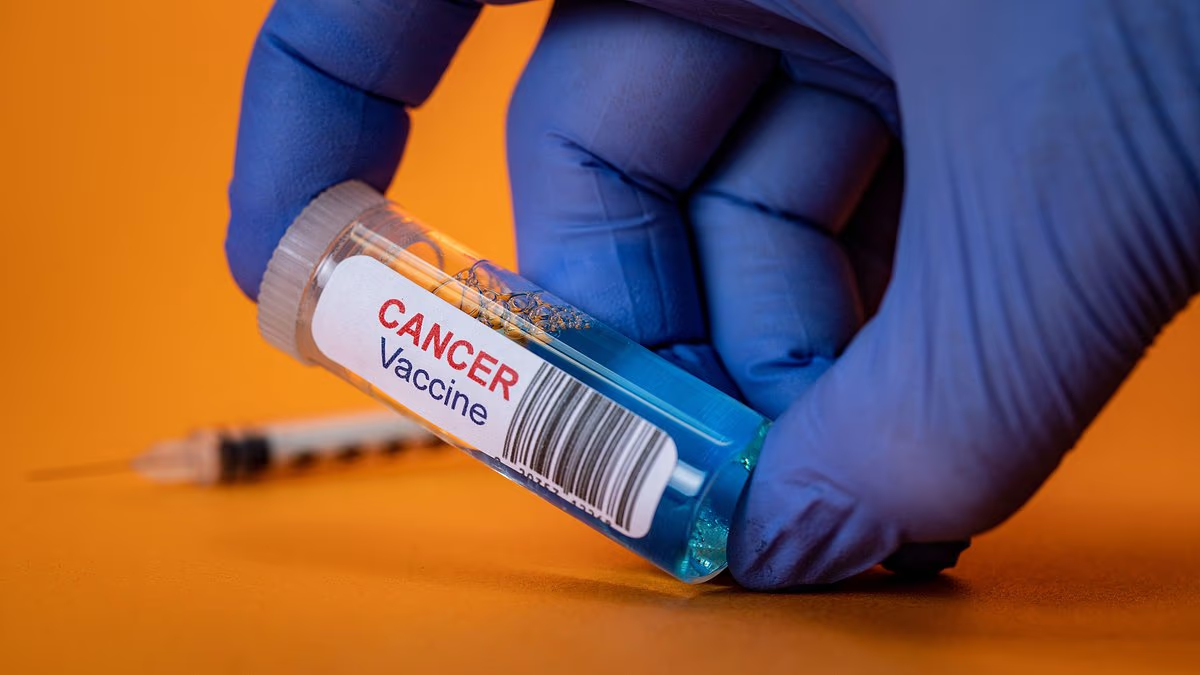
Now scientists are creating vaccines that aim to go further, teaching the immune system to intercept this type of brewing colon cancer before it turns into a full-fledged tumor. At least three potential Lynch syndrome vaccines are in development, including two in early clinical trials in the U.S. and a third beginning in Britain.
The shot that Norton helped test appears promising enough that its lead researcher, Eduardo Vilar-Sanchez, MD, PhD, of the University of Texas MD Anderson Cancer Center in Houston, expects a larger study to begin early next year.